
Heat exhaustion
A moderate heat illness from overwhelmed thermoregulation.

Anonymous Unknown author · Public domain
Heat exhaustion is a moderate heat-related illness that happens when the body’s cooling systems start to fail. It usually occurs in hot weather or during heavy physical activity, and the core body temperature sits between 37 °C and 40 °C (98.6 °F to 104 °F). More frequent and intense heat waves, driven by climate change and rising global temperatures, have made heat exhaustion more common.
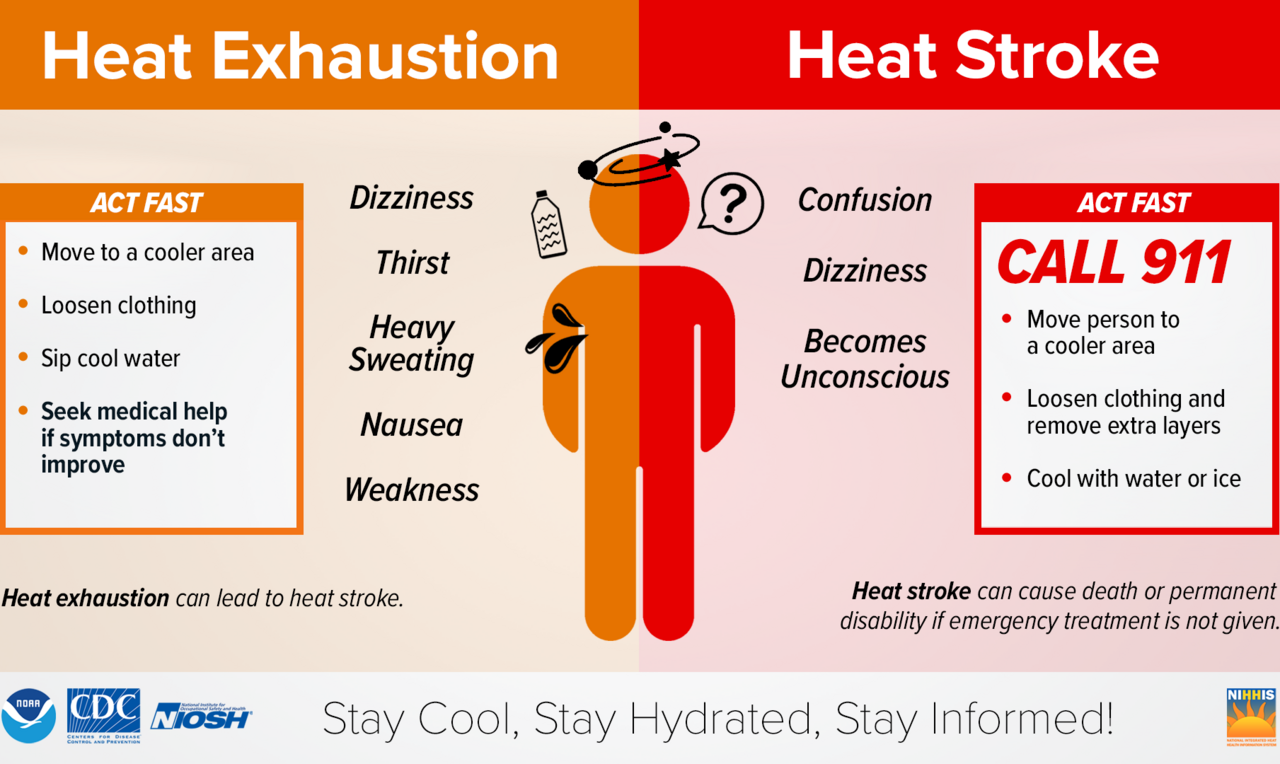
Common symptoms include heavy sweating, weakness, dizziness, headache, nausea, and low blood pressure. These come from dehydration and a loss of electrolytes in the blood. The heart rate and breathing rate may increase, and the skin can tingle. People may also feel irritable, have muscle cramps, or vomit. Less common signs include pale skin, hot and dry skin, fainting, and a core temperature above 40 °C (104 °F)—the latter is actually a sign of heat stroke, not heat exhaustion. Central nervous system problems, like confusion or loss of coordination, also point to heat stroke rather than heat exhaustion.
Heat exhaustion sits in the middle of the heat-illness spectrum. It is more serious than heat cramps (which cause muscle contractions in the abdomen, thighs, and calves) and heat syncope (a temporary fainting from exercise-related collapse), but less severe than heat stroke. Heat stroke is life-threatening and involves a core temperature above 40 °C (104 °F) along with central nervous system dysfunction, such as delirium, confusion, or seizures. Untreated heat exhaustion can progress to heat stroke, which can lead to multi-organ failure and death if not recognized and treated quickly.
Several factors raise the risk of heat exhaustion: hot and humid weather, long exposure to heat, intense physical exertion, limited access to water or cooling, and certain medications—including diuretics, blood pressure drugs, anticholinergics, and antidepressants—that increase fluid and electrolyte loss. Children, older adults, and people with pre-existing health conditions are more vulnerable because their bodies struggle to regulate temperature.
To prevent heat exhaustion, wear loose, lightweight clothing, avoid strenuous activity in extreme heat, drink enough fluids, and gradually get used to hot conditions. Public health steps like heat warnings and community cooling centers also help during extreme weather.
- Core temperature range
- 37 °C to 40 °C (98.6 °F to 104 °F)
- Sweat loss rate
- 1-2 liters per hour
- Skin blood flow increase
- up to 8 liters per minute
- Severity spectrum
- less severe than heat stroke, more severe than heat cramps and heat syncope
- Key differentiator from heat stroke
- core body temperature not exceeding 40 °C and absence of central nervous system dysfunction
Lore & Background
Treatment involves moving to a cooler environment, rehydrating, and cooling the body. Untreated heat exhaustion can progress to heat stroke, a life-threatening condition characterized by a core body temperature above 40 °C (104 °F) and central nervous system dysfunction. Public health measures, such as heat warnings and community cooling centers, help prevent heat exhaustion during extreme weather events.
Reader's Guide
Heat exhaustion is notable as a moderate but serious heat-related illness that can progress to life-threatening heat stroke if untreated. Its significance lies in its increasing incidence due to climate change, which has led to more frequent and intense heat waves. The condition primarily affects vulnerable populations, including children, older adults, and those with chronic diseases, as well as individuals taking certain medications. Key physiological mechanisms include increased skin blood flow reducing central blood volume, profuse sweating causing dehydration and electrolyte depletion, and elevated heart rate with dropping cardiac output and blood pressure. The article emphasizes that prompt recognition and treatment are crucial to prevent progression to heat stroke, which involves complete thermoregulatory failure, core temperature above 40 °C, and central nervous system dysfunction. Public health measures like heat warnings and cooling centers are important preventive strategies. The condition's legacy is as a preventable yet increasingly common consequence of extreme heat, highlighting the need for awareness and adaptive measures in a warming climate.
Did You Know?
- In heat exhaustion, core body temperature ranges from 37 °C to 40 °C (98.6 °F to 104 °F).
- Sweat losses during heat exhaustion can reach 1-2 liters per hour.
- Blood flow to the skin can increase up to 8 liters per minute in heat exhaustion.
The Body's Cooling System Under Siege
The human body relies on a sophisticated thermostat housed in the hypothalamus to hold core temperature near 37 °C (98.6 °F). When ambient heat and physical exertion push that balance, the thermoregulatory center triggers a cascade of responses: blood vessels close to the skin's surface widen to dump heat through radiation and convection, the heart beats faster to drive that extra peripheral flow, and eccrine sweat glands flood the skin with moisture whose evaporation carries additional heat away. In heat exhaustion, these mechanisms are stretched to their limit. Skin blood flow can surge to as much as eight litres per minute, a dramatic share of total cardiac output. That massive redistribution of blood to the periphery starves the central circulation—the heart, lungs, and large vessels—of volume. The heart compensates by beating even harder, yet cardiac output and blood pressure continue to slip. The result is a core temperature climbing into the 37-to-40 °C range, profuse sweating, dehydration, and a measurable loss of serum electrolytes such as sodium and potassium. The body is not failing to cool; it is cooling at a cost it can no longer sustain.
Reading the Warning Signs
Heat exhaustion announces itself through a constellation of symptoms reflecting the body's struggling thermoregulation. Common presentations include profuse sweating, marked weakness, dizziness, persistent headache, nausea with possible vomiting, and a measurable drop in blood pressure. The heart races, breathing quickens, and skin may tingle. Serum electrolytes deplete as sweat carries them away, and dehydration compounds the problem. Less frequently, a person may show pallor, hot and dry skin, or a brief loss of consciousness. Where heat exhaustion overlaps with milder conditions like heat cramps—involuntary contractions of abdominal, quadriceps, or calf muscles—and heat syncope, a temporary fainting episode, it is distinguished by its systemic reach: cardiovascular and thermoregulatory systems are both under strain, not just muscles or vasomotor tone. The critical boundary with heat stroke is drawn by two markers: core temperature exceeding 40 °C and the onset of central nervous system dysfunction, such as confusion, delirium, loss of spatial awareness, or seizures. Altered mental status is often the earliest red flag that the condition has escalated beyond the exhaustion stage.
Who Is Most at Risk
The landscape of heat-exhaustion risk is shaped by both environmental forces and individual biology. Climate change and the resulting increase in frequency and intensity of heat waves have pushed incidence rates upward, meaning more people are encountering the conditions that overwhelm thermoregulation. Within a given hot day, the specific triggers include high humidity, prolonged outdoor or indoor heat exposure, and intense physical exertion that multiplies metabolic heat production. Limited access to drinking water or any form of cooling compounds the danger. Certain medications quietly worsen the situation by accelerating fluid and electrolyte losses: diuretics, antihypertensives, anticholinergics, and antidepressants all sit on the list of agents that can tip a vulnerable person over the edge. Age and health status matter enormously. Children and older adults have a reduced capacity to regulate core temperature, and individuals carrying pre-existing medical conditions face the same vulnerability. The combination of a record-breaking heat wave, a prescribed diuretic, and advanced age creates a convergence of risk factors that makes heat exhaustion far more likely and far more dangerous.
Stopping the Slide Before It Becomes Fatal
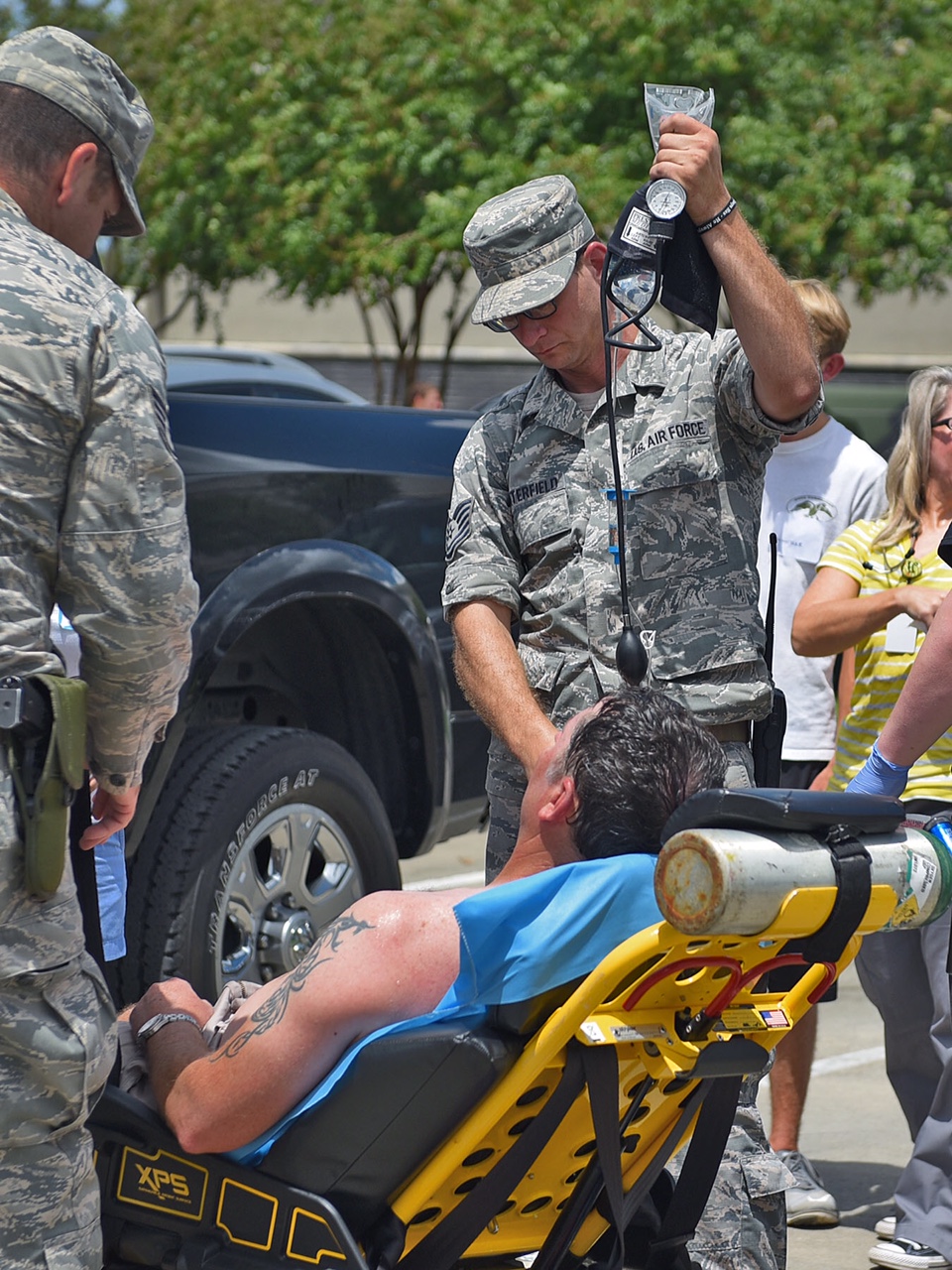
Prevention of heat exhaustion rests on a combination of personal habits and public-health infrastructure. At the individual level, wearing loose, lightweight clothing, avoiding strenuous activity during peak heat, maintaining steady fluid intake, and allowing the body time to gradually acclimatize to hot conditions all reduce the thermal load placed on the thermoregulatory system. On a community scale, issuing heat warnings and operating cooling centers during extreme weather events provide a safety net for those who cannot protect themselves. When heat exhaustion does occur, immediate treatment centers on three actions: moving the person to a cooler environment, rehydrating them, and actively cooling the body. The urgency of this response cannot be overstated. Left untreated, heat exhaustion can progress to heat stroke, a life-threatening condition in which core temperature climbs above 40 °C and the central nervous system begins to fail—manifesting as delirium, confusion, loss of consciousness, or seizures. Without prompt recognition and intervention, the cascade can lead to multi-organ failure and death. The window between exhaustion and stroke is narrow, and acting within it is what separates a recoverable episode from a fatal one.
Gallery




Frequently Asked Questions
What is Heat exhaustion?
Heat exhaustion is a moderate heat-related illness that strikes when the body's thermoregulatory systems become overwhelmed, typically during hot weather or intense physical exertion. It occupies a middle position on the severity spectrum, sitting above milder conditions like heat cramps and heat syncope but well below the far more dangerous heat stroke.
What are Heat exhaustion's signature symptoms?
The hallmark signs include profuse sweating, weakness, dizziness, headache, nausea, and dropping blood pressure, all driven by dehydration and electrolyte loss in the blood. During an episode the body can shed one to two liters of sweat per hour while redirecting up to eight liters of blood per minute to the skin in a desperate attempt to shed heat.
How is Heat exhaustion different from Heat stroke?
The critical distinction is that in heat exhaustion the core body temperature remains between 37 °C and 40 °C (98.6 °F to 104 °F) and the central nervous system stays intact. Heat stroke, by contrast, pushes the core past 40 °C and introduces neurological dysfunction, turning the situation into a life-threatening emergency.
Why has Heat exhaustion become more common in recent years?
Prolonged and increasingly intense heat waves, fueled by climate change and steadily rising global temperatures, have pushed more people's cooling mechanisms past their limits. This has turned what was once a seasonal nuisance into a growing public-health concern in both urban and outdoor-work settings.
How does a Heat exhaustion episode typically resolve?
Because it is a moderate condition, prompt removal from the heat, rehydration with fluids and electrolytes, and adequate rest usually allow the body's thermoregulation to recover without lasting damage. If left untreated, however, or if the core temperature climbs above 40 °C, the situation can escalate into full heat stroke.
More in Effects of External Causes 1-24
Spotted an error? Know more?
Reader corrections go straight into our review queue. Suggest an edit · How this site is sourced