
Altitude sickness
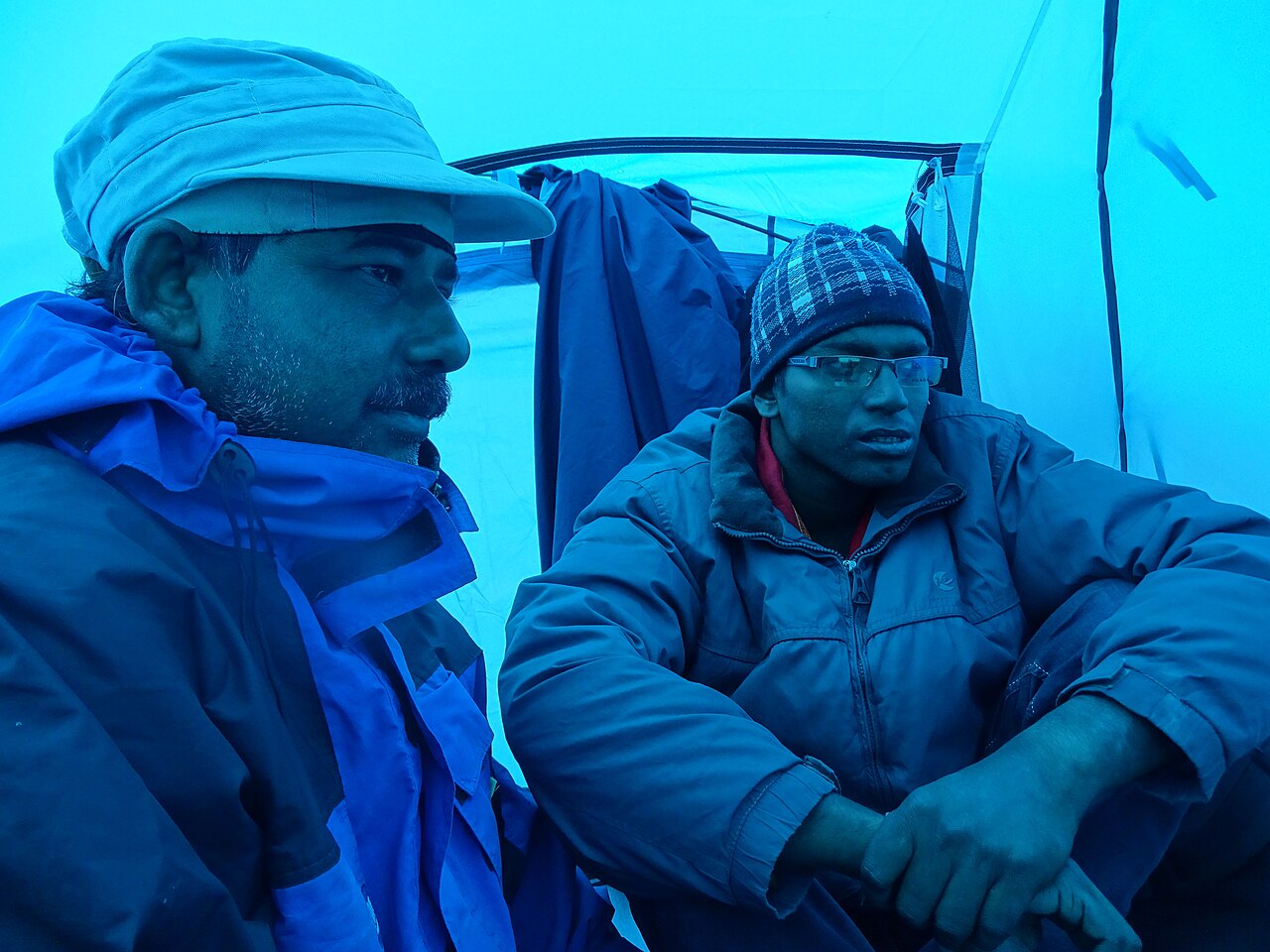
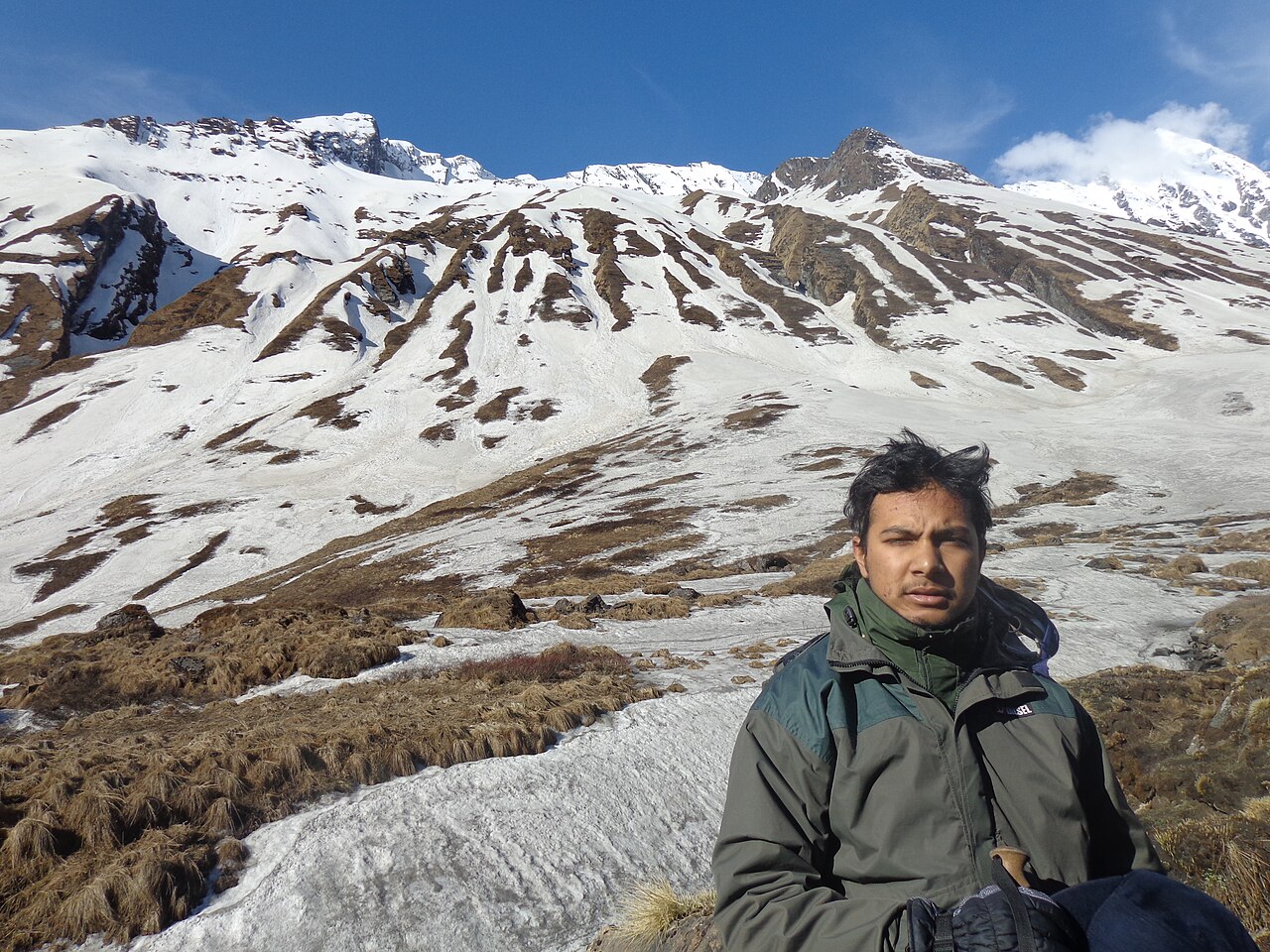
Altitude sickness is a harmful effect of rapid high-altitude exposure.

Adarsha005 · CC BY-SA 4.0
Altitude sickness is a harmful effect of high altitude caused by rapid exposure to low amounts of oxygen at high elevation. The mildest form is acute mountain sickness (AMS), which can progress to life-threatening conditions such as high-altitude pulmonary edema (HAPE) or high-altitude cerebral edema (HACE). Chronic mountain sickness may occur after long-term exposure to high altitude.
Quick Facts
- Field
- Emergency medicine
- Symptoms
- Headache, vomiting, feeling tired, trouble sleeping, dizziness
- Complications
- High-altitude pulmonary edema (HAPE), / high-altitude cerebral edema (HACE)
- Onset
- Within 24 hours
- Types
- Acute mountain sickness, high-altitude pulmonary edema, high-altitude cerebral edema, chronic mountain sickness
- Causes
- Low amounts of oxygen at high elevation
- Risks
- Prior episode, high degree of activity, rapid increase in elevation
- Diagnosis
- Based on symptoms
- Differential
- Exhaustion, viral infection, hangover, dehydration, carbon monoxide poisoning
- Prevention
- Gradual ascent
- Treatment
- Descent to lower altitude, sufficient fluids
- Medication
- Ibuprofen, acetazolamide, dexamethasone, oxygen therapy
Facts from the source article.
Lore & Background
Altitude sickness typically occurs only above 2,500 metres (8,000 ft), though some people are affected at lower altitudes. Symptoms include headaches, vomiting, tiredness, confusion, trouble sleeping, and dizziness. The earliest known description is attributed to a Chinese text from around 30 BCE that mentions 'Big Headache Mountains', possibly referring to the Karakoram Mountains around Kilik Pass. People have different susceptibilities; being physically fit does not decrease the risk. Diagnosis is based on symptoms, and it is recommended that at high altitude any headache, nausea, shortness of breath, or vomiting be assumed to be altitude sickness.
Reader's Guide
Altitude sickness is notable for its potential to progress rapidly from mild AMS to fatal conditions like HAPE or HACE. The only definite and reliable treatment for severe AMS, HACE, and HAPE is immediate descent until symptoms resolve. Other treatments, such as oxygen therapy, portable hyperbaric bags, ibuprofen, acetazolamide, or dexamethasone, may help but have not been well studied. Prevention focuses on gradual ascent—no more than 300 metres (1,000 ft) per day. AMS occurs in about 20% of people after rapidly going to 2,500 metres and in 40% after going to 3,000 metres. HAPE occurs more often in males, while AMS and HACE occur equally in males and females. The condition underscores the physiological challenges of high altitude, where decreased oxygen pressure leads to hypoxia, increased ventilation, and potential edema in the lungs or brain.
Did You Know?
- Altitude sickness can first occur at 1,500 metres (4,900 ft), with severe effects above 5,500 metres (18,000 ft).
- HAPE can progress rapidly and is often fatal, with symptoms including pink, frothy sputum.
- The earliest known description of altitude sickness is from a Chinese text around 30 BCE.
The Spectrum of Symptoms and Dangerous Progression
Altitude sickness presents a troubling gradient of symptoms that can escalate from manageable discomfort to life-threatening crisis. The mildest manifestation, acute mountain sickness, typically announces itself within roughly ten hours of a rapid ascent, with sufferers experiencing headaches, nausea, dizziness, fatigue, disrupted sleep, and mental confusion. These symptoms generally ease within a couple of days, yet physical exertion at altitude can sharpen them considerably. The danger lies in progression. If left unchecked, the condition can deteriorate into high-altitude pulmonary edema, where fluid accumulates in the lungs, producing a persistent dry cough that may worsen into pink, frothy sputum, alongside severe breathlessness even at complete rest. Alternatively, it can evolve into high-altitude cerebral edema, marked by a headache unresponsive to painkillers, unsteady walking, visual disturbances, loss of coordination, and a gradual slide toward unconsciousness. Both edematous forms carry a genuine risk of coma or death, making early recognition of warning signs critical for survival.
Physiological Roots and the Mystery of Edema
At its core, altitude sickness stems from the body's inability to acclimate quickly enough to the reduced partial pressure of oxygen that accompanies rising elevation. Although the percentage of oxygen in the atmosphere remains roughly constant at about twenty-one percent, the overall air pressure drops as one climbs, meaning fewer oxygen molecules are available per breath to sustain mental and physical function. Dehydration, driven by accelerated water-vapor loss through the lungs at higher elevations, may compound the problem. The most lethal complications—cerebral and pulmonary edema—remain only partially understood. Current thinking suggests that cerebral edema arises when hypoxia triggers localized widening of brain blood vessels, flooding capillaries with excess pressure. Pulmonary edema, by contrast, may result from widespread constriction of lung vasculature combined with sustained cardiac output, again driving capillary pressures beyond safe limits. The precise mechanisms behind these fluid accumulations have not been definitively resolved, leaving a gap in our understanding of what makes one person's lungs or brain vulnerable while another's remain intact.
Prevention, Treatment, and the Primacy of Descent
The single most effective strategy against altitude sickness is patience: ascending no faster than roughly three hundred metres per day gives the body time to adapt. Adequate fluid intake further supports this acclimatization process. For mild symptoms, over-the-counter anti-inflammatories such as ibuprofen, the carbonic anhydrase inhibitor acetazolamide, or the corticosteroid dexamethasone can provide meaningful relief. In more serious situations, supplemental oxygen or a portable hyperbaric bag can buy time when immediate descent is impractical. However, no medication or device replaces what medicine regards as the only truly definitive intervention: descending to a lower elevation until symptoms resolve. This principle holds for acute mountain sickness, cerebral edema, and pulmonary edema alike. Dexamethasone, for instance, may temporarily ease cerebral edema symptoms just enough to allow a patient to walk down under their own power, but it is a bridge, not a cure. Notably, other therapeutic approaches remain poorly studied, and physical fitness offers no protective advantage against the condition.
Ancient Warnings, Modern Epidemiology, and Individual Variation
The recognition that high mountains could make humans ill stretches back to approximately thirty BCE, when a Chinese text referenced 'Big Headache Mountains,' a description that likely pointed to the Karakoram range near Kilik Pass. Modern epidemiology confirms how common the condition is: roughly one in five people who rapidly reach 2,500 metres will experience acute mountain sickness, and that figure climbs to about forty percent at 3,000 metres. Interestingly, acute mountain sickness and cerebral edema affect men and women at equal rates, whereas pulmonary edema strikes males more frequently. A person's susceptibility is shaped by multiple variables—previous episodes, the speed of ascent, the degree of physical exertion, and innate physiological traits. Research indicates that individuals who naturally maintain a lower end-tidal carbon dioxide level and higher oxygen saturation are less prone to acute symptoms. Crucially, being in peak physical condition does not confer any measurable protection, a fact that continues to surprise and caution even experienced mountaineers.
Gallery
Frequently Asked Questions
Who is Altitude sickness?
Altitude sickness is a harmful physiological effect that strikes when a person ascends rapidly above roughly 2,500 metres, where thin air delivers less oxygen to the body. Rather than a single ailment, it is a spectrum of altitude-related harm ranging from mild discomfort to fatal organ damage.
What are Altitude sickness's powers/role?
Its main 'abilities' include acute mountain sickness (headache, nausea, fatigue), which can escalate into high-altitude pulmonary edema or high-altitude cerebral edema—both potentially lethal. Prolonged residence at high elevation can also produce a separate chronic mountain-sickness syndrome.
Why is Altitude sickness important?
It affects roughly 20 % of people who rapidly climb to 2,500 m and about 40 % at 3,000 m, making it one of the most common altitude-related medical events. Key risk factors in its 'backstory' include a prior episode, intense physical exertion, and a steep rate of elevation gain.
When was Altitude sickness first described in canon?
The earliest known written account appears in a Chinese text dating to around 30 BCE, which references the 'Big Headache Mountains.' That record predates modern Western medical descriptions by more than two millennia.
More in Effects of External Causes 1-24
Spotted an error? Know more?
Reader corrections go straight into our review queue. Suggest an edit · How this site is sourced