Cyprus brandy
Cypriot brandy, lower in alcohol, sweetish, and historically smuggled during trade disruptions.

Cyprus brandy is a type of brandy produced on the Mediterranean island of Cyprus. Its production started in 1871, led by Demetris and Demosthenis Haggipavlu, sons of winemaker Christodoulos Haggipavlu. The brandy is made through double distillation of white wines based on the xynisteri grape, a variety native to Cyprus.
The winemaking firm ETKO, founded by the elder Haggipavlu in 1844, split into two subsidiaries in 1947: ETKO Ltd handled wines, while Haggipavlu Co. took over spirits. In 1875, English explorer Samuel Baker recorded that 467,711 okes of "Rakı, or native Brandy" were produced in the Limassol District alone. Brandy production grew under British rule, and by 1928, seven distilleries operated on the island—three in Limassol, three in Nicosia, and one in Larnaca. Average annual brandy production for the five years ending in 1926 was 1,380,000 gallons. Trade disruptions during the formation of Northern Cyprus and a general ban on trade with the north (not a brandy-specific ban) led to smuggling of the spirit to the north.
Most Cyprus brandies have an alcohol content of about 32% by volume, lower than the 36% European standard. In 2001, EU authorities required changes to Cypriot brandy production for it to keep the "brandy" label in the European Union. Some varieties are stronger, such as KEO Five Kings at 40%. The brandy has a characteristic sweetish tinge and a lingering aftertaste. Distillation remains widespread, especially in the Limassol district.
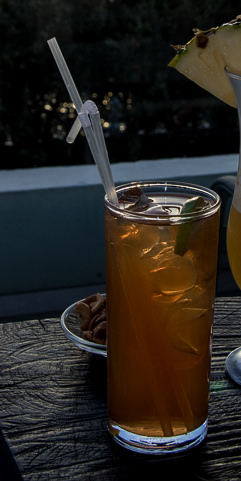
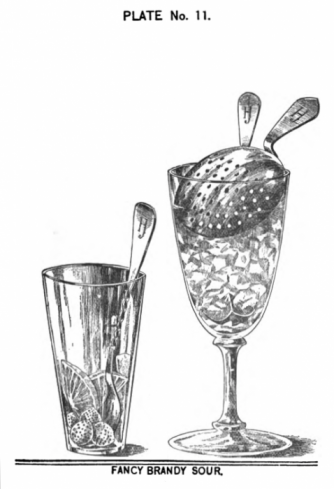
Cyprus brandy is the base for the brandy sour cocktail, which legend says was invented when King Farouk of Egypt visited Cyprus and wanted a drink that looked like nonalcoholic iced tea. It is considered the national cocktail of Cyprus.
- Origin
- Cyprus
- Type
- Brandy
- Alcohol by volume
- Around 32% (some varieties up to 40%)
- Key ingredient
- Xynisteri grapes
- First production year
- 1871
- Notable producer
- Haggipavlu Co. (spirits subsidiary, formed 1947)
Lore & Background
The production of brandy on Cyprus began in 1871 under the leadership of winemaker Christodoulos Haggipavlu's sons Demetris and Demosthenis Haggipavlu. ETKO, the winemaking firm founded by the elder Haggipavlu in 1844, split into two subsidiaries in 1947, with ETKO Ltd focusing on wines and Haggipavlu Co. focusing on spirits. Data from English explorer Samuel Baker revealed that in 1875 the volume of 'Rakı, or native Brandy' produced in the Limassol District alone amounted to 467,711 okes. Brandy production expanded during British administration, and by 1928 there were seven distilleries on Cyprus: three at Limassol, three at Nicosia, and one at Larnaca. The average production for the five years ending in 1926 was 1,380,000 gallons. Disruption during the formation of Northern Cyprus and a general ban on trade with the north (not a brandy-specific ban) led to brandy smuggling to the North.
Reader's Guide
Cyprus brandy holds significance as a distinct regional spirit with a history dating to 1871. Unlike most European brandies, Cyprus brandies tend to be around 32% alcohol by volume, slightly lower than the 36% European standard. Some are stronger, such as KEO Five Kings at 40%. They possess a characteristic sweetish tinge with a lingering aftertaste. In 2001, European Union authorities demanded changes to brandy production in Cyprus if the product were to continue being labeled as 'brandy' in the EU. The brandy forms the base for the brandy sour cocktail, legendarily invented when King Farouk of Egypt visited Cyprus and desired a drink that would visually resemble nonalcoholic iced tea; it is considered the national cocktail of Cyprus. Its legacy includes both legal production and smuggling due to political disruptions.
Did You Know?
- Cyprus brandy production began in 1871 under the sons of winemaker Christodoulos Haggipavlu.
- Cyprus brandies are typically around 32% alcohol by volume, lower than the 36% European standard.
- The brandy sour cocktail, considered the national cocktail of Cyprus, was legendarily invented for King Farouk of Egypt.
A Crossroads of Flavors: Cypriot Cuisine's Layered Heritage
Cypriot cooking sits at a crossroads of civilizations. The island's proximity to Turkey and Greece means those two traditions leave deep marks on every plate, while its Mediterranean position pulls in flavors from the Levant. Even the name "halloumi" — the cheese that has become the island's most recognizable culinary export — traces its roots to Arabic. This layered inheritance shows up in dish names that often carry parallel identities: pastitsio becomes macaronia tou fournou or fırında makarna; keftedes doubles as köfte; spanakopita is also called ispanak böreği. The result is a cuisine that refuses to be pinned to a single national story, instead weaving together Greek, Turkish, and broader Mediterranean threads into something distinctly Cypriot. From the spice racks to the serving styles, the kitchen speaks in multiple languages at once.
Charcoal, Skewers & the Ritual of the Grill
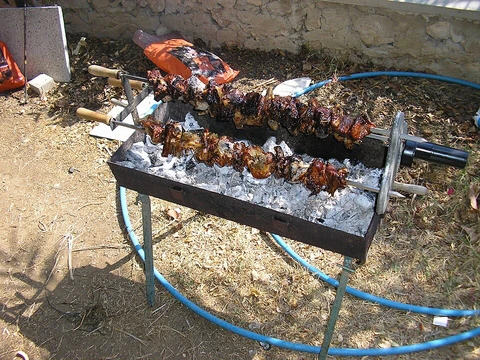
Charcoal grilling is central to Cypriot food culture. Skewered meats — pork, lamb, kid, beef, chicken — are cooked over open coals and known as souvla, souvlaki, or şiş, the name itself referencing the metal skewers. Sheftalia, a sausage of lamb or pork wrapped in caul fat, is a grill staple, alongside grilled halloumi and mushrooms. Greek Cypriots add loukaniko, a pork sausage, to the lineup. These grilled items are typically tucked into pita or thin flatbread with a fresh salad of cabbage, parsley, sliced onion, tomato, and cucumber. Gyros, or döner, offer a different cut — thin slices rather than chunks — and a distinct flavor profile shaped by the dressings and salad they are served with. Even potatoes find their way onto the coals, wrapped in foil to become jacket-style sides that accompany the meat.
The Fasting Table & the Quiet Power of Pulses
The Orthodox Church's calendar of fasting days shapes Cypriot cooking in ways that go well beyond ritual. On these days, all animal products are set aside, and the kitchen pivots to pulses — beans, broad beans, peas, black-eyed beans, chickpeas, lentils — sometimes simmered in tomato sauce, more often simply dressed with olive oil and lemon. On the most austere days, even olive oil is forbidden. To compensate for the plainness, raw onion, raw garlic, and dried red chili are eaten alongside the dishes, a practice that is now fading. The broader pantry of legumes also feeds everyday cooking: fasolada, bulgur köfte (koupes or içli), and tarhana, a preserved peasant staple where cracked wheat is steamed, mixed with sour milk, dried, and stored for later rehydration in broth. These plant-based traditions ensure that even the simplest table carries depth and history.
Seafood, Meze & the Coastal Kitchen
Cyprus's long coastline makes seafood a pillar of the diet. Calamari, octopus, cuttlefish, red mullet, sea bass, and gilt-head bream all feature prominently. Octopus is slow-cooked into a stiffado with red wine, carrots, tomatoes, and onions. Calamari is either battered and fried in rings or stuffed whole with rice, cumin, cloves, and sometimes mint, then baked or grilled. Cuttlefish follows similar preparations, occasionally paired with spinach. Salt cod holds the title of the most traditional fish, historically baked in outdoor beehive ovens with potatoes and tomatoes. Salted herrings, once pulled whole from wooden barrels, were a staple until fresh alternatives became widespread. Fish meze — a spread of small entrées — often includes creative preparations like fish soufflé and croquettes, turning the catch into a communal, multi-course experience shared across the table.
Gallery
Frequently Asked Questions
What is Cyprus brandy?
Cyprus brandy is a spirit distilled on the Mediterranean island of Cyprus, typically sitting around 32% alcohol by volume, though some varieties push up to 40%. It is produced from white wines made with the xynisteri grape, a variety native to the island.
How is Cyprus brandy made?
The spirit goes through a double distillation of white xynisteri-based wines, a process that gives it a noticeably lower alcohol strength and a sweetish character compared to many other brandies. This gentler profile is one of the things that sets it apart in the broader Mediterranean spirit landscape.
Who started producing Cyprus brandy?
Demetris and Demosthenis Haggipavlu, sons of winemaker Christodoulos Haggipavlu, began the brandy production in 1871. Their family's winemaking operation, ETKO, had already been running since 1844, so the brandy line grew out of a long-established wine tradition.
Which company is associated with Cyprus brandy?
Haggipavlu Co. is the notable producer, having been spun off as a dedicated spirits subsidiary when the original ETKO firm split into two entities in 1947. Before that division, ETKO handled both the wine and the spirit operations under a single roof.
What makes Cyprus brandy historically interesting?
English explorer Samuel Baker recorded in 1875 that roughly 468,000 okes of what he called 'Rakı, or native Brandy' were being produced on the island, showing how established the trade was even then. The spirit also carries a reputation for being smuggled during periods of trade disruption, giving it a colorful and somewhat rebellious legacy.
More in Cypriot cuisine 1-24
Spotted an error? Know more?
Reader corrections go straight into our review queue. Suggest an edit · How this site is sourced