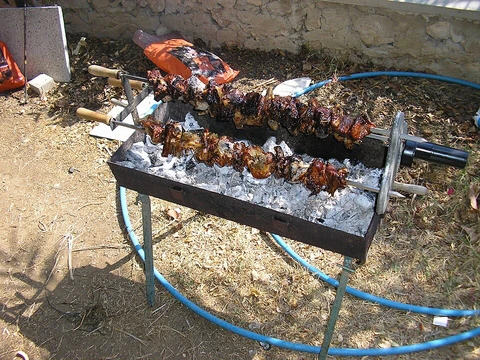
Ambelopoulia
Illegal Cypriot dish of trapped songbirds, served despite lax enforcement.

George M. Groutas · CC BY 2.0
Ambelopoulia (Greek: αμπελοπούλια) is a Cypriot dish made from songbirds that are grilled, fried, pickled, or boiled. It is a traditional food among native Cypriots and can be found on the menu at some local restaurants. However, the dish is against the law in Cyprus because it relies on trapping wild birds like blackcaps and European robins. The ban is not strictly enforced, so many eateries continue to serve it without facing penalties.
- Status
- Illegal in Cyprus under EU Birds Directive (1979) and national legislation
- Estimated annual kill
- Around 2–3 million birds per year
Lore & Background
The birds are trapped using either black, fine-mesh nylon fishing nets strung between planted acacia trees, with electronic bird calls luring them, or glue sticks made from local berries or birdlime placed on branches. Trappers defend the practice as traditional Cypriot food gathering and an important source of protein for thousands of years, though it has been illegal under the EU Birds Directive (1979) and national legislation. BirdLife Cyprus has identified restaurants as the main culprits, providing financial incentives for the poaching.
Reader's Guide
Ambelopoulia represents a significant conflict between cultural tradition and wildlife conservation. Despite being illegal since 1974, the dish remains popular among Cypriots and visitors, driving a profitable underground industry estimated at 5 million euro in 2011 and 15 million euro in 2015. The trapping methods are indiscriminate, killing internationally protected migratory birds, with an estimated 2.4 million birds killed in 2010 and over 2 million in 2015. The practice has evolved into a 'mafia-like operation' involving poachers, dealers, exporters, and restaurant operators. Enforcement has been lax, and protests against removal of acacia scrub have reduced the area from 56 hectares in 2014 to 36 hectares in 2016. The dish is typically eaten whole, entrails included, and unsuspecting diners may be served cheaper farmed birds like immature quails.
Did You Know?
- Trappers kill stuck birds with a toothpick to the throat.
- The birds sell for five euros each.
- Around 500,000–600,000 birds were killed on British territories Akrotiri and Dhekelia in autumn 2016 alone.
- The entrails are not removed because it is not cost-effective.
The Dish and Its Table Presence
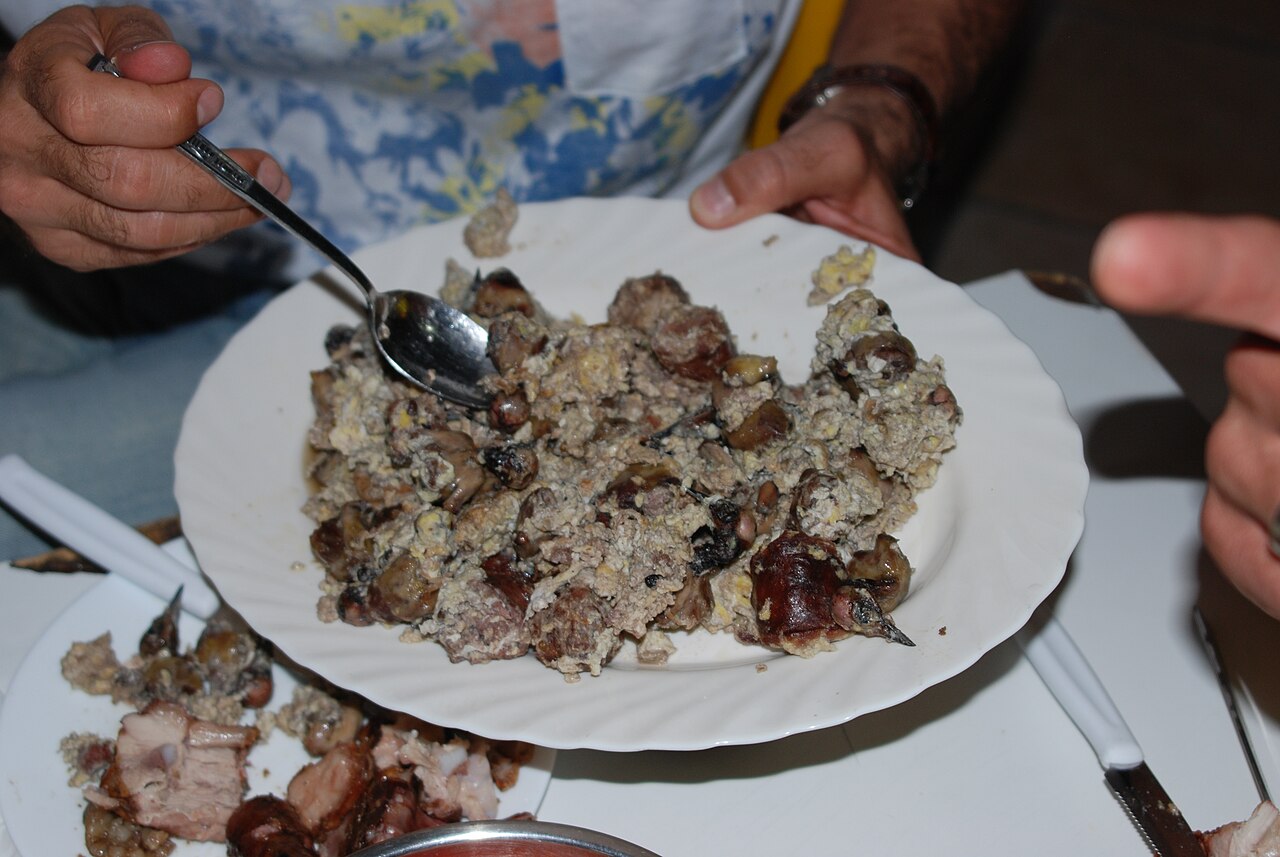
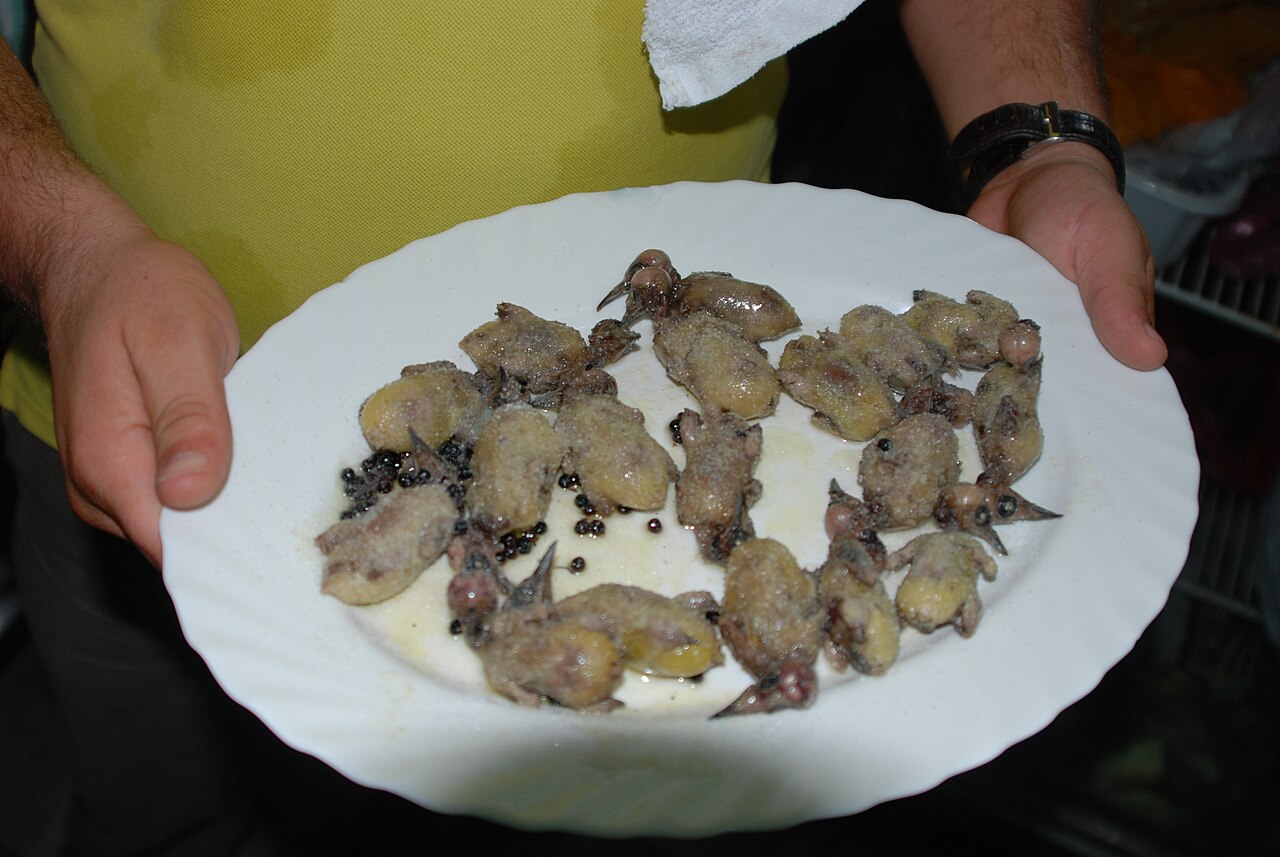
Ambelopoulia, a name drawn from the Greek word for songbirds, refers to a preparation of small wild birds cooked in various ways—grilled, fried, pickled, or boiled. It occupies a place in Cypriot culinary tradition as a dish enjoyed by native islanders and offered on the menus of certain local restaurants. The serving style is notably unrefined: because removing the entrails from such small birds is considered not worth the labor cost, diners are expected to swallow each bird whole. This practice draws a parallel to the historically notorious ortolan bunting tradition. The dish has also spawned a secondary market in deception, as some establishments have been known to substitute farmed birds, such as immature quails, for the wild specimens, offering a cheaper product to unsuspecting customers who may not realize what they are eating. Despite its illegal status, the appetite for ambelopoulia among both locals and visiting tourists has kept it firmly embedded in the island's food culture.
Methods of Capture
The trapping of birds for ambelopoulia relies on two principal techniques, both centered on planted acacia scrub that provides the necessary habitat. The first method involves stretching black, fine-mesh nylon fishing nets—deliberately chosen for their near-invisibility—between the acacia trees. Trappers then use electronic bird calls to draw songbirds into the mesh, where wings and legs become entangled. An alternative approach within this method is to have gravel trucked to the site and hurled at the base of the trees, startling the birds upward into the waiting nets. The second method is considerably more brutal in its mechanics: glue sticks, fashioned either from the berries of a local tree species or from commercial birdlime, are applied to tree branches. Any bird that lands on a coated stick becomes immobilized until the trapper returns, at which point it is killed with a toothpick driven to the throat. In many cases the adhesive holds so firmly that the bird's legs must be physically torn free. The acacia scrub itself has been under pressure; protests against its removal have helped preserve 36 hectares as of 2016, down from 56 hectares in 2014.
Legality, Scale, and the Failure of Enforcement
The practice of trapping wild songbirds for ambelopoulia has been illegal in Cyprus since 1974, yet enforcement remains remarkably weak. The species most commonly targeted include blackcaps and European robins, but because the trapping methods are indiscriminate, internationally protected migratory species are killed in large numbers as well. The scale of the toll is staggering: an estimated 2.4 million birds were killed across the island in 2010 alone. A 2014 report by BirdLife Cyprus documented that more than 1.5 million migrating songbirds are slaughtered each year, with the annual figure trending upward. By 2015, estimates placed the total above 2 million, including over 800,000 on the British sovereign base areas of Akrotiri and Dhekelia, with a further 800,000 lost there in autumn 2016. Despite the legal prohibition, many restaurants continue to serve the dish openly and without consequence. Trappers and their supporters frame the activity as a centuries-old tradition of Cypriot food gathering, a claim that stands in direct tension with the fact that the practice has been outlawed for decades.
The Illegal Economy Behind the Dish
The commercial machinery surrounding ambelopoulia has grown into what observers have described as a mafia-like operation. By 2011, the illegal trade involved a coordinated network of poachers, middlemen dealers, exporters, and restaurant operators working together in a supply chain estimated to be worth around 5 million euros. Individual birds reportedly sell for as little as five euros each, yet the cumulative revenue is enormous: Cypriot authorities estimated that criminal participants earned 15 million euros in 2015 alone. BirdLife Cyprus has pointed to restaurants as the primary financial drivers of the trade, arguing that the demand they generate provides the economic incentive that keeps poaching alive. The enthusiasm of both Cypriot diners and foreign visitors for the delicacy, despite its clear illegality, has transformed what was once a small-scale subsistence practice into a highly profitable underground industry. The numbers suggest the trade is expanding rather than contracting, with poaching activity on a clear upward trajectory in the years leading up to the mid-2010s.
Gallery
Frequently Asked Questions
What is Ambelopoulia?
Ambelopoulia is a traditional Cypriot dish made from small wild songbirds that are grilled, fried, pickled, or boiled. It still appears on the menus of some local restaurants across the island, even though preparing it is technically prohibited by law.
Which birds are used to make Ambelopoulia?
The dish relies on trapping wild songbirds, most commonly blackcaps and European robins. An estimated two to three million of these birds are killed every year for this purpose.
Is Ambelopoulia legal in Cyprus?
No; the practice violates the 1979 EU Birds Directive as well as Cypriot national legislation, making the trapping and sale of wild songbirds for food illegal. Enforcement, however, is notably lax, so many eateries continue to serve it without facing meaningful penalties.
How is Ambelopoulia typically prepared and served?
Cooks may grill, deep-fry, pickle in brine, or simply boil the birds, depending on regional tradition and personal preference. It is generally treated as a straightforward, rustic dish rather than an elaborate preparation.
Why does Ambelopoulia remain controversial?
The practice targets protected wild songbird species in the millions each year, raising serious conservation concerns. Critics argue that the weak enforcement of the ban effectively undermines Cyprus's obligations under European wildlife-protection law.
More in Cypriot cuisine 1-24
Spotted an error? Know more?
Reader corrections go straight into our review queue. Suggest an edit · How this site is sourced