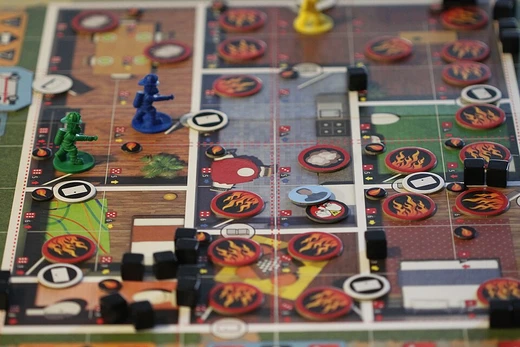
Cooperative board game
Players win or lose together against the game itself.

In a cooperative board game, players join forces toward a shared victory condition instead of competing against one another. The group either wins by reaching a specific goal or loses together—often because a certain event triggers the end before they can succeed. This is different from noncompetitive games like *The Ungame*, which have no victory conditions at all. It also excludes games where players form temporary teams or partnerships (such as *Axis & Allies* or Bridge), and pure tabletop role-playing games like *Descent: Journeys in the Dark*, which allow for open-ended outcomes and persistent characters. Even multiplayer conflict games like *Diplomacy* are not cooperative, since players can be eliminated and only one can ultimately win.
The roots of cooperative gaming go back to the early 20th century, when parents and teachers used such games in educational settings. In 1903, Elizabeth Magie patented *The Landlord’s Game*, inspired by Henry George’s philosophy. It included two rule sets: one competitive (the basis for Monopoly) and one cooperative. Magie intended this dual design to show that the cooperative rules were morally superior. In the 1950s, board game versions of the game shows *Beat the Clock* (1954) and *I’ve Got a Secret* (1956) appeared. Teacher Jim Deacove published the cooperative game *Together* in 1972 and founded Family Pastimes in 1972 in Perth, Ontario, a company that has released over 100 cooperative games—including the popular *Max the Cat*—and holds the trademark for the phrase “A Cooperative Game.” In 1976, Ken and Jann Kolsbun founded Animal Town in California, creating cooperative titles like *Save the Whales*, *Nectar Collector*, and *Dam Builders* (the company later became Child and Nature in 2003).
The 1980s saw several cooperative releases, including *The Wreck of the B.S.M. Pandora*, *Time Tripper*, and *Arkham Horror*. The *Sherlock Holmes: Consulting Detective* series (also 1980s) had players solving mysteries by tracing evidence together. Many adventure board games with role-playing elements—such as *Citadel of Blood*, *HeroQuest*, *Wizards*, *Advanced Heroquest*, and *Deathmaze*—were also published that decade.
- Earliest known example
- The Landlord's Game (1903)
- Early publisher
- Family Pastimes (founded 1972)
- Notable early designer
- Jim Deacove
- Notable modern designer
- Matt Leacock
- Award winning example
- Hanabi (Spiel des Jahres 2013)
- Heavyweight example
- Gloomhaven (2017, ~10 kg box)
Lore & Background
Early cooperative games were used by parents and teachers in educational settings. In 1903 Elizabeth Magie patented 'The Landlord's Game', inspired by the principles and philosophy of Henry George. Magie had two rule-sets: the Monopoly rules, in which players all vied to accrue the largest revenue and crush their opponents, and a co-operative set. Her dualistic approach was a teaching tool meant to demonstrate that the co-operative rules were morally superior. Teacher Jim Deacove published the cooperative game Together in 1972 and founded Family Pastimes in 1972 in Perth, Ontario, focusing exclusively on cooperative games. Family Pastimes has published over 100 board games including Max the Cat and holds the trademark for the phrase 'A Cooperative Game'.
Reader's Guide
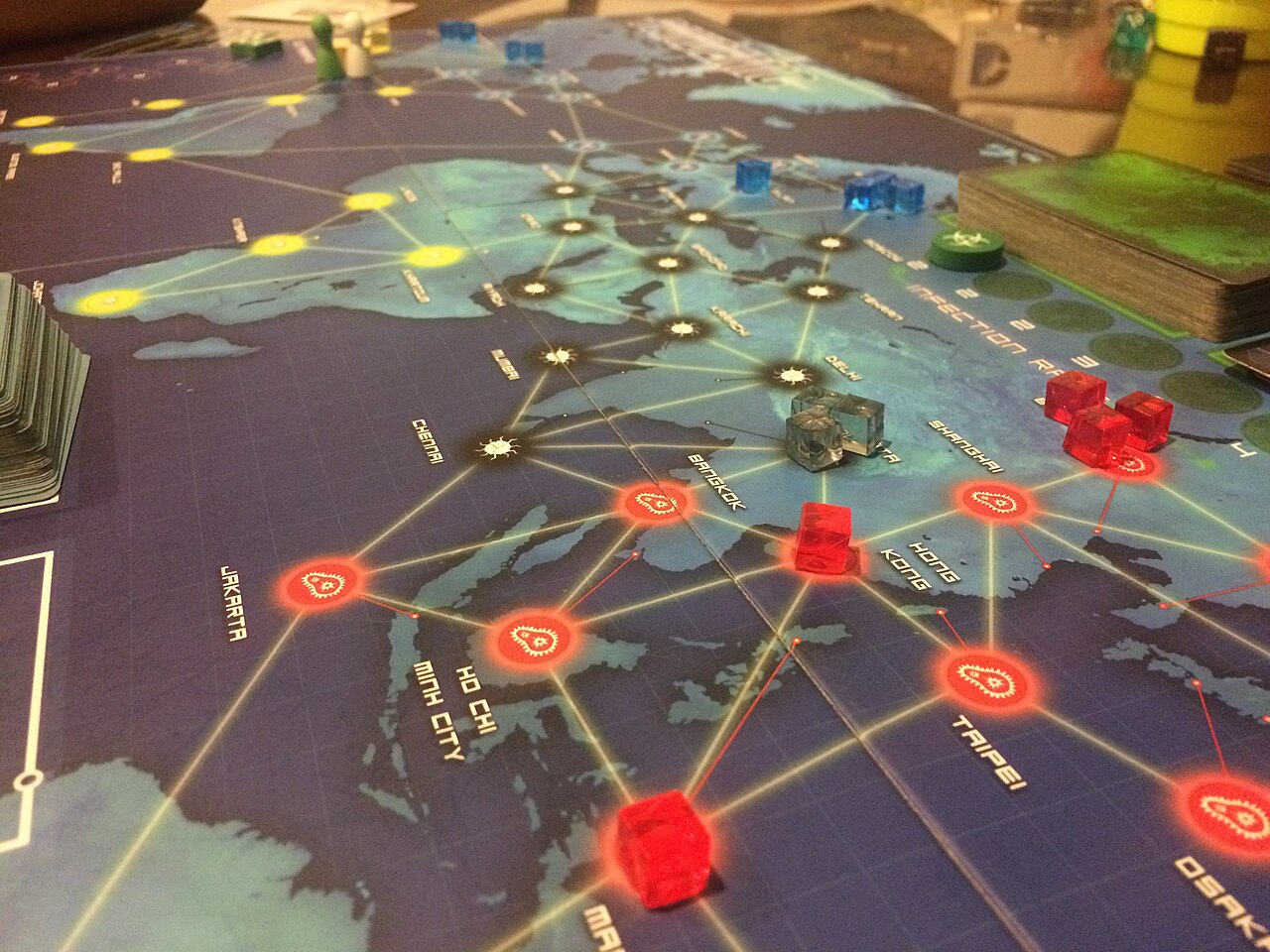
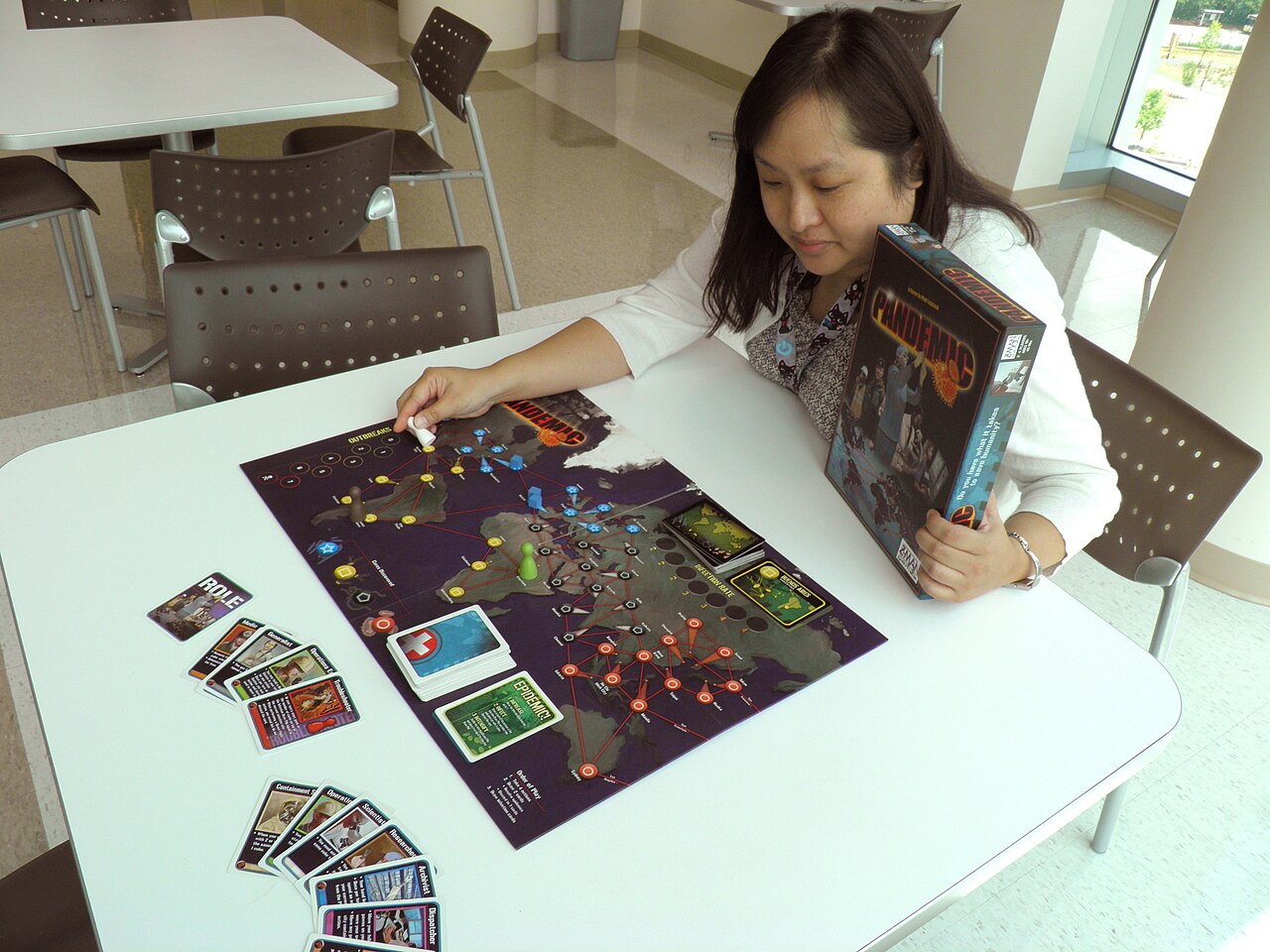
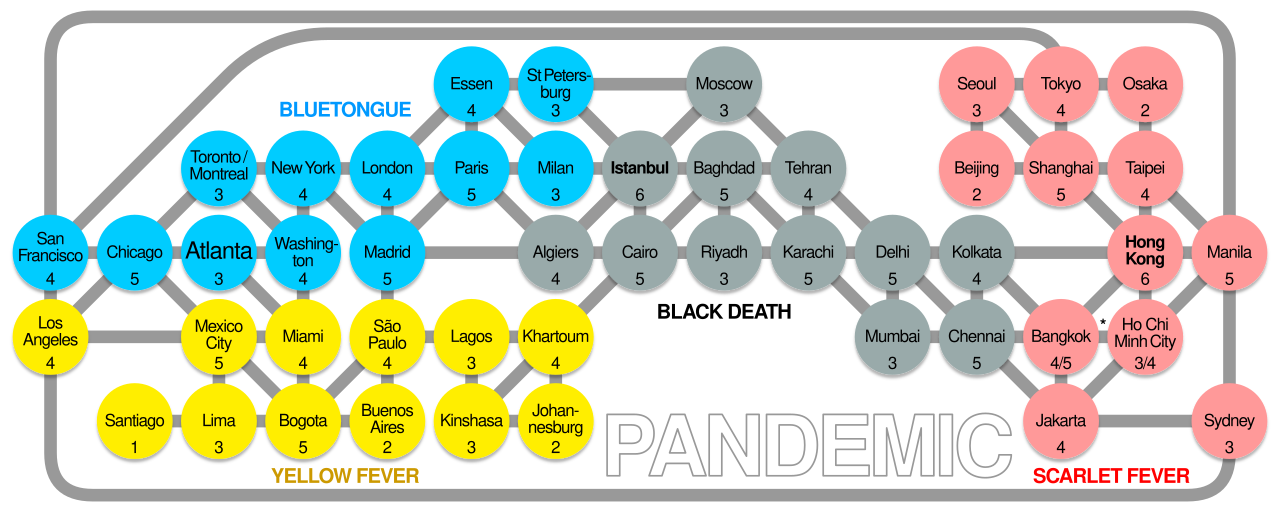
Cooperative board games represent a significant shift from traditional competitive play, emphasizing shared victory or defeat. Their development began with Elizabeth Magie's The Landlord's Game in 1903, which included cooperative rules as a moral lesson. The genre grew through educational efforts by Jim Deacove and Family Pastimes in the 1970s, and expanded in the 1980s with titles like Arkham Horror and Sherlock Holmes: Consulting Detective. The 21st century saw a surge in popularity with Reiner Knizia's Lord of the Rings (2000) and Matt Leacock's Pandemic (2008), which established cooperative play as a mainstream board game category. Modern titles like Gloomhaven (2017) have pushed the genre to new heights of complexity and commercial success, with Gloomhaven selling about 120,000 copies by early August 2018 and maintaining a top position in board game rankings. Researchers José P. Zagal, Jochen Rick, and Idris Hsi identified key characteristics of good cooperative games: they point out the folly of being competitive, allow players to make decisions without constant group input, help players identify consequences of actions, and reward selfless players with unique roles. The genre continues to evolve with popular recent releases including The Crew: The Quest for Planet Nine (2019), Forgotten Waters (2020), Sleeping Gods (2021), and Return to Dark Tower (2022).
Did You Know?
- The Landlord's Game (1903) by Elizabeth Magie included both competitive and cooperative rule sets, with the cooperative set intended to demonstrate moral superiority.
- Family Pastimes, founded in 1972, holds the trademark for the phrase 'A co-operative game'.
- Hanabi, a cooperative card game about creating a fireworks display, won the Spiel des Jahres award in 2013.
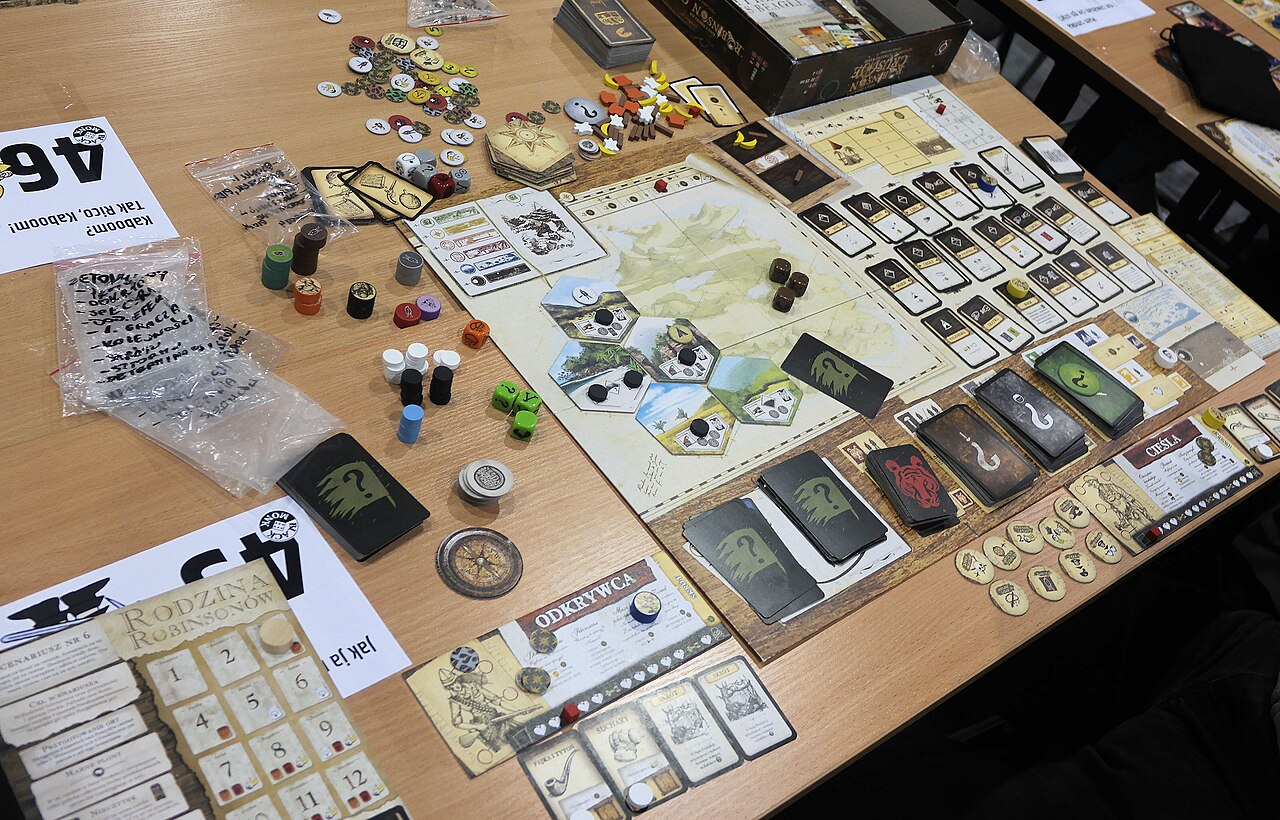
- Gloomhaven (2017) weighs almost 10 kilograms (22 lb) and contains over 1,500 cards.
Gallery
Frequently Asked Questions
What is a cooperative board game?
A cooperative board game is one in which every player works as a single team toward a shared objective rather than competing head-to-head. The group either hits the victory condition together or fails as a unit when a scripted event ends the round before they succeed.
What is the earliest known example of a cooperative board game?
The Landlord's Game, dating to 1903, is generally cited as the earliest known instance of cooperative board gaming. It predates the modern hobby era by almost a full century.
Who are notable designers in the cooperative board game space?
Jim Deacove is recognized as a key early designer in the category, and Matt Leacock is widely regarded as a leading modern voice in cooperative design. The genre also benefited from early publishing support through Family Pastimes, which was founded in 1972.
How does a cooperative board game differ from a noncompetitive or partnership-based game?
Unlike noncompetitive titles such as The Ungame, which carry no victory conditions whatsoever, a cooperative board game still demands the group reach a concrete goal to win. It also excludes games built around temporary alliances—like Axis & Allies or Bridge—because those still involve players competing in the larger structure.
What are some well-known examples of cooperative board games?
Hanabi, which took home the 2013 Spiel des Jahres, is a frequently cited lighter entry, while Gloomhaven (2017) represents the heavyweight extreme with its roughly 10 kg box. Together they show just how broad the cooperative design space can be.
More in Cooperative board games 1-24
Spotted an error? Know more?
Reader corrections go straight into our review queue. Suggest an edit · How this site is sourced