Abrasive
Materials that shape workpieces through controlled friction and wear.
Last updated

Challiyan · CC BY-SA 4.0
For industrial applications, abrasives are typically limited to synthetic minerals, with the exception of diamond and garnet.[1] Common abrasive minerals include various crystalline forms of aluminum oxide, silicon carbide, zirconium oxide, diamond, and cubic boron nitride.[1] Through friction, a workpiece can be shaped or finished by a material known as an abrasive, which wears away part of the workpiece during rubbing.[2]
Quick Facts
- Common forms
- Bonded abrasives (blocks, wheels) and coated abrasives (sandpaper, belts)
Facts from the source article.
Key facts and history
Materials used as abrasives are either hard minerals rated at 7 or above on the Mohs scale, or synthetic stones that may be chemically identical to natural minerals.[3] Diamond and corundum occur both naturally and are industrially produced, but softer minerals like calcium carbonate are also used as abrasives in toothpaste.[3] Historically, natural corundum was important, but modern industrial abrasives use synthetically produced aluminum oxide from bauxite ore.[1] Conventional abrasives were first introduced in the early 1900s and became the most common type used in wheels and coated abrasives.[1]
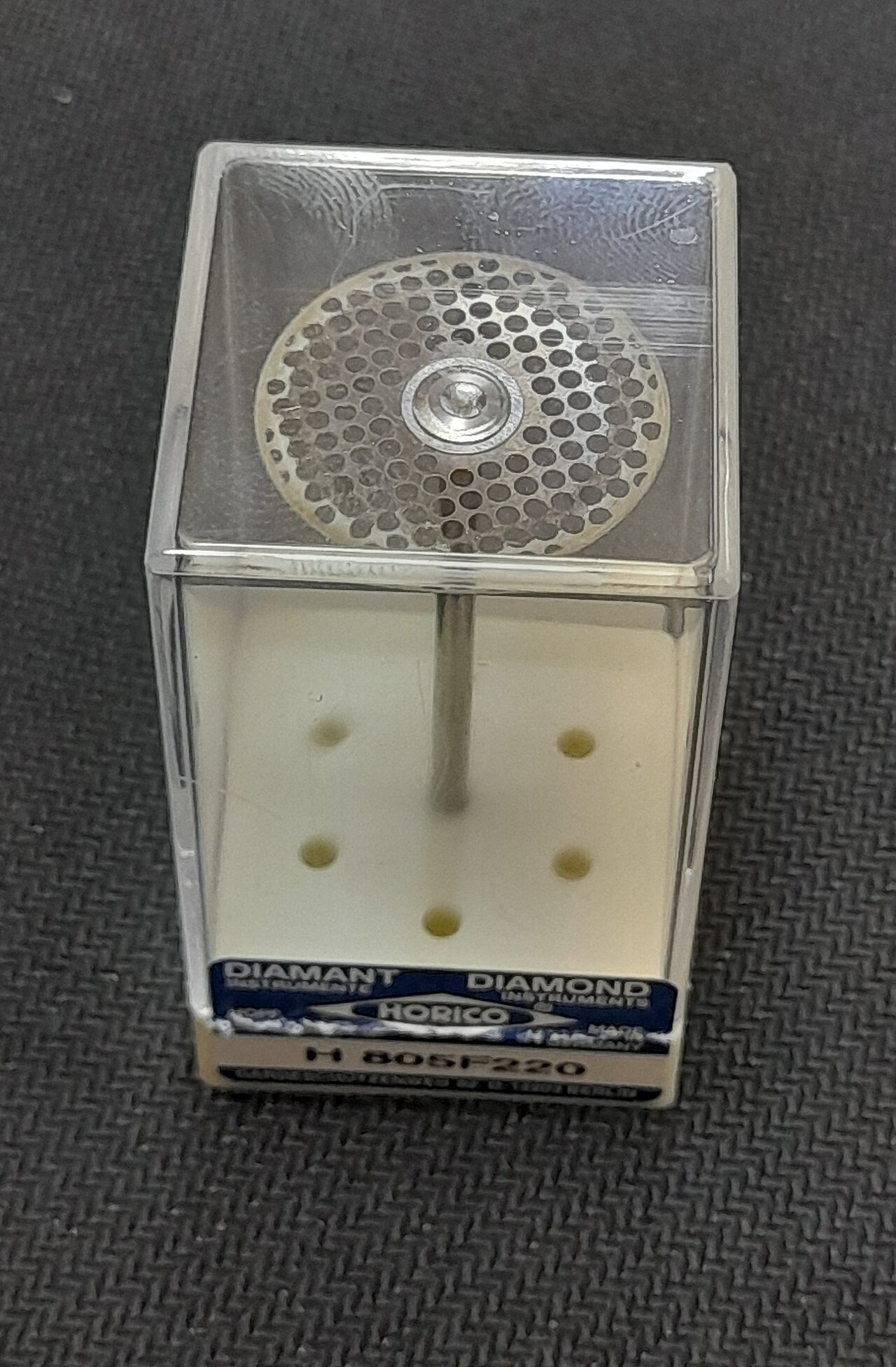
Grinding wheels are cylinders rotated at high speed, and the introduction of electric motors required them to withstand greater radial stress.[4] A lubricant, historically referred to as a coolant, is frequently required due to the high relative speed between the abrasive and the workpiece.[4] In processes like grinding, water-jet cutting, and sandblasting, silicon carbide powders serve as common abrasive materials.[5][6] Pastes or creams used in cleaning products may contain suspended abrasives, which are selected to be safe on certain linoleum, tile, metal, or stone surfaces.[7]
What the research sources say
The "Abrasives engineering glossary" states that abrasives range from silica or sand to garnet or aluminum oxide, and that density, relative hardness, cost, and friability determine an abrasive's usefulness.[1] The same glossary notes that precision from abrasive blasting can range from removing stencil lettering on semiconductor components to removing rust and paint from ship structures.[1] The Ross source also describes that silicon carbide sandpaper is the hardest and sharpest abrasive commonly used in many applications.[6] The glossary further reports that boron carbide is very friable, limiting its use in bonded and coated products, but it is commonly used in nozzles for abrasive water jet or sandblasting.[1]
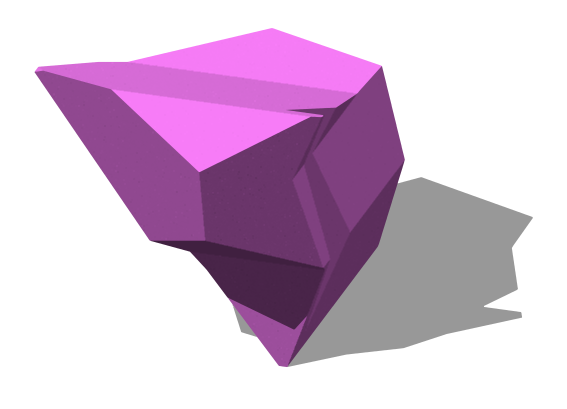
Ross's work "An Introduction to Silicon Carbide Abrasives" notes that silicon carbide material is frequently utilized as either a loose or solid abrasive across various applications.[6]

References
- "Abrasives engineering glossary". facts only, no text reused. abrasiveengineering.com
- Wikipedia, "Abrasive" (CC BY-SA 4.0), which cites: PALANNA, "ENGINEERING CHEMISTRY", Tata McGraw-Hill Education (original not read by us) en.wikipedia.org
- Wikipedia, "Abrasive" (CC BY-SA 4.0), which cites: "Abrasives engineering glossary" (we also read that source) en.wikipedia.org
- Wikipedia, "Abrasive" (CC BY-SA 4.0), which cites: Grinding Stresses, Grinding Wheel Institute, 1964 (original not read by us) en.wikipedia.org
- Wikipedia, "Abrasive" (CC BY-SA 4.0), which cites: Ross, "An Introduction to Silicon Carbide Abrasives", Advanced Ceramic Materials; Tsunenobu Kimoto, James A. Cooper, "Fundamentals of Silicon Carbide Technology: Growth, Characterization, Devices, and Applications", Wiley, 2014, p. 3 (we also read that source) en.wikipedia.org
- Ross, "An Introduction to Silicon Carbide Abrasives", Advanced Ceramic Materials. facts only, no text reused. preciseceramic.com
- Wikipedia, "Abrasive" (CC BY-SA 4.0), which cites: "Care of laminate surface" (original not read by us) en.wikipedia.org
Each numbered sentence above was checked against the source it cites before publication. Sentences citing Wikipedia adapt text from the English Wikipedia article Abrasive (contributors), used under CC BY-SA 4.0; this entry is available under the same licence. Other sources were used for facts only; no text or images are copied from them.
More in Construction & Materials
Sources
Compiled from Wikipedia and the sources listed below. Text from Wikipedia is available under CC BY-SA 4.0; this entry is adapted from it.
- Wikipedia: Abrasive (CC BY-SA 4.0).
- Word definitions: the Codexery glossary, each quoted from its Wikipedia article.
Spotted an error? Know more?
Reader corrections go straight into our review queue. Suggest an edit · How this site is sourced