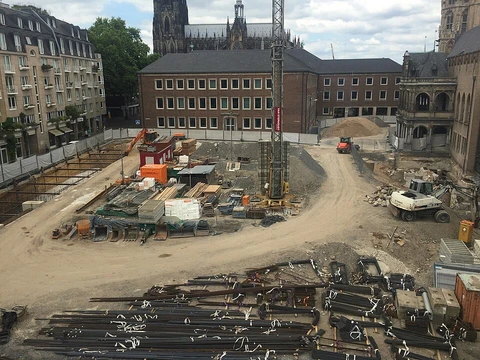
Cement
Binder that sets, hardens, and binds other materials together.
Last updated

Nnnjens · CC0
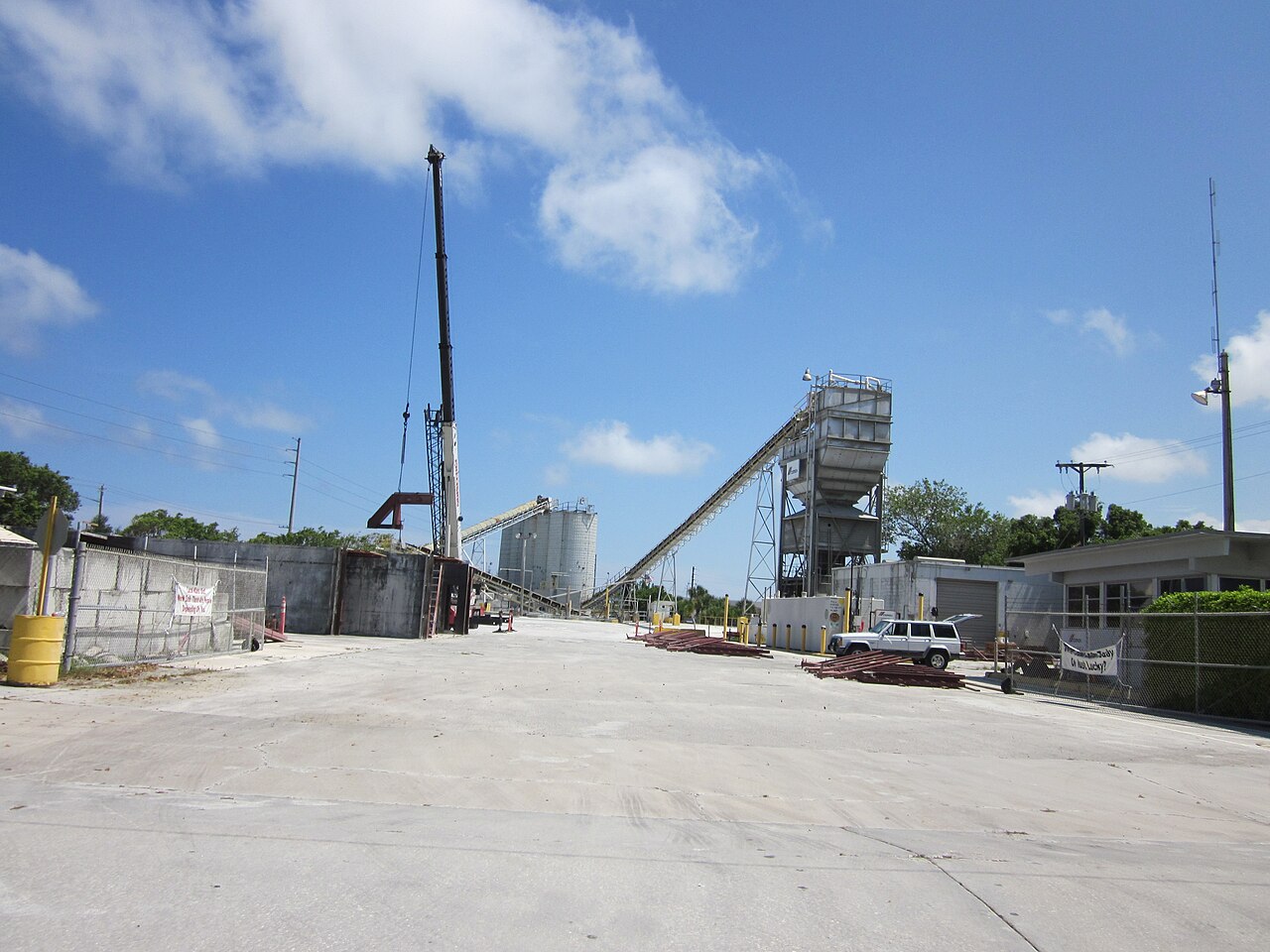
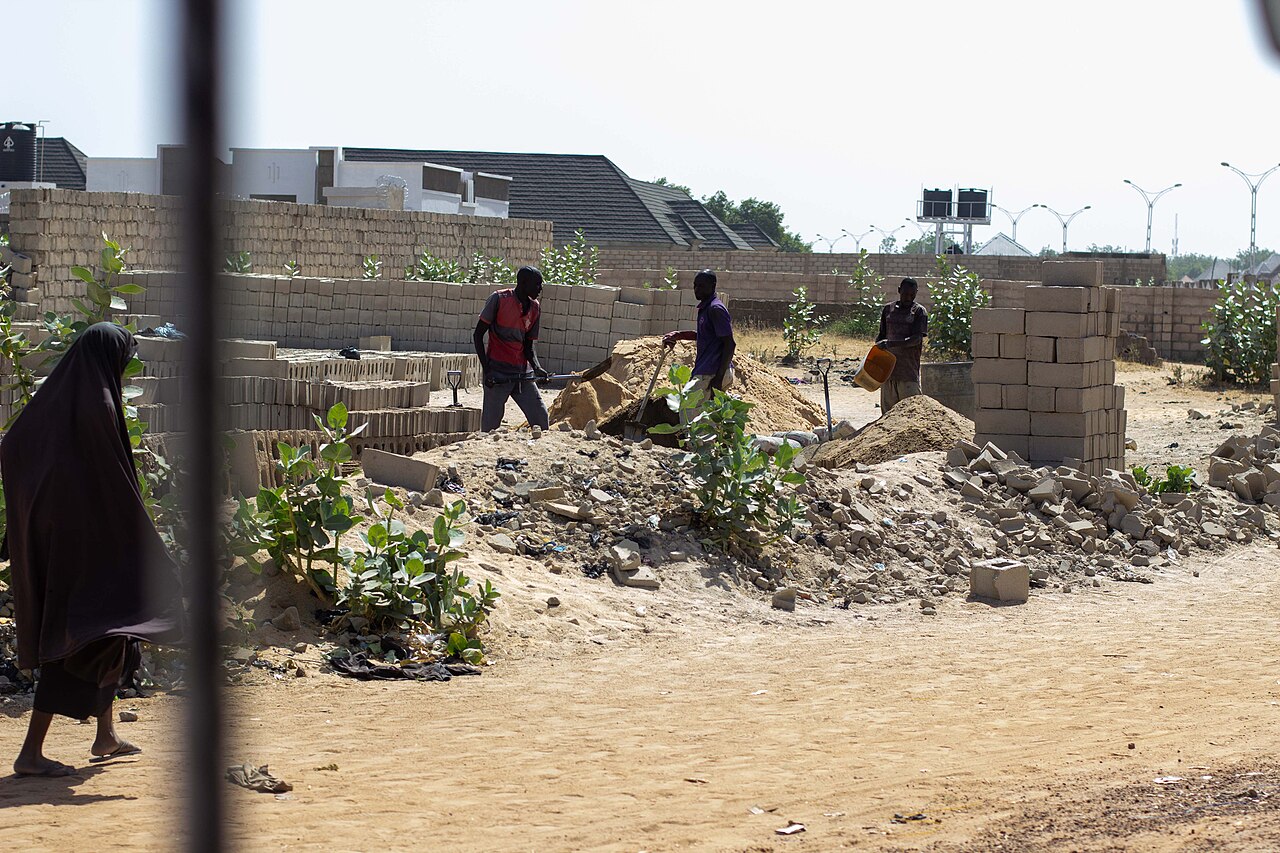
In construction, cement functions as a binder that sets and hardens, enabling it to stick to other materials and unite them.[1] Rather than being used by itself, cement is typically employed to join sand and gravel aggregate.[1] Concrete, which combines cement with sand and gravel, ranks as the second most consumed resource globally, surpassed only by water.[1]
Quick Facts
- Field
- Construction materials
- Known for
- Binding agent in concrete, the most widely used material after water
- Annual production
- About 4.4 billion tonnes (2021 estimate)
- Top producer
- China (about half of world production)
- Carbonation reabsorption
- Approximately 30% of initial CO2 emissions reabsorbed by hydrated products
Facts from the source article.
Key facts and history
The Romans used crushed volcanic ash with lime, a mixture called pozzolana that could set under water.[2] Joseph Aspdin patented Portland cement in 1824, named after Portland stone.[3] William Aspdin produced the first true alite-based modern Portland cement in the early 1840s.[4] Around twelve million years ago, a natural cement deposit formed when oil shale next to a limestone bed was ignited by natural fires.[5]
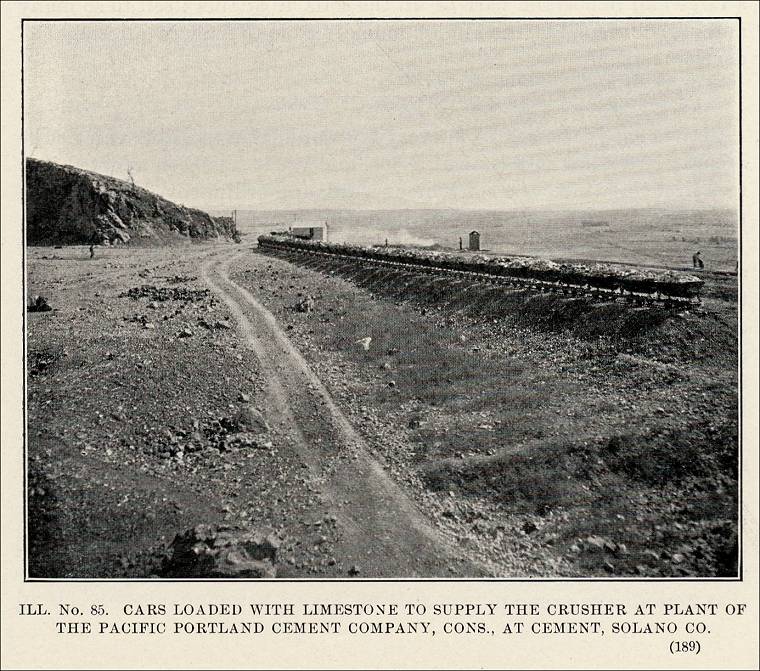
James Parker secured a patent in 1796 for "Roman cement," a product created by burning septaria nodules.[6][7] As of 2021, global cement output is estimated at roughly 4.4 billion tonnes annually, with China accounting for approximately half of that total.[8]

What the research sources say
A BBC News report states that cement is the source of about 8% of the world's carbon dioxide emissions.[9] The same report notes that if the cement industry were a country, it would be the third largest emitter in the world.[9] The BBC News account also says that annual emissions from cement will need to fall by at least 16% by 2030 to meet Paris Agreement requirements.[9] That same source notes that the Chinese used cementitious materials to hold bamboo together in their boats and in the Great Wall.[10]
The University of Illinois timeline records that Henri Le Chatelier established oxide ratios to prepare the proper amount of lime to produce Portland cement in 1887.[10]
References
- Wikipedia, "Cement" (CC BY-SA 4.0), which cites: Rodgers, "The massive emitter you may not know about", BBC News, 17 December 2018 (we also read that source) en.wikipedia.org
- Wikipedia, "Cement" (CC BY-SA 4.0), which cites: "How Natural Pozzolans Improve Concrete", Natural Pozzolan Association; Ridi, "Hydration of Cement: still a lot to be understood", La Chimica & l'Industria, April 2010, p. 110–117; Blezard, "Lea's Chemistry of Cement and Concrete", Elsevier, 12 November 2003, p. 1–24; "Pure natural pozzolan cement"; Rodgers, "The massive emitter you may not know about", BBC News, 17 December 2018; Russo, Ralph (2006) "Aqueduct Architecture: Moving Water to the Masses in Ancient Rome" , in Math in the Beauty and Realization of Architecture, Vol. IV, Curric (we al en.wikipedia.org
- Wikipedia, "Cement" (CC BY-SA 4.0), which cites: Francis, A.J. (1977) The Cement Industry 1796–1914: A History, David & Charles. , Ch. 5. (original not read by us) en.wikipedia.org
- Wikipedia, "Cement" (CC BY-SA 4.0), which cites: Hewlett, Peter, "Lea's Chemistry of Cement and Concrete", Butterworth-Heinemann, 2003, p. Ch. 1 (we also read that source) en.wikipedia.org
- Wikipedia, "Cement" (CC BY-SA 4.0), which cites: "The History of Concrete", Dept. of Materials Science and Engineering, University of Illinois, Urbana-Champaign (we also read that source) en.wikipedia.org
- Wikipedia, "Cement" (CC BY-SA 4.0), which cites: Francis, A.J. (1977) The Cement Industry 1796–1914: A History, David & Charles. , Ch. 2. (original not read by us) en.wikipedia.org
- Wikipedia, "Cement" (CC BY-SA 4.0), which cites: Blezard, "Lea's Chemistry of Cement and Concrete", Elsevier, 12 November 2003, p. 1–24 (original not read by us) en.wikipedia.org
- Wikipedia, "Cement" (CC BY-SA 4.0), which cites: "Cement", United States Geological Survey (USGS); "Making Concrete Change: Innovation in Low-carbon Cement and Concrete", Chatham House, 13 June 2018; "Cement", United States Geological Survey (USGS); Hargreaves, David, "The Global Cement Report 10th Edition", International Cement Review, March 2013 (original not read by us) en.wikipedia.org
- Rodgers, "The massive emitter you may not know about", BBC News, 17 December 2018. facts only, no text reused. bbc.com
- "The History of Concrete", Dept. of Materials Science and Engineering, University of Illinois, Urbana-Champaign. facts only, no text reused. matse1.matse.illinois.edu
Each numbered sentence above was checked against the source it cites before publication. Sentences citing Wikipedia adapt text from the English Wikipedia article Cement (contributors), used under CC BY-SA 4.0; this entry is available under the same licence. Other sources were used for facts only; no text or images are copied from them.
More in Construction & Materials
Sources
Compiled from Wikipedia and the sources listed below. Text from Wikipedia is available under CC BY-SA 4.0; this entry is adapted from it.
- Wikipedia: Cement (CC BY-SA 4.0).
- Word definitions: the Codexery glossary, each quoted from its Wikipedia article.
Spotted an error? Know more?
Reader corrections go straight into our review queue. Suggest an edit · How this site is sourced