Ceramic
Hard, brittle, heat-resistant materials made from fired inorganic substances.
Last updated

Goterrestrial · CC BY 4.0
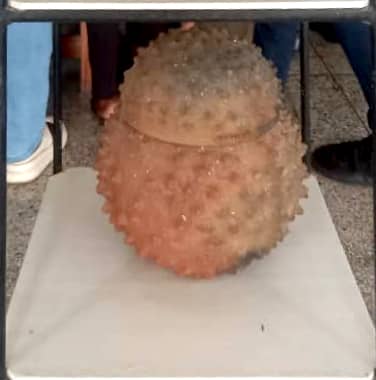
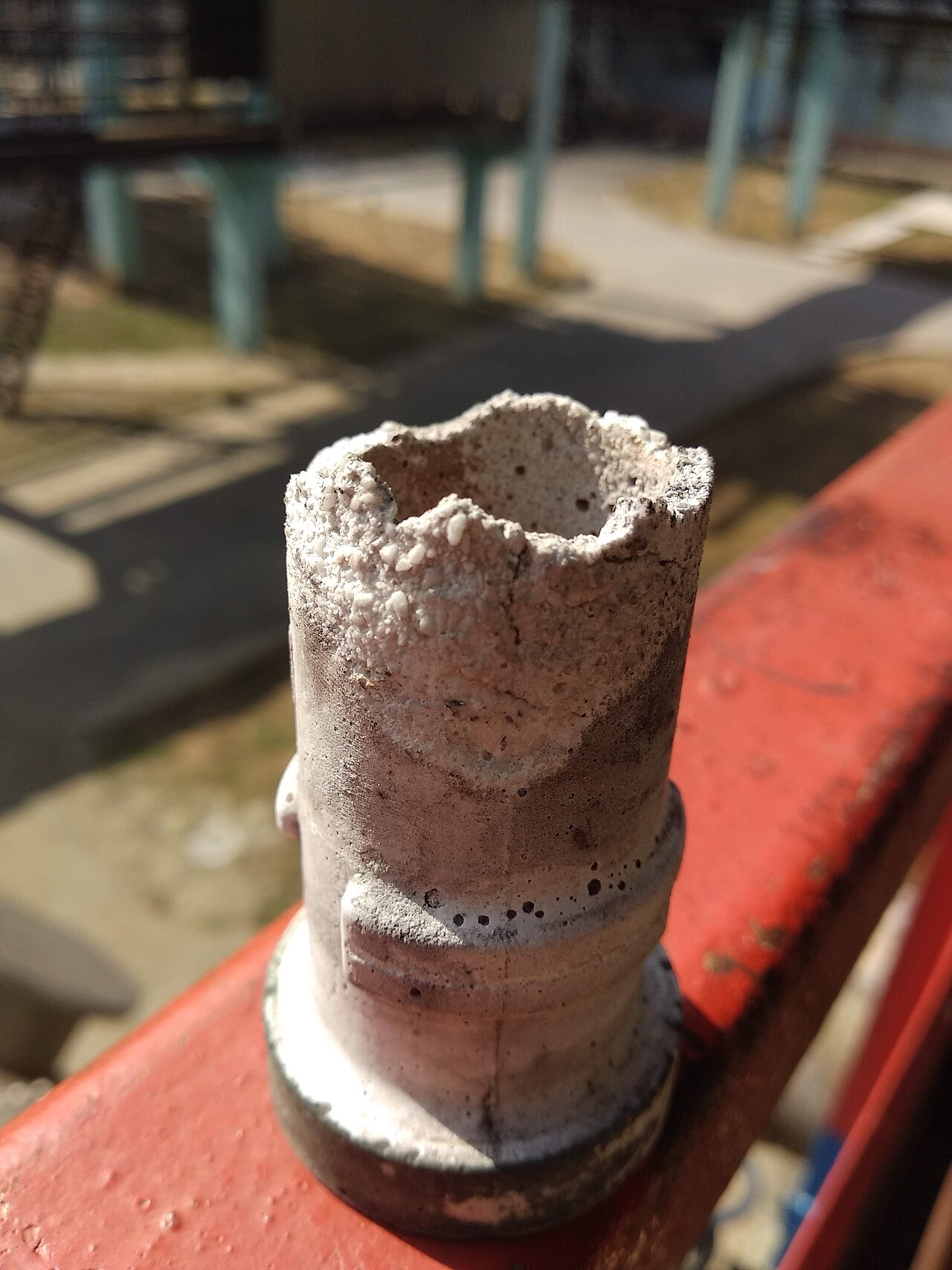
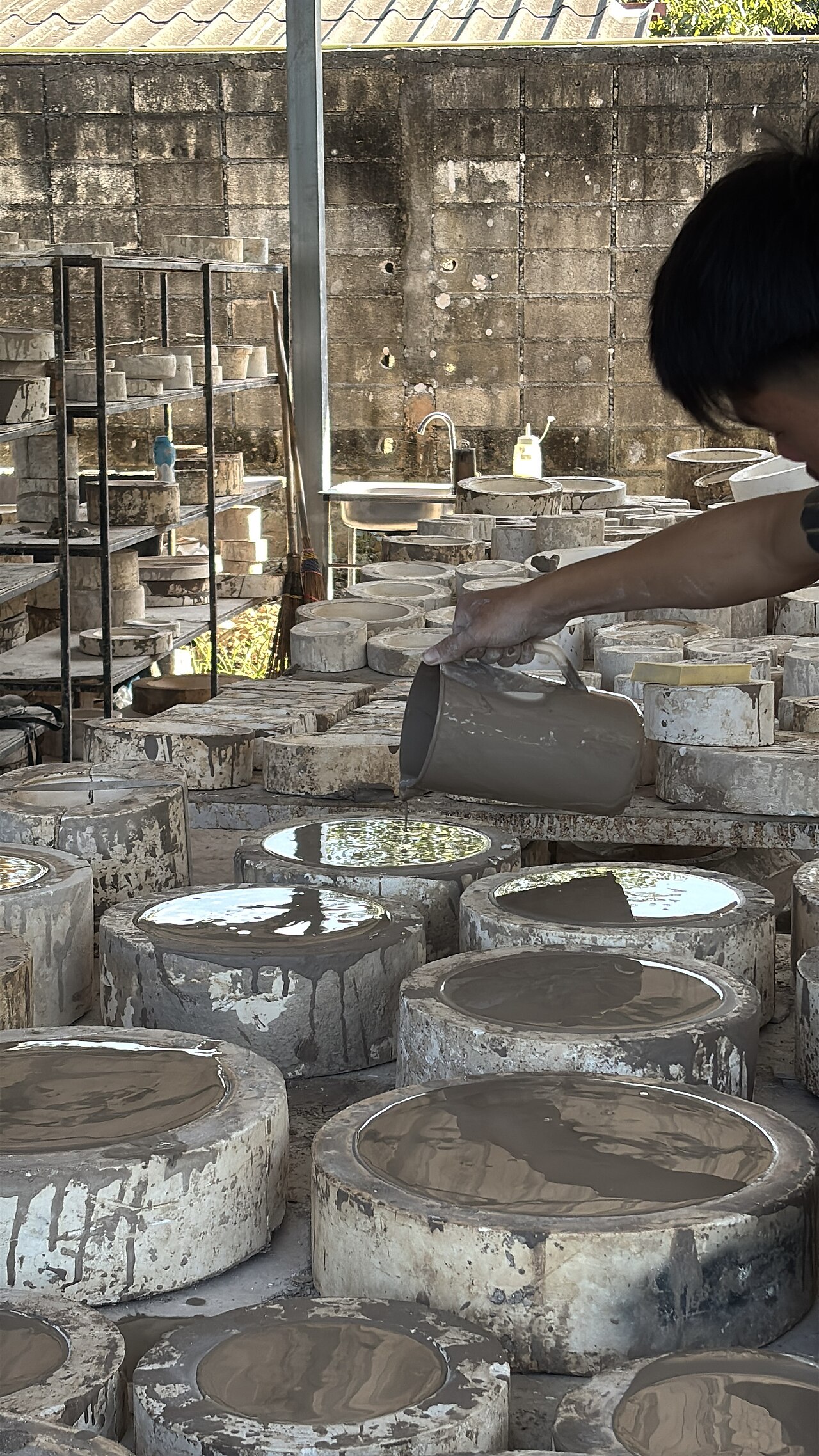
By shaping and then firing an inorganic, nonmetallic substance like clay at elevated temperatures, a hard, brittle, heat-resistant, and corrosion-resistant material known as a ceramic is produced.[1] Earthenware, porcelain, and brick are typical instances of such materials.[1] Ceramics exhibit high compressive strength but are prone to failure under shear and tensile loads.[2]
Quick Facts
- Field
- Materials science
- archaeology
- engineering
- Known for
- Hard, brittle, heat-resistant, corrosion-resistant materials; earliest human-made ceramics were fired clay bricks
- Key properties
- High melting temperature
- high hardness
- poor conductivity
- chemical resistance
- low ductility
- Word origin
- Ancient Greek κεραμικός (keramikós), meaning 'of or for pottery'
Facts from the source article.
Key facts and history
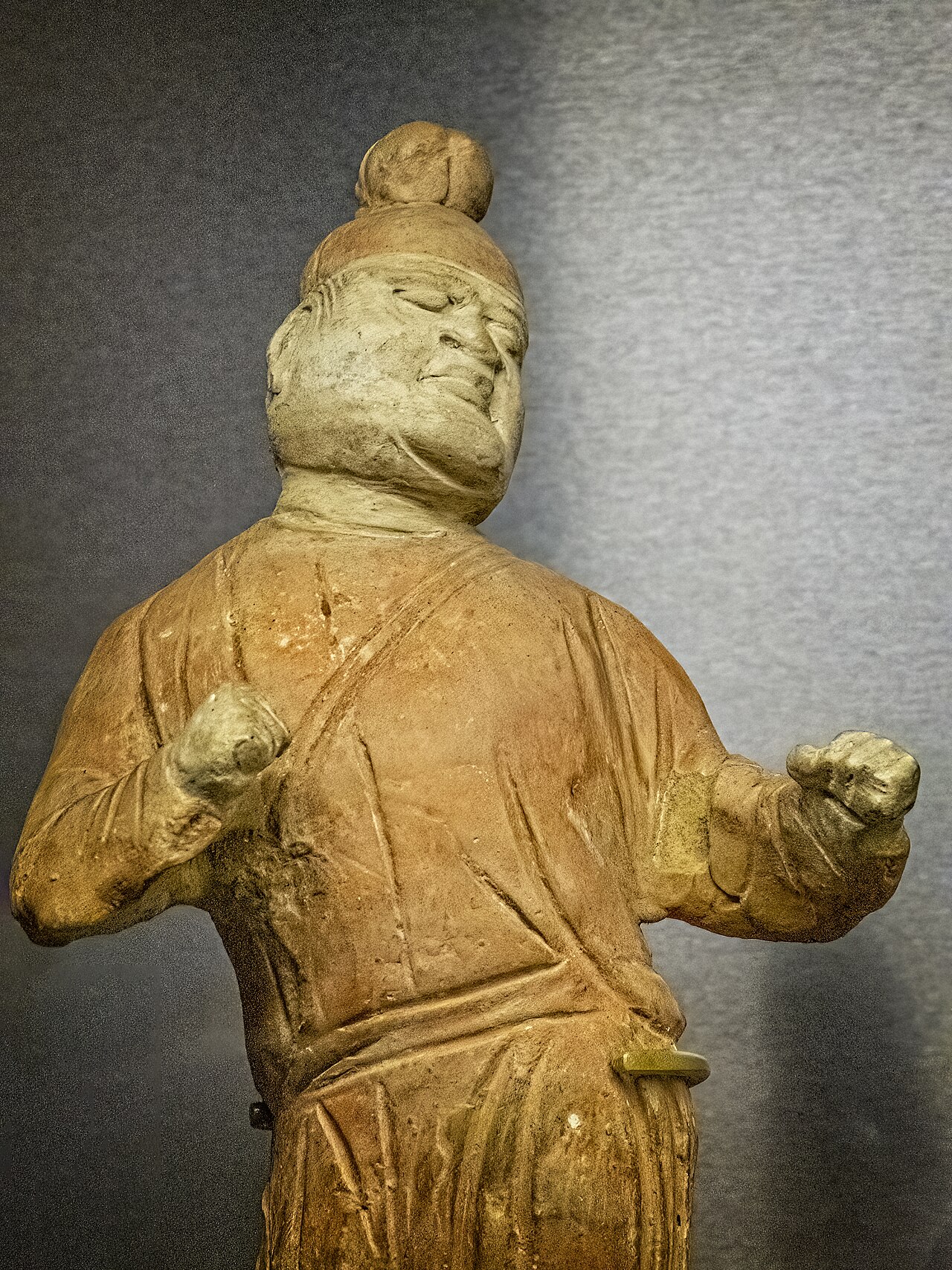
Humans have been making ceramics for at least 26,000 years, subjecting clay and silica to intense heat to fuse them.[3] The earliest known pottery was made by mixing animal products with clay and firing it at up to 800 °C.[3] The Mycenaean Greek term ke-ra-me-we, which refers to ceramic workers and appears in Linear B script, provides the earliest recorded instance of the root ceram-.[4] The oldest ceramic artifacts discovered are sculpted figures originating from south-central Europe, rather than functional vessels.[3]
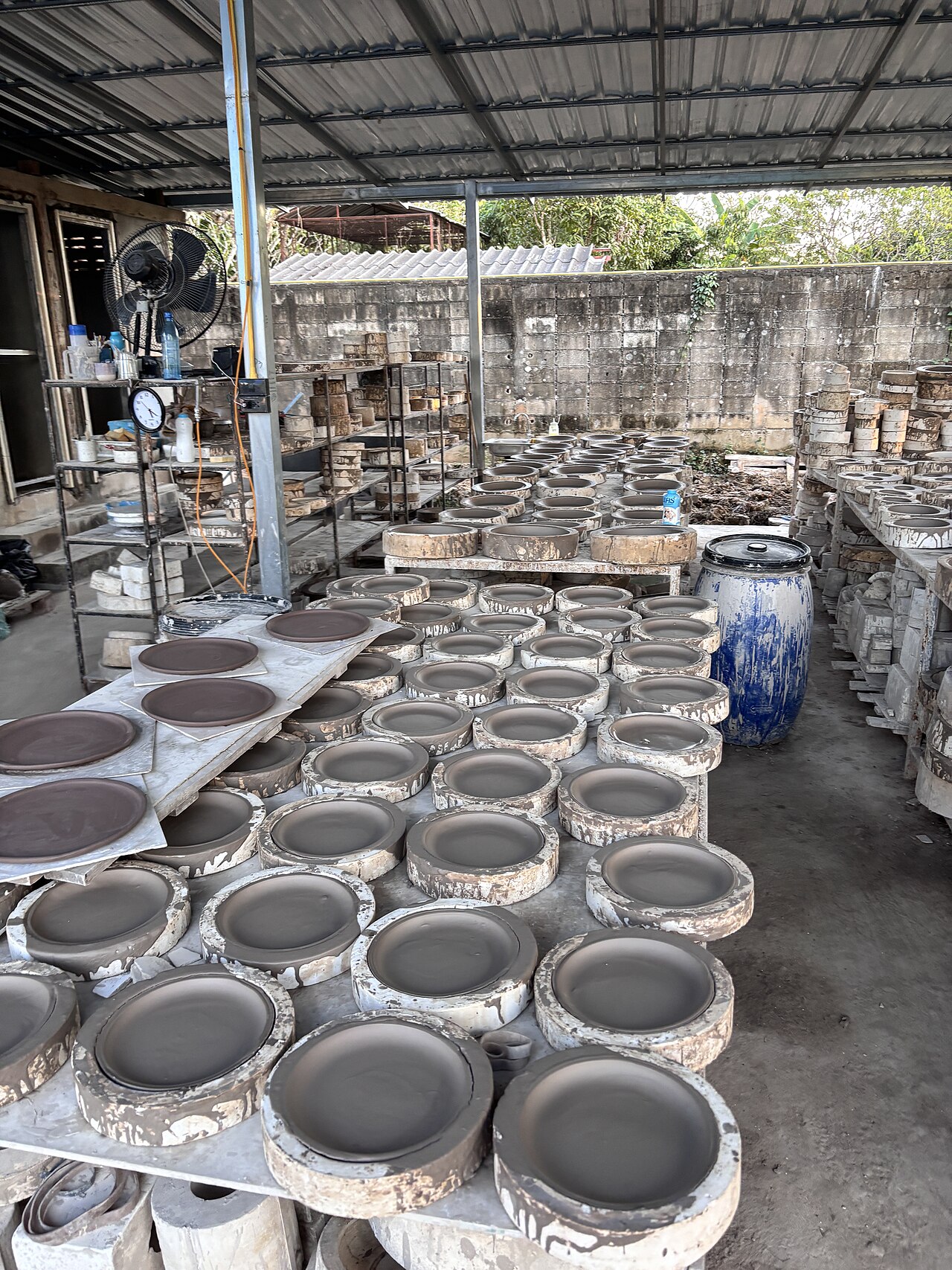
Fired clay bricks, employed for constructing house walls, represent the earliest ceramics produced by humans.[5] Subsequently, ceramics were glazed and then fired to achieve smooth, colored surfaces and to reduce their porosity.[5] The scope of ceramics today encompasses domestic items, industrial components, building materials, and sophisticated engineering materials such as semiconductors.[5] Ceramics are generally capable of enduring extremely high temperatures, specifically within a range of 1,000 °C to 1,600 °C.[2]
What the research sources say
The Materials Science and Engineering Education account states that archeologists have uncovered human-made ceramics dating back to at least 24,000 BC, found in Czechoslovakia as animal and human figurines.[6] The same source notes these ceramics were made of animal fat and bone mixed with bone ash and a fine claylike material, fired in domed and horseshoe shaped kilns.[6] The DoITPoMS resource further describes that a volume increase from the high-temperature austenite phase to the martensite phase decreases local tensile stress at the crack tip.[7] According to the DoITPoMS resource, certain ceramics undergo a stress-induced martensitic transformation; this process absorbs energy, which impedes crack growth and thereby enhances the material's toughness.[7]
References
- Wikipedia, "Ceramic" (CC BY-SA 4.0), which cites: Heimann, "Classic and Advanced Ceramics: From Fundamentals to Applications, Preface", John Wiley & Sons, 16 April 2010; "ceramic", The Free Dictionary (we also read that source) en.wikipedia.org
- Wikipedia, "Ceramic" (CC BY-SA 4.0), which cites: "Ceramics PDF Ceramic Materials Ceramics", Scribd; Silvestroni, "Super-strong materials for temperatures exceeding 2000 °C", Scientific Reports, 2017-01-19 (we also read that source) en.wikipedia.org
- Wikipedia, "Ceramic" (CC BY-SA 4.0), which cites: "Ceramic history", Materials Science and Engineering Education (we also read that source) en.wikipedia.org
- Wikipedia, "Ceramic" (CC BY-SA 4.0), which cites: ; ; "keramewe", Palaeolexicon; (original not read by us) en.wikipedia.org
- Wikipedia, "Ceramic" (CC BY-SA 4.0), which cites: Carter, "Ceramic materials: Science and engineering", Springer, 2007, p. 20, 21 (original not read by us) en.wikipedia.org
- "Ceramic history", Materials Science and Engineering Education. facts only, no text reused. depts.washington.edu
- "Transformation toughening", www.doitpoms.ac.uk. facts only, no text reused. doitpoms.ac.uk
Each numbered sentence above was checked against the source it cites before publication. Sentences citing Wikipedia adapt text from the English Wikipedia article Ceramic (contributors), used under CC BY-SA 4.0; this entry is available under the same licence. Other sources were used for facts only; no text or images are copied from them.
More in Construction & Materials
Sources
Compiled from Wikipedia and the sources listed below. Text from Wikipedia is available under CC BY-SA 4.0; this entry is adapted from it.
- Wikipedia: Ceramic (CC BY-SA 4.0).
- Word definitions: the Codexery glossary, each quoted from its Wikipedia article.
Spotted an error? Know more?
Reader corrections go straight into our review queue. Suggest an edit · How this site is sourced