Chimney
Ventilation structure for exhaust gases and smoke.
Last updated

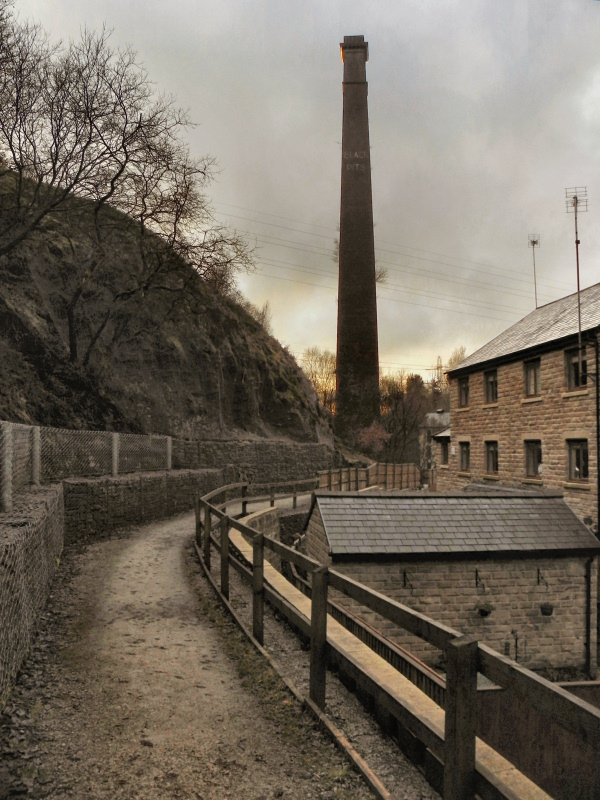
Gerald England · CC BY-SA 2.0
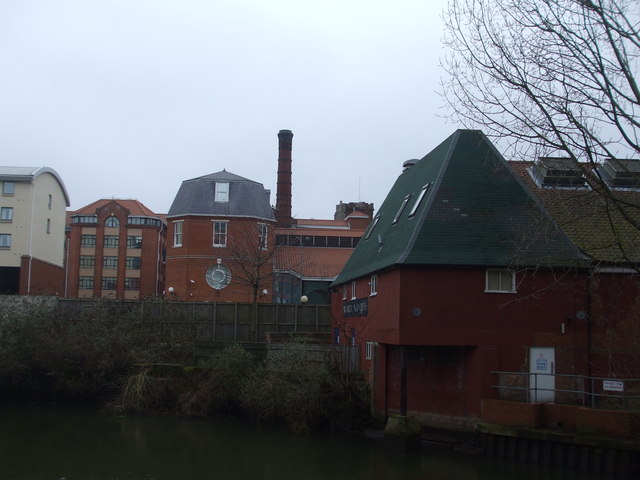
The words smokestack and funnel can refer to the exhaust pipes on locomotives or ships.[1] Evidence shows that the Romans embedded tubes in bakery walls to vent smoke, marking early industrial chimney use.[2]
Quick Facts
- Common in houses
- 16th and 17th centuries
- Industrial chimneys became common
- late 18th century
- Materials
- masonry
- clay
- metal
- brick
- stone
- reinforced concrete
- Key function
- ventilation and pollutant dispersion via stack effect
Facts from the source article.
Key facts and history
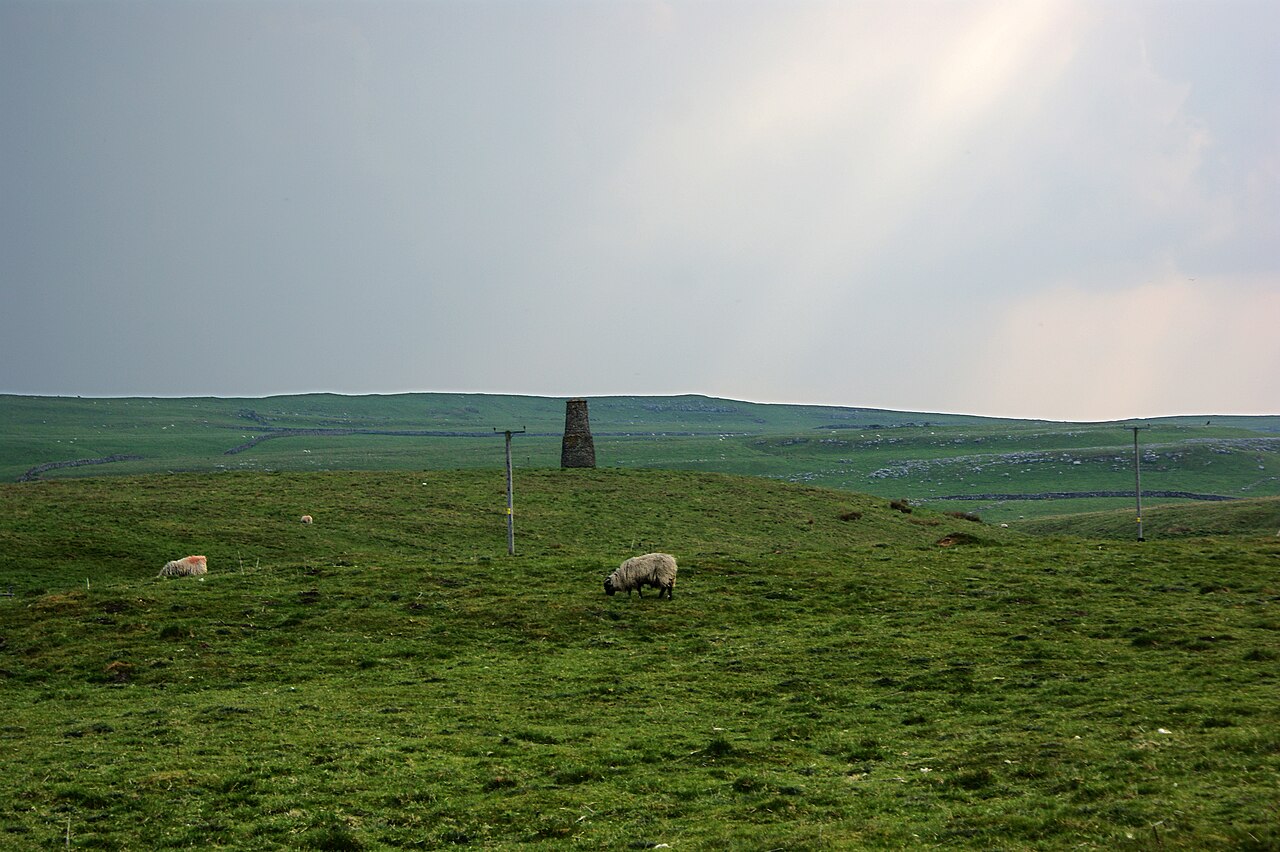
The earliest surviving English chimney is at Conisbrough Castle's keep, dating from 1185 AD.[2] In northern England, long near-horizontal chimneys over 3 km long were built to carry fumes to remote locations.[3] The lead ore from Allendale and Weardale was rich in silver in the early 19th century.[4] On pitched roofs, flashing seals the joints where a chimney penetrates the roof.[5]
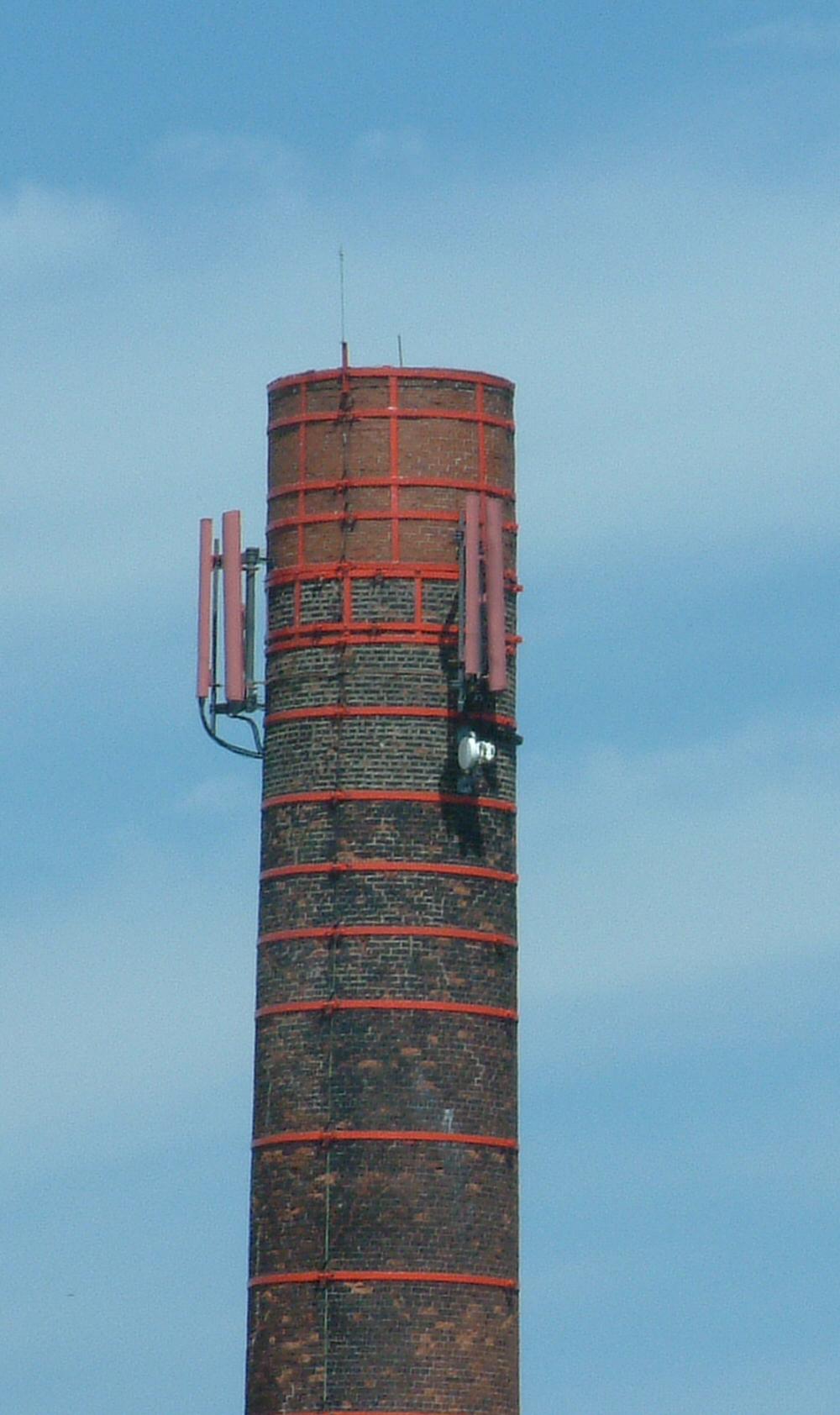
Valuable lead and silver residues accumulated on the interior surfaces of those lengthy chimneys and were removed by workers at intervals.[3] On a roof, the downward-facing flashing component is termed an apron, while a cricket is built to channel water away from the chimney's higher side.[5]
What the research sources say
The "Guide to Draft Hoods on Gas Fired Heating Equipment" states that a draft hood permits additional air to flow into the flue when the gas burner operates.[6] Modification or removal of a draft hood can be very dangerous, and rust or debris may indicate a blocked chimney.[6] The same source describes a case where a blocked chimney caused an oil burner's exhaust to backdraft into a building.[6] A double-acting barometric damper can swing to let room air in or vent excess pressure out during downdrafts.[6]
The "Chimney Airflow Problems" account defines draft as the speed or pressure of vented gases traveling up the stack.[7] Good draft means gases travel up the chimney quickly due to a vacuum inside the chimney.[7] A common cause of bad draft is when chimneys must overcome fans in the house.[7]
References
- Wikipedia, "Chimney" (CC BY-SA 4.0), which cites: C.F. Saunders (1923), The Southern Sierras of California; "Jules Verne (1872), Around the World in Eighty Days" (original not read by us) en.wikipedia.org
- Wikipedia, "Chimney" (CC BY-SA 4.0), which cites: James Burke, Connections (Little, Brown and Co.) 1978/1995, , p. 159; Sparrow, Walter Shaw. The English house: how to judge its periods and styles. London: Eveleigh Nash, 1908. 85–86. (original not read by us) en.wikipedia.org
- Wikipedia, "Chimney" (CC BY-SA 4.0), which cites: "Lead Mining", The Northern Echo (we also read that source) en.wikipedia.org
- "Lead Mining", The Northern Echo. facts only, no text reused. thenorthernecho.co.uk
- Wikipedia, "Chimney" (CC BY-SA 4.0), which cites: Roofing, flashing & waterproofing. Newtown, CT: Taunton Press, 2005. 43–50. (original not read by us) en.wikipedia.org
- "Guide to Draft Hoods on Gas Fired Heating Equipment", InspectApedia.com, 2017. facts only, no text reused. inspectapedia.com
- "Chimney Airflow Problems", 8 June 2022. facts only, no text reused. highschimney.com
Each numbered sentence above was checked against the source it cites before publication. Sentences citing Wikipedia adapt text from the English Wikipedia article Chimney (contributors), used under CC BY-SA 4.0; this entry is available under the same licence. Other sources were used for facts only; no text or images are copied from them.
More in Construction & Materials
Sources
Compiled from Wikipedia and the sources listed below. Text from Wikipedia is available under CC BY-SA 4.0; this entry is adapted from it.
- Wikipedia: Chimney (CC BY-SA 4.0).
- Word definitions: the Codexery glossary, each quoted from its Wikipedia article.
Spotted an error? Know more?
Reader corrections go straight into our review queue. Suggest an edit · How this site is sourced