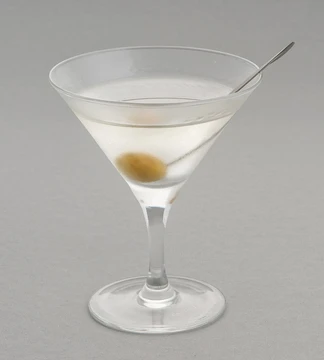
Tom and Jerry (drink)
A hot eggnog variant with brandy and rum.

A Tom and Jerry is a hot, boozy eggnog variation served during the Christmas season in the United States. Its name is sometimes linked to the British writer and boxing journalist Pierce Egan and his 1821 book *Life in London, or The Day and Night Scenes of Jerry Hawthorn Esq. and his Elegant Friend Corinthian Tom* and the subsequent stage play *Tom and Jerry, or Life in London* (also 1821), though the drink itself is more commonly attributed to American bartenders in the mid-19th century rather than directly to Egan. The drink combines brandy and rum and is served warm, typically in a mug or bowl. One preparation method involves beating egg whites until stiff, then folding in the yolks and sugar, with vanilla extract as an optional addition. A few spoonfuls of this batter are placed in a mug, followed by hot milk and rum, and the drink is finished with a dusting of nutmeg. Pre-made batter is sold regionally during the holidays, often produced by manufacturers in Wisconsin, Minnesota, the Dakotas, and Montana.
The name comes from Egan’s 1821 book and play, but the widely accepted historical record does not confirm that Egan personally invented the specific beverage. Instead, the drink likely evolved among American bartenders in the mid-19th century, with the name borrowed from the popular characters. The cocktail was a favorite of President Warren G. Harding, who served it at an annual Christmas party for his closest friends. Two later cartoon duos—a short-lived one from Van Beuren Studios in the 1930s and MGM’s famous cat-and-mouse rivalry from the 1940s through the 1960s—also used the name, possibly as a wordplay on the drink or the literary works that inspired it. In Harry Stewart’s story "I Yust Go Nuts at Christmas," a character drinks a dozen Tom and Jerrys and suffers a hangover during the next day’s Christmas dinner. In the 1940 RKO film *Beyond Tomorrow*, set during the Christmas season, every visitor to the home of three older gentlemen is offered a Tom and Jerry cocktail.
Quick Facts
- Ingredients
- Eggs or egg whites, powdered sugar, brandy, rum
- Served
- Hot in a mug or bowl
- Drinkware
- Mug
Facts from the source article.
Lore & Background
The drink's name is a reference to Egan's book, Life in London, or The Day and Night Scenes of Jerry Hawthorn Esq. and his Elegant Friend Corinthian Tom (1821), and the subsequent stage play Tom and Jerry, or Life in London (also 1821). However, the widely accepted historical record does not confirm that Egan personally invented the specific beverage; instead, the drink is more commonly attributed to American bartenders in the mid-19th century, who likely borrowed the name from the popular characters. The claim that Egan added 1⁄2 US fluid ounce (15 ml) of brandy to eggnog and called it a 'Tom and Jerry' is not supported by established historical sources.
Tom and Jerry was a favorite of President Warren G. Harding, who served it at an annual Christmas party for his closest friends. Two later cartoon duos, a short-lived Tom and Jerry from Van Beuren Studios in the 1930s, and MGM's better known cat and mouse rivalry from the 1940s through the 1960s, also bore the name, possibly as a play on words with the drink or the literary works that inspired it.
Reader's Guide
The Tom and Jerry cocktail holds significance as a festive, warming drink that became a staple of American Christmas celebrations, particularly in the Upper Midwest where pre-made batter is sold seasonally. Its origin is tied to Pierce Egan's 1821 book and play, making it a rare example of a cocktail created for literary publicity. The drink's popularity was boosted by its association with President Warren G. Harding, who served it at his annual Christmas parties. The name also influenced two cartoon duos, including the famous MGM cat-and-mouse series, though the drink itself remains a regional tradition. Its legacy endures in the continued production of batter by manufacturers in Wisconsin, Minnesota, the Dakotas, and Montana, and its appearance in holiday stories and films such as 'I Yust Go Nuts at Christmas' and 'Beyond Tomorrow' (1940).
Did You Know?
- President Warren G. Harding served Tom and Jerry at an annual Christmas party for his closest friends.
- Pre-made Tom and Jerry batter is produced by manufacturers in Wisconsin, Minnesota, the Dakotas, and Montana.
Origins & the Egan Connection
The Tom and Jerry cocktail traces its name to a very specific piece of nineteenth-century British entertainment. In 1821, Pierce Egan—a writer known for his boxing journalism—published a novel titled Life in London, or The Day and Night Scenes of Jerry Hawthorn Esq. and his Elegant Friend Corinthian Tom. That same year a stage adaptation, Tom and Jerry, or Life in London, hit the boards. To drum up publicity for both the book and the play, Egan took a familiar eggnog recipe and fortified it with half a US fluid ounce (roughly fifteen milliliters) of brandy, then christened the result a "Tom and Jerry." That small addition of spirit clearly struck a chord with audiences; the extra kick helped the drink spread well beyond the theater crowd. Though the cocktail is now firmly an American Christmas tradition, its naming roots are unmistakably British theatrical marketing from the early 1820s.
Preparation & Regional Production
The Tom and Jerry is essentially an eggnog elevated with the addition of brandy and rum, and it is always served hot—typically poured into a sturdy mug or a wide bowl. One well-known preparation method calls for beating egg whites until they are stiff, then folding the yolks and sugar back in, with a touch of vanilla extract added if desired. A few spoonfuls of this batter go into the mug, followed by hot milk and rum, and the whole thing is finished with a dusting of nutmeg. Beyond home kitchens, the drink has a notable commercial footprint in the upper Midwest and northern Plains. Manufacturers in Wisconsin, Minnesota, the Dakotas, and Montana produce pre-made Tom and Jerry batter that appears on shelves in regional supermarkets, but only during the Christmas season. This limited, geographically concentrated availability gives the drink a distinctly local character in parts of the United States, even as the recipe itself remains straightforward.
Pop Culture & Historical Figures
The Tom and Jerry has left a surprisingly wide cultural footprint over the past two centuries. President Warren G. Harding was a devoted fan and made the drink a centerpiece of his annual Christmas gathering for his inner circle of friends. In the world of animation, the name was later adopted by two separate cartoon duos: a short-lived Tom and Jerry produced by Van Beuren Studios in the 1930s, and the far more famous MGM cat-and-mouse rivalry that ran from the 1940s through the 1960s. Both cartoon pairings may have been a deliberate play on words referencing either the cocktail or the original Egan literary works. In literature, Harry Stewart's story "I Yust Go Nuts at Christmas" features a man who plows through a dozen Tom and Jerrys and spends the following day's Christmas dinner suffering the consequences. The drink also made a cinematic appearance in RKO Radio Pictures' 1940 film Beyond Tomorrow, where every guest at a Christmas-season household is offered a Tom and Jerry cocktail.
Identity & Seasonal Role
At its core, the Tom and Jerry occupies a specific niche in American beverage culture: a traditional Christmas-time cocktail that sets itself apart from plain eggnog through the deliberate addition of brandy and rum. It is not a cold, stirred drink but a hot one, meant to be sipped from a mug or bowl, which gives it a cozy, hearthside quality perfectly suited to the winter holiday. The fortification with two different spirits—brandy for warmth and depth, rum for a richer, spicier note—transforms what would otherwise be a simple dairy-and-egg mixture into something with more body and a longer finish. The drink's seasonal exclusivity reinforces its identity; pre-made versions are stocked only during the Christmas period, and the recipe itself is most commonly associated with December gatherings. Whether attributed to Egan's 1820s marketing stunt or simply to the long tradition of spiced, fortified holiday drinks, the Tom and Jerry has carved out a recognizable place as one of the United States' most distinctive seasonal cocktails.
Frequently Asked Questions
Who is Tom and Jerry (drink)?
Tom and Jerry is a hot, spiced eggnog-style cocktail that has been a staple of American Christmas gatherings since the mid-19th century. Think of it as a warmed-up, boozy cousin of traditional eggnog, built on a base of brandy and rum.
What are Tom and Jerry (drink)'s powers/role?
Its main 'power' is delivering a rich, warming comfort on a cold winter evening, served hot in a mug with eggs, spices, and a double hit of brandy and rum. It plays the seasonal-centerpiece role, showing up on bar menus and family tables roughly from November through January in the United States.
Why is Tom and Jerry (drink) important?
It stands as one of the earliest documented examples of a hot, brandy-forward cocktail in American bar culture, with roots in mid-1800s bartenders. Its name also carries a thread of British literary history, linking it to Pierce Egan's 1821 characters Tom and Jerry from *Life in London*.
What's Tom and Jerry (drink)'s origin story?
The name is often traced to Pierce Egan's 1821 novel and its follow-up stage play, which featured the characters Jerry Hawthorn and Corinthian Tom. However, the drink itself is more commonly credited to American bartenders in the mid-19th century, making it a hybrid origin: a British literary name grafted onto an American barroom creation.
More in Cocktails with brandy 1-19
Spotted an error? Know more?
Reader corrections go straight into our review queue. Suggest an edit · How this site is sourced