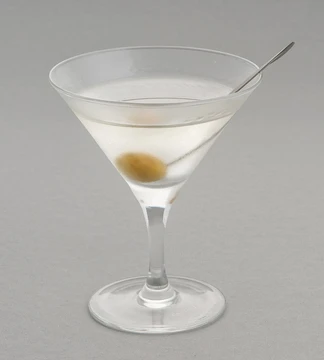
Prince of Wales (cocktail)
Cocktail named after Albert Edward, Prince of Wales.

The Prince of Wales cocktail is named after Albert Edward, Prince of Wales, who later reigned as King Edward VII, though its creation is not directly attributed to him. The drink's origin is uncertain, often credited to later bartenders. While many versions exist, the cocktail typically includes champagne, Angostura bitters, sugar or simple syrup, either rye whiskey or cognac, and a liqueur. An anonymous biography, *The Private Life of King Edward VII*, claims the recipe came from the Prince himself, describing it as rye whisky, crushed ice, a small square of pineapple, a dash of Angostura bitters, a piece of lemon peel, a few drops of Maraschino, a little champagne, and powdered sugar to taste—but this attribution lacks substantiation.
No single standard recipe exists; proportions and ingredients vary significantly across historical sources. One common preparation calls for 1½ ounces of rye, 1 ounce of champagne, a small piece of pineapple, a dash of Angostura bitters, ¼ teaspoon of Maraschino liqueur, and 1 teaspoon of sugar or simple syrup. To prepare, stir the sugar and bitters, then add the whiskey and liqueur, followed by the pineapple. Shake these ingredients with crushed ice, strain into a cocktail glass, and top with champagne. Some recipes substitute cognac or brandy for rye, Bénédictine or another liqueur for Maraschino, and orange for pineapple. Preparation methods also vary. According to Meyer, the cocktail is "a marvelous drink with the spicy rye ... and the sweet Maraschino and pineapple playing off each other and the bubbly tying it all together." André Dominé notes that the Prince of Wales achieves a perfect balance of bitter, sweet, and sour.
- Field
- Cocktail
- Known for
- Named after Albert Edward, Prince of Wales (later King Edward VII), though its origin is uncertain
Lore & Background
An anonymous biography, The Private Life of King Edward VII, claims the drink was created by the Prince himself, but this attribution is unsubstantiated and not widely recognized in cocktail history. The recipe described includes rye whisky, crushed ice, a small square of pineapple, Angostura bitters, lemon peel, Maraschino liqueur, champagne, and powdered sugar. The drink is prepared by stirring sugar and bitters, adding whiskey and liqueur, then pineapple, shaking with crushed ice, straining into a cocktail glass, and adding champagne. However, no single standard recipe exists.
Reader's Guide
The Prince of Wales cocktail is significant as a historical drink attributed to a British royal figure. Its recipe has several variations, with some recipes using cognac or brandy instead of rye whiskey, Bénédictine or other liqueur in place of Maraschino, and orange instead of pineapple. Methods of preparation also vary. According to Meyer, the cocktail is 'a marvelous drink with the spicy rye ... and the sweet Maraschino and pineapple playing off each other and the bubbly tying it all together.' André Dominé notes that the Prince of Wales has bitter, sweet, and sour in perfect harmony.
Did You Know?
- The cocktail is named after Albert Edward, Prince of Wales, who later became King Edward VII, but its creation is not directly attributed to him.
- An anonymous biography, The Private Life of King Edward VII, credits the drink to the Prince himself, though this claim is unsubstantiated.
- Some recipes use cognac or brandy instead of rye whiskey, and orange in place of pineapple.
- André Dominé described the cocktail as having bitter, sweet, and sour in perfect harmony.
Place in the Cocktail Taxonomy
The world of mixed drinks is organized around a single guiding principle: the primary type of alcohol, measured by volume, that forms the backbone of the beverage. This structural approach means a cocktail's identity is anchored first to its spirit—whether that be gin, rum, tequila, vodka, whiskey, brandy, cachaça, or even a fortified wine like vermouth or sherry. Within this framework, certain drinks carry a special designation from the International Bartenders Association, marking them as IBA official cocktails. These recognized creations tend to represent some of the most widely known and prepared drinks globally. A cocktail bearing a distinguished name would sit within this broader taxonomy, its classification determined not by its title but by which spirit dominates its composition. The taxonomy further branches into subcategories: fortified wines split into port, sherry, and vermouth; sparkling wines include champagne-based preparations; and liqueur-based cocktails are grouped by flavor profile, from anise to coffee to cream.
The Spectrum of Base Spirits
A cocktail, at its core, is a mixed drink built upon a distilled liquor. The range of possible bases is remarkably wide: arrack, brandy, cachaça, gin, rum, tequila, vodka, and whiskey all qualify as primary spirits. Beyond these, sweetened liqueurs, wine, or even beer can serve as the foundational element or be incorporated as an addition. When beer specifically becomes one of the ingredients, the drink earns the distinct label of a beer cocktail. This breadth of options means the same conceptual recipe—perhaps a balanced mix of spirit, sweetener, and acid—can be expressed through dozens of different alcoholic bases, each lending its own character. The choice of base spirit ultimately shapes the entire sensory profile of the drink, influencing how complementary ingredients like juice, honey, milk, cream, or spices interact with the palate. A cocktail's name may evoke a particular era or figure, but its technical identity rests on which of these spirits forms the majority by volume.
Layering Flavors: Mixers, Fruits, and Liqueurs
Beyond the base spirit, cocktails draw on a vast palette of secondary ingredients to build complexity. Juices from various fruits, honey, milk or cream, spices, and other flavorings are common additions that transform a simple spirit pour into a layered, multi-dimensional drink. Liqueurs play a particularly rich role: anise-flavored options like pastis, cream-based liqueurs that impart a milkshake-like quality, fruit-flavored varieties ranging from orange (Grand Marnier, triple sec, Curaçao) to melon (Midori), and nut-flavored or coffee-flavored liqueurs all find their place in mixed drinks. Even less common additions appear—strawberries muddled or puréed into smashes, carrot juice paired with agave or mezcal, pineapple juice combined with rum and campari. The interplay between these elements and the base spirit is what gives a cocktail its particular character, whether the result is bright and citrus-forward, rich and creamy, or herbal and complex.
One Name, Many Tastes
Perhaps the most important truth about cocktails is that a single name does not guarantee a single experience. Recipes vary from bartender to bartender and from region to region, meaning two drinks sharing the same title can taste dramatically different depending on how they are prepared. This variability is not a flaw but a fundamental characteristic of the craft. A cocktail's identity is as much about technique and local tradition as it is about its ingredient list. The same spirit base might be shaken with different proportions of sweetener and acid, garnished differently, or served in a different vessel depending on where the drink is made. This principle applies universally across the cocktail world, from IBA-recognized classics to regional specialties. For any cocktail bearing a distinguished name, the drink that arrives at the table is ultimately a reflection of the individual maker's interpretation, the local availability of ingredients, and the evolving tastes of the community in which it is served.
Frequently Asked Questions
Who is the Prince of Wales cocktail named after?
The drink takes its name from Albert Edward, Queen Victoria's eldest son, who later reigned as King Edward VII. There is no confirmed evidence that he personally devised the recipe, though the name stuck in bartending lore.
What ingredients go into a standard Prince of Wales cocktail?
Most published recipes call for champagne, Angostura bitters, a touch of sugar or simple syrup, either rye whiskey or cognac, and a liqueur of the bartender's choosing. The exact combination shifts from one source to another, so no single formula is universally agreed upon.
Who invented the Prince of Wales cocktail?
The true origin is uncertain, and the drink is generally credited to unnamed later bartenders rather than any single creator. An anonymous biography of Edward VII claims the Prince himself supplied the recipe, but that attribution is not widely verified.
Does the Prince of Wales cocktail always contain brandy?
Not necessarily; while some versions feature cognac (a type of brandy), others substitute rye whiskey as the base spirit. The cocktail is flexible enough that both options appear in published recipes, making it a shared entry in both brandy and whiskey cocktail lists.
What is the most famous historical reference to the Prince of Wales cocktail?
The book *The Private Life of King Edward VII* describes a recipe supposedly given by the Prince, calling for rye whisky, crushed ice, a small square of pineapple, and a dash of Angostura bitters. It remains the most cited historical source linking the drink to the royal family.
More in Cocktails with brandy 1-19
Spotted an error? Know more?
Reader corrections go straight into our review queue. Suggest an edit · How this site is sourced