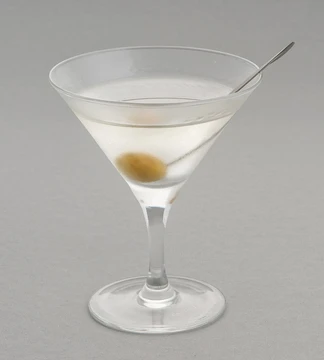
Brandy daisy
A late 19th-century cocktail that inspired the sidecar and margarita.

The brandy daisy is a cocktail that first gained popularity in the late 19th century. One of the earliest known recipes was published in 1876 in the second edition of Jerry Thomas's The Bartenders Guide or How to Mix Drinks: The Bon-Vivants Companion, calling for gum syrup, Curaçao liqueur, lemon juice, brandy, shaved ice, and Seltzer water. It is a foundational drink in the daisy family, which influenced later cocktails such as the sidecar and margarita.
Quick Facts
- Ingredients
- 1½ ounces brandy / ¾ ounce yellow Chartreuse / ¾ ounce lemon juice
- Served
- straight up (without ice)
- Prep
- Shake with ice in a cocktail shaker, then strain into a chilled Coupe glass and top with a splash of chilled club soda or seltzer.
- Drinkware
- Champagne coupe
Facts from the source article.
Lore & Background
The brandy daisy emerged in the late 19th century, with one of its earliest known recipes appearing in 1876 in the second edition of Jerry Thomas's bartending guide. The recipe included gum syrup, Curaçao liqueur, lemon juice, brandy, shaved ice, and a topping of Seltzer water. Other daisies using whiskey or gin were also included in the same guide, showing the drink's versatility.
Over the years, variations developed. A later recipe from 1941 in Old Mr Boston's De Luxe Official Bartender's Book used California brandy, lemon juice, raspberry syrup or grenadine, powdered sugar, and cracked ice, served in a stein or metal cup with fruit decoration. Fresh citrus—typically lemon, but occasionally orange or lime—remained common, and liqueurs such as Curaçao, maraschino, or yellow Chartreuse distinguished the daisy from other sour cocktails.
The daisy was the forerunner to the sidecar (around the end of World War I) and the margarita (late 1930s to early 1940s). The margarita's base spirit, tequila, also appeared in tequila daisies and sidecars.
Reader's Guide
The brandy daisy holds significance as a foundational cocktail that shaped later classics. Its structure—spirit, citrus, sweetener, and liqueur—became a template for the sidecar and margarita, both of which gained lasting popularity. The daisy family also influenced the Cosmopolitan, as the gin-based daisy from a mid-1930s guide is considered an early incarnation of that drink. The brandy daisy's use of Curaçao and other liqueurs set it apart from simple sours, and its evolution through recipes like the 1941 version with raspberry syrup shows how bartenders adapted it over time. Its legacy endures in modern cocktail culture, where the margarita remains especially popular, and the daisy's influence is seen in countless variations. The brandy daisy exemplifies how a late 19th-century drink can evolve and inspire generations of cocktails.
Did You Know?
- One of the earliest known brandy daisy recipes was published in 1876 in Jerry Thomas's The Bartenders Guide.
- Liqueurs such as Curaçao, maraschino, or yellow Chartreuse distinguish the daisy from other sour cocktails.
Origins and the Farouk Legend
The Cypriot brandy sour traces its roots to the early 1930s, when the Haggipavlu family produced the island's first blended brandy. According to local lore, a barman named Mr Sourmelis at the Forest Park Hotel in the hill-resort of Plátres crafted the drink specifically for the young King Farouk of Egypt, who was a frequent guest during his visits to the island. The tale claims the cocktail was served as a spirited alternative to iced tea, a clever ruse to conceal the Muslim ruler's fondness for Western-style mixed drinks. However, this narrative is widely regarded as implausible, since historical accounts indicate that Farouk, despite his extravagant lifestyle, abstained from alcohol entirely. Regardless of the legend's accuracy, the drink gained a foothold in the fashionable Platres area before gradually migrating to the island's coastal resorts—Limassol, Paphos, and Kyrenia—and eventually reaching the capital, Nicosia, where it became a staple of Cypriot hospitality.
The Distinctive Cypriot Ingredients
What sets the Cypriot brandy sour apart from other variants sharing the same name is the character of its two core components. Cypriot cocktail brandy, commonly sourced from KEO VSOP or Haggipavlu Anglias, carries a noticeably lighter, more caramel-forward profile compared to the heavier French cognacs and armagnacs. On the citrus side, the island grows a peculiar yellow-green lemon with a pronounced bitterness, the very fruit that inspired British writer Lawrence Durrell to title his autobiographical novel Bitter Lemons of Cyprus. Locally, these lemons are transformed into a bitter-sweet cordial that provides the sour backbone of the cocktail. A few drops of bitters—either the internationally known Angostura or the island's own Cock Drops—round out the flavour. Because both brandy and lemons rank among Cyprus's principal agricultural exports, the drink is essentially a celebration of the island's own terroir in a glass.
Building the Glass
A standard Cypriot brandy sour is assembled in a tall highball glass. The base calls for roughly two parts Cypriot brandy to one part of the local lemon squash, with two to four drops of bitters stirred in. The mixture is then topped with plenty of ice and finished with either soda water or lemonade; the former yields a drier, more brandy-forward sip, while the latter leans sweeter and more classic. The drink is stirred rather than shaken to keep it smooth. Presentation matters: it is quite common to rim the glass with sugar and perch a Maraschino cherry on the surface. Though the Cypriot version shares the broad brandy-and-lemon concept with other sours around the world, the specific combination of lighter local brandy, the island's bitter lemon cordial, and the particular balance of sweetness makes it a genuinely distinct preparation rather than a simple copy of a foreign recipe.
An Unofficial National Symbol
The brandy sour occupies a singular place in Cypriot culture as what is widely regarded as the island's unofficial national cocktail. This status is reinforced by the fact that both of its defining ingredients—brandy and lemons—are among Cyprus's most significant exports, each carrying unmistakably local characteristics that distinguish them from their counterparts elsewhere. The drink's journey from a single hotel bar in the hill town of Plátres to the bustling coastal resorts and the capital Nicosia mirrors the broader story of Cypriot hospitality culture finding its voice in the mid-twentieth century. Whether sipped in a Limassol beachfront bar or a Paphos tavern, the brandy sour has become a point of local pride, a liquid emblem of the island's agricultural heritage and its long tradition of welcoming visitors with something crafted from the land itself.
Frequently Asked Questions
What is a Brandy daisy cocktail?
It is a late-19th-century drink that sits at the root of the entire daisy family of cocktails. The classic version mashes together brandy, citrus, orange liqueur, and carbonation over shaved ice for a bright, refreshing sip.
What exactly goes into a Brandy daisy?
The traditional build calls for brandy, fresh lemon juice, Curaçao liqueur, gum syrup, Seltzer water, and shaved ice. That exact combination was printed as early as 1876 in the second edition of Jerry Thomas's bartending guide.
Where and when did the Brandy daisy first appear?
The drink rose to popularity in the latter half of the 1800s, and one of the earliest recorded recipes showed up in 1876 within Jerry Thomas's The Bartenders Guide. It quickly became a go-to mixed drink in American bars of that era.
Which famous cocktails did the Brandy daisy help create?
Because it established the core structure of the daisy family—spirit, citrus, liqueur, and carbonation over ice—it directly paved the way for both the sidecar and the margarita. Those later drinks essentially swapped out the brandy and Curaçao for their own twists while keeping the daisy skeleton intact.
How is the Brandy daisy different from other daisy variations?
It is the original template of the family, anchored by brandy and Curaçao rather than the tequila, rum, or gin that later daisy versions use. Every subsequent daisy cocktail can be traced back to this 1876 combination as its starting point.
More in Cocktails with brandy 1-19
Spotted an error? Know more?
Reader corrections go straight into our review queue. Suggest an edit · How this site is sourced