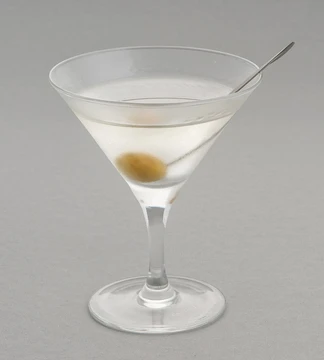
Sidecar (cocktail)
A classic daisy cocktail of brandy, orange liqueur, and lemon.

The sidecar belongs to the daisy family of cocktails, which combine a spirit, citrus juice, and a liqueur for sweetness. Its classic formula calls for brandy—typically cognac—along with lemon juice and an orange liqueur such as Cointreau, Grand Marnier, dry curaçao, or triple sec. The drink gained popularity in Paris and London during the early 1920s. Its precise origins remain uncertain, but it is believed to have been created near the end of World War I in either London or Paris, and it takes its name directly from the motorcycle sidecar, a common vehicle attachment at the time.
Quick Facts
- Base
- Cognac
- Ingredients
- 50 ml cognac / 20 ml triple sec / 20 ml fresh lemon juice
- Served
- Straight up: chilled, without ice
- Prep
- Pour all ingredients into a cocktail shaker, shake well with ice, strain into a chilled cocktail glass.
- Drinkware
- Cocktail glass
Facts from the source article.
Lore & Background
The sidecar's origin is disputed. The Ritz Hotel in Paris claims it. Harry MacElhone's 1922 book cites Pat MacGarry of Buck's Club, London, as inventor, but later editions cite MacElhone himself. Robert Vermeire's 1922 book states it was 'very popular in France' and first introduced in London by MacGarry. David A. Embury credits an American army captain in Paris during World War I. Journalist O.O. McIntyre reported in 1937 that New York bartenders attributed it to American expatriates Erskine Gywnne and Basil Woon.
Early recipes (MacElhone and Vermeire) call for equal parts cognac, Cointreau, and lemon juice (1:1:1), known as 'the French school.' The Savoy Cocktail Book (1930) introduced the 'English school' ratio of 2:1:1 (cognac:Cointreau:lemon juice). Embury recommended an 8:2:1 ratio, calling the drink a daiquiri with brandy. Simon Difford suggested a middle ground of 3:2:2, finding Embury's version 'overly dry.'
Reader's Guide
The sidecar is significant as a classic cocktail that exemplifies the daisy family, balancing spirit, citrus, and liqueur. Its disputed origins reflect the transatlantic cocktail culture of the early 20th century. The drink's evolution from the French school (equal parts) to the English school (2:1:1) and later variations shows how bartenders adjusted for sweetness and balance. The sidecar is considered a challenge for bartenders because liqueurs vary in sweetness, making proportion difficult. It is closely related to the older brandy crusta but differs in presentation and proportions. The sugar rim, first mentioned in 1932, became popular by 1934. Craft cocktail revivals of the 2000s often use the British ratio with added sugar syrup to avoid excessive dryness. The sidecar remains a benchmark cocktail, listed as one of six basic drinks in Embury's 1948 The Fine Art of Mixing Drinks.
Did You Know?
- The sidecar is categorized as a daisy, a variant of the older sour formula.
- The earliest known mention of sugaring the rim on a sidecar glass is in the 1932 American cocktail book Wet Drinks for Dry People.
- The drink was directly named for the motorcycle attachment, which was very commonly used at the time.
- David A. Embury recommended the same proportions (8:2:1) for both a sidecar and a daiquiri.
The Tangled Mystery of the Sidecar's Birth
The sidecar's origin story remains one of cocktail history's most contested puzzles. The drink is generally believed to have emerged around the close of World War I, with both London and Paris staking competing claims. The Ritz Hotel in Paris asserts its own role in the drink's creation, while Harry MacElhone's early editions of his mixing manual credit Pat MacGarry, the well-known bartender at London's Buck's Club. Yet in later printings of that same book, MacElhone quietly shifted the credit to himself. Robert Vermeire, whose 1922 recipe collection includes one of the earliest published sidecar recipes, noted the drink was very popular in France and attributed its London introduction to MacGarry. David A. Embury offered yet another narrative in his 1948 classic, crediting an unnamed American army captain in Paris who supposedly named the drink after the motorcycle sidecar he rode. Adding further confusion, journalist O.O. McIntyre reported in 1937 that New York bartenders traced the cocktail to American expatriates Erskine Gwynne and Basil Woon. What is certain is that the motorcycle attachment gave the drink its name, and that by 1922 it had already secured a place in the cocktail canon.
The Ratio Wars: French, English, and Beyond
Few cocktails have generated as much debate over proportions as the sidecar. The earliest published recipes, from both Vermeire and MacElhone in 1922, called for equal parts cognac, Cointreau, and lemon juice, a formulation now labeled the French school. A decade later, Harry Craddock's entry in the 1930 Savoy Cocktail Book shifted the balance to two parts cognac against one each of liqueur and citrus, establishing what became known as the English school. David Embury took a more radical approach in 1948, describing the sidecar as essentially a daiquiri with brandy swapped in for rum and Cointreau replacing sugar syrup, and recommending an 8:2:1 ratio that produced a markedly drier drink. Simon Difford, writing in his Encyclopedia of Cocktails, found Embury's formula overly dry and proposed a compromise of 3:2:2, splitting the difference between the French and English traditions. The persistence of these competing ratios underscores how the sidecar's identity has never been fully settled, with bartenders across generations still negotiating the precise balance between spirit, sweetness, and acid.
A Member of the Daisy Family
The sidecar belongs to a distinguished family of cocktails known as daisies, a category defined by the combination of a base spirit, citrus juice, and a liqueur serving as the sweetening agent. Its most famous relatives include the margarita, the word itself meaning daisy in Spanish, and the white lady. Daisies evolved from the older sour formula, which relied on plain sugar for sweetness, but they are generally considered more complex and often drier in character. This added complexity is precisely what makes daisies, and the sidecar in particular, a greater test for bartenders. Unlike simpler sours where sugar syrup provides a consistent sweetening baseline, daisies depend on liqueurs whose sweetness can vary significantly between brands and batches, making the final balance of flavors far more difficult to nail consistently. In terms of ingredients, the sidecar is perhaps most closely related to the older brandy crusta, though the two differ in both presentation and the proportions of their components. The sidecar's place in this family highlights its role as a bridge between straightforward sour cocktails and more nuanced, liqueur-driven preparations.
A Century of Small Changes
The sidecar's presentation and recipe have undergone notable changes since its early 1920s debut. The earliest known reference to sugaring the rim of a sidecar glass appears in the 1932 American cocktail book Wet Drinks for Dry People. By 1934, the sugar-rimmed glass had become widespread enough to appear in three separate publications: Burke's Complete Cocktail and Drinking Recipes, Gordon's Cocktail and Food Recipes, and a revised reprint of Paul E. Lowe's 1904 work, Drinks as They Are Mixed. Other common modifications that became standard over the decades include adding sugar syrup to the mix and garnishing with an orange or lemon twist. The craft cocktail renaissance of the 2000s brought renewed interest in the sidecar, with modern recipes gravitating toward the British 2:1:1 ratio. However, virtually all contemporary versions incorporate sugar syrup, as bartenders and drinkers alike found the drink otherwise too dry and tart for modern palates. This evolution, from the clean equal-parts formula of the 1920s to the sweeter, rimmed presentation of today, traces a century of shifting tastes while the core trio of brandy, orange liqueur, and lemon juice has remained constant.
Frequently Asked Questions
What is the Sidecar cocktail?
The Sidecar is a classic daisy-family cocktail built on brandy (usually cognac), fresh lemon juice, and an orange liqueur such as Cointreau or Grand Marnier. It is one of the most recognizable spirit-forward drinks in the cocktail canon.
What are the main ingredients in a Sidecar?
The standard recipe calls for brandy (cognac being the most common choice), fresh lemon juice, and an orange liqueur like Cointreau, Grand Marnier, dry curaçao, or triple sec. It follows the classic daisy formula of spirit, citrus, and liqueur for sweetness.
Where and when did the Sidecar originate?
The drink is believed to have been created near the end of World War I, with its exact birthplace disputed between Paris and London. Its first documented recipes appeared in 1922, including in Harry MacElhone's Harry's ABC of Mixing Cocktails, and it gained wide popularity across both cities throughout the early 1920s.
Why is it called a 'Sidecar'?
The name comes directly from the motorcycle sidecar, a small passenger compartment bolted to the side of a motorcycle that was a common sight in Europe at the time. The cocktail simply took its name from that ubiquitous vehicle attachment.
Why is the Sidecar important in cocktail history?
As one of the defining daisy cocktails of the 1920s, the Sidecar helped cement the brandy-and-citrus combination as a cornerstone of classic mixology. It remains a benchmark for balancing spirit, acid, and sweetness, and its core recipe has stayed virtually unchanged since the early 1920s.
More in Cocktails with brandy 1-19
Spotted an error? Know more?
Reader corrections go straight into our review queue. Suggest an edit · How this site is sourced