
Apfelwein
German cider with a tart taste, made from sour apples.
Last updated

Sir James · CC BY-SA 3.0
Apfelwein is the German term for cider, also known regionally as Viez or Most. It is made from pressed sour-tasting apples, such as the Bohnapfel, and typically has an alcohol content of 4.8–7.0% with a tart, sour taste. Apfelwein is particularly notable as the state beverage of Hesse, especially in the Frankfurt, Wetterau, and Odenwald areas, and is also produced in Moselfranken, Merzig, the Trier area, the lower Saar region, and the area bordering Luxembourg.
Lore & Background
Apfelwein has deep regional roots in Germany, particularly in Hesse, where it is the state beverage. The drink is made from pressed apples, with the juice fermented by yeast to produce an alcoholic beverage usually around 6% ABV. In the Frankfurt area, berries from the service tree (Sorbus domestica) may be added to increase astringency, producing a specific type called Speierling; in modern times, the term Speierling is also used for any more sour variety, even without service tree juice. The name Viez derives from Latin vice, meaning the second or substitute wine, while Schoppen refers to the measure of the glass rather than the beverage itself.
Culture
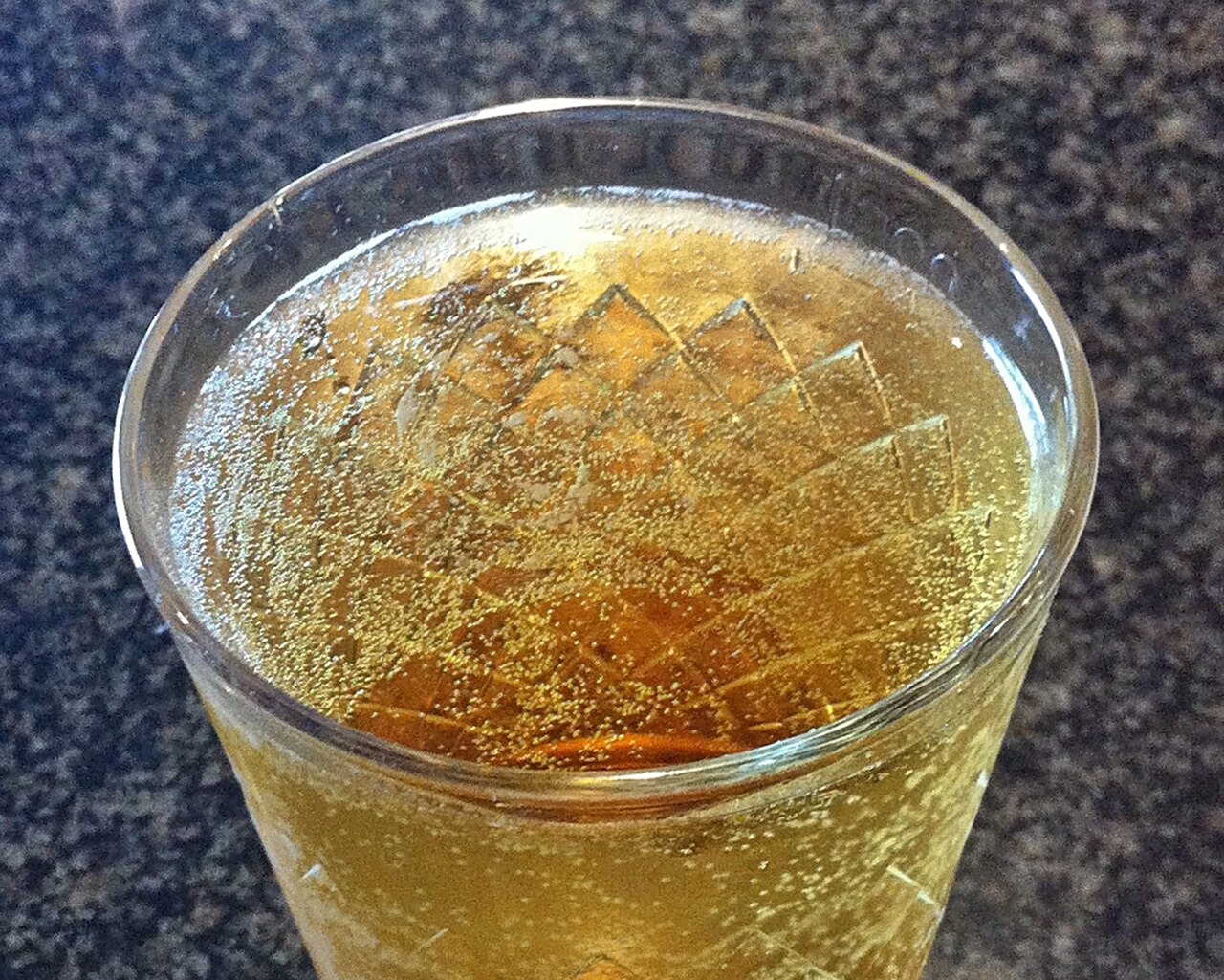
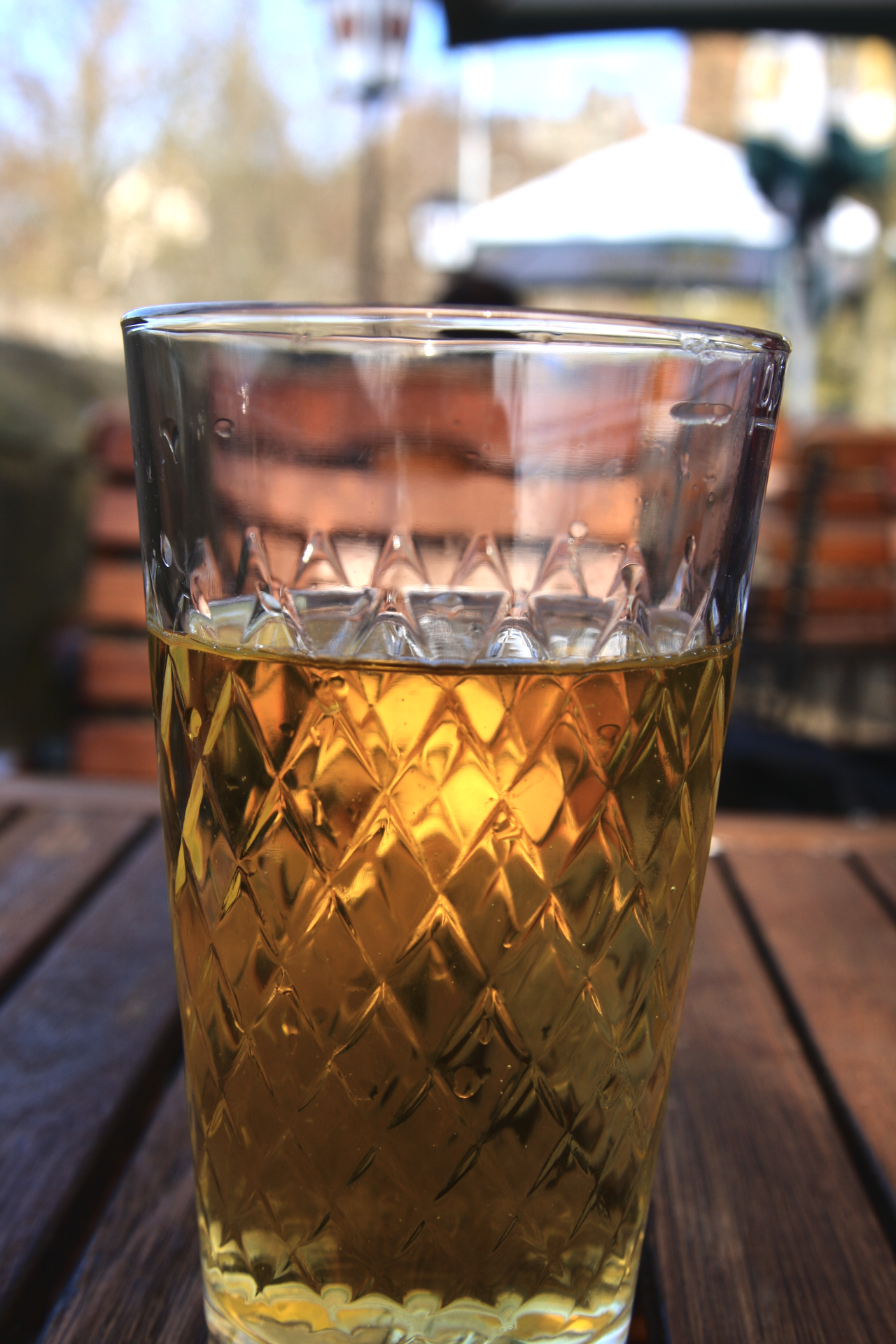
Apfelwein is served in a Geripptes, a glass with a lozenge cut that refracts light and improves grip, a holdover from times when meals were eaten without cutlery. A 0.30-litre serving is traditional, though 0.25-l and 0.50-l versions exist.
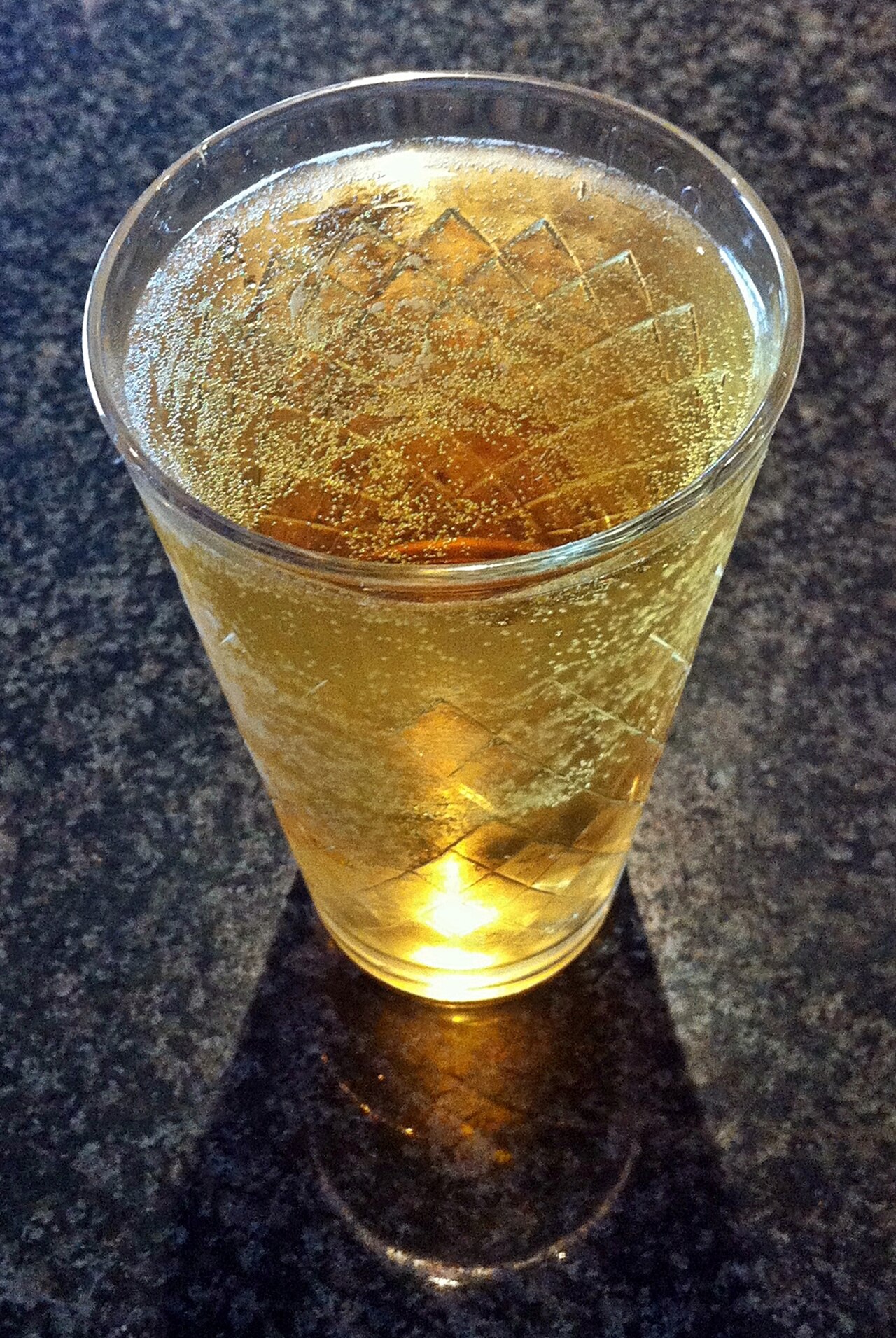
A filled Geripptes is called a Schoppen, mainly in Frankfurt and surrounding areas. Many establishments also serve Apfelwein by the Bembel, a paunchy salt-glazed stoneware jug with a basic grey colour and blue-painted detailing. In the Eifel region, near Hunsrück, around Moseltal, along the lower Saar, and in Trier, the drinking container is called Viezporz and is made of white porcelain or stoneware.
Production
Hot Apfelwein is commonly taken as an old household remedy against colds or as a warming beverage in the cold season, heated and served with a cinnamon stick, possibly with cloves and a slice of orange, much like mulled wine. An official Viez route connects Saarburg with the border to Luxembourg, and an annual Viez Fest is celebrated in Merzig, usually on the second Saturday in October. Some regions hold regular cider competitions and fairs where small private producers participate, and cider songs are composed and sung at these events. The Merzig region crowns a Viez Queen, and the lower Saar area a Viez King.
A Name for Every Region
Apfelwein goes by many names across the German-speaking world, and each one carries a small story. In Hesse and the Frankfurt area, it is simply Apfelwein or the more colloquial Ebbelwoi and Stöffsche. In Moselfranken, Saarland, and around Trier, locals call it Viez, a word borrowed from the Latin vice, meaning a second or substitute wine. In Austria, Switzerland, and southern Germany, the preferred term is Most, literally must.
Restaurants and smaller producers in Frankfurt sometimes sidestep the word entirely and label their pour a Schoppen or Schoppe, a name that technically refers to the glass measure rather than the liquid itself. There is also a distinction between saurer Most, sour must, and Süßmost, sweet must, the latter being essentially apple juice. Then there is Speierling, originally reserved for cider blended with a touch of service-tree berry juice for extra astringency, but in modern usage it has broadened to mean any particularly tart variety. The sheer variety of names underscores how deeply this humble drink is woven into local identity.
From Sour Apple to Glass
The production of Apfelwein begins with pressed apples, specifically varieties known for their sharp, sour flavour, Bohnapfel being a well-known example. The resulting juice or must is left to ferment with yeast, yielding an alcoholic beverage that typically lands between 4.8 and 7.0 percent ABV, with six percent being a common target. In the Frankfurt region, producers may add a small quantity of unprocessed juice from the service tree, Sorbus domestica, an endangered species easily mistaken for the wild apple, to boost astringency. The finished product is defined by its tart, sour character, a deliberate contrast to sweeter fruit wines.
Production is concentrated in Hesse, where Apfelwein holds the status of state beverage, particularly in the Frankfurt, Wetterau, and Odenwald areas. It also has a foothold in Moselfranken, Merzig in Saarland, the Trier area, the lower Saar region, and the border zone near Luxembourg. Both large industrial producers and numerous small, private makers using traditional recipes operate in these regions, keeping the craft alive at every scale.
The Glass, the Jug, the Ritual
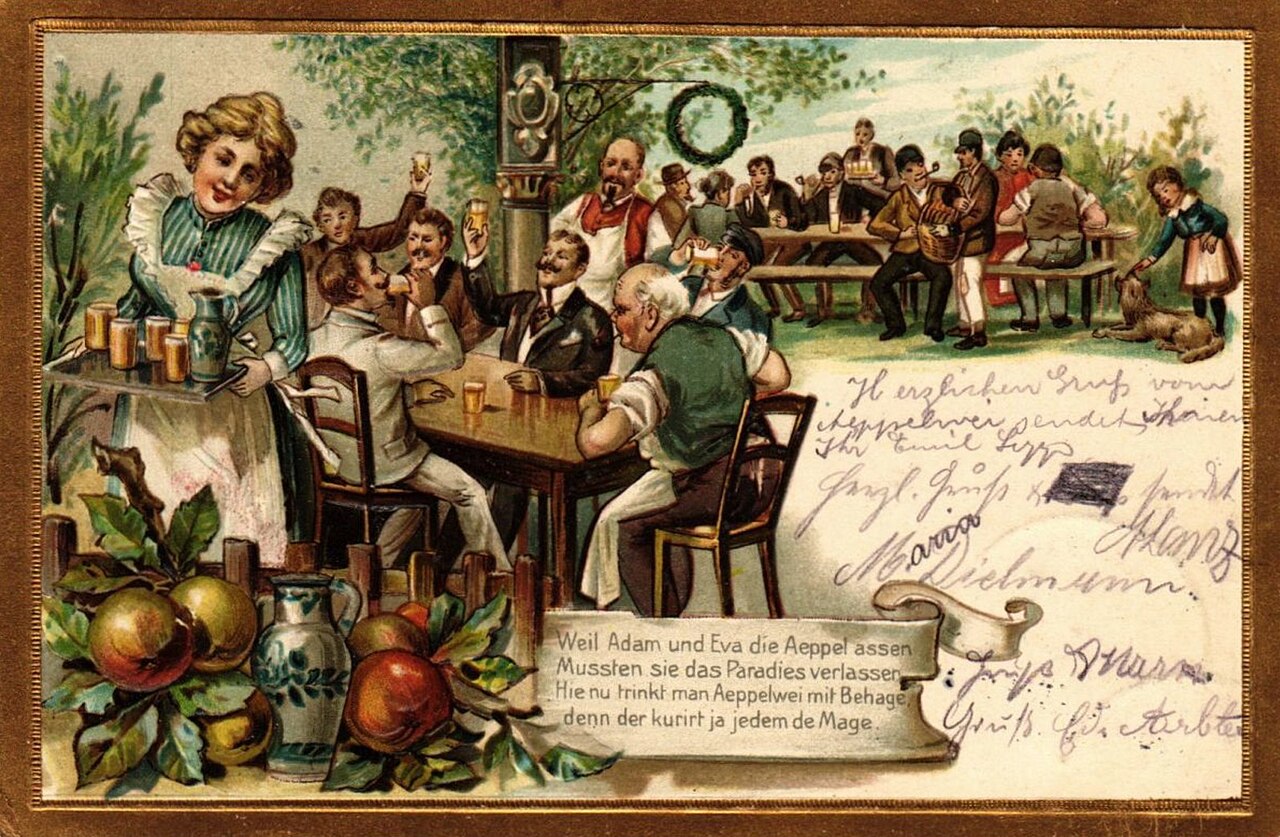
Serving Apfelwein is as much about the vessel as the liquid. The standard glass is called a Geripptes, distinguished by its lozenge-cut facets that refract light and, more practically, improve the drinker's grip. That grip feature is a holdover from an era when some meals were traditionally eaten without cutlery, making a secure hold on the glass essential. A full Geripptes holds 0.30 litres, about ten ounces, though some establishments also offer 0.25-litre or 0.50-litre versions.
In Frankfurt and its surroundings, a filled Geripptes is simply called a Schoppen. For larger pours, most establishments offer the Bembel, a paunchy jug made from salt-glazed stoneware, typically grey with blue-painted detailing, functioning much like a beer pitcher in other countries. In the Eifel region near Hunsrück, along the Moseltal, the lower Saar, and Trier, the equivalent container is called a Viezporz and is fashioned from white porcelain or stoneware. These vessels are not mere accessories; they are cultural artefacts that anchor the drinking experience in place and tradition.
Fairs, Queens, and Cider Songs
Apfelwein culture extends well beyond the restaurant table into a rich calendar of community events. Several of the producing regions host regular cider competitions and fairs where small, private producers enter their wares for judging, and cider songs are composed and performed at these gatherings. In Merzig, the region crowns a Viez Queen, while the lower Saar area elects a Viez King, titles that lend a playful, ceremonial air to what is essentially a local agricultural tradition. An annual Viez Fest takes place in Merzig, usually on the second Saturday in October, drawing visitors to celebrate the drink and its makers.
A dedicated Viez route, officially called the Route du Cidre, links Saarburg to the Luxembourg border, inviting travellers to sample the beverage at stops along the way. In Frankfurt's Sachsenhausen district, some of the most famous Apfelwein restaurants have become cultural landmarks. Even in the cold season, the drink takes on a medicinal role: heated with a cinnamon stick, cloves, and a slice of orange, it is served as a warming remedy against colds, much like mulled wine.
Reader's Guide
Apfelwein holds a significant place in German regional culture, particularly in Hesse where it is the state beverage. Its production and consumption are concentrated in areas such as Frankfurt, Wetterau, Odenwald, Moselfranken, Merzig, Trier, the lower Saar, and the Luxembourg border region. Several large producers operate alongside numerous small, private producers who use traditional recipes.
Some of the most famous restaurants serving Apfelwein are in Sachsenhausen, Frankfurt am Main. The beverage is deeply tied to local identity, as seen in the crowning of a Viez Queen in Merzig and a Viez King in the lower Saar area. Regular cider competitions and fairs allow small producers to participate, and cider songs are composed and sung at these events. The official Viez route (Route du Cidre) connects Saarburg with Luxembourg, and the annual Viez Fest in Merzig draws attention to the tradition.
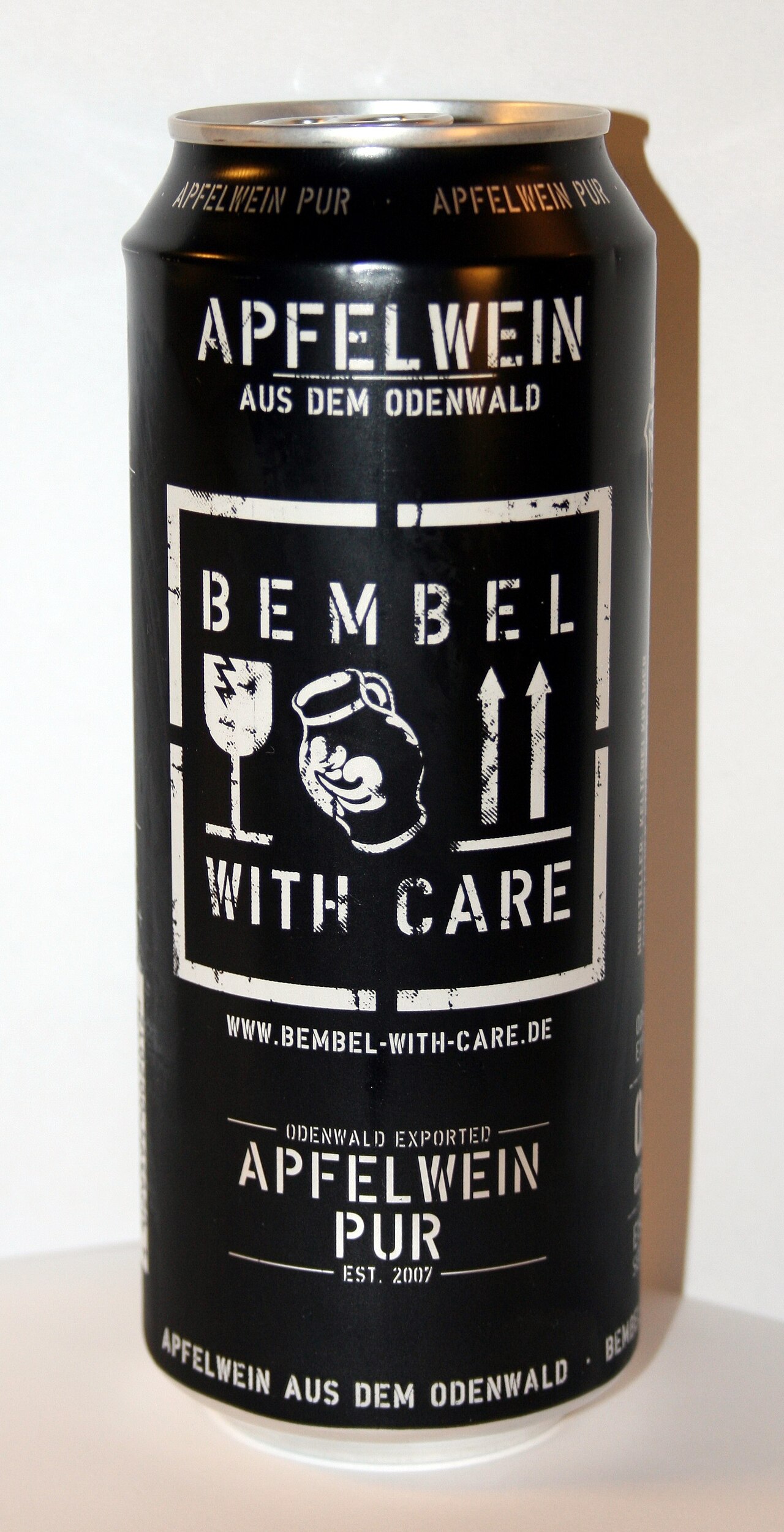
The serving vessels themselves—the Geripptes glass and the Bembel jug—are iconic, with the Bembel's salt-glazed stoneware and blue detailing being a recognizable symbol. Hot Apfelwein as a remedy for colds shows its place in domestic life. The addition of service tree berries for astringency in Speierling, and the modern extension of that name to any sour variety, illustrates how the drink adapts while maintaining its tart character.
More in Cider
Elsewhere in Cider and Mead
Sources
Compiled from Wikipedia and the sources listed below. Text from Wikipedia is available under CC BY-SA 4.0; this entry is adapted from it.
- Wikipedia: Apfelwein (CC BY-SA 4.0).
Spotted an error? Know more?
Reader corrections go straight into our review queue. Suggest an edit · How this site is sourced