Cider in the United Kingdom
The UK is Europe's largest cider producer.
Last updated
Cider is a common sight across the United Kingdom, found in pubs, off licences, and shops. Its production in areas suited to cider apples dates back to the Roman occupation, and in places like the West Country, it remains deeply woven into local traditions. The UK leads Europe in cider production, and the 21st century has brought a revival, with a wider range of producers, brands, and drinkers than ever before.
History
The story of cider in Britain begins with apples. Dessert and cider apples spread from the Mediterranean into Roman Gaul and Franconia. Later, northern Gaul—a mix of Gauls, Romans, and Celts—became Normandy, where lords cultivated apples on their lands.
The Normans likely brought continental apples to England; the word "cider" comes from the 12th-century French cidre. Yet older accounts exist. Saxon chronicles, written before their conquest of the Britons, mention drinks similar to cider and a beverage called æppelwīn—a term related to modern German Apfelwein, meaning apple wine.
Whether this ancient drink connects to the modern German one is unclear, but at least one record suggests it was a luxury for the wealthy. Evidence from the mid-to-late Anglo-Saxon period shows orchards being planted before, during, and after the Christianisation of the Saxons, with apples used in ceremonies like the Yuletide wassail. Monks also grew apples in their gardens.
More recent evidence points to Romans growing apples and pears in Britain. One of the Vindolanda tablets records that guardsmen near Hadrian’s Wall—largely from Asturias, a region with its own apple and cider culture predating Roman conquest—were seeking the best local apples.
Scholar Christine Fell suggests that a drink served in small cups found in Saxon burials was an apple-based alcohol sweetened with honey, which also acted as a fermentation aid. Journalist and beer scholar Martyn Comell notes that as the word "cider" rose in the 12th century, the term beór vanished entirely. It did not reappear until the 1500s, when "beer" was imported from the German bier and came to describe a grain-based alcohol, often brewed with hops and malt.
An archaeological dig in Gloucester in 2002 found that crab apples, besides being food, were pressed into an alcohol sweetened with honey.
Lore & Background
Since the early Roman era, dessert and cider apples had been spreading out of the Mediterranean and would have eventually been brought to Gaul and Franconia. The Normans were a vector for the arrival of continental apples to England—the word cider derives etymologically from the 12th-century French word cidre—but older accounts tell a different story. Saxon chronicles before their conquest of the Britons mention cider-like drinks and a drink called æppelwīn, an ancient cognate of Modern German 'apfelwein', both meaning a wine or alcohol made from apples. There is evidence from the mid-late Anglo-Saxon period of the growth of orchards and their ceremonial use, most famously the custom of Wassail at Yuletide, and monks grew apples in their gardens.
Roman evidence from the Vindolanda tablets indicates that Asturian-derived guardsmen near Hadrian's Wall were seeking the best local apples. One scholar, Professor Christine Fell, posits that a drink served was an apple-based alcohol using honey as a sweetener and extra fermentation agent. A journalist and beer scholar, Martyn Comell, notes that with the rise of the word cider in the 12th century, the use of beór as a word disappears entirely from use. Archaeological evidence from a dig in Gloucester in 2002 suggests that crab apples were also being pressed into an alcohol sweetened with honey.
With the invasion of 1066 the natural sugar in Norman apples slowly displaced the need for honey as a sweetening agent. Increased planting of apple trees began in earnest as soon as the feudal system introduced by William of Normandy could be secured. One of the earliest mentions of a named apple cultivar in English comes from the Plantagenet era near the end of the 12th century, 'Costard'. This apple was occasionally used in cider and remained popular until at least the 19th century.
Sylva, or A Discourse of Forest-Trees and the Propagation of Timber
In Renaissance England, a 'costermonger' was a seller of apples or wares and remained so until the 1960s, long after the apple it was named for became extinct. With the introduction of hops in the earlier reign of Henry VIII, the production of cider declined a bit but through the efforts of His Majesty's fruiterer new plantings of French varieties began in what is now Kent, setting the stage for more cross pollination and expansion into Herefordshire, Gloucestershire, and eastern Wales. In 1676, John Worlidge wrote his Vinetum Brittanicum, a treatise on the production and processing of apples. In 1702 an appendix was added to John Evelyn's previous publication Sylva, named 'Pomona: concerning fruit-trees in relation to cider, the making and several ways of ordering it'.
Origins & Global Reach
Somersby is a cider brand owned by the Danish brewing giant Carlsberg Group. It first hit shelves in Denmark in 2008, and from that single-market debut it has since expanded into more than forty countries worldwide. Its footprint spans every corner of Europe and stretches well beyond, reaching markets in Nepal, Australia, New Zealand, Malaysia, Hong Kong, Taiwan, Thailand, South Korea, Canada, Sri Lanka, South Africa, the United States, and even Laos.
The brand is pronounced "səməzbjʊ" and carries the name "Somersby Cider" in English-speaking markets. What began as a modest Danish launch has grown into a genuinely global beverage name, present on pub shelves and supermarket aisles across multiple continents. The sheer breadth of its distribution—from Southeast Asian markets to North American ones—underscores how Carlsberg has treated the brand as a serious international platform rather than a regional novelty.
The Fictional Lord
One of the most distinctive aspects of Somersby's marketing identity is the character of "Lord Somersby," a fictional English nobleman credited as the creator of the cider in many of the territories where it is sold. This is a deliberate branding choice, particularly notable given that the product is in fact the creation of the Danish Carlsberg Group.
The invented aristocratic persona gives the brand a sense of heritage and English tradition that resonates with consumers in markets like the United Kingdom, the United States, and other English-speaking countries. It is a clever piece of marketing that wraps a modern, internationally produced beverage in the language of old-world craftsmanship and lineage, even though no such lord ever existed. The fiction allows the brand to tell a story of tradition and quality that a straightforward corporate origin simply could not convey.
Product Range & Regional Adaptations
The Somersby name covers far more than a single apple cider. The range includes pear cider, a calorie-reduced apple variant, and a wide array of flavoured apple ciders featuring blackberry, rhubarb, elderflower, ginger and lemon, blueberry, apple burst, cranberry, citrus, and watermelon.
In Poland, the brand takes an entirely different form: because cider is relatively unpopular with local consumers and faces legal restrictions including a ban on advertising, Carlsberg uses the Somersby name for fruit-flavoured beers rather than cider. In Poland, Switzerland, France, and Quebec, the product is actually a blend of forty-five percent beer and fifty-five percent apple-flavoured drink, sold under the label "Apple Beer Drink" since it cannot legally be classified as cider. This regional flexibility shows how the brand adapts its very identity to local legal and cultural constraints.
The UK-Specific Cider
In 2012, Carlsberg's UK division developed a dedicated version of Somersby Cider tailored specifically to British tastes. This UK-specific product is a medium-dry cider at 4.5% ABV, and it is formulated without any artificial flavours or sweeteners.
This represented a distinct departure from the broader international range and signalled Carlsberg's intent to position Somersby as a serious cider offering in the British market rather than simply a flavoured, sweetened drink. The move acknowledged that UK consumers, with their long tradition of cider drinking, would expect a product that tasted authentically of apples and fermentation rather than added sugar and flavouring. It was a strategic recalibration to meet local expectations while retaining the global brand identity and the Lord Somersby narrative that had already established the name in British pubs.
Reader's Guide
Cider in the United Kingdom has a long history, with evidence of apple-based alcoholic drinks from the Roman and Anglo-Saxon periods. The drink became intertwined with local culture, especially in the West Country, and the UK is now the largest cider producer in Europe. The 21st century has seen a renaissance, with a greater diversity of producers, brands and consumers. There are two broad main traditions: the West Country tradition, using a higher percentage of true cider apples, richer in tannins and sharper in flavour; and the eastern Kent and East Anglia tradition, using a higher percentage of culinary and dessert fruit, clearer, more vinous and lighter in body and flavour.
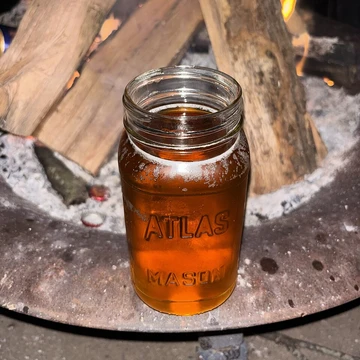
At one end of the scale are traditional, small farm-produced varieties, non-carbonated and cloudy orange, often sold only at the site of manufacture or in local pubs and shops. At the other end are factories mass-producing brands such as Strongbow and Blackthorn. Mass-produced cider is likely to be pasteurised and force-carbonated, golden yellow and clear.
White cider is almost colourless. The UK drinks the most cider in the world if one includes white cider, which would not legally qualify as cider in many other countries. Cider is available in sweet, medium and dry varieties. Recent years have seen a significant increase in cider sales, with a marked increase in demand amongst the young.
Frequently Asked Questions
What is Cider in the United Kingdom?
It refers to the long-standing tradition of fermented apple beverages made and enjoyed across Britain. You will find it as a staple in pubs, off-licences, and supermarkets throughout the country.
How far back does cider production in the UK stretch?
Its origins trace to the Roman occupation, when apple varieties migrated from the Mediterranean into Gaul and Franconia. In regions like the West Country, cider-making has stayed deeply embedded in local custom for centuries.
What sparked the modern cider revival in the UK?
The 21st century brought a wave of new producers, brands, and styles, giving drinkers the widest selection ever available. Major retailers such as Tesco grew their cider ranges by 60% since 2001, signalling a sharp rise in consumer interest.
More in Cider
Elsewhere in Cider and Mead
Sources
Compiled from Wikipedia and the sources listed below. Text from Wikipedia is available under CC BY-SA 4.0; this entry is adapted from it.
- Wikipedia: Cider in the United Kingdom (CC BY-SA 4.0).
- Word definitions: the Codexery glossary, each quoted from its Wikipedia article.
Spotted an error? Know more?
Reader corrections go straight into our review queue. Suggest an edit · How this site is sourced