Sima (mead)
Finnish sweet sparkling low-alcohol mead for Vappu.
Last updated
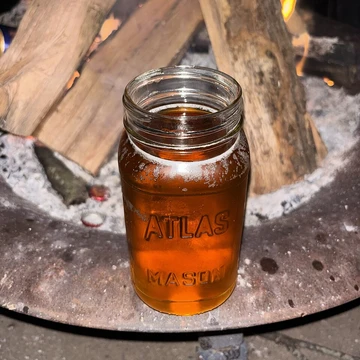
Sima is a Finnish beverage that is both a soft drink and a fermented, low-alcohol drink. Its roots are in mead, which is made by fermenting honey and water, but today honey is often swapped for various sugars, particularly syrup, turning it into a sugar wine.
Because fermentation is limited, the alcohol content stays very low. The result is a sweet, fizzy drink that is mostly tied to the Finnish Vappu festival and appears seasonally. Lemon flesh and rind are typically added for spice.
The Finnish term sima is an old word for honey. Elias Lönnrot used it to refer to a drink in his epic poem, the Kalevala.
History
Mead first arrived in Finland in the 1500s from Lübeck and Riga. The modern, low-alcohol version of sima emerged in the 1700s, created as a more refreshing summer drink. This recipe appears in Cajsa Warg’s cookbooks. In the 1900s, the drink became linked to the Finnish labour movement and Walpurgis Night celebrations.
Ingredients and preparation
Common ingredients include lemon, active dry yeast, and raisins. Sugar comes from brown sugar, white sugar, honey, or a mix. Some recipes add hops for extra flavor.
Water, lemon, and sugars are combined, boiled, and cooled to room temperature. Yeast is added, and the mixture sits overnight. It is then carefully poured into bottles, with a few raisins added to each.
During secondary fermentation, the raisins help control sugar levels and signal readiness: they swell from absorbed carbon dioxide and float to the top when the drink is done. Depending on temperature, sima is ready in three to seven days. It is served chilled. The alcohol content is usually low enough for children.
Carbonation comes from the yeast, and the drink is traditionally cloudy, not clarified or filtered. Because of this, traditional sima is a fresh product with a short shelf life; fermentation can continue in the bottle, raising the alcohol level. Commercial sima, sold as a soft drink with less than 1% alcohol, is filtered, clear, and contains no raisins.
Quick Facts
- Origin
- Finland
- Type
- Fermented low-alcohol drink, traditionally a form of mead
- Main ingredients
- Lemon
- active dry yeast
- raisins
- sugar (brown, white, honey, or combination)
- Alcohol content
- Very low, suitable for children; commercial sima has less than 1% alcohol
- Fermentation time
- 3 to 7 days
- Associated festival
- Vappu
Facts from the source article.
Lore & Background
Mead was originally brought to Finland in the 1500s from Lübeck and Riga. The modern concept of a low-alcohol sima originated in the 1700s, as it was developed to be a more refreshing summer beverage. This version of sima is found in the cookbooks of Cajsa Warg. During the 1900s, the drink became associated with the Finnish labour movement and the Finnish Walpurgis Night festivities.
Sima's usual ingredients include lemon, active dry yeast, and raisins. Sugar is added as brown sugar, white sugar, honey, or some combination of them. In some recipes, hops are included for added flavor.
The concoction of water and the lemon and sugars are mixed, boiled, and cooled to room temperature. The yeast is added and the mixture left to stand overnight. Then it is carefully decanted into bottles and a few raisins are added to each bottle.
During secondary fermentation, raisins are added to control the amount of sugars and to act as an indicator of readiness for consumption — they will swell by absorbing carbon dioxide and rise to the top of the bottle when the drink is ready. The sima will be ready in about three to seven days depending on its temperature. It is served chilled. Usually, the alcohol content is low and the drink is suitable for children.
Carbonation is produced by the yeast, and the drink is traditionally cloudy and not clarified or filtered. Because of this, traditional sima is a fresh product that does not store for long; fermentation may continue in a bottle and the alcoholicity may rise. Commercial sima (sold as a soft drink, with alcohol less than 1%) is filtered and clear, and contains no raisins.
Reader's Guide
Sima holds a distinctive place in Finnish culture as a seasonal beverage tied to the Vappu festival, where it is traditionally served with donuts, funnel cakes, or rosettes. Its evolution from a honey-based mead to a sugar-based low-alcohol drink reflects broader shifts in Finnish domestic brewing and taste. The drink's low alcohol content and sweet, lemony character make it accessible to all ages, and its homemade tradition persists alongside commercial filtered versions.
The use of raisins as both a fermentation control and a visual readiness indicator is a unique folk technique. Sima's association with the labour movement and Walpurgis Night festivities underscores its role as a celebratory, communal drink. While modern sima often replaces honey with sugar, the name itself derives from an old Finnish word for honey, used by Elias Lönnrot in the Kalevala.
The drink's limited shelf life and continued fermentation in the bottle preserve its character as a fresh, artisanal product. Commercial sima, by contrast, is a stable, clear soft drink. Sima is related to other fermented beverages such as kilju, kvass, soma, and tepache.
More in Mead
Elsewhere in Cider and Mead
Sources
Compiled from Wikipedia and the sources listed below. Text from Wikipedia is available under CC BY-SA 4.0; this entry is adapted from it.
- Wikipedia: Sima (mead) (CC BY-SA 4.0).
Spotted an error? Know more?
Reader corrections go straight into our review queue. Suggest an edit · How this site is sourced