
Cider in Ireland
Cider has been made in Ireland for hundreds of years.
Last updated

Kim Fyson · CC BY-SA 2.0
Cider is an alcoholic beverage made from apples, and it’s a common sight in Irish pubs, off-licences, and supermarkets. The drink has been produced in various parts of the island for centuries. In Irish, it’s called leann úll (which translates to “apple beer”) or ceirtlís, a word that comes from ceirt, an Old Irish term for an apple tree.
History
People in Ireland have been eating apples since at least 3000 BC—pips from the European crab apple (Malus sylvestris) were found at a site in County Meath. By the 7th or 8th century AD, the legal text Boetha Comaithchesa was already distinguishing between wild and cultivated apple trees, showing that apples were being grown at that time.
Traditional cider-producing areas included the counties of Armagh, Kilkenny, Tipperary, and Waterford. Monks in Ireland’s many Christian monasteries also made cider.
The earliest clear mention of cider in an Irish text comes from a 12th-century Ulster document; in 1155, a Mac Cana chieftain was praised for the quality of his cider. The Civil Surveys of the 1650s record many orchards and cider-making operations. From the 16th century onward, cider production became a major industry, boosted by Huguenot and German Palatine immigrants who brought their cider-making skills with them.
When Richard Pococke toured Ireland in 1752, he noted that Affane in County Waterford was famous for its cider, and that Shannon Grove near Pallaskenry had a cider house. The Great Famine (1845–49) caused a decline in cider making.
Government efforts sparked a revival in the late 19th century, but the world wars dealt another heavy blow. In 1935, William Magner opened a brewery in Clonmel and began producing cider on an industrial scale. In the early 21st century, Magners successfully rebranded cider to appeal to younger drinkers.
Present day
Today, cider makes up 7.5% of all alcohol consumed in Ireland. The Republic of Ireland goes through 64 million litres of cider each year—about 13 litres (or 23 pints) per person—and three-quarters of that is produced in Ireland. Craft cider is becoming more popular.
Cider makers often complain that high excise duty on ciders stronger than 6% ABV holds them back. There are 45 commercial apple growers in Ireland, with 29% of the apple-growing area devoted to cider apples. The most common cider apple variety is the Dabinett.
Quick Facts
- Share of alcohol consumed
- 7.5%
- Annual consumption
- 64 million litres (about 13 litres or 23 pints per person)
- Share of irish origin
- three-quarters
- Commercial apple growers
- 45
- Cider planting area
- 29%
- Most common cultivar
- Dabinett
Facts from the source article.
Lore & Background
Apples have been eaten in Ireland since 3000 BC, with pips of Malus sylvestris (European crab apple) found on a site in County Meath. The law tract Boetha Comaithchesa of the 7th/8th centuries AD distinguish between wild and cultivated apple trees, indicating that apples were being cultivated at the time. Traditional regions of production were the counties of Armagh, Kilkenny, Tipperary and Waterford; it was made by monks in Ireland's many Christian monasteries. The first definite mention of cider in an Irish text is in a 12th-century document from Ulster; in 1155, a Mac Cana chieftain was praised for the quality of his cider.
Civil Surveys of the 1650s contain numerous entries regarding orchards and cidermaking. Cider production was a major industry from the 16th century onward, with immigration from Huguenots and German Palatines bringing cider-making skills to Ireland. Richard Pococke toured Ireland in 1752, noting that Affane, County Waterford was famous for its cider, and that Shannon Grove near Pallaskenry had a cider house. Cider making went into decline at the time of the Great Famine (1845–49).
Government efforts produced a revival in the late 19th century, but the industry was hit hard again by the world wars. William Magner opened his brewery in Clonmel in 1935, producing cider on an industrial scale. Magners rebranded cider for young people in the early 21st century, to some success.
Today, craft cider is increasing in popularity. Cider makers complain that they are held back by high excise duty on ciders stronger than 6% ABV.
The Word's Long Journey
The term we use for this fermented apple drink has traveled an extraordinary linguistic path spanning millennia. In Old English, the beverage was straightforwardly called "apple wine." The word "cider" first surfaced in Middle English during the thirteenth century, appearing in biblical contexts as a reference to strong drink. By the fourteenth century, it had settled into forms like "sither" and "cidre," carrying the meaning of a liquor made from fruit juice.
The borrowing likely came from an Old French primitive form, and the specific sense of "fermented beverage from apples" first appeared in writing through the Norman chronicler Wace around 1130 or 1140. Tracing the root further back, the Old French word derives from a Gallo-Romance form found in Medieval Latin, itself an altered version of Church Latin for "fermented drink." That Latin term was borrowed from Greek, which in turn drew from Hebrew meaning "intoxicating liquor." Cognates ripple outward into Spanish, Portuguese, Italian, German, Breton, and Welsh, all tracing back to French. By the nineteenth century in America, the word had broadened to cover both unfermented pressed juice and the alcoholic product.
Ancient Roots and the Trial-and-Error Craft
The earliest recorded mention of cider stretches back to 55 BCE, when Julius Caesar, during his first attempted invasion of Britain, observed the native Celtic populations fermenting crabapples. He carried that discovery back across the Channel with his retreating forces, and the knowledge spread through continental Europe. In those early days, style was hardly a consideration; makers simply used whatever apples the cooler climates of Western Europe and Britain provided. The very first ciders were pressed from crabapples, the ancestors of the bittersweet and bittersharp varieties that English cider makers still prize today.
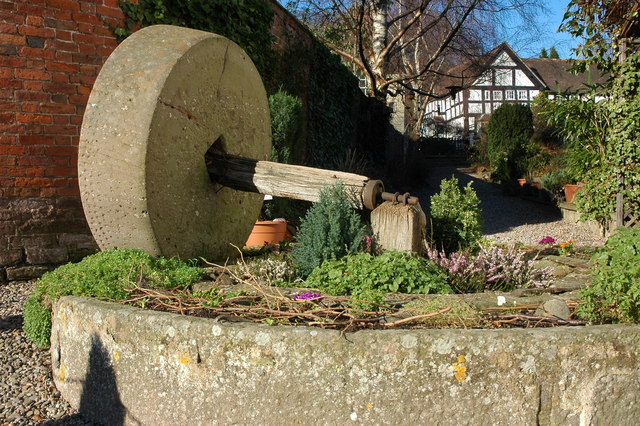
Production techniques evolved through generations of trial and error, shaped by spontaneous fermentation, the particular vessels at hand, local environmental conditions, and the specific apple varieties available. The English tradition leaned toward a drier, higher-alcohol product using open fermentation vats, while the French developed a sweeter, lower-alcohol style by exploiting sweeter apples and a process called keeving. Only much later, as cider became a commercial product and the science behind fermentation was better understood, did refinements and standardization begin to take hold.
A Global Beverage with Regional Character
Cider enjoys a remarkably wide footprint across the globe, yet its deepest roots remain in Britain and Ireland, where together the two nations record the world's highest per capita consumption and are home to the largest cider-producing companies. In the South West of England, ciders tend to carry a higher alcoholic content than their counterparts elsewhere. Beyond the British Isles, the drink has found devoted audiences across the broader Anglosphere, including India, South Africa, Canada, Australia, New Zealand, Hong Kong, and the United States, where New England and the Midwest are particularly noted for their cider culture.
France, especially Normandy and Brittany, Portugal in its Minho and Madeira regions, northern Italy in Friuli, and northern Spain in Asturias and the Basque Country all maintain strong cider traditions. Germany contributes its own tart variety known as Apfelwein from Rhineland-Palatinate and Hesse. In the United States and Canada, the term "hard cider" distinguishes the alcoholic product from the non-alcoholic pressed juice sold at cider mills, and Canadian law sets the alcohol content between 2.5 and 13 percent by volume.

Styles, Standards, and the Spectrum of Cider
Cider presents a wide spectrum of flavors, appearances, and strengths. On the taste axis, ciders range from bone-dry to noticeably sweet, and their visual character shifts from cloudy with sediment to perfectly clear, with colors spanning nearly colourless through amber to deep brown. These variations in clarity and hue are largely a product of filtering between pressing and fermentation, though some apple varieties yield a clear cider without any intervention. Sparkling ciders are more common than still ones, and modern mass-produced versions closely mimic the look of sparkling wine, while traditional brands tend to be darker, cloudier, and more intensely apple-forward in flavor.
White cider, almost colourless and typically sweeter, requires careful blending of multiple apple varieties to achieve its clarity and sits around seven to eight percent ABV. Legal frameworks vary considerably: UK law mandates at least 35 percent apple juice, the US sets a 50 percent minimum, France requires the drink to be made solely from apples, and CAMRA advocates that "real cider" contain at least 90 percent fresh apple juice. Alcohol content in traditional English ciders can reach 8.5 percent or higher, while continental ciders span 2.5 to 12 percent.
Reader's Guide
Cider in Ireland has a long and documented history, from the consumption of crab apples in prehistory to the cultivation of apple trees noted in early medieval law tracts. Its production was centred in counties Armagh, Kilkenny, Tipperary and Waterford, and was carried out in Christian monasteries. The first definite mention in an Irish text dates to the 12th century, and by the 16th century cider was a major industry, boosted by Huguenot and German Palatine immigrants. The Great Famine of the mid-19th century caused a decline, and later world wars further damaged the industry.
A revival in the late 19th century was short-lived. Industrial-scale production began in 1935 when William Magner opened his brewery in Clonmel. In the early 21st century, the Magners brand successfully rebranded cider for a younger audience.
Today, cider accounts for 7.5% of alcohol consumed in Ireland, with the Republic consuming 64 million litres annually, three-quarters of which is of Irish origin. Craft cider is growing in popularity, though producers face high excise duty on ciders above 6% ABV. There are 45 commercial apple growers, with 29% of planting area devoted to cider apples; the Dabinett is the most common cultivar. The legacy of Irish cider is one of resilience, adapting from monastic and farmhouse traditions to modern industrial and craft production.
More in Cider
Elsewhere in Cider and Mead
Sources
Compiled from Wikipedia and the sources listed below. Text from Wikipedia is available under CC BY-SA 4.0; this entry is adapted from it.
- Wikipedia: Cider in Ireland (CC BY-SA 4.0).
Spotted an error? Know more?
Reader corrections go straight into our review queue. Suggest an edit · How this site is sourced