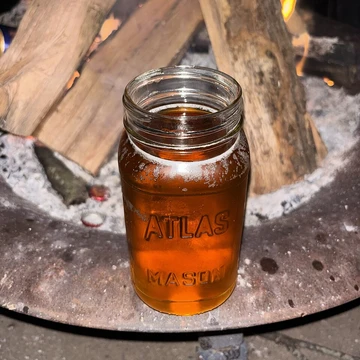
Cider house
An establishment selling cider for on- or off-premises consumption.
Last updated

Missvain · CC BY 4.0
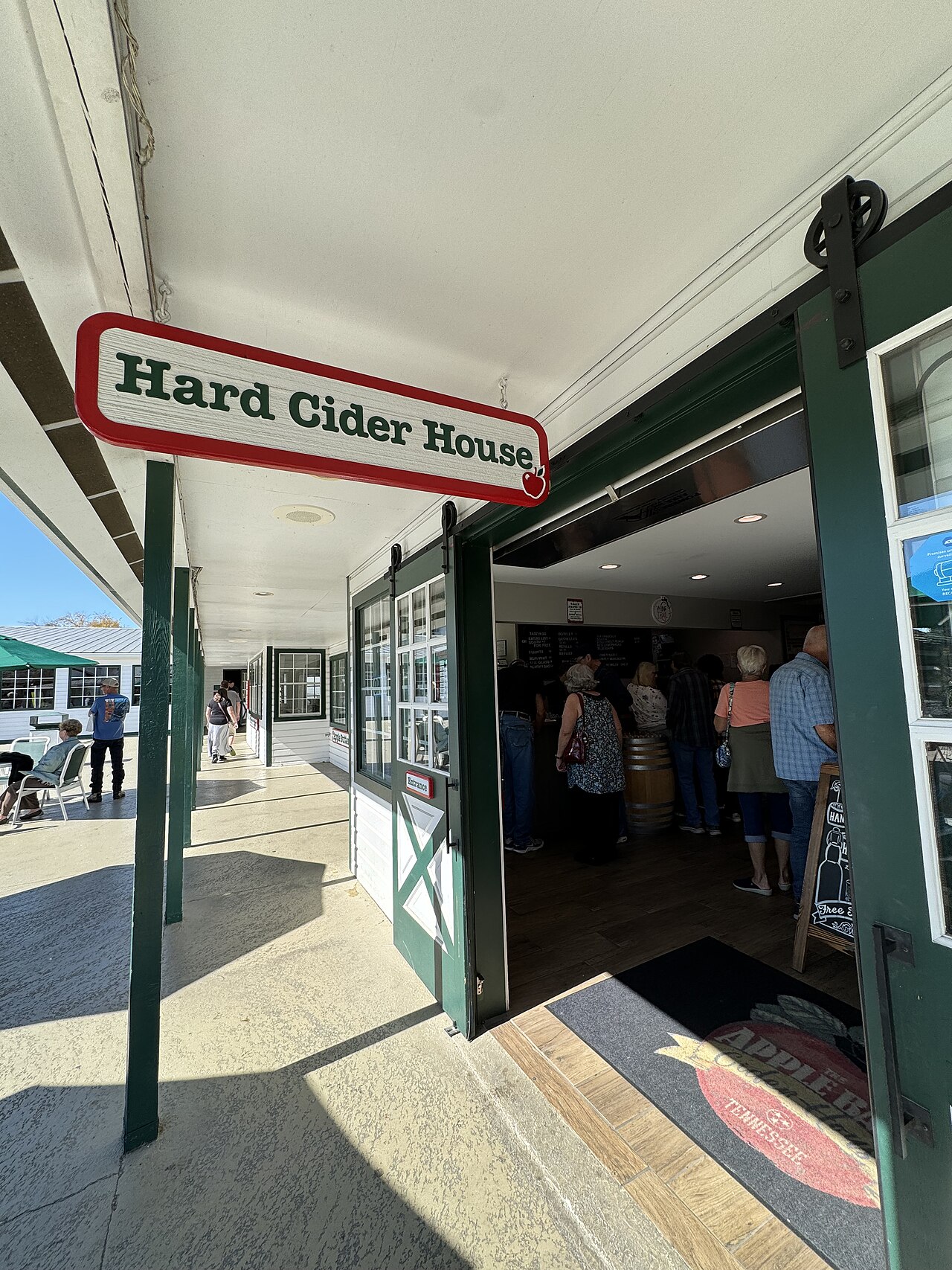
A cider house is a place where alcoholic cider is served to be drunk on-site, and some also offer cider to take away. Traditionally, these establishments were often simple rooms in a farmhouse or cottage, selling cider that had been fermented locally.
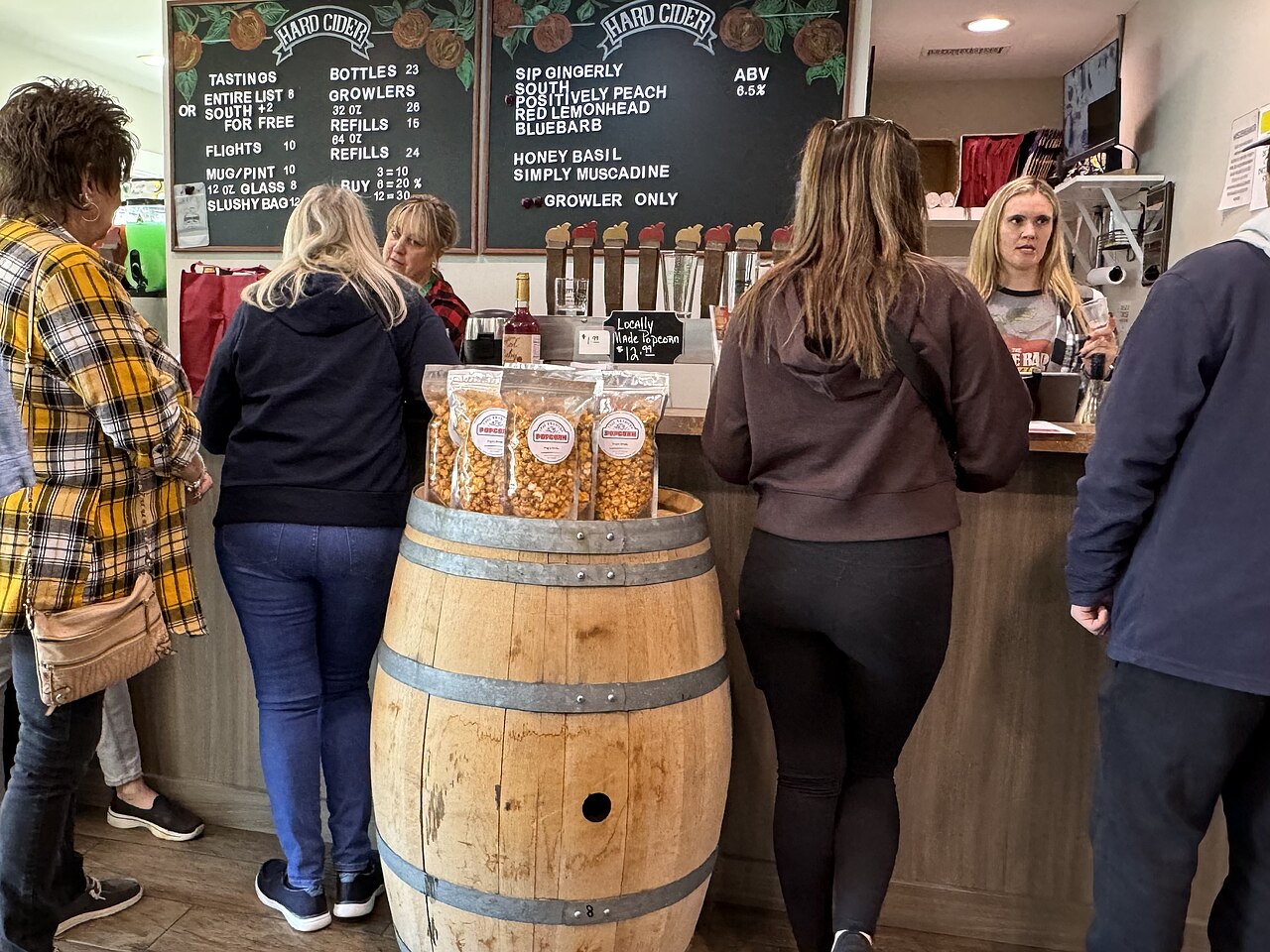
Cider houses were once widespread, typically selling cider made on the premises from apples grown in nearby orchards. In the United States, European colonists planted apple trees in the Massachusetts Bay Colony nine years after their first landing at Plymouth in 1620. The first distillery license in the U.S. was granted to The Laird & Company Distillery in New Jersey in 1780.
The Industrial Revolution led people to leave orchards for city jobs, causing many orchards to be abandoned and starting the decline of cider houses in the late 1800s. By the time Prohibition began in 1919, U.S. cider production had fallen to 13 million gallons, down from 55 million gallons in 1899. Due to changes in cider taxation in the early 1970s and shifting social habits, most cider houses now exist in name only.
Today, cider is one of the fastest-growing segments of the liquor industry, leading to a rise in new cider houses. With their growing popularity, cider museums have also appeared, where visitors can learn about the history of cider and cider houses.
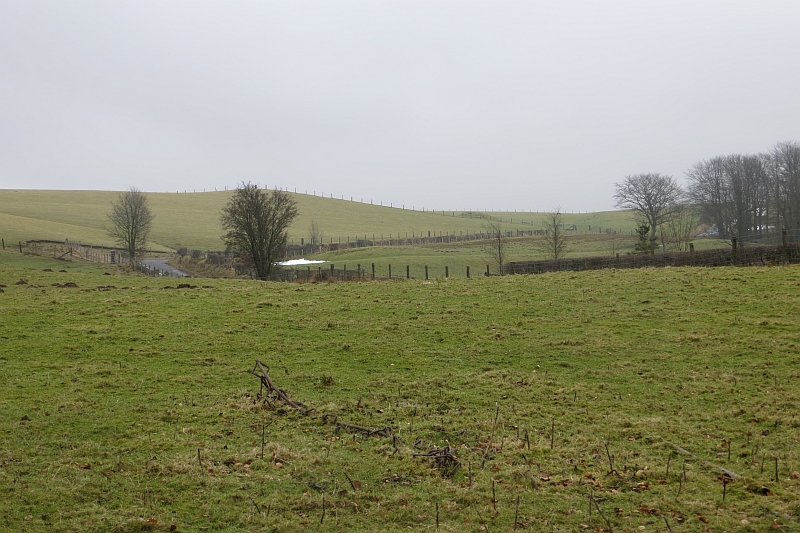
Cider houses are common in Asturias, where they are called sidrerías or chigres, and in the Basque Country, where they are known as sagardotegi. As cider gained popularity in the 21st century, especially in countries like Australia, bar-and-restaurant-style cider houses have opened, such as the Brunswick St Cider House in Melbourne. A few traditional cider houses still exist, for example, in the West Country of the United Kingdom. There are currently more than 725 cider houses and producers in the United States.
Lore & Background
Cider houses were once common, selling a product that was usually fermented on the premises from apples grown in a local cider orchard. In the United States, European colonists planted apple trees in the Massachusetts Bay Colony nine years after first landing at Plymouth in 1620. The Industrial Revolution caused people to leave the orchards and move to cities for work, leading to many orchards being abandoned and beginning the decline of cider houses in the late 1800s.

By the time Prohibition was enacted in 1919, cider production in the U.S. had slipped to 13 million gallons, down from 55 million gallons in 1899. Because of changes in the taxation of cider in the early 1970s and social changes, most cider houses now exist in name only. Today, cider is one of the fastest-growing segments of the liquor industry, leading to the emergence of more cider houses. With their popularity, cider museums are also emerging, where people can learn the history of cider and cider houses.
Cider houses are common in Asturias, where they are called sidrerías or chigres, and in the Basque Country, where they are called sagardotegi. As cider has gained popularity during the 21st century, especially in countries such as Australia, bar and restaurant style cider houses are opening; the Brunswick St Cider House in Melbourne is an example. A few do still exist in, for example, the West Country of the United Kingdom.
Reader's Guide
Cider houses represent a traditional form of retailing alcoholic cider, rooted in local apple orchards and on-site fermentation. Their historical significance is tied to early colonial agriculture in the United States, where apple trees were planted soon after the Plymouth landing. The decline of cider houses in the late 1800s reflects broader shifts from rural to urban life during the Industrial Revolution, and later Prohibition further reduced cider production. Changes in cider taxation in the early 1970s and evolving social habits caused most cider houses to survive only in name.
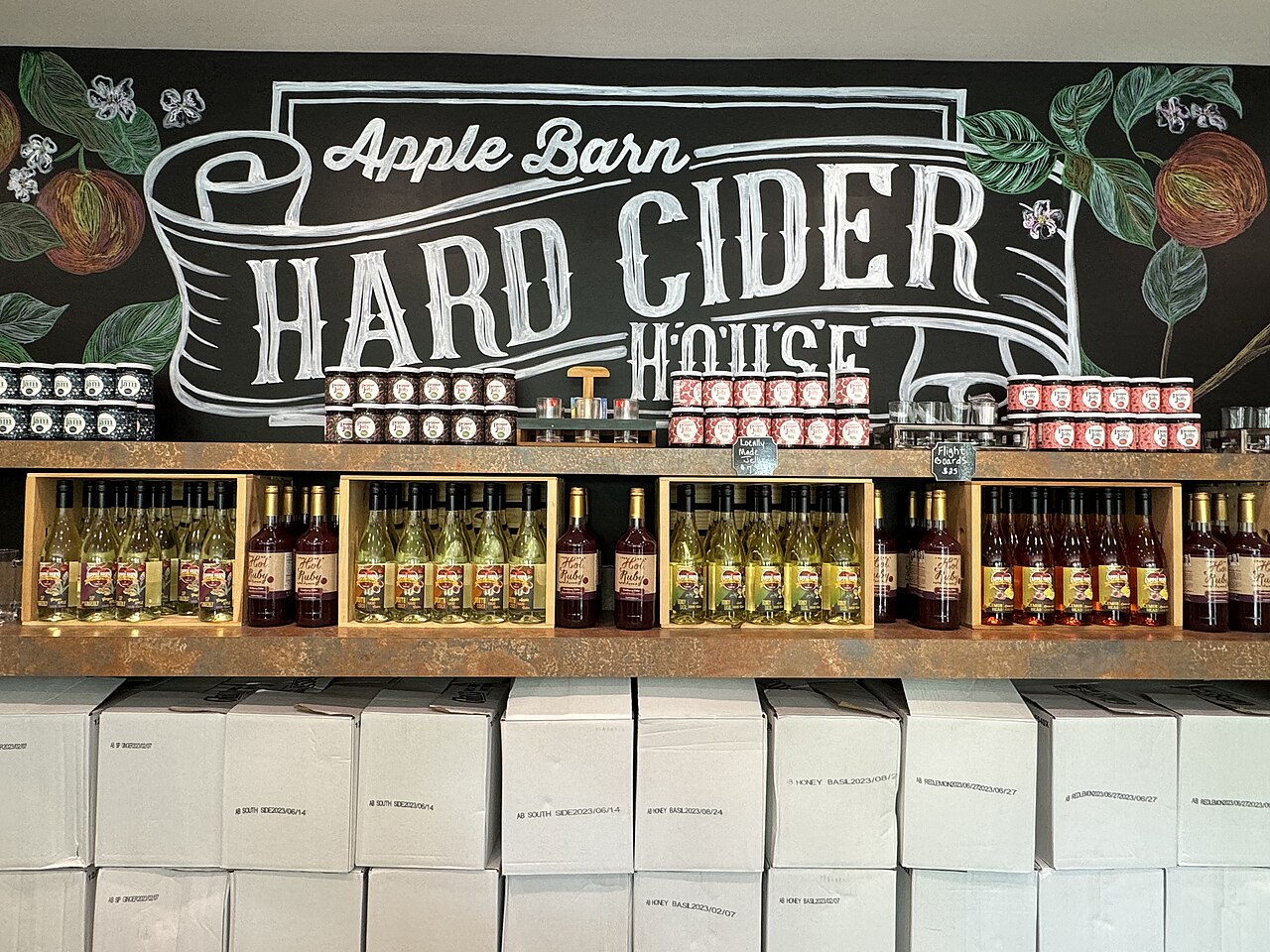
However, the recent resurgence of cider as a fast-growing segment of the liquor industry has revived interest in cider houses, both as drinking establishments and as subjects of museum exhibits. Regional variations persist, such as the sidrerías of Asturias and the sagardotegi of the Basque Country, and new bar-style cider houses have opened in countries like Australia. The legacy of cider houses is thus one of adaptation: from farmhouse rooms to modern urban venues, while still maintaining a connection to local cider production and heritage.
More in Cider
Elsewhere in Cider and Mead
Sources
Compiled from Wikipedia and the sources listed below. Text from Wikipedia is available under CC BY-SA 4.0; this entry is adapted from it.
- Wikipedia: Cider house (CC BY-SA 4.0).
Spotted an error? Know more?
Reader corrections go straight into our review queue. Suggest an edit · How this site is sourced