Chuño
Preserved potato product from Andean communities.

Jhulis · CC BY-SA 4.0
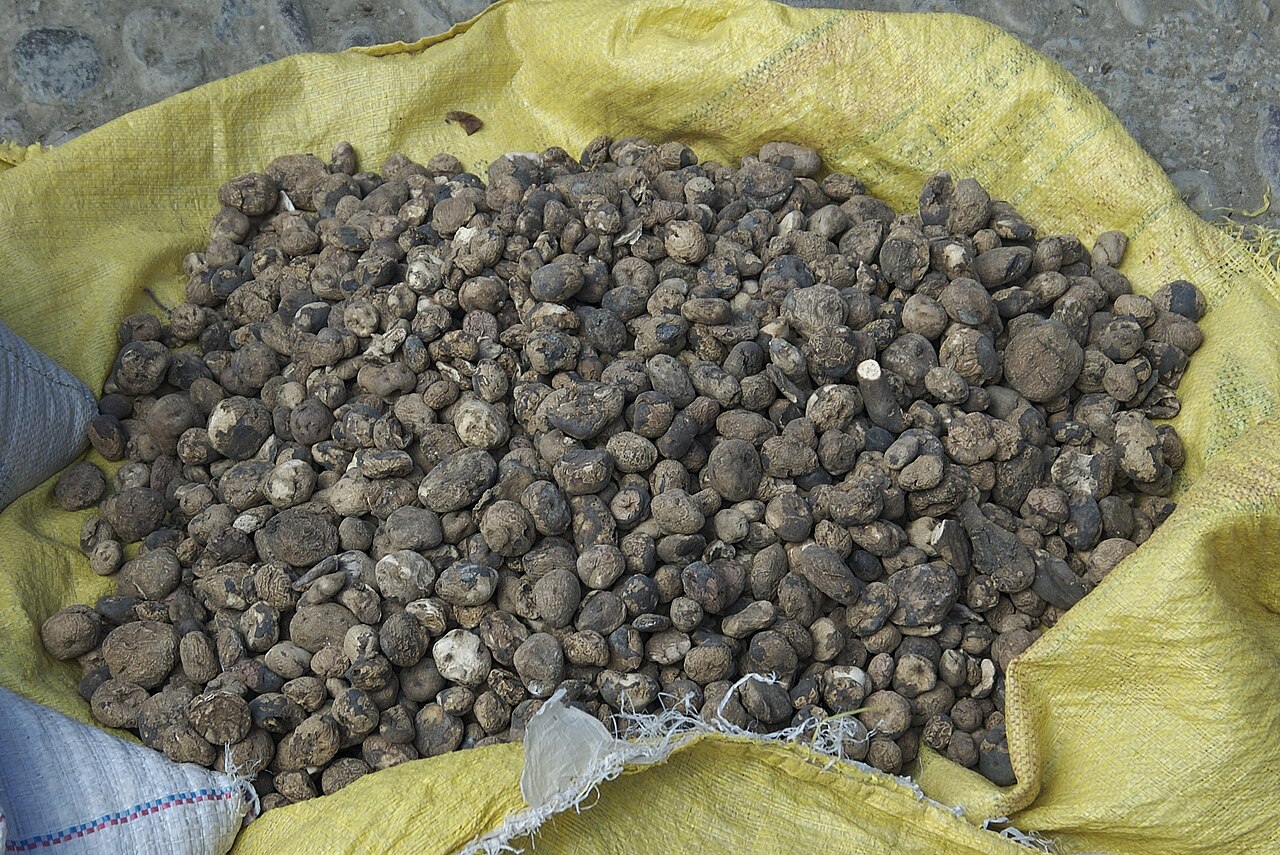
Chuño is a preserved potato product traditionally made by Quechua and Aymara communities of Bolivia and Peru. It is known in various countries of South America, including Bolivia, Peru, Chile and Northwest Argentina. The existence of chuño dates back to the Tiwanaku civilization (c. 500–1000 AD), well before the rise of the Inca Empire, based on findings at archaeological sites such as Tiwanaku. It was described in 1590 by Spanish chronicler José de Acosta.
Quick Facts
- Country
- Bolivia and Peru
- Main Ingredient
- Potatoes
Facts from the source article.
Lore & Background
Chuño is made at the beginning of winter during June and July, when temperatures reach around −5 °C at elevations over 3,800 metres. After the fall harvest, small potatoes are selected and spread on flat ground to freeze at night and dehydrate in the daytime for about three nights. This natural freeze-drying process is followed by trampling by foot, traditionally by extended family groups and their pets, to remove water and skins. The potatoes are then left for over a week depending on weather conditions.
Reader's Guide
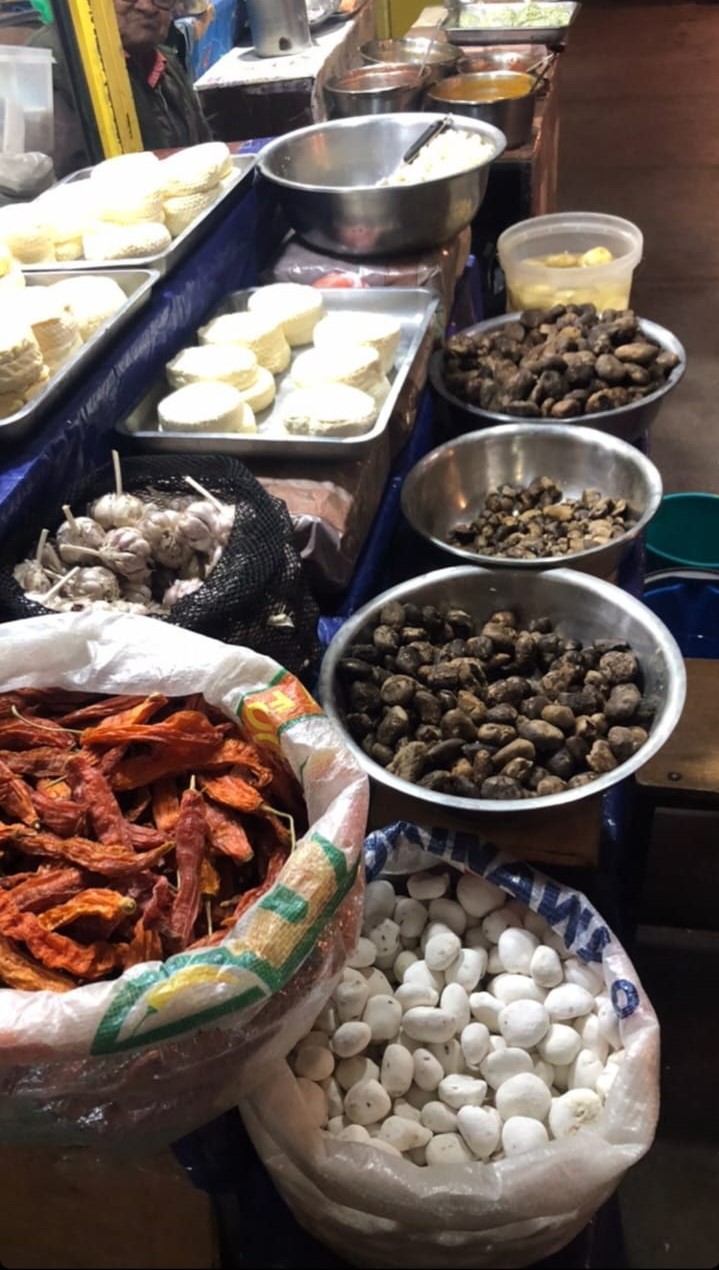
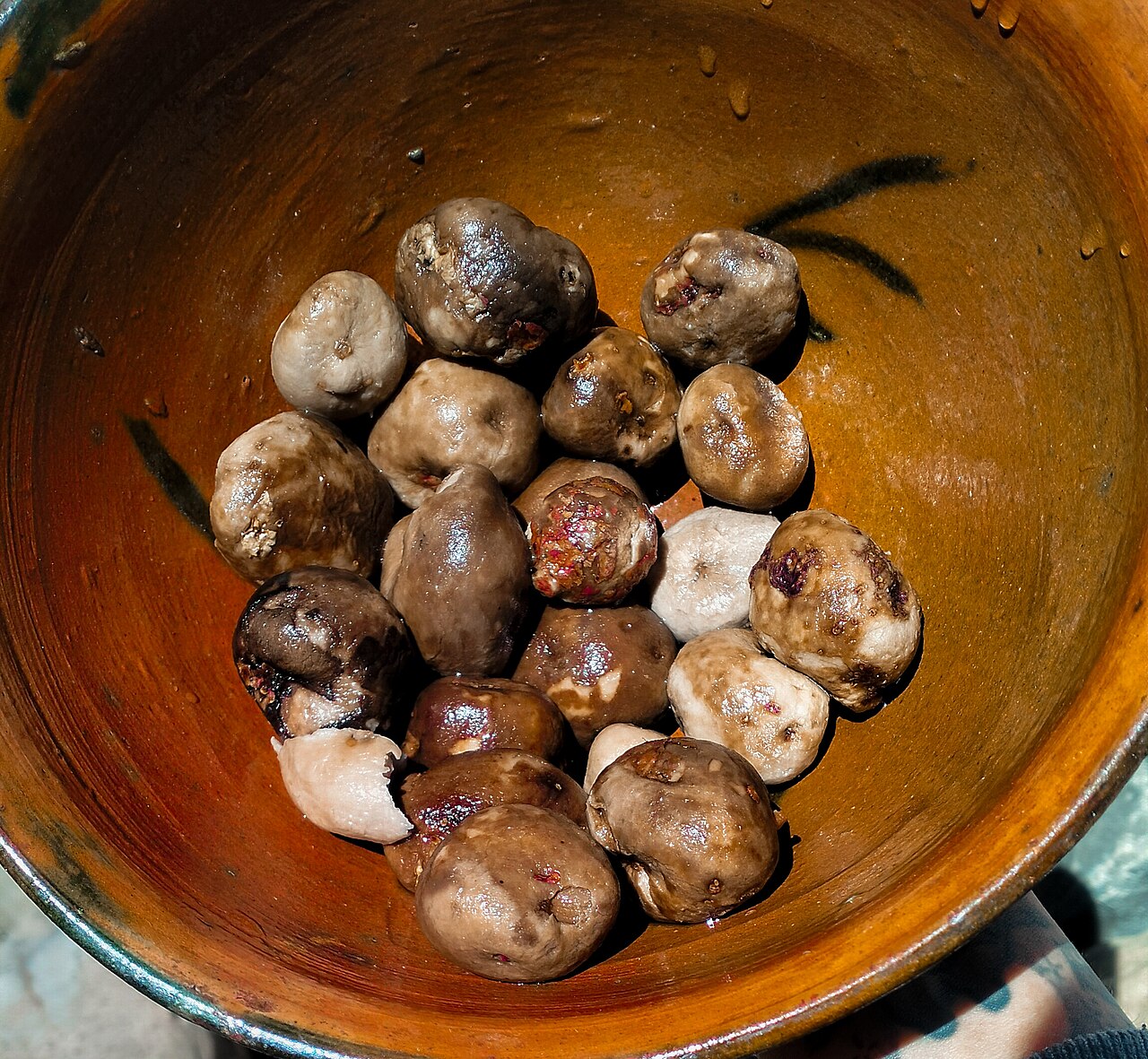
Chuño is significant as a traditional preservation method that allowed Inca soldiers to carry portable, long-lasting, nutritious food on marches. Carl Troll argued that the nighttime sub-freezing temperatures of southern Peruvian highlands that enabled chuño production favored the rise of the Inca Empire. Two varieties exist: white chuño (also called tunta in Bolivia), obtained by washing the frozen potatoes, and black chuño, made directly from freezing, trampling, and sun-drying without washing. Black chuño is more likely to be kept and consumed by farmers. Once dried, chuño can last for decades with minimal care. It is used in desserts, prepared dishes, and as flour essential in Peruvian cuisine. Traditional soups include chairo (Bolivia) and jakonta. In Bolivia, chuño is not considered interchangeable with regular potatoes in certain recipes.
Did You Know?
- The word chuño comes from Quechua ch'uñu, meaning 'frozen potato'.
- Chuño is exclusively made from potatoes, not from lily roots.
Ancient Roots and Imperial Significance
The practice of preserving potatoes through the brutal cycles of Andean winter predates the Inca Empire by centuries. Archaeological evidence recovered at Tiwanaku—a site of a culture that flourished on the Collao Plateau spanning parts of modern Bolivia and Peru—confirms that frozen potato products existed as early as the thirteenth century. The name itself, ch'uñu, derives from Quechua and translates straightforwardly as 'frozen potato,' though speakers in the Junín Region of Peru use the same word to mean 'wrinkled.' Spanish chronicler José de Acosta documented the product as early as 1590, attesting to its long-standing presence in highland life. Beyond its culinary role, chuño carried strategic weight: Inca soldiers relied on it during long marches because it was light, nutritionally dense, and could be stored without refrigeration. The geographer Carl Troll went further, suggesting that the reliable sub-freezing nights of southern Peru's highlands—which made this preservation technique possible—actually helped enable the Inca state to expand and sustain large armies. A lesser-known variant, called chuño de liuto or chuño de concepción, is produced not from potatoes at all but from the starchy storage roots of Alstroemeria ligtu.
The Rhythm of Freezing, Sun, and Feet
Chuño production is tightly bound to the Andean winter calendar. After the autumn harvest in April and May, small, frost-resistant potatoes are set aside for the process, which begins in June or July when nighttime temperatures at altitudes above 3,800 metres plunge to roughly minus five degrees Celsius. The selected tubers are spread closely together on flat ground and left to the elements: three successive nights of deep freezing alternate with days of intense Altiplano sunlight, producing what is essentially a natural freeze-dry. Once the cell walls have been broken down by this cycle, the potatoes are moved to a chuñochinapampa—a flat open area whose Aymara name literally means 'the place where the chuño is made.' Here the most communal stage begins. Extended families, often accompanied by their animals, gather to trample the half-dried potatoes by foot. They build small mounds and dance across them, squeezing out the last traces of moisture and tearing away the skins. Whatever skin remains is picked off by hand. The potatoes then sit in the open for more than a week, weather permitting, before the next stage of processing.
White and Black: Two Paths from the Same Field
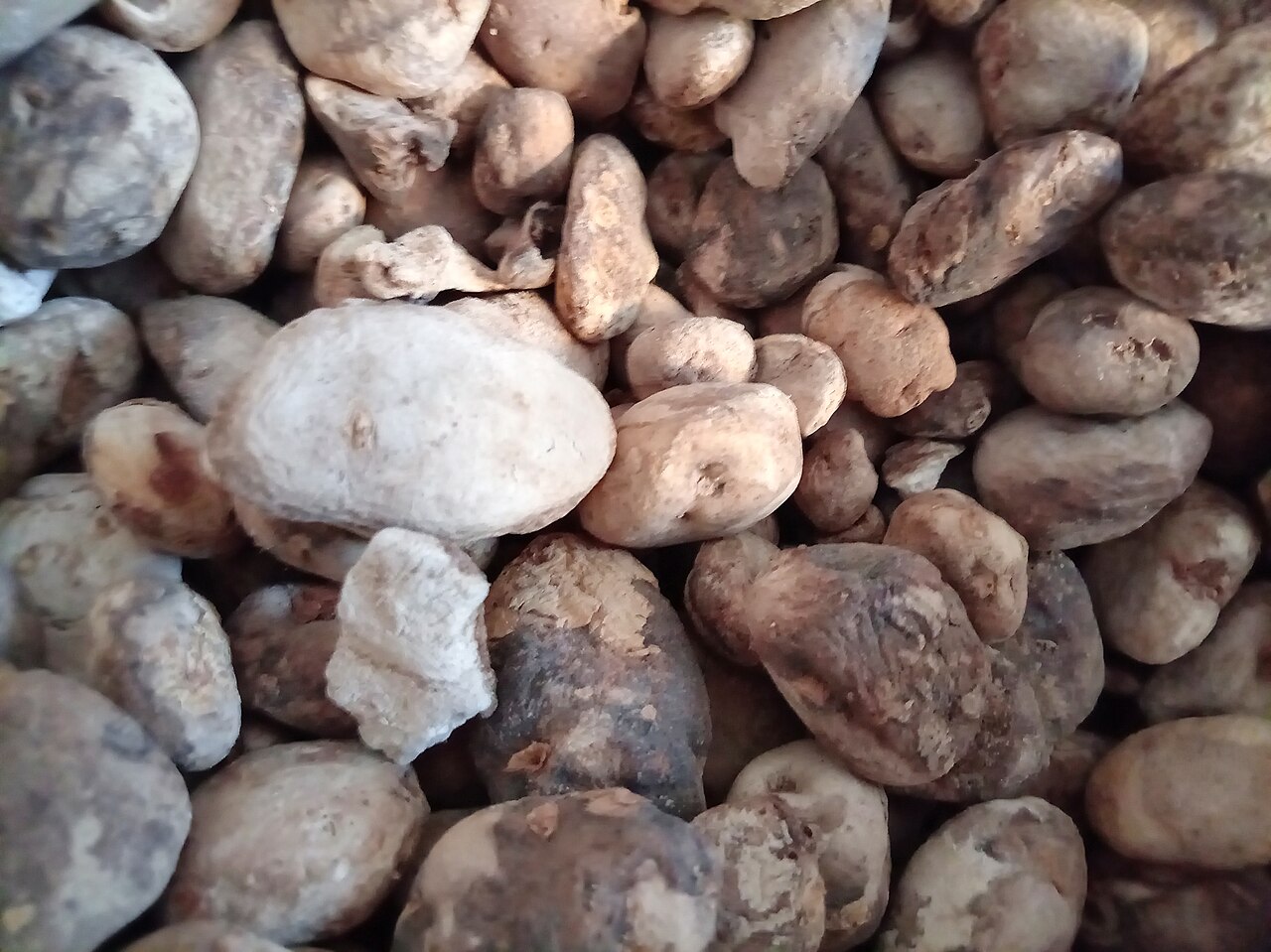
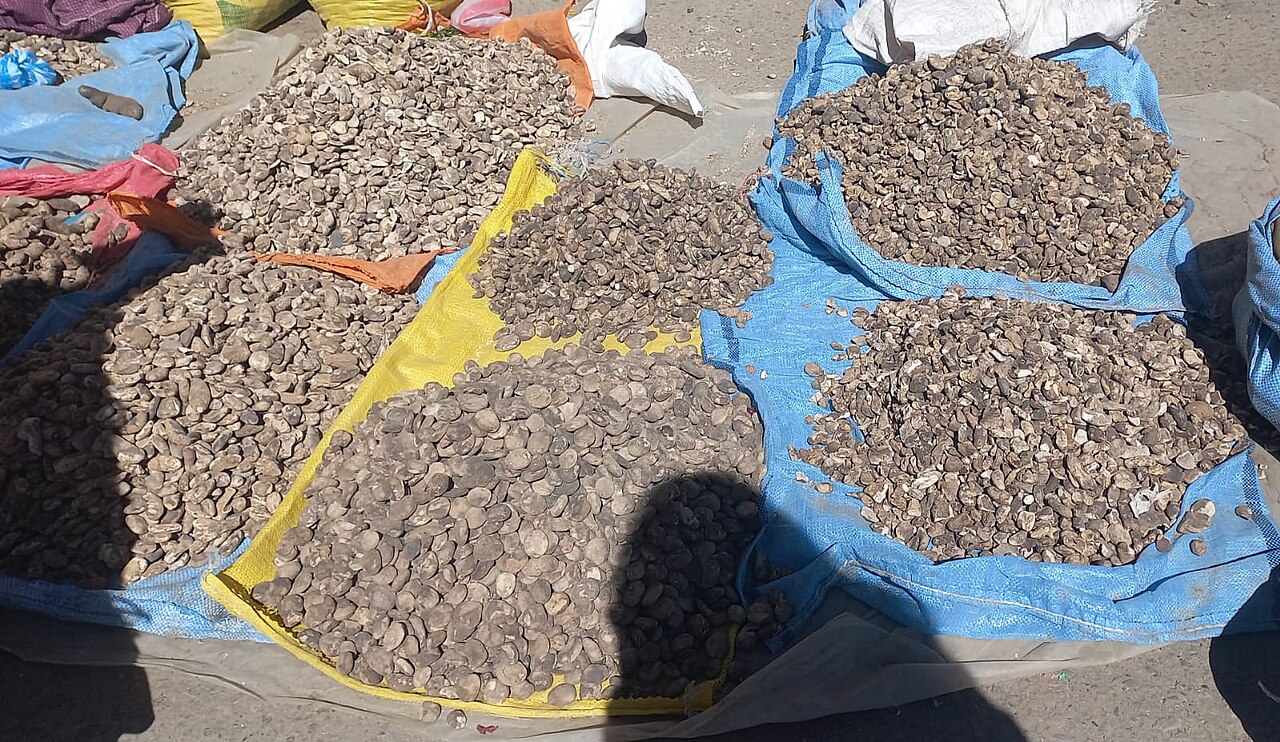
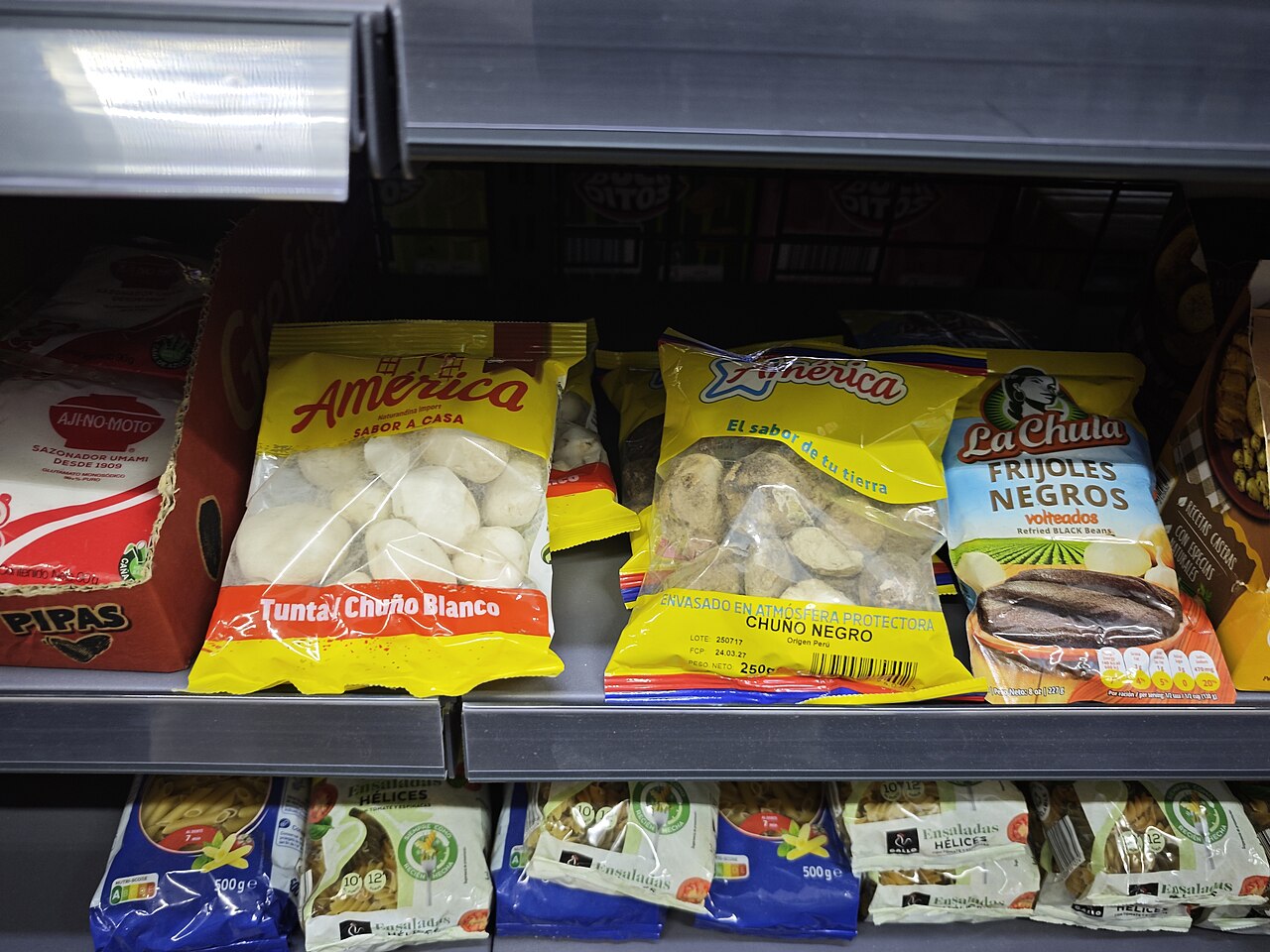
From the shared foundation of freezing, trampling, and refreezing, the process branches into two distinct products. White chuño requires an additional washing step. In Bolivia, the frozen tubers are laid on blankets or straw and continuously misted with water; in Peru, they are carried down to a river and submerged in shallow pools. This washing phase can last about a week, after which the potatoes are spread out and sun-dried to completion. The finished product is sometimes called papas secas, or 'dry potatoes,' and in Bolivia it goes by the additional name tunta. Black chuño, by contrast, skips the washing entirely. After the initial freeze-dry, trampling, and a second round of freezing, the potatoes are simply left in the sun to dry. Because black chuño involves fewer regional variations in technique, it tends to be the variety that farming families keep for their own kitchens, while white chuño is the more commercially traded form. The distinction matters to consumers: the two products differ in texture, flavor, and how they behave in a pot, reflecting the different treatment each receives on the chuñochinapampa.
A Staple That Outlives Generations
Once fully dried, chuño demands almost no special storage and can remain edible for years, even decades, making it one of the most resilient preserved foods in the Andean world. Its culinary range is wide: it appears in desserts, in hearty prepared dishes, and ground into a flour that has become an essential ingredient across Peruvian cooking. In Bolivia, the traditional soup chairo is built around ground chuño combined with meat and vegetables; cooks there insist that the dish is fundamentally different without it, and while wheat or carrots in the recipe might be swapped, the chuño itself is non-negotiable. In the southern Peruvian regions of Arequipa and Puno, another classic soup called jakonta uses whole pieces of chuño rather than ground. More simply, the dried product can be served alongside a variety of sauces. In Bolivian kitchens, chuño is not treated as a mere substitute for a fresh potato; in specific recipes the two are considered entirely separate ingredients, each bringing its own texture and depth. This cultural distinction underscores chuño's identity as a product of its own, shaped by altitude, climate, and generations of Quechua and Aymara knowledge.
Gallery
Frequently Asked Questions
Who is Chuño?
Chuño is a dehydrated potato product born from the culinary traditions of Quechua and Aymara peoples in the Andes. It has long been a staple across Bolivia, Peru, Chile, and Northwest Argentina.
What is Chuño's origin story?
Archaeological evidence from sites like Tiwanaku places the practice of making chuño back to roughly 500–1000 AD, predating the Inca Empire by several centuries. The name itself comes from the Quechua word ch'uñu, which simply means 'frozen potato'.
How does Chuño's transformation process work?
The key ingredient is a specific bitter, frost-resistant potato variety that undergoes alternating freezing and drying cycles over approximately five days. This natural freeze-drying method strips out moisture so the potato can be stored for extended periods.
When did Chuño first get a written mention in the record?
The earliest known European description of chuño comes from Spanish chronicler José de Acosta in 1590. Before that, its existence was known only through indigenous practice and traces left at archaeological sites.
Why does Chuño matter in the Andean culinary world?
It represents one of the oldest food-preservation techniques in the Americas, letting highland communities stockpile calories through lean seasons. Its continued use in Chile and neighboring countries keeps a direct, living link to pre-Columbian foodways.
More in Chilean cuisine 1-24
Spotted an error? Know more?
Reader corrections go straight into our review queue. Suggest an edit · How this site is sourced