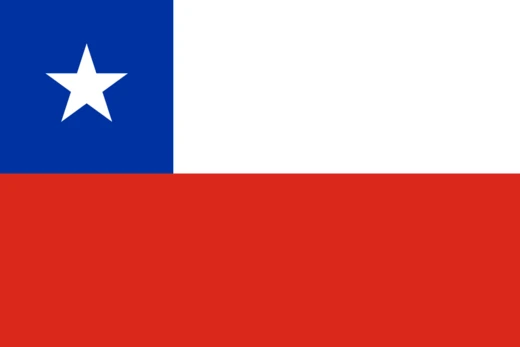
Chilean cuisine
Chilean cuisine blends indigenous, Spanish, and immigrant traditions.

E4024 · CC BY-SA 4.0
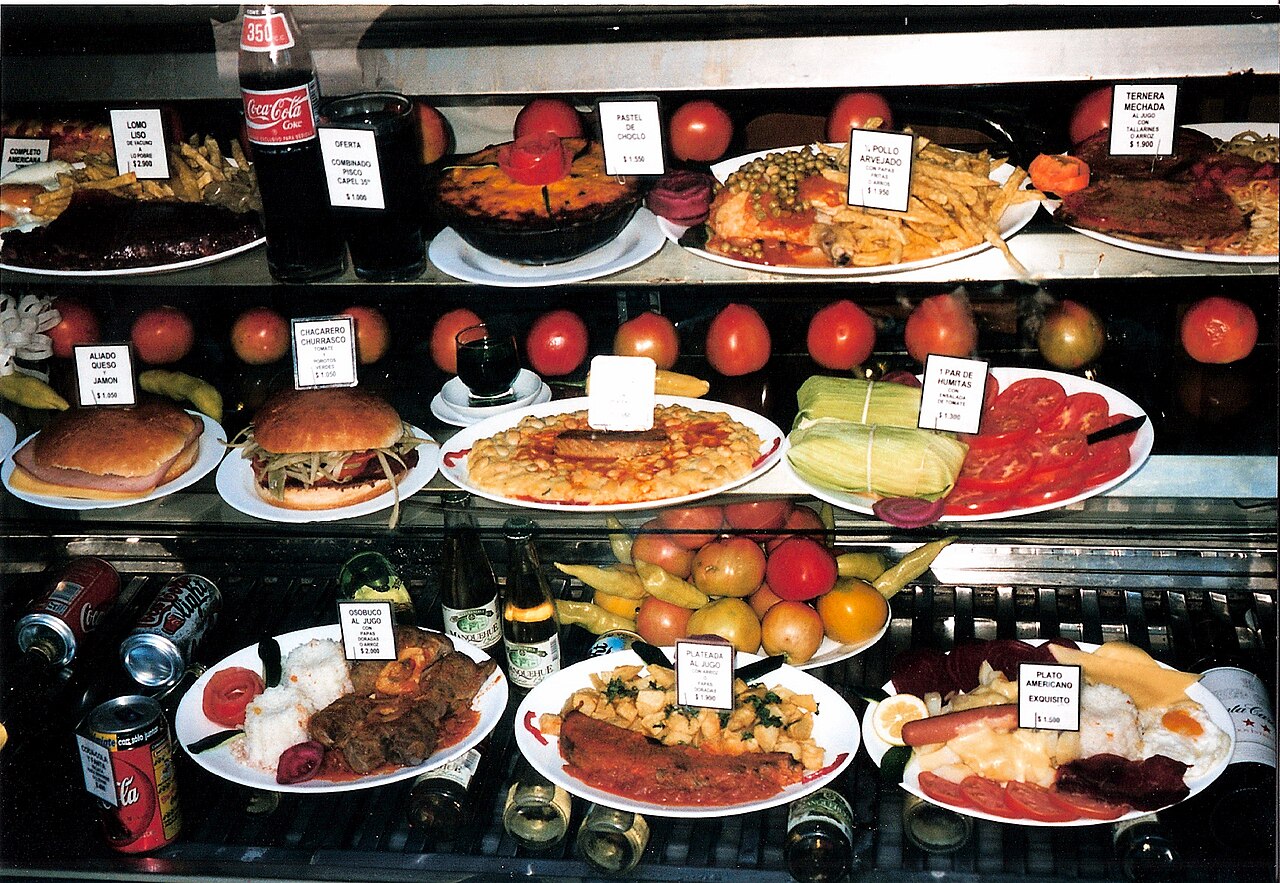
Chilean cooking is built on a blend of Spanish traditions, the foodways of the Mapuche people, and native ingredients, later shaped by influences from Germany, the United Kingdom, and France. The country’s varied geography and climate support a wide range of crops, fruits, and vegetables, giving its dishes a broad spectrum of flavors. A long coastline and a deep connection to the Pacific Ocean bring in plenty of seafood, including unique fish, shellfish, crustaceans, and seaweed, thanks to the oxygen-rich Humboldt Current. Chile is also a major wine producer, and local wines often enhance or accompany meals. Dulce de leche, a caramel-like confection, is beloved across Latin America, though its origins are disputed among several countries, with Argentina and Uruguay often claiming it as their own. The cuisine shares some traits with Mediterranean food, since the Matorral region between 32° and 37° south is one of the world’s five Mediterranean climate zones.
When Spanish conquerors led by Pedro de Valdivia arrived in 1540, they brought wheat, pigs, sheep, cattle, chickens, and wine—staples that would become central to Chilean cooking. Native peoples contributed potatoes, maize, beans, and seafood. These basic ingredients combine in most characteristic Chilean dishes. After the colony was established, foods like chuchoca (coarsely ground dried corn), humitas, locro, and seaweeds such as cochayuyo and luche served with boiled eggs became common. Colonial meals were heavy and rich. Lunch was the larger meal, starting with a *de residencia* dish of fish, meat, or poultry, followed by a *guiso* stew with choclo (fresh sweet corn) and potatoes. Three types of bread accompanied meals: *tortilla de rescoldo*, Spanish bread (made with fatty dough), and Chilean bread (flat and crunchy). Lunch and dinner ended with herbal infusions, often paico to aid digestion, and fruit for dessert, usually strawberries and lucumas.
In the 1600s, pastry became popular thanks to nuns who baked it in convents. The saying “tiene mano de monja” (“s/he has the hands of a nun”) dates from this time and describes someone skilled at baking or cooking. The nuns’ pastry recipes quickly spread among the wider population.
- Field
- Cuisine
- Nationality
- Chilean
- Known for
- Combination of Spanish, Mapuche, and European influences; seafood; wine; empanadas
Lore & Background
With the arrival of the Spanish conquerors led by Pedro de Valdivia in 1540 came wheat, pigs, sheep, cattle, chickens and wine, while native peoples contributed potatoes, maize, beans, and seafood. After the colony was established, dishes like chuchoca, humitas, locro, and seaweeds such as cochayuyo and luche became popular. In the seventeenth century, pastry was popularized by nuns in convents, and geese and turkeys were introduced by Spanish colonizers (turkeys had reached Europe from Mexico in the 1500s), while melons and watermelons, already spread by Europeans across the Americas, became part of Chilean gardens. During the eighteenth century, tea and coffee began to replace mate, Chilean wine became popular, and people started to drink chicha. During the early years of Chilean independence, Chileans celebrated with empanadas, chicha and red wine.
Reader's Guide
Chilean cuisine is significant for its fusion of indigenous Mapuche ingredients with Spanish colonial staples and later European immigrant influences, particularly from Germany, Italy, and France. The country's diverse geography—from the Atacama Desert to the southern archipelagos—and the Humboldt Current provide a wide range of agricultural produce and seafood. Chile is one of the world's largest producers of wine, and many recipes are enhanced by local wines. The confection dulce de leche was invented in Chile and is a notable contribution to world cuisine. Immigration in the late nineteenth and early twentieth centuries brought German sausages and pastries, Italian pasta and prosciutto, and French culinary techniques. The cuisine shares similarities with Mediterranean cuisine due to the Matorral region's Mediterranean climate. Today, Chilean gastronomy continues to develop with greater disposable income and a rich gastronomic industry.
Cuisine as Cultural Language and Social Ritual
Cuisine functions far beyond mere sustenance. It operates as a symbolic vocabulary through which communities articulate their deepest values, collective memory, and sense of belonging. The particular ingredients chosen, the techniques passed down, and the dishes that anchor a table all encode a society's history, geography, and self-understanding in ways that no written text can replicate.
This symbolic dimension becomes most visible during moments of gathering. Religious observances, family milestones, and communal celebrations are punctuated by specific preparations that carry inherited meaning. The physical act of cooking and sharing a meal is itself a ritual of transmission, carrying practical knowledge and emotional significance from one generation to the next. In this sense, a kitchen is as much a site of cultural education as a classroom.
Cuisine also anchors collective identity. Particular dishes can become shorthand for national or regional pride, serving as edible emblems that distinguish one community from another. Whether shaped by the resources of a particular landscape or by centuries of accumulated choice, the food a people prepare and share tells the story of who they are and where they come from.
Trade, Exchange, and the Remaking of Flavor
No culinary tradition exists in isolation. From the earliest days of long-distance commerce, the movement of goods between regions has reshaped what people eat and how they cook. The ancient spice trade carried cinnamon, cassia, cardamom, ginger, and turmeric across vast distances, with cinnamon and cassia reaching the Middle East at least four millennia ago. India served as a global marketplace for these aromatics, seeding flavors that would eventually permeate kitchens far beyond their origin.
The Columbian exchange represents perhaps the most dramatic reshuffling of ingredients in human history. Tomatoes, chilies, and potatoes—each native to the Americas—became indispensable to Italian, Indian, and Irish cooking respectively, illustrating how a single wave of biological transfer can fundamentally alter a cuisine's character. The Silk Road and the expansion of empires likewise introduced methods and produce that transformed local foodways across continents.
Even direct cultural contact can spark invention. When European missionaries arrived in Japan in the latter half of the sixteenth century, the meeting of Iberian frying techniques with East Asian oil-cooking methods gave rise to tempura, a dish now central to Japanese culinary identity. These examples underscore that cuisines are living systems, perpetually adapting while retaining a thread of origin.
Faith, Climate, and the Architecture of the Plate
The ingredients on a plate are never chosen in a vacuum. Climate governs what grows natively in a given region, and that in turn shapes the foundational palette of a local cuisine. A tropical landscape tends to yield abundant fruits and vegetables, while a polar environment pushes diets toward meat and fish. Climate also dictates preservation strategies; smoking, curing, and pickling have remained central techniques worldwide because they extend the life of seasonal harvests while altering flavor in distinctive ways.
Religious law adds another layer of constraint and creativity. Hinduism's reverence for sacred animals has made Indian cooking predominantly lacto-vegetarian, excluding meat and eggs. Sikhism shapes Punjabi foodways, Buddhism influences East Asian kitchens, Christianity leaves its mark on European traditions, Islam governs Middle Eastern and broader Muslim cooking, and Judaism guides both Jewish and Israeli cuisine. Each faith introduces its own set of permitted and prohibited foods, creating distinct culinary architectures.
Finally, the local availability of ingredients—whether grown in the soil or arriving through trade—anchors a cuisine to its place. Japanese rice, for instance, is woven so deeply into Japanese cooking that it defines the very structure of the meal.
Innovation, Fusion, and the Global Kitchen
Since the latter decades of the twentieth century, culinary boundaries have grown increasingly porous. Restaurants, media, and travel now expose diners to a wide range of foodways, producing both the preservation of ancestral techniques and the rise of fusion cuisine—plates that blend elements from multiple traditions without claiming allegiance to any single one. Fusion cooking, generally linked to restaurant innovation since the 1970s, shows how cuisines remain dynamic rather than fixed.
In France, the 1960s brought nouvelle cuisine, a philosophy of lighter preparation and artful presentation championed by critics Henri Gault, André Gayot, and Christian Millau through their restaurant guide. Decades later, French INRA chemist Hervé This coined "molecular cuisine" in 1999 to set apart a chef-driven, science-informed cooking style from the academic field of molecular gastronomy he and Oxford physicist Nicholas Kurti had introduced in 1988. Chefs also call this approach multi-sensory cooking, modernist cuisine, culinary physics, or experimental cuisine.
Globalization thus cuts both ways: it can strain the authenticity of local traditions while simultaneously fueling creativity and cross-cultural appreciation, keeping cuisine a living, evolving expression of human culture.
Gallery
Frequently Asked Questions
What cultural influences shape Chilean cuisine?
Chilean cooking is a layered fusion of Mapuche indigenous foodways, Spanish colonial traditions, and later contributions from German, British, and French settlers. Together these roots produce a flavor profile that is distinctly its own within the broader Latin American landscape.
What are the most iconic dishes people associate with Chilean food?
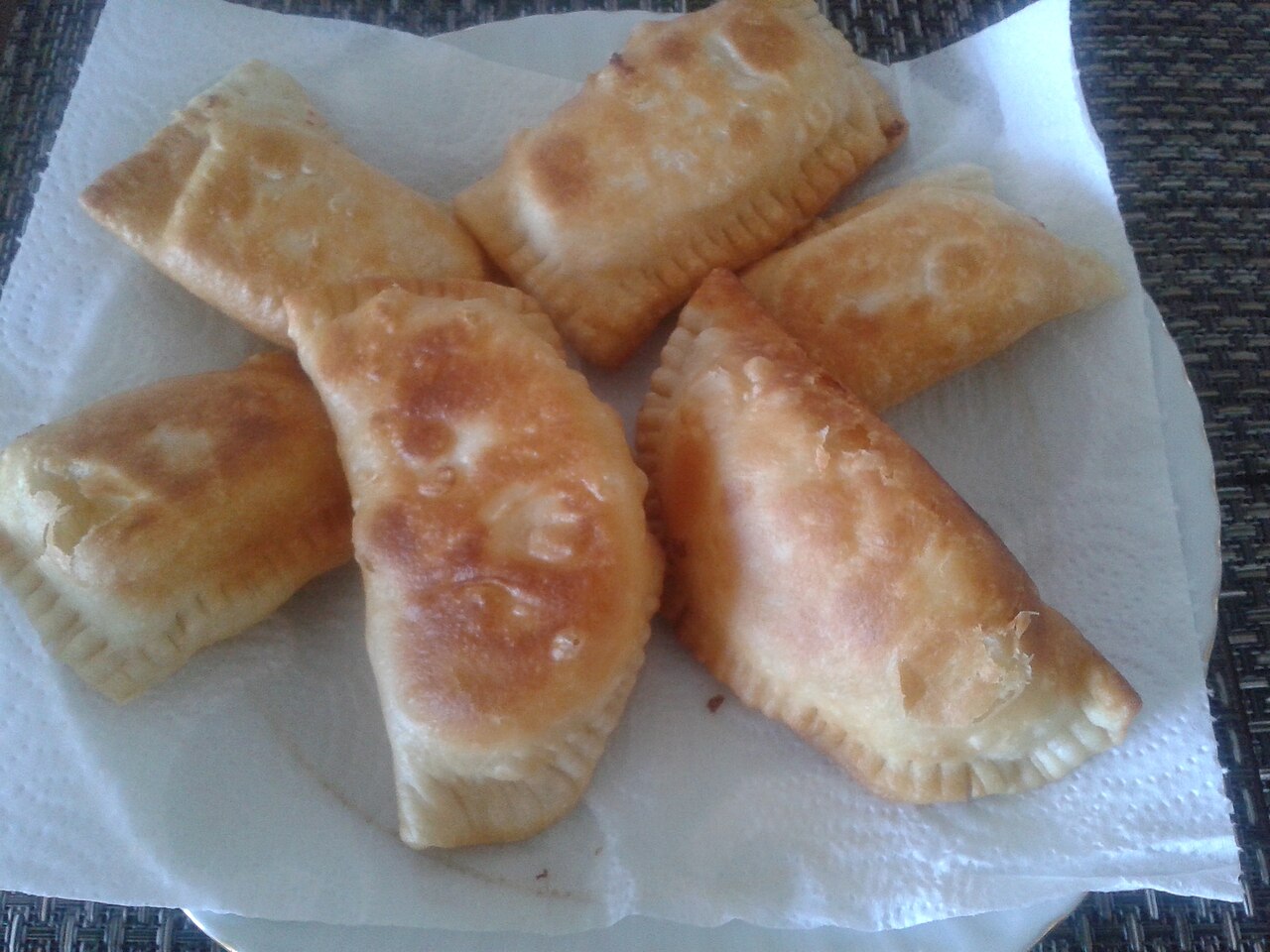
Empanadas are arguably the single most recognizable symbol of Chilean cooking, and seafood preparations of all kinds round out the national menu. The country's long Pacific coastline means fish, shellfish, crustaceans, and even seaweed appear on tables far more often than in most other cuisines.
Why is seafood so central to Chilean cooking?
The nutrient-dense Humboldt Current keeps the Pacific waters off Chile's coast extraordinarily rich in marine life. This gives local kitchens access to a remarkable variety of fish, shellfish, and crustaceans that simply aren't found in comparable abundance elsewhere.
How does wine fit into Chilean food culture?
Chile ranks among the world's top wine producers, and local vintages are routinely used both at the table and as an ingredient in cooking. Rather than being a luxury reserved for fine dining, wine is woven into everyday meals across the country.
What gives Chilean cuisine such a wide range of flavors?
The country's varied geography and climate allow a broad spectrum of fruits, vegetables, and crops to thrive in different regions. That natural agricultural diversity, stacked on top of the layered cultural influences, results in a cuisine with a remarkably broad and nuanced flavor palette.
More in Chilean cuisine 1-24
Spotted an error? Know more?
Reader corrections go straight into our review queue. Suggest an edit · How this site is sourced