
Aguardiente
A generic Iberian term for distilled spirits from various plants.

Z thomas · CC BY-SA 4.0
Aguardiente (Spanish: [ˌaɣwaɾˈðjente]; Portuguese: aguardente) is a distilled spirit with an alcohol content ranging from 29% to 60% ABV. The term is a broad category, covering liquors produced from various plant sources. It originated in and is most commonly consumed across the Iberian Peninsula and Ibero-America.
The name comes from the Iberian words for "water" (agua in Spanish, aigua in Catalan, água in Portuguese, auga in Galician) and "burning" or "fiery" (ardiente in Spanish, ardent in Catalan, ardente in Portuguese and Galician). While the English equivalent "firewater" is colloquial or humorous, aguardiente is a neutral, standard term in Spanish.
Aguardientes are strong alcoholic drinks made by fermenting and then distilling sweetened musts, vegetable macerations, or a mix of both. This broad definition allows for many sources: fruits like oranges, grapes, bananas, or medronho; grains such as millet, barley, or rice; tubers including beet, manioc, or potato; and what are considered "true" aguardientes from sugarcane and other sweet canes, including some bamboo species.
Cane aguardiente and cachaça are similar but distinct. Brazil defines cane aguardiente as an alcoholic beverage with 38%–54% ABV, made by simple fermentation and distillation of sugarcane already used in sugar production, giving it a flavor similar to rum. Cachaça, meanwhile, has 38%–48% ABV, comes from fermenting and distilling sugarcane juice, and may contain up to 6 g/L of added sugar.
Under EU spirits regulations in Spanish and Portuguese, aguardiente and aguardente are generic terms for distilled spirits made exclusively from specified raw materials, with no added alcohol or flavorings, and any sweetening only to "round off the final taste." However, these are not legal denominations. Instead, categories are based on raw materials: wine spirit is aguardiente de vino, fruit spirit is aguardiente de fruta, and grain spirit (excluding whiskey and neutral grain spirit) is aguardiente de cereales. Many aguardentes have protected designations of origin, including Portugal's Aguardente Bagaceira Alentejo, Aguardente Bagaceira Bairrada, Aguardente de Vinho Ribatejo, and others, as well as Spain's Aguardiente de sidra de Asturias and Aguardiente de hierbas de Galicia.
Regional variations exist.
Quick Facts
- Abv
- 29% to 60%
- Origin
- Spain, Portugal
Facts from the source article.
Lore & Background
Aguardiente is a compound word from Iberian languages meaning 'water' and 'burning'/'fiery', comparable to English 'firewater' but stylistically neutral. It is obtained by fermentation then distillation of sugared or sweet musts, vegetable macerations, or mixtures. Fruit-based aguardientes include orange, grape, banana, and medronho; grain-based ones include millet, barley, or rice; tuber-based include beet, manioc, or potato; and 'true' aguardientes come from sugarcane and other sweet canes, including some bamboo species.
Reader's Guide
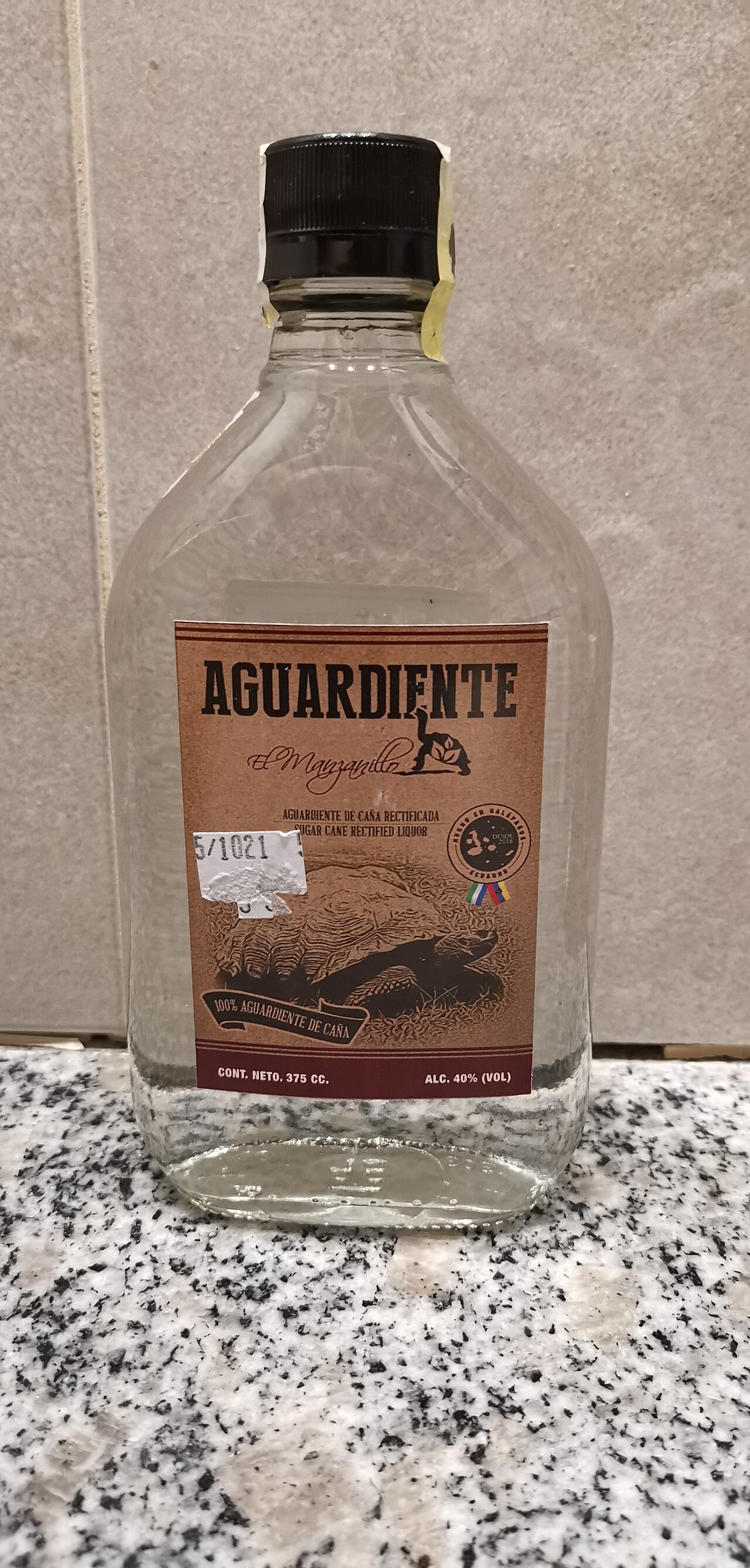
Aguardiente is a broad category of distilled spirits regulated under Spanish and Portuguese versions of EU spirits regulations as generic terms for spirits fermented and distilled exclusively from specified raw materials, with no added alcohol or flavoring (except limited sweetening). Many aguardentes have protected designations of origin, such as Aguardente Bagaceira Alentejo in Portugal and Aguardiente de sidra de Asturias in Spain. Regional variations include Brazilian cachaça (distinct from traditional aguardiente), Cape Verdean grogue, Chilean aguardiente made from grape residue, Colombian anise-flavored aguardiente, and Ecuadorian unflavored sugar cane aguardiente. In Mexico, it goes by names including habanero and charanda. The term is not a legal denomination; instead, categories are established by raw material (e.g., aguardiente de vino for wine spirit).
Did You Know?
- Aguardiente contains between 29% and 60% alcohol by volume (ABV).
- Brazil defined cane aguardiente as 38%–54% ABV, while cachaça is 38%–48% ABV and may have added sugar up to 6 g/L.
- In Chile, aguardiente is traditionally made by distilling wine or grape must, not specifically from grape pomace.
Gallery

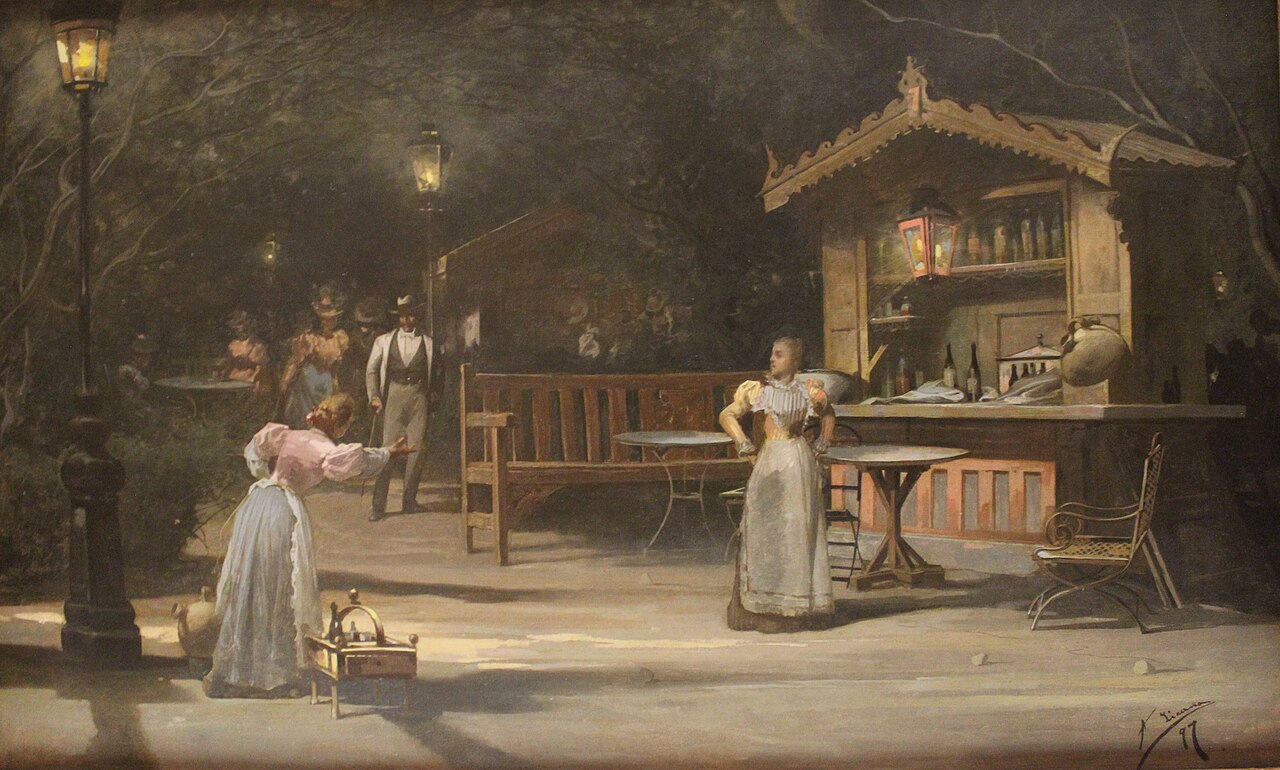
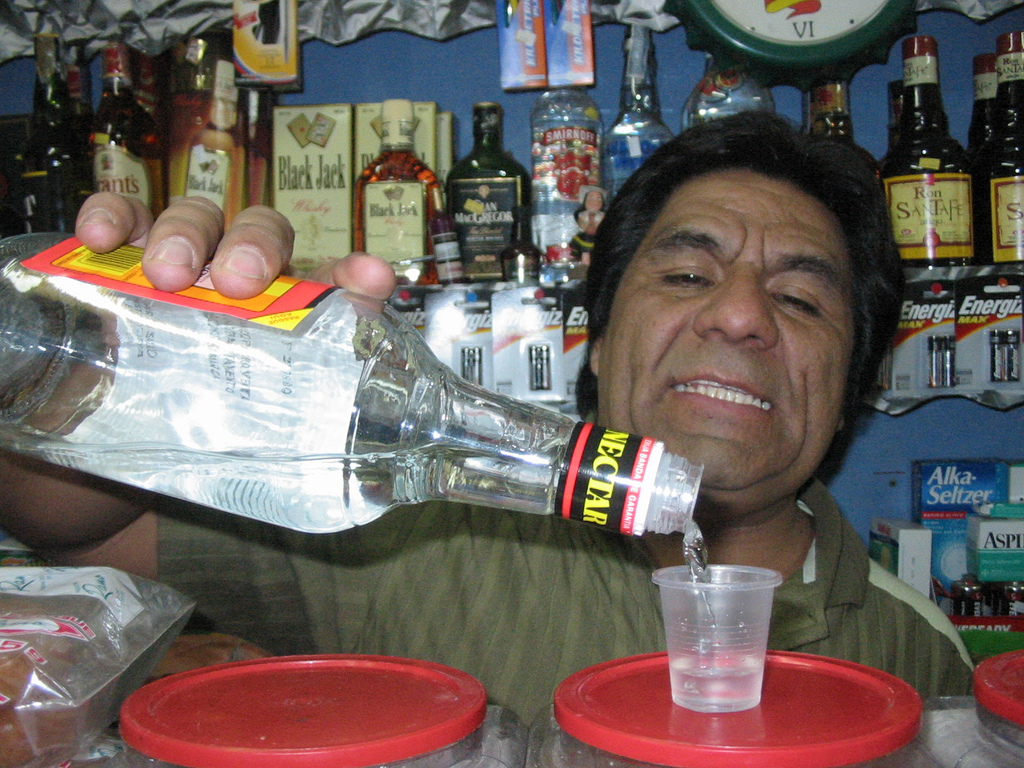
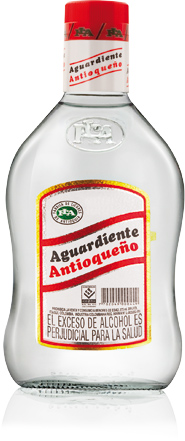
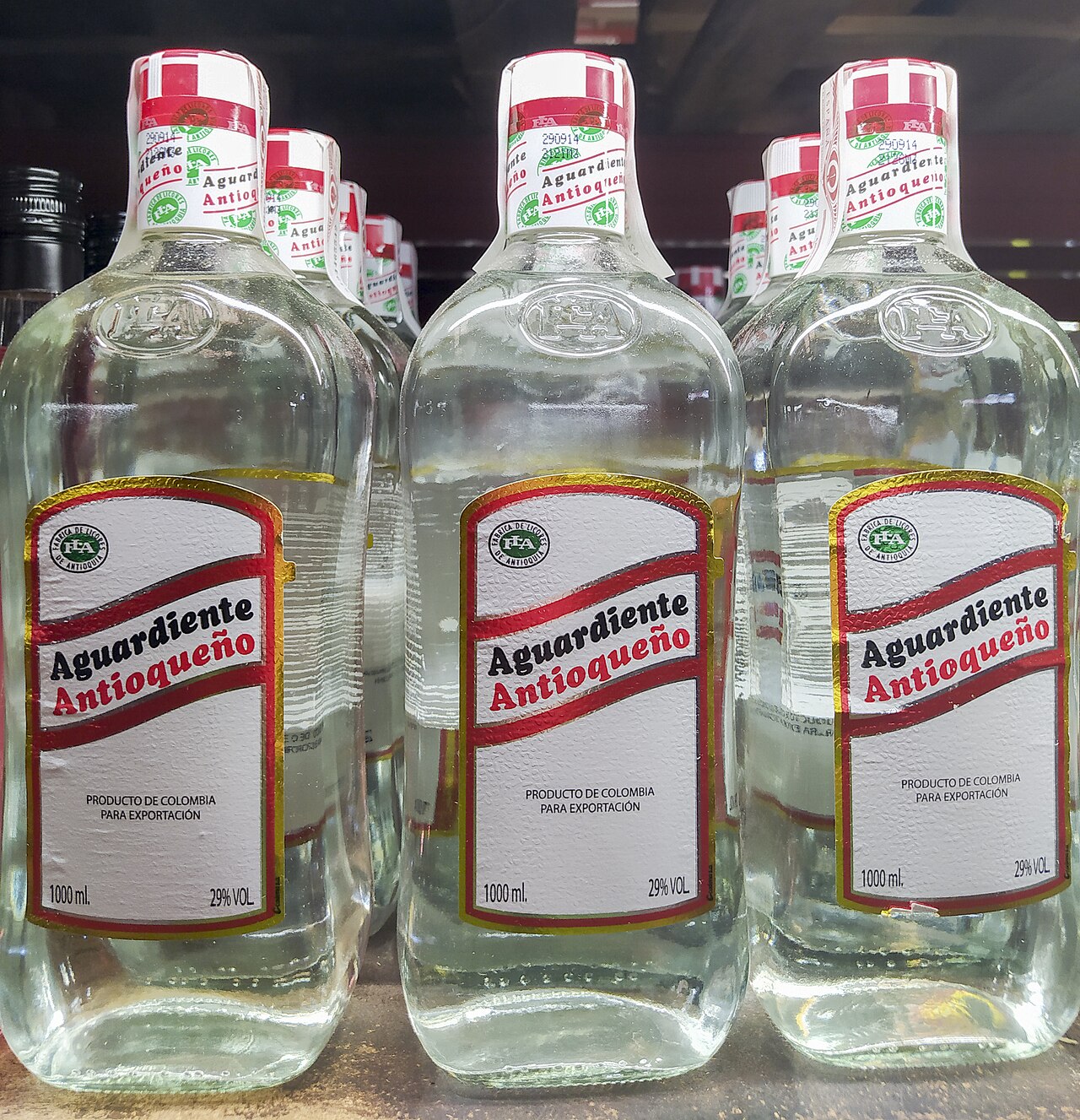
Frequently Asked Questions
What is Aguardiente?
Aguardiente is a broad category of distilled alcoholic spirits native to the Iberian Peninsula and Ibero-America, covering liquors made from a wide range of plant sources. In Chilean cuisine it functions as a versatile spirit rather than one fixed recipe.
What's Aguardiente's origin story?
The name literally translates to 'burning water,' combining Iberian words for water and fire. It traces its roots to the Iberian Peninsula and spread throughout Ibero-America, where it became a staple of local drinking culture.
What are Aguardiente's 'powers' (strength/ABV)?
Aguardiente packs a punch, with alcohol content stretching from 29% up to 60% ABV depending on the specific production. This wide range means it can appear as a mellow digestif or a fiery high-proof spirit.
What raw materials does Aguardiente draw from?
Unlike single-origin spirits, Aguardiente is a catch-all term for distillates made from fruits, grains, tubers, sugarcane, and other plant matter. This flexibility is what makes it a broad category rather than one specific recipe.
How does Aguardiente connect to other spirits like Cachaça or grogue?
Aguardiente sits as the umbrella Iberian term, while Cachaça, grogue, charanda, and bagaço are specific regional or ingredient-based variants that fall under that broader family. Think of it as the parent category with many distinct relatives across the Spanish- and Portuguese-speaking world.
More in Chilean cuisine 1-24
Spotted an error? Know more?
Reader corrections go straight into our review queue. Suggest an edit · How this site is sourced