
Bin bag
Disposable plastic receptacles for solid waste, invented in 1950.

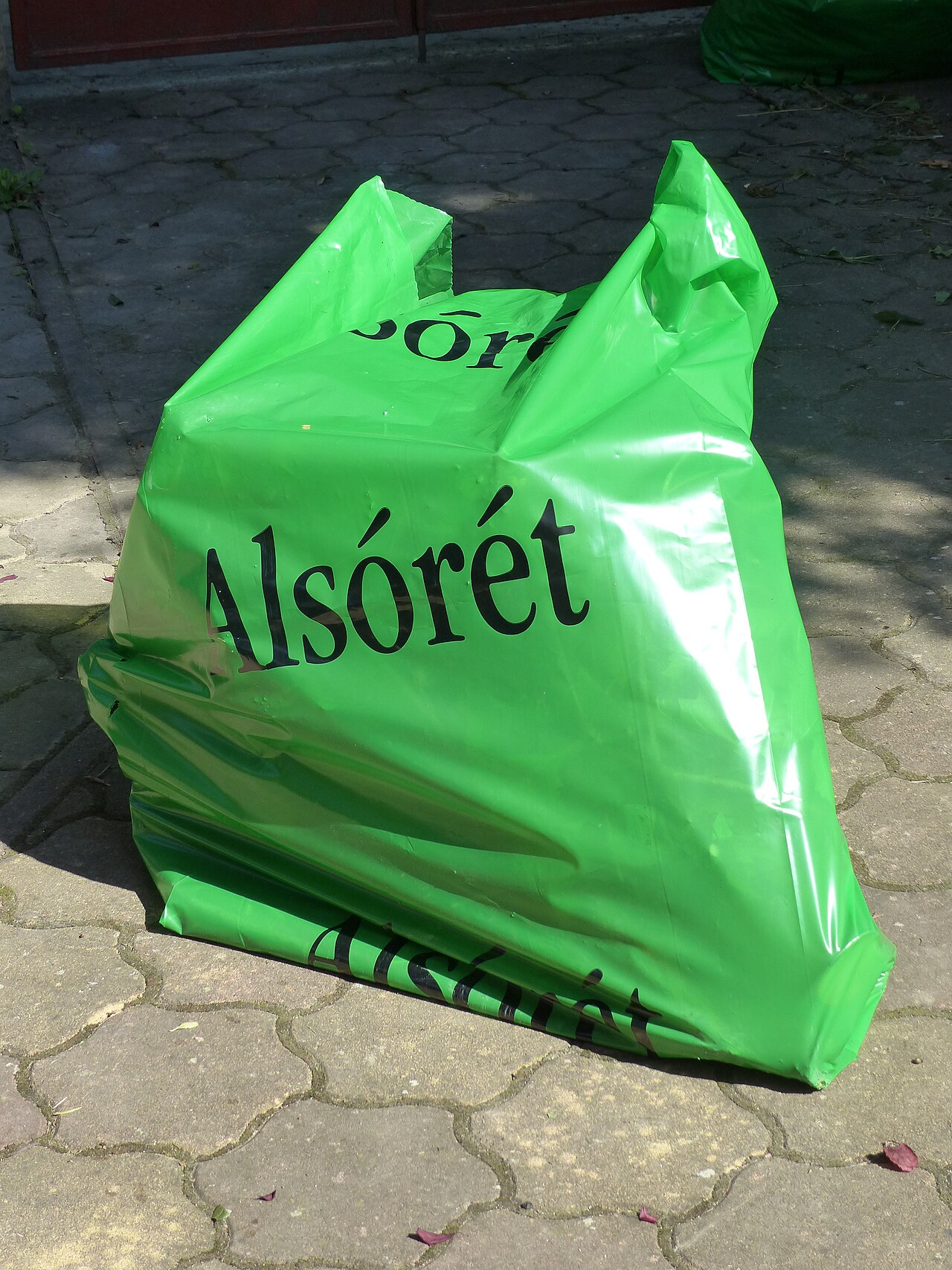
Elekes Andor · CC BY-SA 4.0
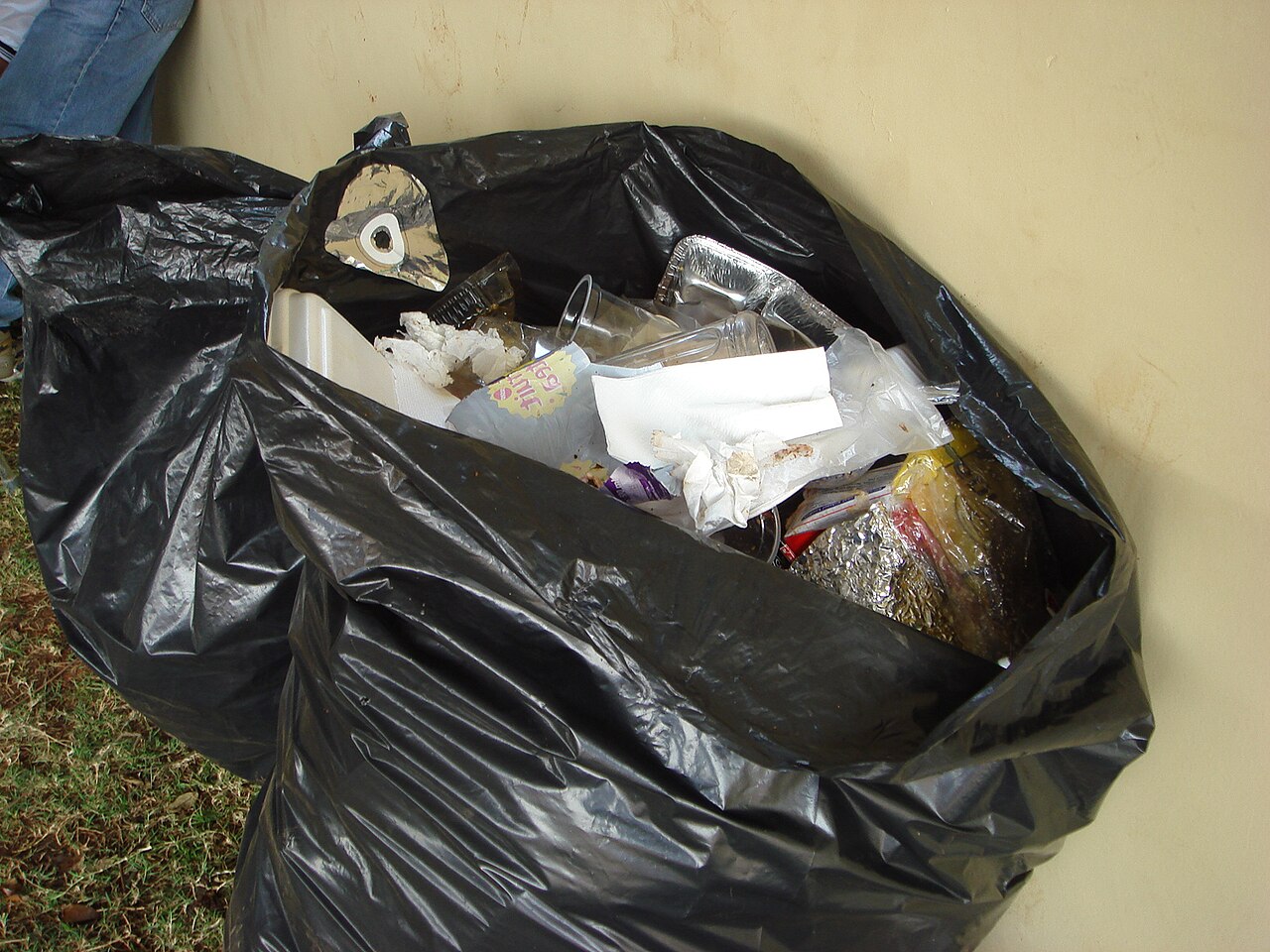
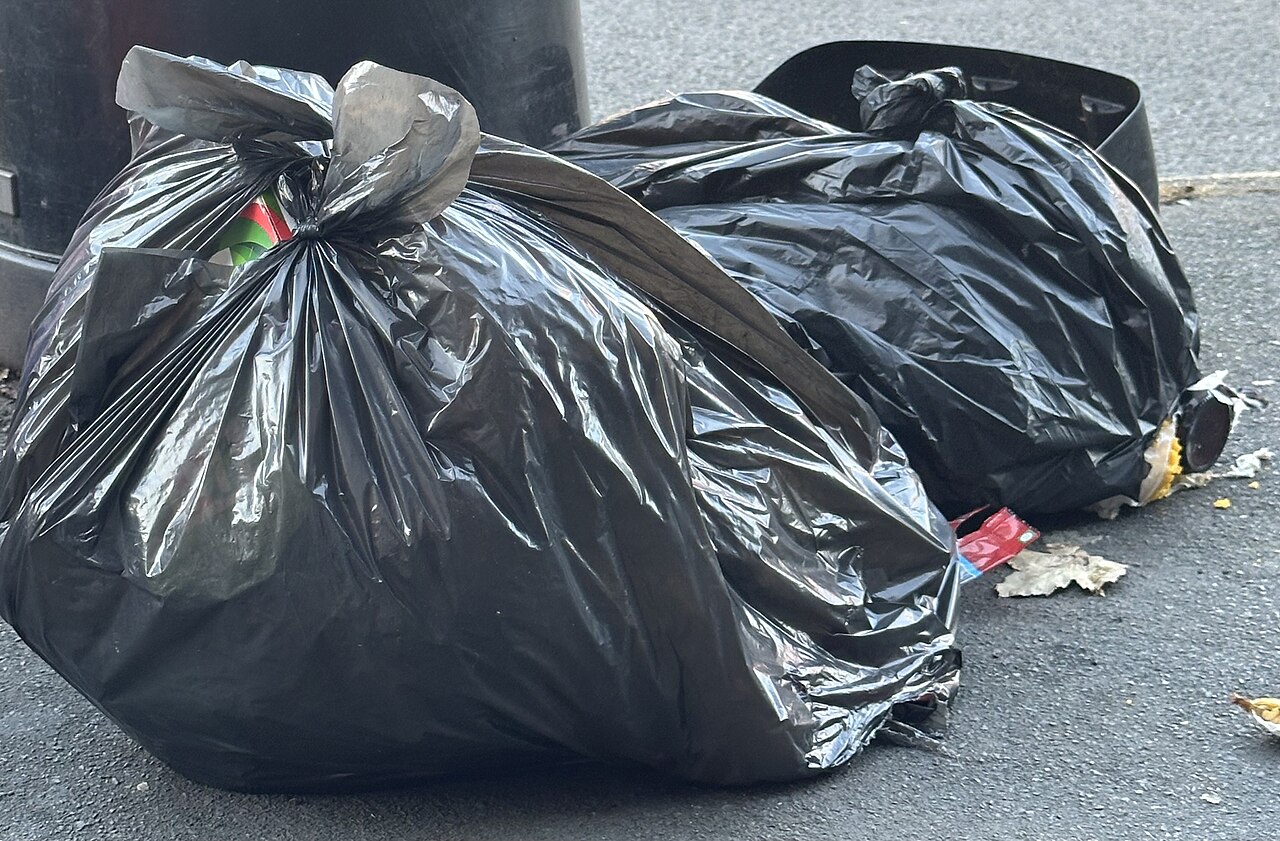
A bin bag—also called a rubbish bag, garbage bag, bin liner, trash bag, or refuse sack—is a disposable container for solid waste. Its main purpose is to line waste bins, keeping the container itself clean and free from contact with garbage. Today, most of these bags are made from plastic and come in colors like black, white, or green.
Plastic garbage bags are lightweight, convenient, and hygienic. They are especially useful for wet or messy rubbish, such as food scraps, and help reduce odors by wrapping up waste. After a bag is full, its edges can be pulled together, closed, and tied with minimal direct contact with the contents.
The garbage bag was invented in 1950 by Canadians Harry Wasylyk and Larry Hansen. On a CBC Television special, green garbage bags—the first bin bags in Canada—were ranked 36th among the top 50 Canadian inventions. The first bags in the United States were green, not black or white. Flat-sealed bags appeared in 1959, white bags in the 1960s, two-ply heavy-duty bags in 1974, and three-ply bags in 1980.
Plastic bags can be incinerated with their contents in waste-to-energy facilities. In sanitary landfills, they are stable and benign; some are designed to degrade under specific conditions.
Bags are sold in many sizes, often in packs or rolls of several dozen. Wire twist ties may be included for closing. Thickness varies: thicker bags are used for heavy-duty tasks like construction waste or to withstand compaction during recycling. Drawstring bags for closure appeared in the mid-1990s when GLAD introduced them. Some bags have handles that can be tied or holes for pulling the neck through. The plastic used is usually soft, flexible LDPE, or stronger LLDPE or HDPE.
Oxo-biodegradable plastic bags are as strong as regular plastic and cost slightly more. They degrade and then biodegrade if exposed to the open environment, but can be recycled if collected during their useful life. They are designed not to degrade deep in landfills, avoiding methane generation. They do not break down quickly in low-temperature windrow composting but work in high-temperature in-vessel composting. The plastic is bio-assimilated by the same bacteria and fungi that break down natural materials like leaves and twigs. Degradation starts through photo-oxidation and thermo-ox
- inventors
- Harry Wasylyk, Larry Hansen
- first_colors
- Green (in Canada and the United States)
- key_innovation
- Drawstring closure introduced by GLAD in the mid-1990s
Lore & Background
Garbage bags were invented by Canadians Harry Wasylyk and Larry Hansen in 1950. In a special on CBC Television, green garbage bags ranked 36th among the top 50 Canadian inventions. The first bags in the United States were green, not black or white.
Reader's Guide
Plastic garbage bags are a widely used, convenient, and sanitary way of handling garbage. They are fairly lightweight and particularly useful for messy or wet rubbish, such as food waste, and help minimize odor. By lining waste containers, they keep the container sanitary and allow the bag to be removed and tied with minimal contact with waste. Plastic bags can be incinerated with their contents in appropriate facilities for waste-to-energy conversion, and are stable and benign in sanitary landfills; some are degradable under specified conditions. Over time, innovations included flat-sealed bags in 1959, white bags in the 1960s, two-ply heavy duty bags in 1974, three-ply bags in 1980, and drawstring closures in the mid-1990s. Biodegradable variants, such as oxo-biodegradable plastic bags, were developed to degrade in the open environment while remaining recyclable during their useful life.
Did You Know?
- Garbage bags were invented by Canadians Harry Wasylyk and Larry Hansen in 1950.
- The first bags in the United States were green, not black or white.
- Drawstring garbage bags were introduced by GLAD in the mid-1990s.
- Oxo-biodegradable plastic bags are designed to degrade under specific conditions.
Origins & Early History
The humble bin bag traces its roots to 1950 Canada, where three inventors—Harry Wasylyk, Larry Hansen, and Frank Plomp—created what would become one of the most ubiquitous household items in modern life. Their green garbage bags were the first of their kind in Canada, and the invention later earned a notable place on a CBC Television special, ranking thirty-sixth among the top fifty Canadian inventions. In the United States, the earliest bags came in green and black, a stark contrast to the white and clear varieties that dominate shelves today. Black plastic bags debuted that same year as star-sealed bags, a distinctive manufacturing style. It was not until 1959 that flat-sealed bags entered the market, and white bin bags did not appear until the 1960s. This gradual evolution of color, sealing method, and regional preference laid the groundwork for the standardized product that households around the world now take for granted.
Design Evolution & Materials
Over the decades, bin bags underwent significant structural and material refinements. Two-ply heavy-duty bags arrived in 1974, followed by three-ply variants in 1980, offering greater resistance to tearing under weight. The closure mechanism saw a major leap in 1984 when drawstring bags first appeared on the market, predating the well-known GLAD and Hefty brands that later popularized the feature. In August 2001, Hefty launched a drawstring specifically engineered to stretch around a garbage can's rim and stay in place, while GLAD countered in July 2004 with ForceFlex, a flexible bag design that Hefty matched with its Ultra Flex line the following September. Materially, most bags rely on soft, flexible LDPE, though LLDPE and HDPE are incorporated when extra strength is needed. Thicker constructions target heavy-duty applications such as construction waste or the compaction forces encountered during recycling. Bags are sold in a wide range of sizes, typically in packets or rolls of several tens, and wire twist ties are sometimes included for sealing.
Practical Function & Everyday Use
The bin bag's primary purpose is deceptively simple: to serve as a disposable liner that shields the interior of a waste container from direct contact with rubbish. This keeps the bin itself clean and sanitary, a critical advantage when dealing with the wet, messy, and often odorous waste generated by everyday food preparation. Because plastic bags are lightweight yet effective at containing liquids and smells, they have become the go-to solution for wrapping up garbage before disposal. The practical workflow is straightforward—once the bag inside the container is full, the user can grip the edges, lift the bag out, close it, and tie it shut with minimal direct handling of the waste. Most bags are manufactured in black, white, or green, and the soft, flexible plastic conforms easily to the shape of the container. This combination of convenience, hygiene, and low cost has made the humble plastic liner an indispensable part of household and commercial waste management worldwide.
Environmental Profile & Biodegradable Alternatives
From an environmental standpoint, plastic bin bags occupy a nuanced position. They are stable and benign in sanitary landfills, and some variants are degradable under specified conditions. In appropriate facilities, they can be incinerated along with their contents for waste-to-energy conversion. A notable alternative is the oxo-biodegradable plastic bag, which matches ordinary plastic in strength at a slightly higher cost. These bags are engineered to degrade through a process involving both photo-oxidation and thermo-oxidation, meaning they can break down even in the dark. Once degraded, they are biodegraded by the same bacteria and fungi that process natural materials like twigs and leaves into cell biomass. Crucially, they are designed not to degrade deep in landfills, thereby avoiding methane generation. They do not break down quickly in low-temperature windrow composting but are suitable for higher-temperature in-vessel composting required by animal by-products regulations. If collected during their useful life, they remain recyclable, and they carry resin identification code 7.
Gallery


Frequently Asked Questions
Who is credited with inventing the bin bag?
Canadian inventors Harry Wasylyk and Larry Hansen are recognized as the creators of the disposable plastic bin bag, which they brought to life in 1950.
What color were the first bin bags in Canada?
The original bin bags produced in both Canada and the United States were green, a shade that later gave way to the more common black, white, and green options seen today.
What was the biggest upgrade to the bin bag after its 1950 debut?
In the mid-1990s, GLAD introduced a drawstring closure, letting users cinch the top of a full bag shut instead of manually twisting and tying the loose edges.
What problem does a bin bag actually solve?
It lines a waste bin so the container never directly touches garbage, keeping it clean and reducing odors, while also making it far easier to handle wet or messy refuse like food scraps.
Why do fans consider the bin bag a genuinely Canadian invention?
Because Wasylyk and Hansen developed the concept on Canadian soil in 1950, the everyday plastic liner that now lines bins worldwide traces its origin back to a pair of Canadian inventors.
More in Canadian inventions 1-24
Spotted an error? Know more?
This is a living reference — every entry is fact-audited, and reader corrections feed straight into our audit queue. Suggest an edit · See this site's audit record