
Hot tar burn
Thermal burn from hot tar, often work-related.

Skimel (translation) · CC BY-SA 4.0
A hot tar burn is a type of thermal burn caused by contact with hot tar, a viscous substance used in roofing and paving. Such burns are classified among thermal burns from hot solids or liquids and can range from superficial to full-thickness depending on temperature and contact duration.
Quick Facts
- Field
- Dermatology, critical care medicine, plastic surgery
- Symptoms
- First degree: Red without blisters / Second degree: Blisters and pain / Third degree: Area stiff and not painful · Fourth degree: Bone and tendon loss
- Complications
- Infection
- Duration
- Days to weeks
- Types
- First degree, second degree, third degree, fourth degree
- Causes
- Heat, cold, electricity, chemicals, friction, radiation
- Risks
- Open cooking fires, unsafe cooking stoves, smoking, alcoholism, dangerous work environment
- Treatment
- Depends on the severity
- Medication
- Pain medication, intravenous fluids, tetanus toxoid
- Frequency
- 67 million (2015)
- Deaths
- 176,000 (2015)
Facts from the source article.
Lore & Background
Hot tar burns are a subset of thermal burns caused by heat from hot solids or liquids. The source article notes that most burns are thermal, caused by contact with heat from hot fluids (scalding), solids, or fire. Hot tar, being a hot solid or liquid, fits this category. Burns occur mainly in the home or workplace, and in the workplace, risks are associated with fire and chemical and electric burns—hot tar burns are an occupational hazard in industries like roofing.
Reader's Guide
Hot tar burns are significant because they represent a preventable occupational injury. The article states that burns are generally preventable, and treatment depends on severity. For superficial burns, simple pain medication and cooling with tap water may help; for partial-thickness burns, cleaning and dressings are used; full-thickness burns often require skin grafting. The article notes that most burns occur at home or work, and that in the United States, hot objects cause about 9% of burns. Hot tar burns, as a contact burn, fall under this category. Their legacy is tied to workplace safety improvements, as the article emphasizes that burns are more common among the poor and in unsafe workplace conditions. The long-term outcome depends on burn size and age, with treatments since 1960 improving outcomes.
Did You Know?
- Hot tar burns are classified as thermal burns from contact with hot solids or liquids.
- Most (69%) burn injuries occur at home, with 9% at work, where hot tar burns are common.
- Full-thickness hot tar burns may require surgical treatments such as skin grafting.
Anatomy of Injury: The Four Degrees of Burn Severity
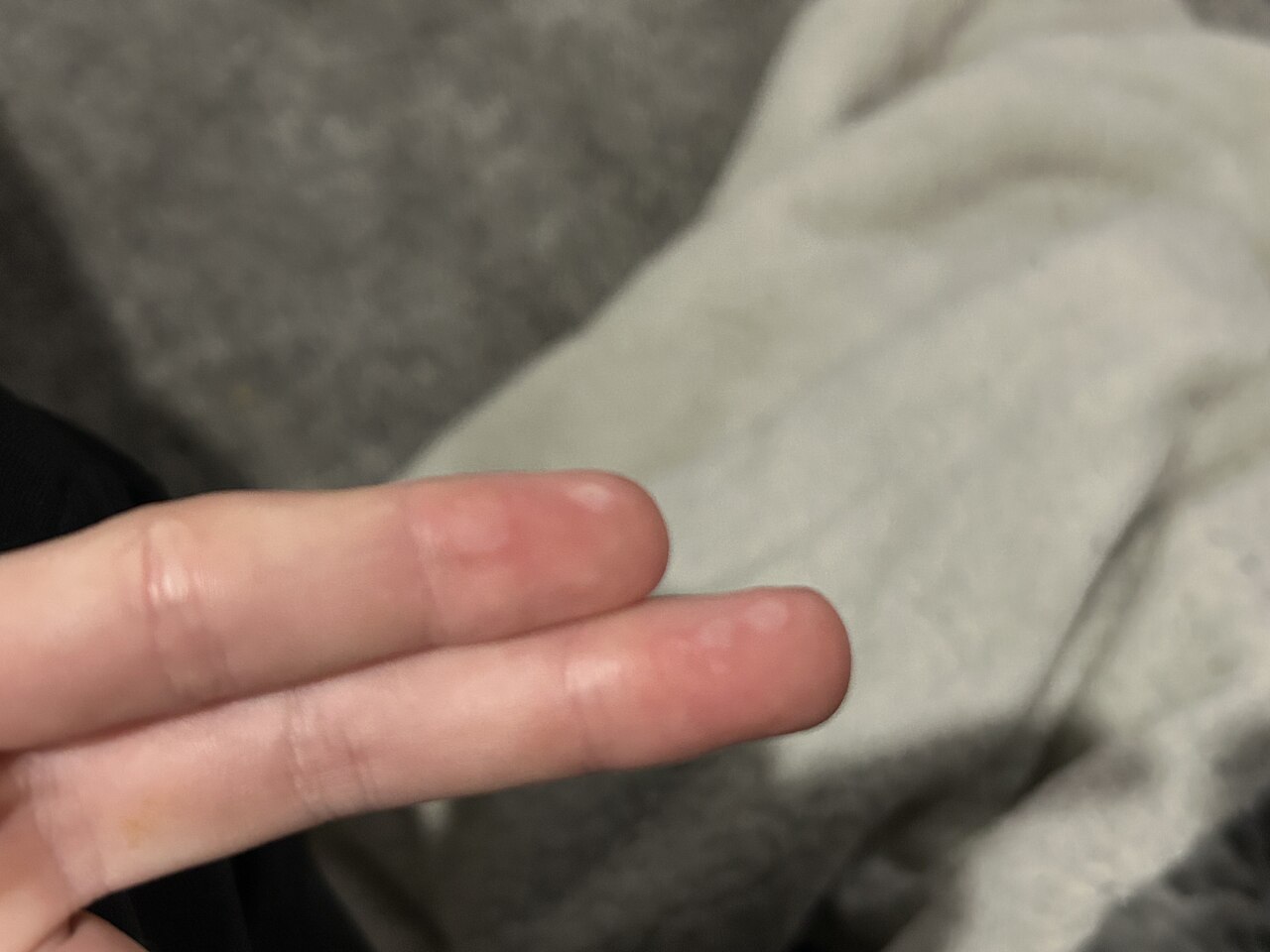
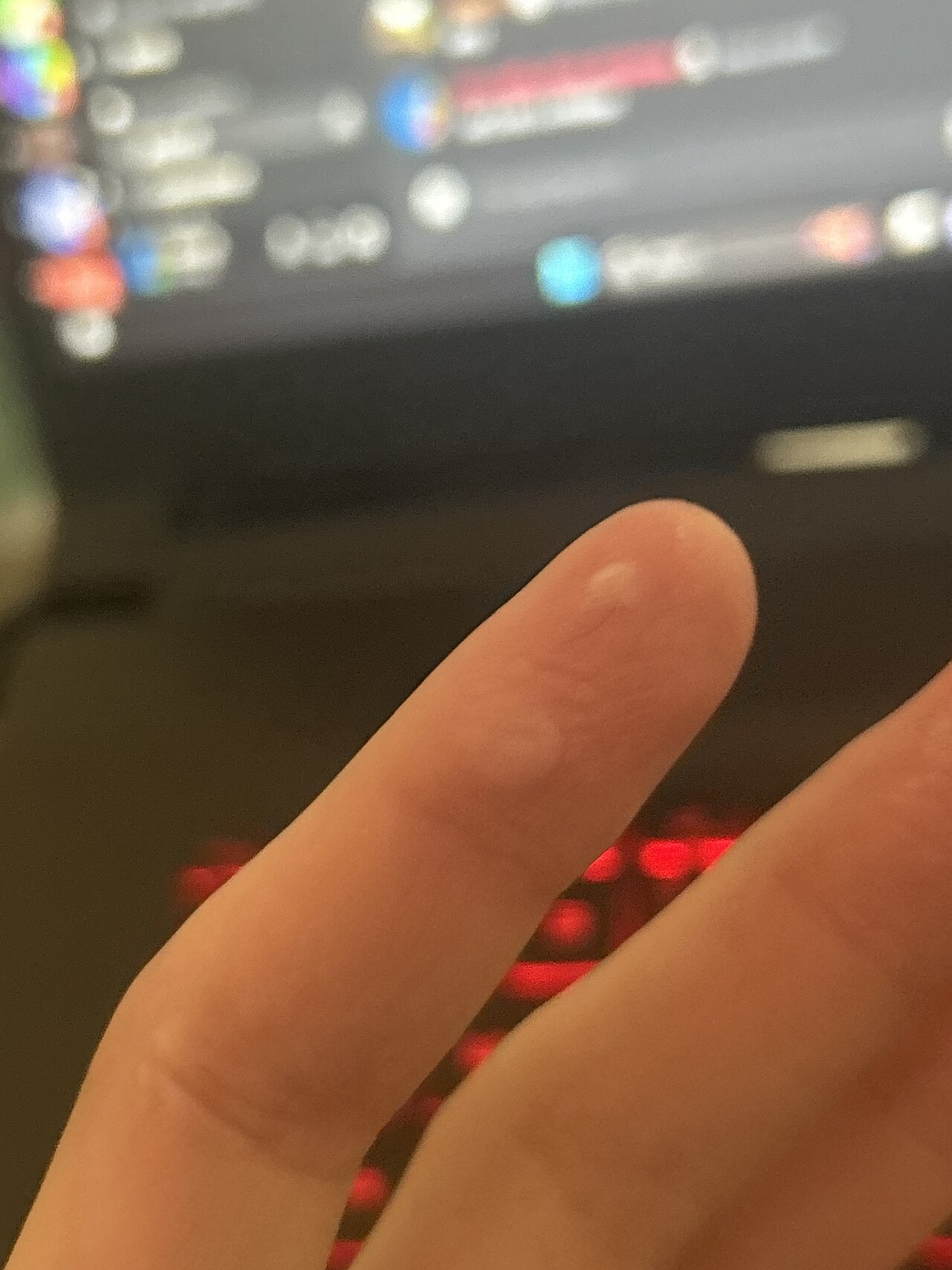
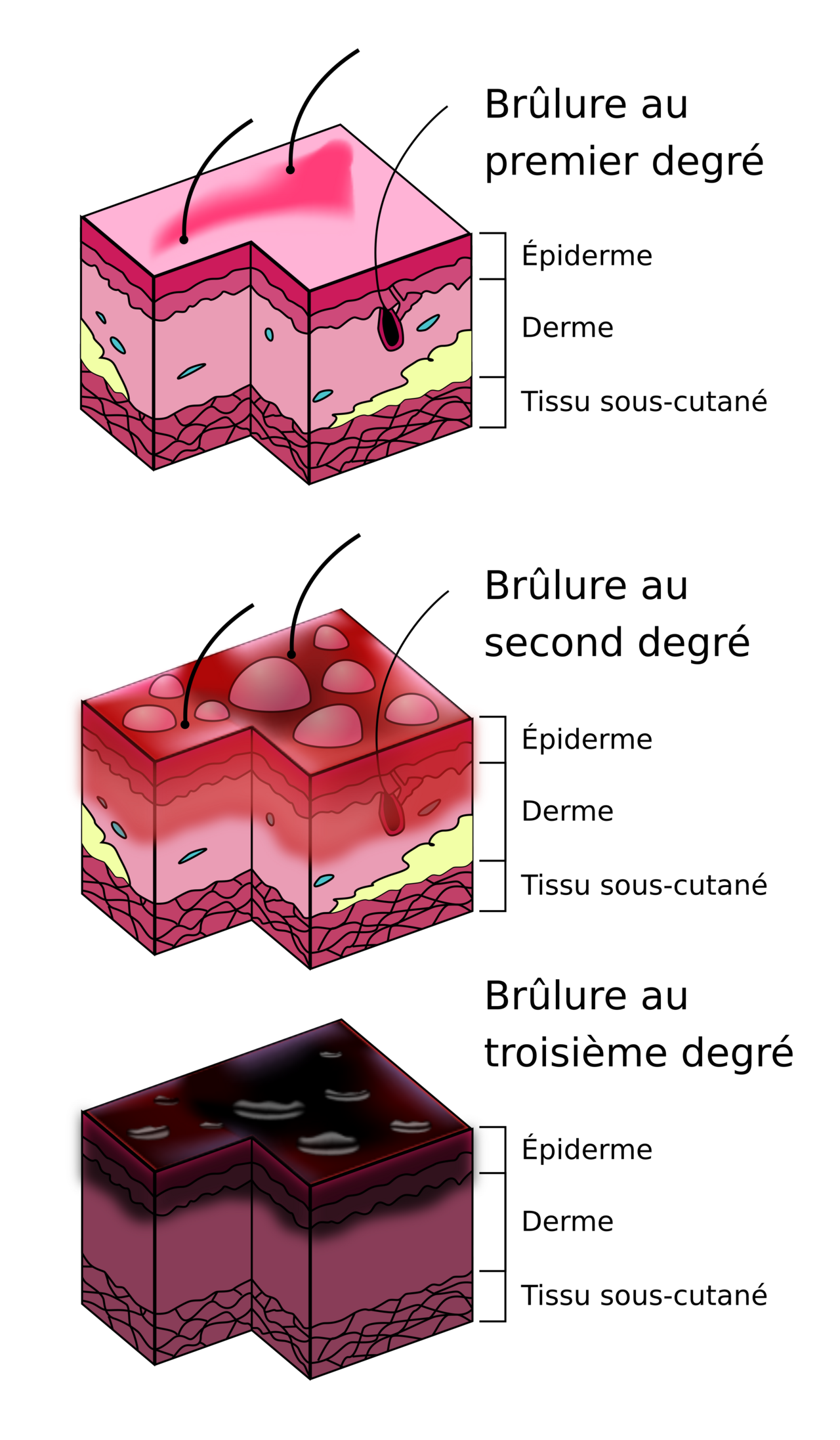
A burn represents damage to skin or underlying tissues triggered by heat, electricity, chemicals, friction, or ionizing radiation. Clinicians categorize the injury by how deeply it penetrates. A first-degree, or superficial, burn affects only the outermost skin layers, producing redness without blistering and pain that typically fades within three days. When the damage reaches into deeper dermal layers, the result is a second-degree, or partial-thickness, burn. These wounds frequently form blisters, cause intense pain, and may take as long as eight weeks to heal, sometimes leaving permanent scarring. A third-degree, or full-thickness, burn destroys every layer of the skin. Counterintuitively, the affected area often feels numb and stiff because nerve endings are destroyed, and the tissue will not regenerate without intervention. The most extreme category, a fourth-degree burn, extends past the skin into muscle, tendons, or even bone. The tissue frequently appears black, and the affected limb or body part is often lost entirely. Color also shifts with severity: while mild burns appear red, the most devastating ones may look pink, white, or black.
Sources of Harm: How Burns Happen
In the United States, fire and flame account for roughly 44 percent of burn injuries, followed by scalding from hot liquids at 33 percent. Hot objects cause about 9 percent, electricity 4 percent, and chemicals 3 percent. Nearly 69 percent of all burn injuries occur in the home, with another 9 percent happening at work, and the vast majority are accidental. A small fraction—about 2 percent—result from assault, and 1 to 2 percent stem from suicide attempts. Children under five are disproportionately vulnerable to scalds, making up roughly two-thirds of all pediatric burns in the United States and Australia, often from hot drinks, bath water, cooking oil, or steam. In fatal house fires, smoking is responsible for a quarter of cases while heating devices account for 22 percent. Chemical burns can arise from over 25,000 different substances, the majority being either strong bases at 55 percent or strong acids at 26 percent, with most fatal chemical burn cases involving ingestion. Poverty, smoking, and alcoholism all elevate risk, and fire-related burns tend to be more prevalent in colder climates.
Medical Response: From First Aid to the Operating Room
Treatment of a burn is dictated almost entirely by its severity. A superficial burn may need nothing more than simple pain medication, while a major burn demands extended care in a specialized burn center. As an immediate first-aid measure, cooling the wound under running tap water can ease pain and limit further tissue damage, though prolonged exposure risks dropping the patient's core body temperature. Partial-thickness burns typically require gentle cleaning with soap and water followed by appropriate dressings. The management of blisters remains somewhat uncertain in the medical literature, though it is generally considered reasonable to leave small blisters intact and to drain larger ones. Full-thickness burns, which cannot heal on their own, usually necessitate surgical intervention such as skin grafting. Extensive burns trigger massive capillary fluid leakage and tissue swelling, often requiring large volumes of intravenous fluid. Infection stands as the most common complication, and tetanus toxoid should be administered if the patient's vaccination status is not current. In the United States, approximately 96 percent of patients admitted to a burn center survive their injuries.
A Global Burden: Epidemiology and Long-Term Consequences
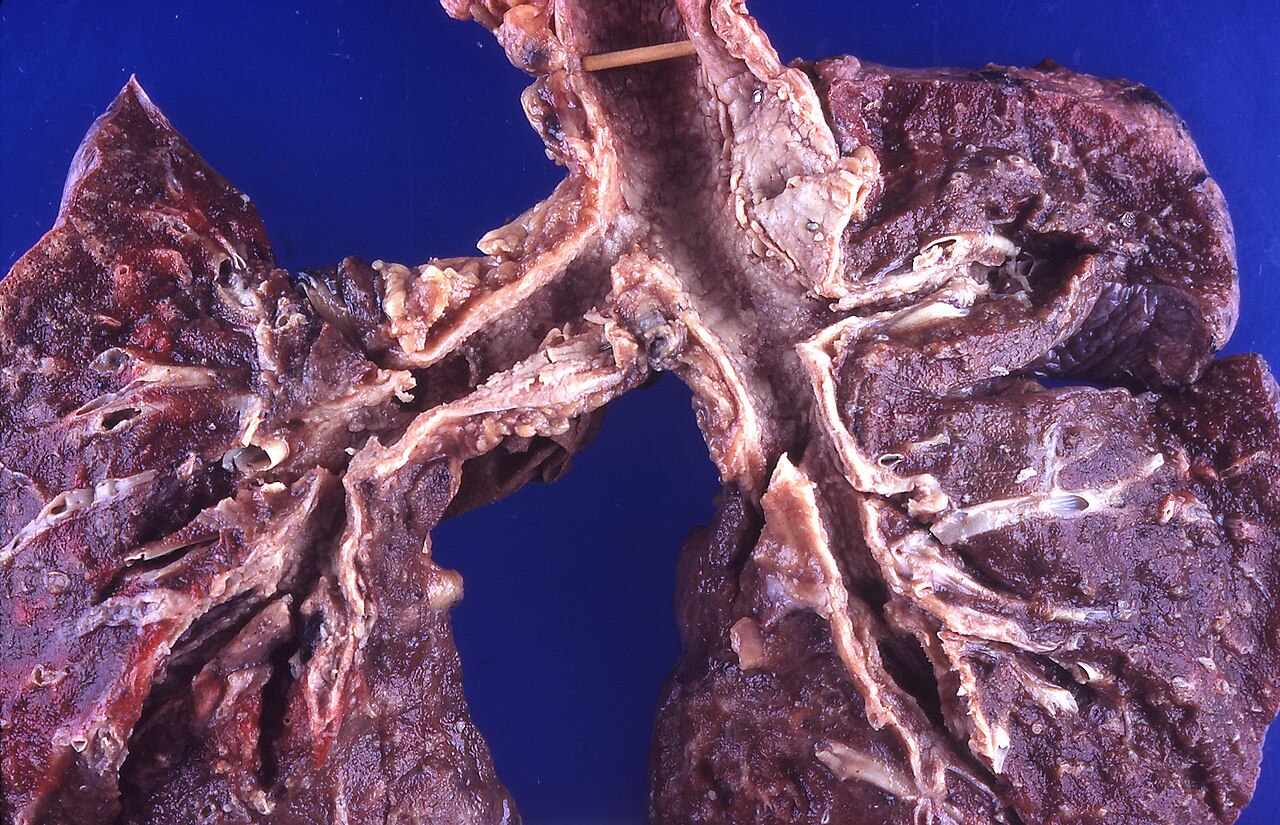
The human toll of burns is staggering on a global scale. In 2015 alone, fire and heat produced an estimated 67 million injuries worldwide, leading to roughly 2.9 million hospitalizations and 176,000 deaths. The pattern of harm differs sharply by gender and geography: among women in much of the world, burns are most often linked to open cooking fires or unsafe stoves, while men are more frequently injured by hazardous workplace conditions. The majority of burn-related deaths occur in the developing world, with Southeast Asia bearing a particularly heavy burden. Inhalation injury to the airway or lungs complicates about 6 percent of burn cases, with warning signs including shortness of breath, hoarseness, and stridor. The healing journey is not purely physical. Itchiness affects up to 90 percent of adults and nearly all children during recovery, and emotional or psychological distress is a recognized consequence. Numbness or tingling can persist for a prolonged period after an electrical injury. Since the 1960s, advances in treatment have markedly improved survival, especially for children and young adults, though long-term outcomes remain closely tied to the size of the burn and the age of the person affected.
Gallery


Frequently Asked Questions
What is a hot tar burn?
A hot tar burn is a thermal injury that occurs when skin comes into direct contact with heated tar, the sticky material commonly used in roofing and paving work. It falls under the broader category of thermal burns produced by hot solids or liquids.
How do people usually get a hot tar burn?
These burns most often happen on the job, particularly among roofing crews and road-paving workers who handle molten tar. The risk is tied directly to occupational exposure rather than accidental household contact.
How deep can a hot tar burn go?
Depending on how hot the tar is and how long it stays on the skin, the injury can range from a superficial, first-degree scorch all the way through to a full-thickness burn that destroys every layer of skin.
What's the standard treatment for a hot tar burn?
First-line care involves cooling the area, thoroughly cleaning away residual tar, and applying appropriate dressings. In more severe cases where the skin has been fully destroyed, a skin graft may be necessary for healing.
Who is most at risk for a hot tar burn?
Workers in roofing and paving trades face the highest risk because their daily tasks bring them into repeated contact with heated tar. Occupational safety protocols are the primary defense against these workplace thermal injuries.
More in Burns 1-24
Spotted an error? Know more?
Reader corrections go straight into our review queue. Suggest an edit · How this site is sourced