
Aerosol burn
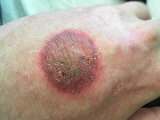
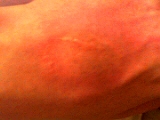
Skin injury from rapid cooling of aerosol spray gas.

MODIS Land Rapid Response Team, NASA GSFC · Public domain
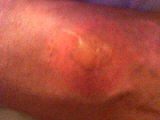
An aerosol burn, also known as aerosol frostbite, is an injury to the skin caused by the rapid cooling of pressurized gas from an aerosol spray. The sudden temperature drop can freeze the skin, resulting in frostbite. Medical studies have noted an increase in this practice, called 'frosting,' particularly among pediatric and teenage patients.
Quick Facts
- Field
- Emergency medicine
Facts from the source article.
Lore & Background
Aerosol burns occur when the pressurized gas inside an aerosol spray cools rapidly upon exit due to adiabatic expansion or evaporative cooling. This can reduce skin temperature by up to sixty degrees Celsius, causing frostbite. The injury is often self-inflicted, with depression considered an underlying cause, though some engage in the practice for social media attention or after peer pressure, as seen in the 'Deodorant Challenge' analogous to the Cinnamon challenge and Tide Pod challenge.
Reader's Guide
Aerosol burns represent a growing concern in pediatric and adolescent medicine, as the practice of 'frosting' has increased. The injury can range from superficial epidermal damage to deep dermal burns requiring skin grafting. Treatment varies from conservative care with nonadhesive dressings and topical corticosteroids to invasive procedures like skin grafting. Pain management is important, and ultraviolet protection is essential to prevent elevated skin cancer risk in damaged tissues. Underlying mental health issues should be addressed in cases of self-harm. The condition highlights the dangers of peer-pressure-induced trends and the abuse of common household aerosol products.
Did You Know?
- The gas from a typical deodorant spray can reduce skin temperature by up to sixty degrees Celsius.
- Aerosol burns are often self-inflicted, and depression should be considered as an underlying cause.
- In rare cases, aerosol-induced burns can be severe enough to necessitate skin grafting.
Gallery

Frequently Asked Questions
What is an aerosol burn?
An aerosol burn is a skin injury that occurs when the pressurized gas inside an aerosol canister expands rapidly against the skin, causing a sudden and severe temperature drop that essentially freezes the tissue. It is also referred to as aerosol frostbite or a freeze burn.
How does an aerosol burn actually happen?
When a can of deodorant or similar spray is held very close to the skin and sprayed for an extended period, the gas cools by as much as 60 degrees Celsius upon expansion. That extreme cold can freeze the outer layers of skin, producing frostbite-like damage.
Who is most at risk for an aerosol burn?
Medical literature highlights pediatric and teenage patients as the group most commonly affected. The risk is largely driven by self-infliction, peer pressure, and viral social-media challenges that encourage the practice, often called 'frosting.'
Why is an aerosol burn a growing medical concern?
Studies have documented a rising number of frostbite cases in young people specifically linked to the 'frosting' trend. Because the injury is self-inflicted and often glamorized online, many affected teens delay seeking treatment until tissue damage is significant.
What is the simplest way to prevent an aerosol burn?
Avoiding prolonged, close-range spraying of any pressurized aerosol product directly onto or against the skin eliminates the rapid cooling that causes the freeze injury. Keeping the nozzle at a normal distance and limiting spray duration to a few seconds is the standard safety guidance.
More in Burns 1-24
Spotted an error? Know more?
Reader corrections go straight into our review queue. Suggest an edit · How this site is sourced