Lion
A social apex predator, symbol of power and royalty.
Last updated

Giles Laurent · CC BY-SA 4.0
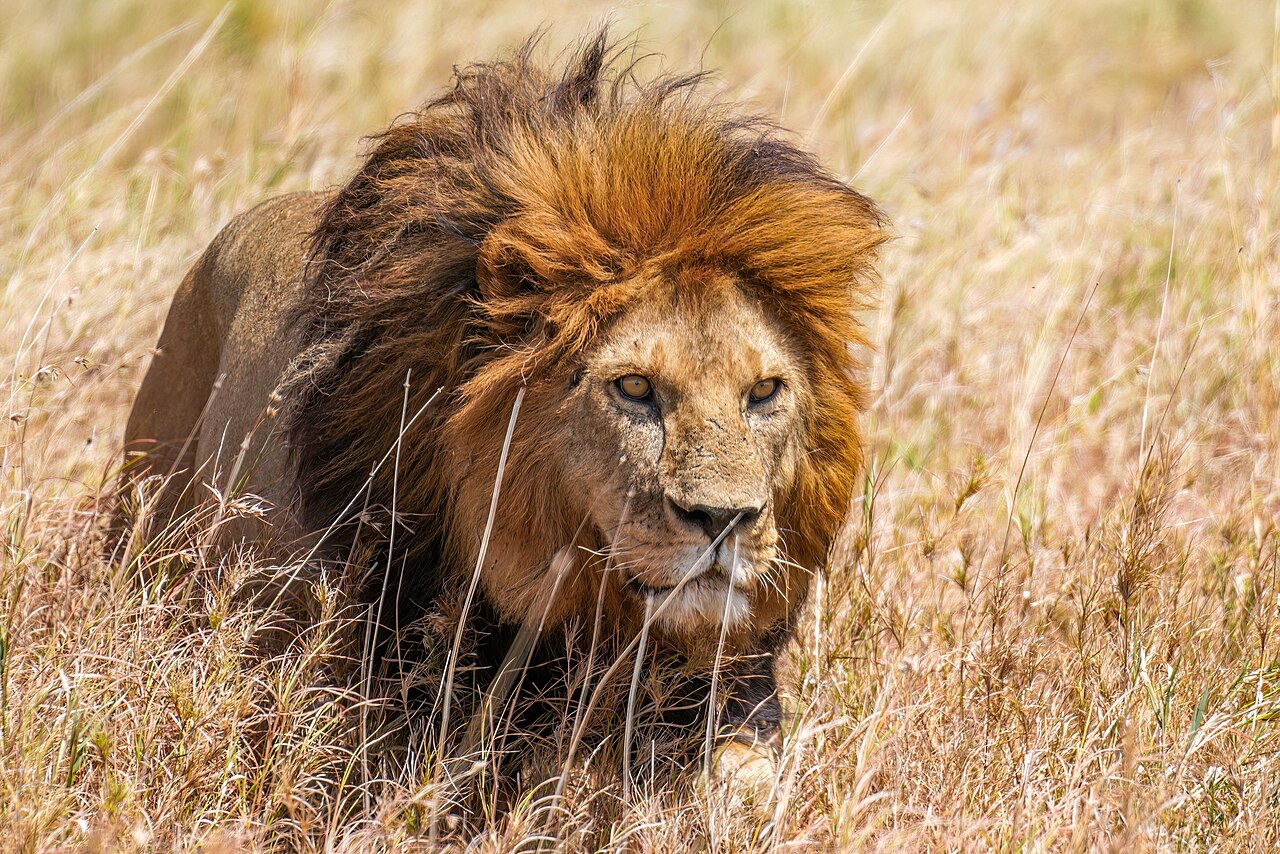
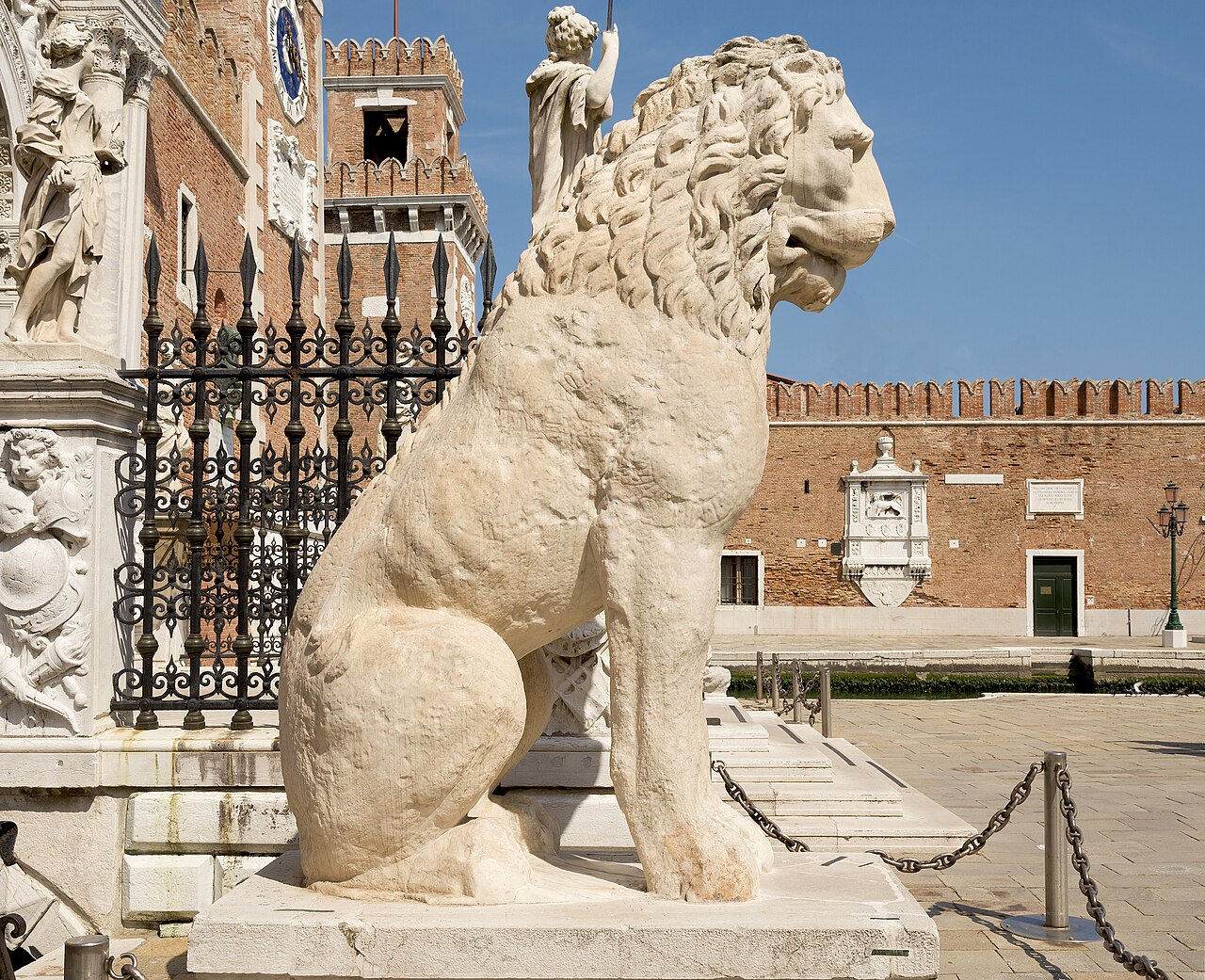
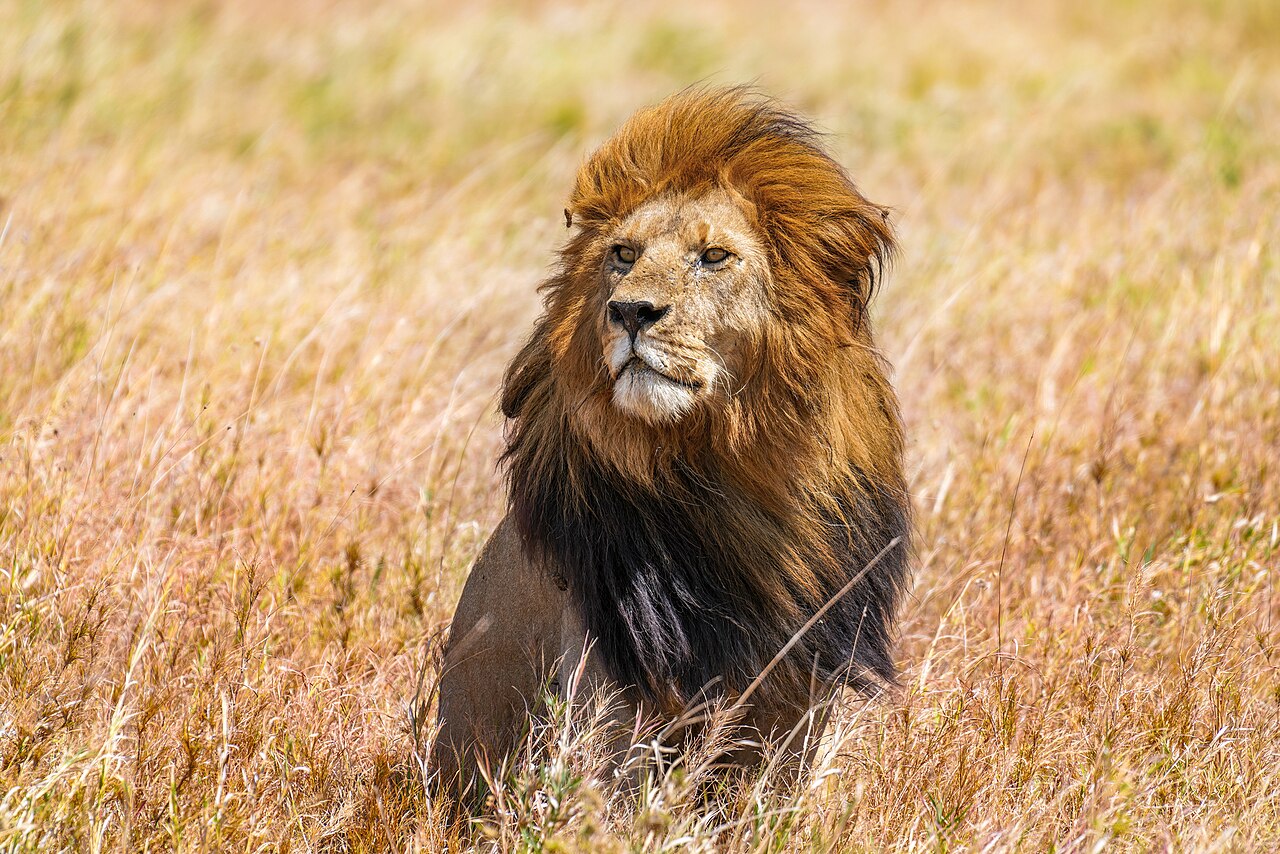
The lion (Panthera leo) is a large cat of the genus Panthera, currently ranging only in Sub-Saharan Africa and India. It is an apex and keystone predator, preying mostly on medium-sized and large hooved mammals, and is a social species forming groups called prides. The lion has been extensively depicted in sculptures, paintings, national flags, literature, and films, making it one of the most widely recognised animal symbols in human culture, particularly as a symbol of power and royalty.
Scientific classification
- KingdomAnimalia
- PhylumChordata
- InfraclassPlacentalia
- OrderCarnivora
- FamilyFelidae
- GenusPanthera
- SpeciesPanthera leo
Named by (Linnaeus, 1758)
Close relatives
Other species of Panthera with a Codexery entry.
- Snow leopard Panthera uncia
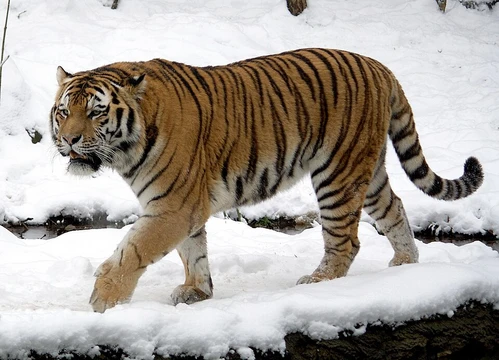
- Tiger Panthera tigris
- Jaguar Panthera onca
- Leopard Panthera pardus
Sources: Wikipedia taxobox: Lion (CC BY-SA 4.0)
Conservation status
Vulnerable (VU)
- LC
- NT
- VU▲ this species
- EN
- CR
- EW
- EX
Source: IUCN Red List assessment · GBIF copy of the Red List category
Where the lion has been recorded
Each dot is a place where the species has been observed and reported (16,865 records, half-degree grid) — not a modelled range. 203 inland records left out (institution coordinates).
Map: drawn by Codexery. Data: GBIF occurrence search (records CC0 / CC BY) · Natural Earth basemap (public domain) · place coordinates: Wikipedia (CC BY-SA 4.0)
Lore & Background
During the Neolithic period, the lion ranged throughout Africa and Eurasia, from Southeast Europe to India, but has been reduced to fragmented populations in sub-Saharan Africa and one population in western India. Lion populations are untenable outside designated protected areas, and habitat loss and conflicts with humans are the greatest causes for concern. The lion is sexually dimorphic; adult males are larger than females and have a prominent mane. It inhabits grasslands, savannahs, and shrublands.
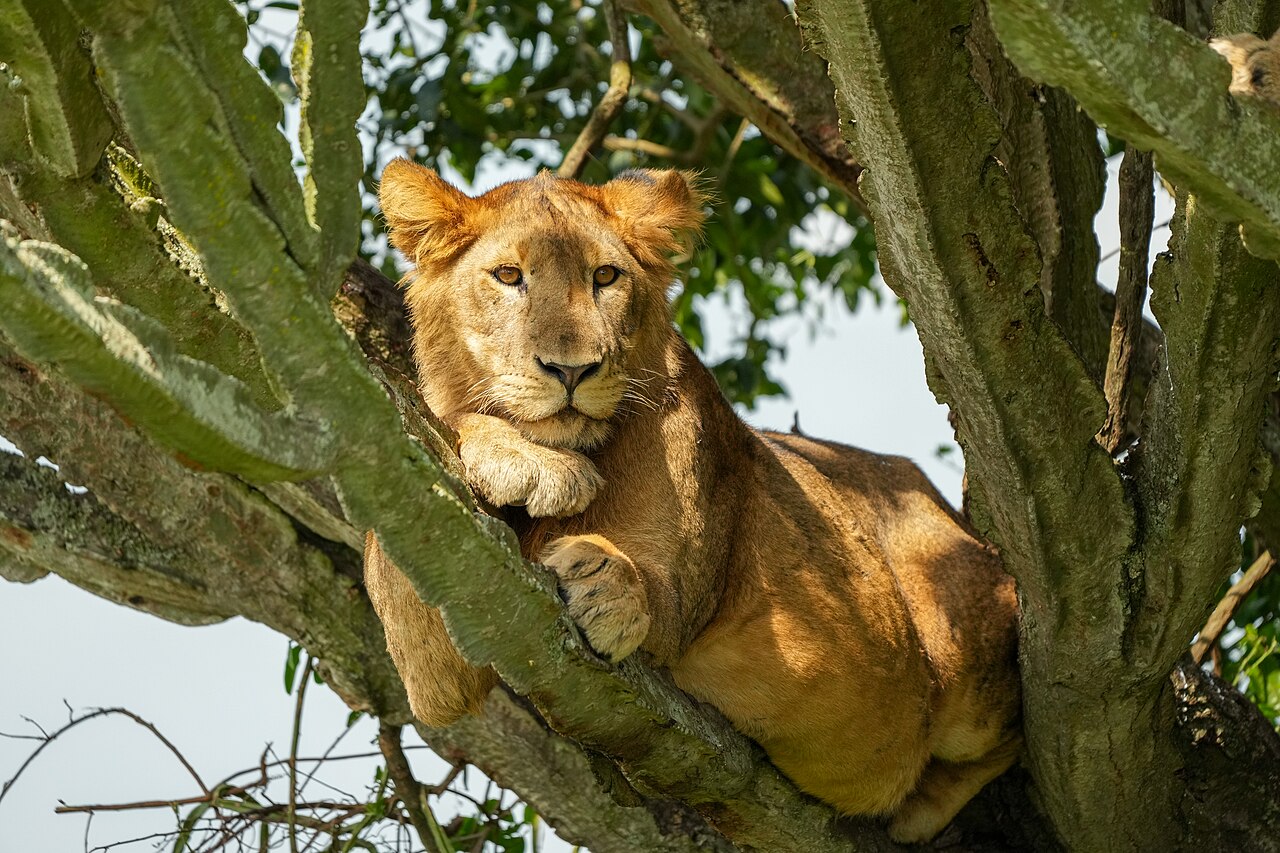
It is usually more diurnal than other wild cats, but when persecuted, it adapts to being active at night and at twilight. A lion pride consists of related females and cubs, and a few or one adult male who is unrelated to the females; groups of females usually hunt together, and adult males often compete to keep or gain their membership in the pride. Lions have been kept in menageries since the time of the Roman Empire and have been a key species sought for exhibition in zoological gardens across the world since the late 18th century. Cultural depictions of lions have occurred worldwide, and they figure prominently as symbols and deities in ancient religions.
Evolutionary Lineage and the Panthera Family Tree
The big cats' story begins roughly 6.37 million years ago, when their ancestors branched off from the Felinae subfamily — the group that would later include everything from house cats to cougars and cheetahs. A 2010 molecular phylogenetics study clarified the internal family tree of Panthera. It revealed that the snow leopard and tiger are sister species, having diverged from the ancestral big cat around 3.9 million years ago, with the tiger reaching its distinct form by the late Pliocene, roughly 3.2 million years ago. The lion, leopard, and jaguar, by contrast, form a tighter cluster.
Their shared ancestor separated from the rest between 4.3 and 3.8 million years ago. The jaguar then split from the lion-leopard lineage between 3.6 and 2.5 million years ago, and lions and leopards finally diverged from each other approximately 2 million years ago. An early fossil, P. blytheae from northern Central Asia, was once thought to be the oldest known Panthera, but later research reclassified it into a separate genus, Palaeopanthera.
Physical Scale Across the Genus
The Panthera genus spans a remarkable range of body mass. At the lower end, adult snow leopards typically weigh between 22 and 55 kilograms, with one exceptional individual recorded at 75 kilograms. Lions occupy a much higher tier: males generally range from 150 to 250 kilograms, while females fall between 110 and 182 kilograms. Tigers show similarly wide variation, with males from 100 to 306 kilograms and females from 75 to 167 kilograms.
In the wild, exceptionally heavy male lions and tigers have been documented exceeding 306 kilograms, and in captivity some individuals approach 450 kilograms. The liger — a hybrid offspring of a lion and a tiger — can surpass both parent species in size. One documented liger named Nook reportedly weighed over 550 kilograms, dwarfing even the largest wild specimens of either parent. These figures underscore how much genetic variation exists even within a single genus of apex predators.
Common Misconceptions (Editorial)
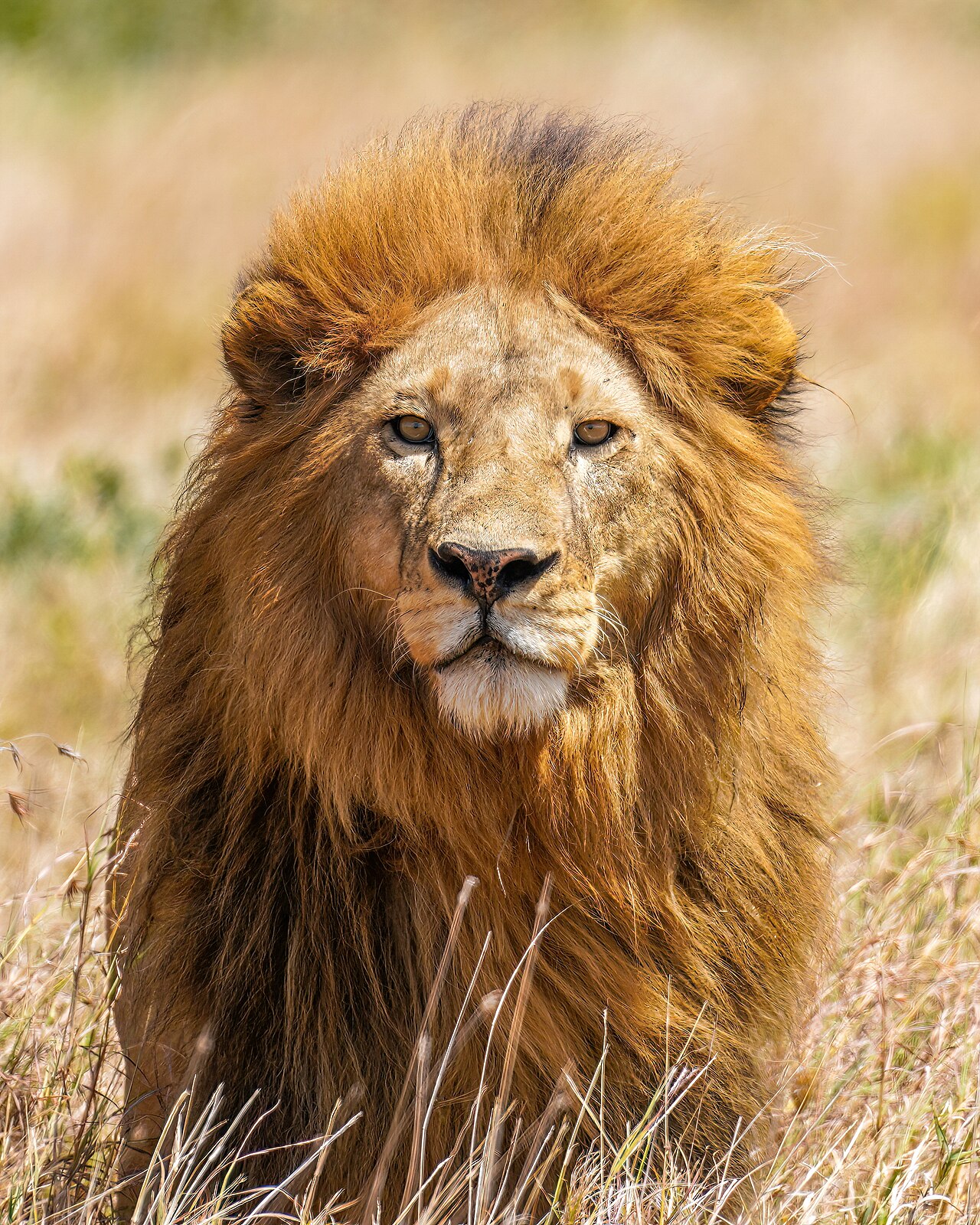
A common misconception is that lions are primarily nocturnal. In fact, the species is usually more diurnal than other wild cats, though it adapts to being active at night and at twilight when persecuted. Another misconception is that a lion pride consists of a dominant male with multiple females and their young, with the male leading the hunt. In reality, a pride is made up of related females and cubs, plus a few or one adult male who is unrelated to the females, and groups of females usually do the hunting together.
Why It Matters (Editorial)
The lion endures as a symbol of power and royalty because its social complexity and physical majesty have captivated human imagination for millennia, from ancient religions to modern zoos. Yet its dramatic range contraction—from across Eurasia to just fragmented pockets in Africa and one in India—makes it a sobering measure of humanity’s impact on the natural world, underscoring the urgent need for coexistence and conservation.
Reader's Guide
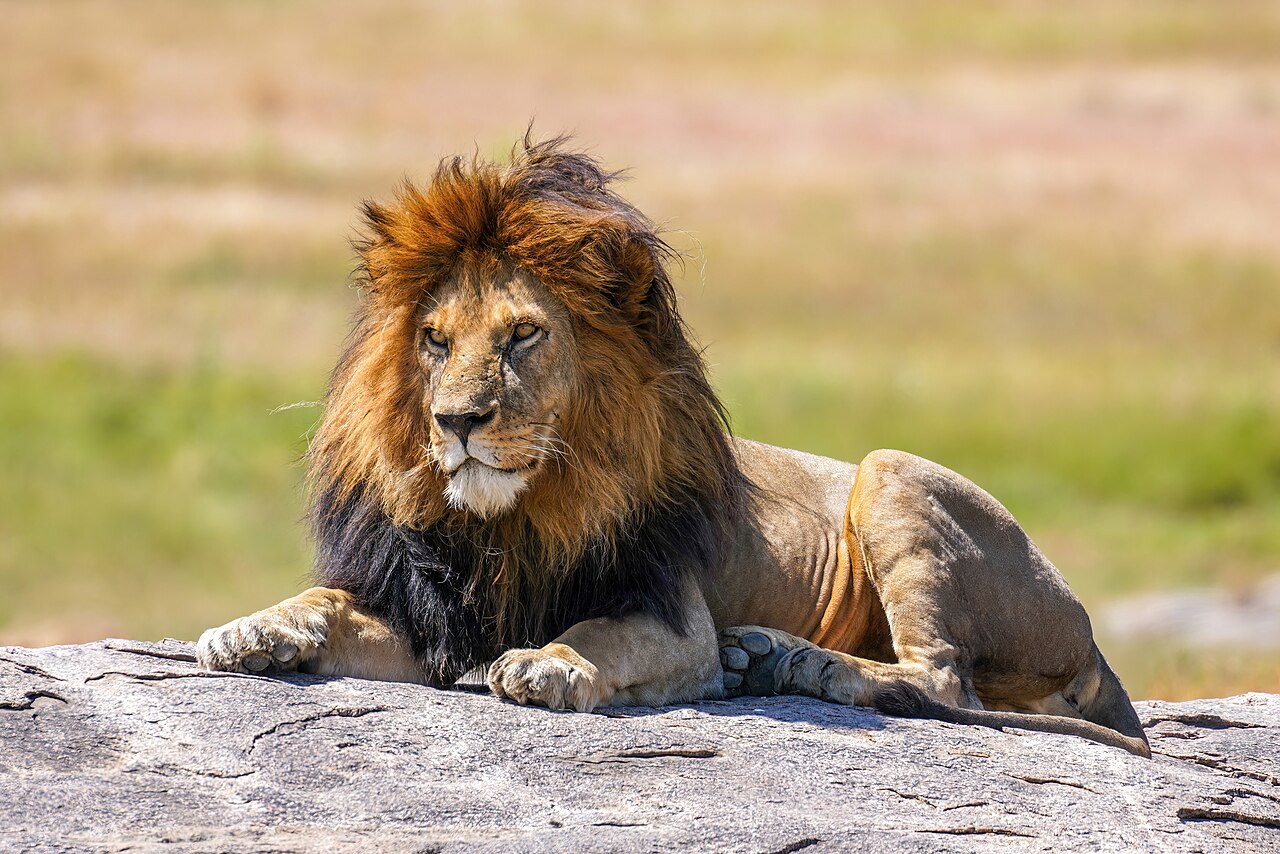
The lion's significance lies in its dual role as both a keystone predator and a pervasive cultural symbol. As an apex predator, it shapes ecosystems by preying on medium-sized and large hooved mammals, and its social structure—living in prides—is unusual among large cats. The species has experienced a dramatic range contraction from a broad Neolithic distribution across Africa and Eurasia to isolated populations in sub-Saharan Africa and western India, with a 43% decline in African populations since the early 1990s.
Taxonomically, the lion has been revised to two subspecies (P. l. leo and P. l. melanochaita) based on genetic studies, though some overlap in Central Africa complicates classification. Its legacy is cemented in human culture: lions have been depicted in art, literature, and film for millennia, symbolizing power and royalty, and have been exhibited in zoos since the late 18th century. The species also has a rich fossil record, including prehistoric relatives like the cave lion (P. spelaea) and American lion (P. atrox), which became extinct at the end of the last glacial period.
Also in the Codexery
More in Big Cats
Test yourself
Three questions drawn from this entry’s sources. Pick an answer to check it.
Answers checked against the source article
Sources
Compiled from Wikipedia and the sources listed below. Text from Wikipedia is available under CC BY-SA 4.0; this entry is adapted from it.
- Wikipedia: Lion (CC BY-SA 4.0).
- Conservation status: IUCN Red List assessment.
- Occurrence records: GBIF (CC0 / CC BY). Basemap: Natural Earth (public domain).
- Word definitions: the Codexery glossary, each quoted from its Wikipedia article.
Spotted an error? Know more?
Reader corrections go straight into our review queue. Suggest an edit · How this site is sourced