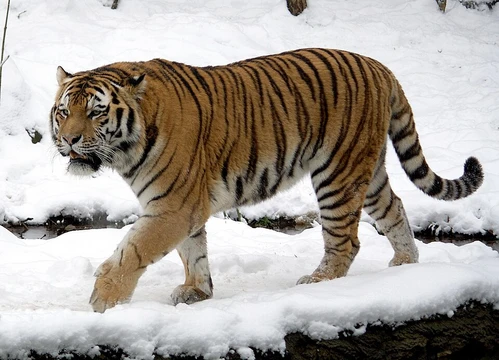
Bengal tiger
A large wild cat population native to the Indian subcontinent.
Last updated

Charles J. Sharp · CC BY-SA 4.0
The Bengal tiger is a population of the Panthera tigris tigris subspecies, ranking among the largest of wild cats. It is distributed from India, southern Nepal, Bangladesh, Bhutan to Southwestern China, and its historical range extended to the Indus Basin until the early 19th century. It is the national animal of India and Bangladesh.
Quick Facts
- Scientific name
- Panthera tigris tigris
- Subspecies
- Nominate subspecies of tiger
- Distribution
- India, southern Nepal, Bangladesh, Bhutan, Southwestern China
- National animal of
- India and Bangladesh
Facts from the source article.
Lore & Background
The Bengal tiger is defined by three distinct mitochondrial nucleotide sites and 12 unique microsatellite alleles.
Common Misconceptions (Editorial)
Some people believe the white tiger is an albino, but the facts show it is actually a recessive mutant, not a result of albinism. Another common misconception is that the Bengal tiger is a separate subspecies, whereas it is a population of the Panthera tigris tigris subspecies. Additionally, its historical range once extended to the Indus Basin until the early 19th century, a fact often overlooked by those who assume it has always been confined to its current distribution.
Why It Matters (Editorial)
The Bengal tiger endures as a powerful symbol of national identity, serving as the national animal of both India and Bangladesh. Its survival reflects broader conservation challenges, as protecting this iconic predator helps preserve the diverse ecosystems it inhabits across South Asia.
Reader's Guide
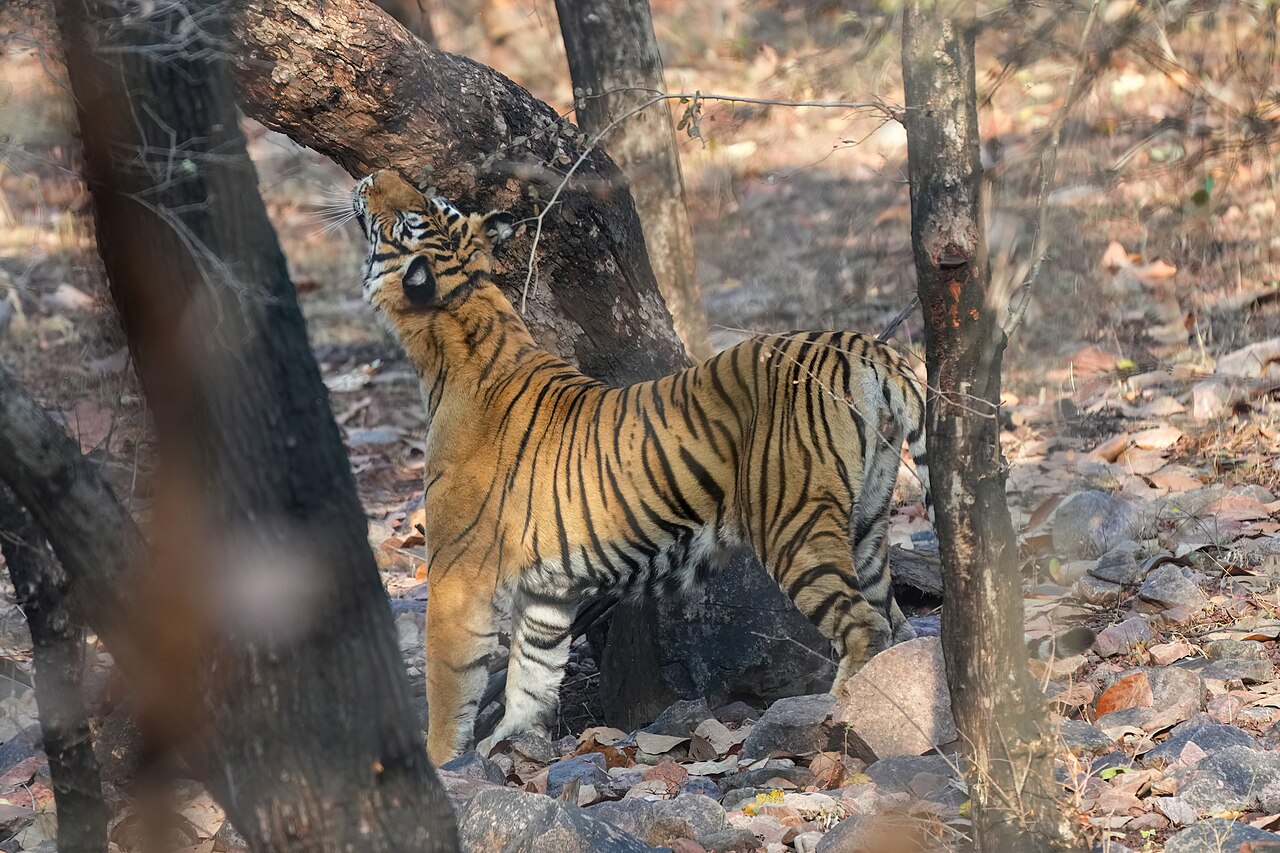
The Bengal tiger is a population of the Panthera tigris tigris subspecies, recognized as the nominate subspecies. Its historical range extended to the Indus Basin until the early 19th century, and it is thought to have been present in the Indian subcontinent since the Late Pleistocene. It is threatened by poaching, habitat loss, and habitat fragmentation.
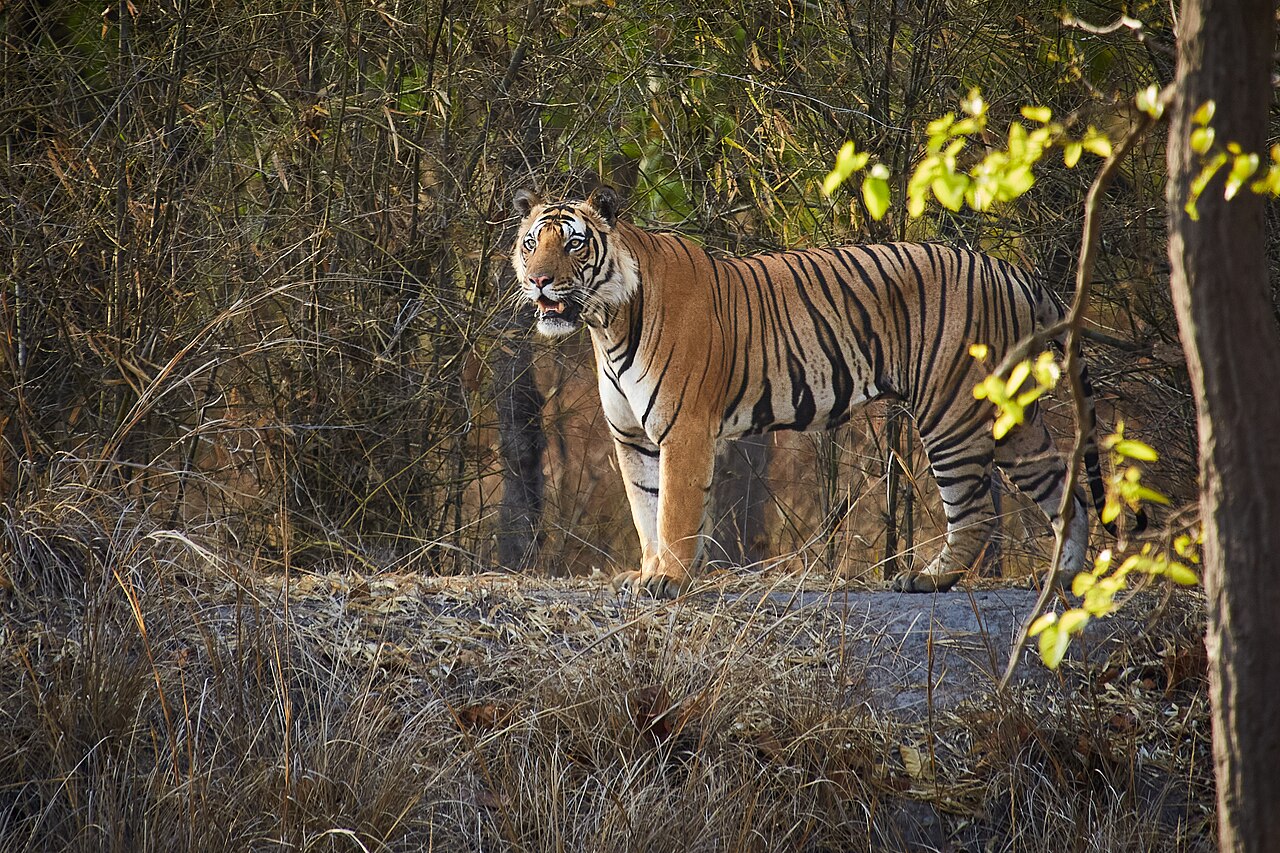
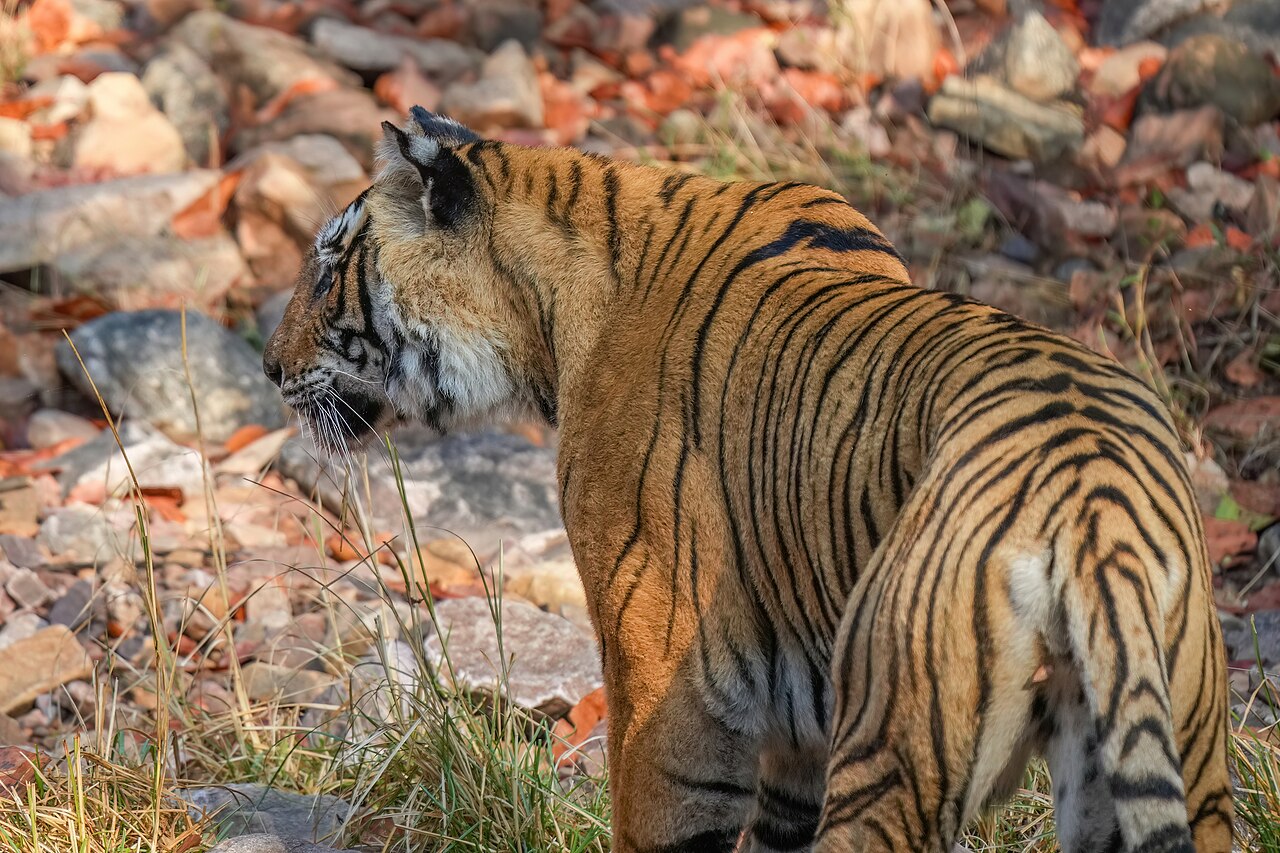
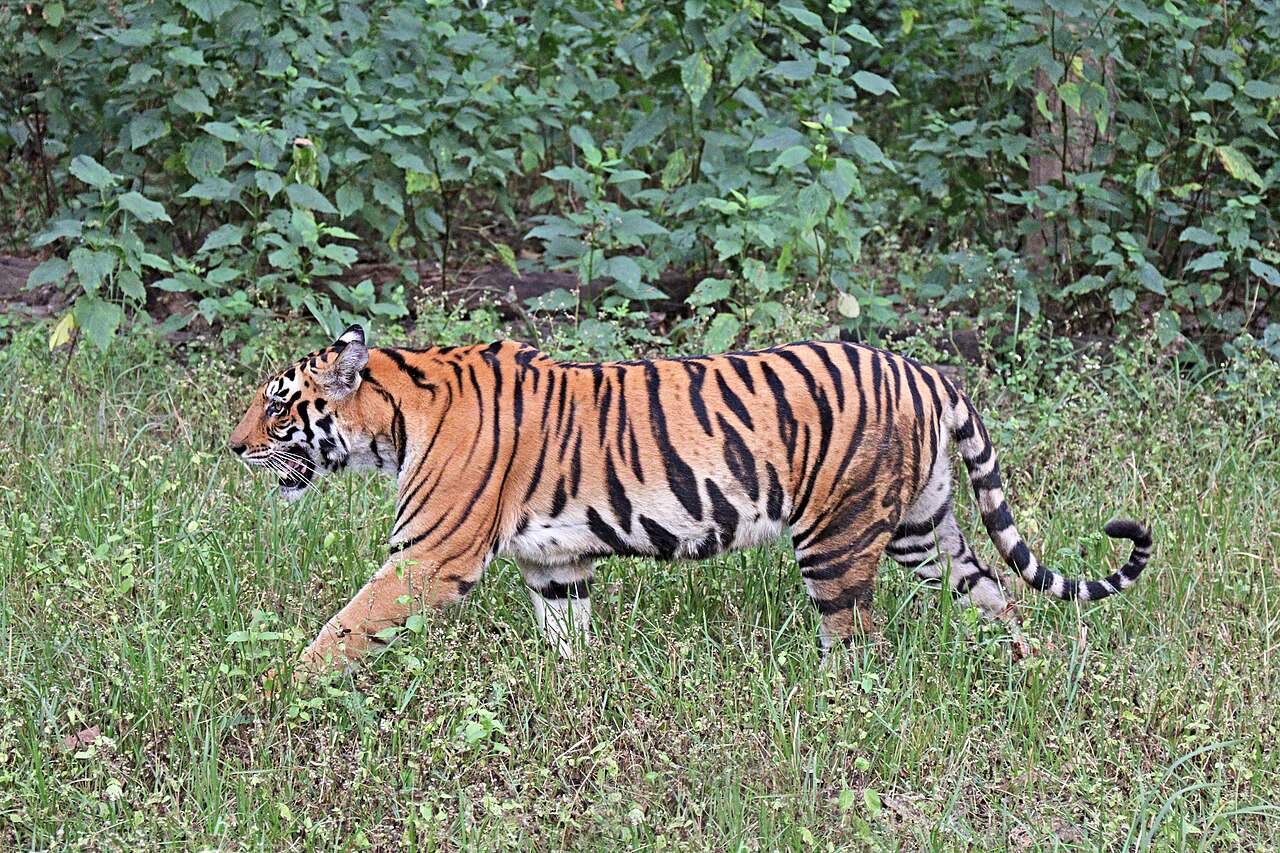
It exhibits recessive mutants such as the white tiger and golden tiger, both very rare in nature. Its coat is yellow to light orange with dark stripes, and it has exceptionally stout teeth with canines 7.5 to 10 cm long. The Bengal tiger is the national animal of India and Bangladesh.
Frequently Asked Questions
What is the Bengal tiger?
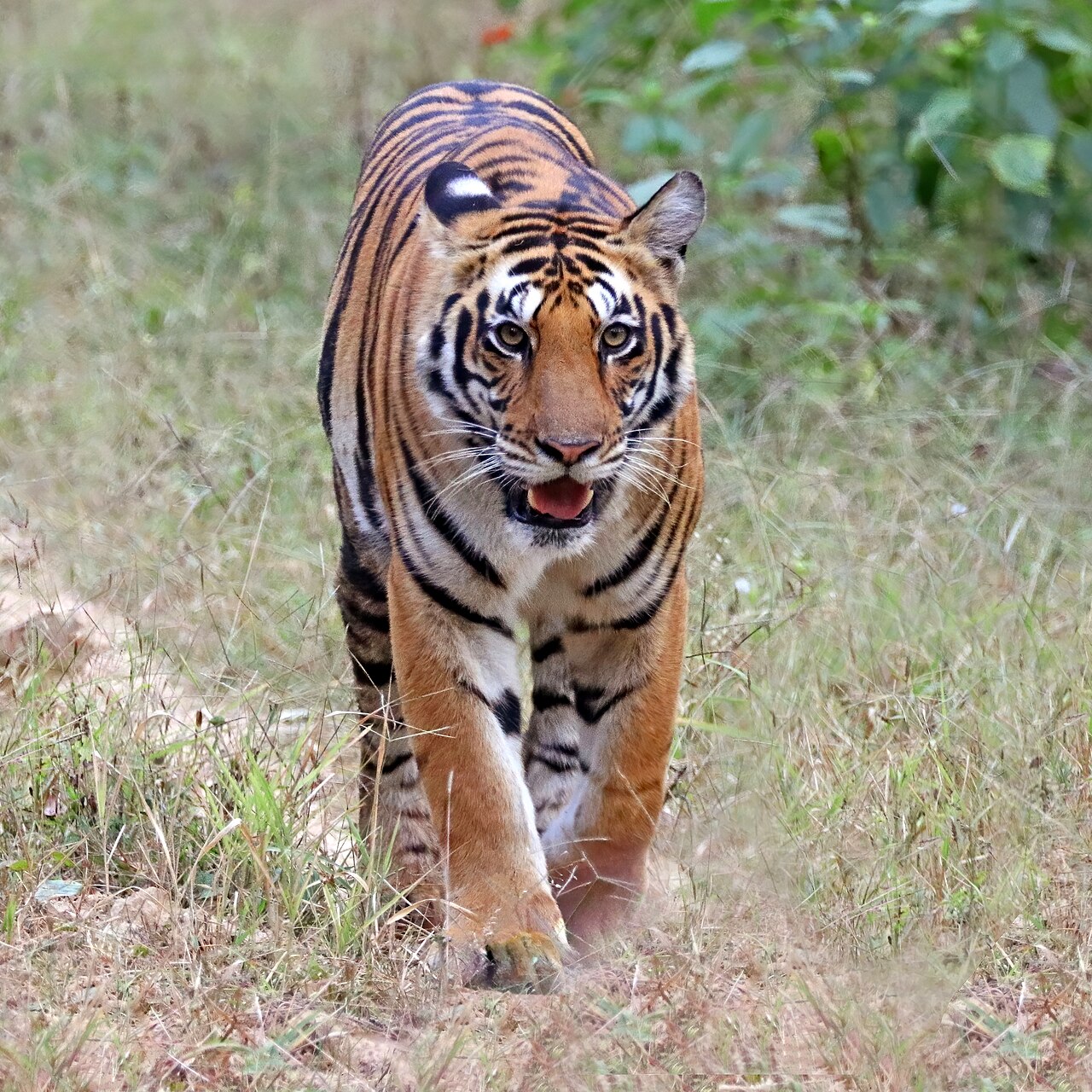
The Bengal tiger is the nominate subspecies of tiger (Panthera tigris tigris) and one of the largest wild cat populations on the planet. It is native to the Indian subcontinent and stretches into parts of southwestern China.
Where do Bengal tigers live in the wild?
Their current range covers India, southern Nepal, Bangladesh, Bhutan, and southwestern China. Before the early 1800s, their territory extended much farther, reaching as far as the Indus Basin.
Also in the Codexery
More in Big Cats
Sources
Compiled from Wikipedia and the sources listed below. Text from Wikipedia is available under CC BY-SA 4.0; this entry is adapted from it.
- Wikipedia: Bengal tiger (CC BY-SA 4.0).
- Word definitions: the Codexery glossary, each quoted from its Wikipedia article.
Spotted an error? Know more?
Reader corrections go straight into our review queue. Suggest an edit · How this site is sourced