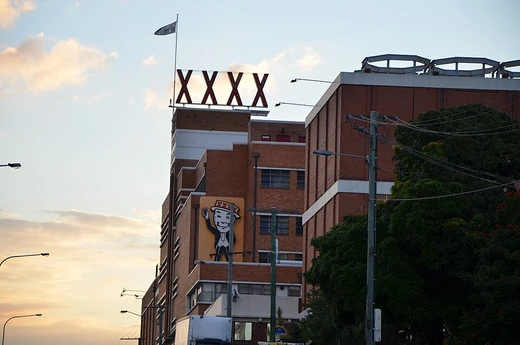
Grain Belt (beer)
A Minnesota beer brand since 1893.

Alexander Novati · CC BY-SA 3.0
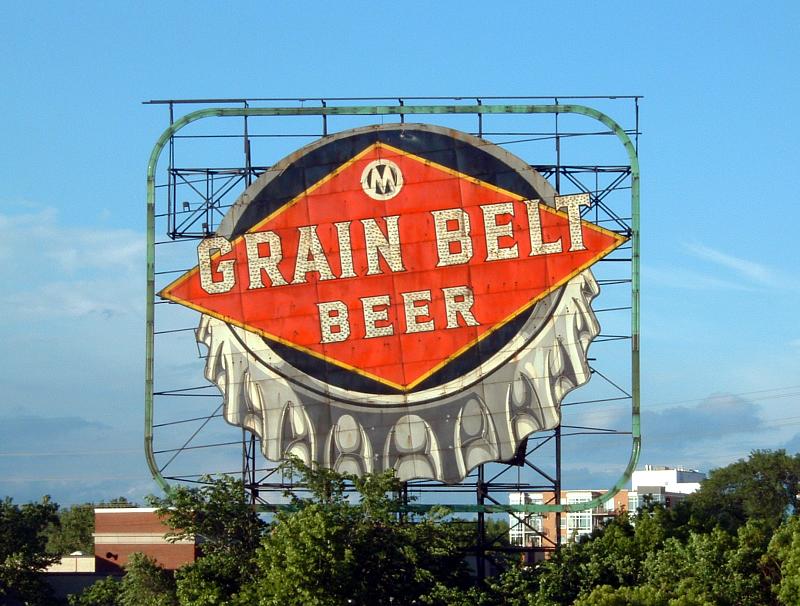
Grain Belt is a brand of beer brewed in the American state of Minnesota by the August Schell Brewing Company. Originally introduced in 1893 as Grain Belt Golden, it became the flagship product of the Minneapolis Brewing Company and has since been produced in several varieties, including Grain Belt Premium (1947), Grain Belt Premium Light, Grain Belt Nordeast (2010), and Grain Belt Lock & Dam (2016). The brand is notable for its long history, its diamond-shaped logo with a bottlecap added in the late 1930s, and its resilience through multiple ownership changes, ultimately returning to Minnesota brewing under Schell's in 2002.
Quick Facts
- Nrhp Type
- nrhp
- Location
- Jct. of Marshall St. and 13th Ave. NE. / Minneapolis, Minnesota
- Architect
- William L. Lehle; Frederick W. Wolff
- Architecture
- Romanesque
- Added
- June 21, 1990
- Refnum
- 90000988
Facts from the source article.
Lore & Background
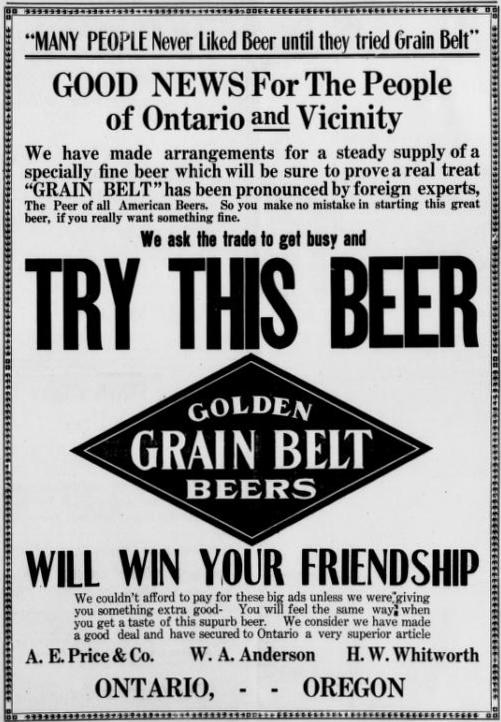
The Grain Belt name first appeared in 1893 as 'Golden Grain Belt Old Lager,' brewed by the Minneapolis Brewing Company, a conglomerate formed in 1890 from four Minneapolis breweries. Prohibition halted production from 1920 to 1933, during which the company operated as the Golden Grain Juice Company, producing near beer and soft drinks. After repeal, Grain Belt Beer returned to taverns in October 1933 and bottled beer in December 1933. During World War II, rationing forced the company to drop cans and use green glass bottles instead of standard amber. A premium beer, Grain Belt Premium, entered production in 1947. The company officially changed its name to Grain Belt Breweries in 1967 after purchasing the Storz Brewing Company, and later took over the Hauenstein Brewery line. By the end of the 1960s, Grain Belt was the 18th-largest brewing company in the US, but declined as national competitors like Anheuser-Busch, Schlitz, and Miller targeted regional markets. In 1975, stockholders sold the company to Irwin Jacobs, and operation ceased by year's end.
Reader's Guide
Grain Belt's significance lies in its deep roots in Minnesota brewing history and its survival through a series of corporate transitions. After the original Minneapolis brewery closed in 1976, production moved to the former Jacob Schmidt brewery in St. Paul under G. Heileman Brewing Company, then to La Crosse, Wisconsin in 1989. A group of investors formed the Minnesota Brewing Company in 1991, acquiring the Grain Belt brand and thriving through the 1990s, with sales peaking in 1996. However, financial problems led to bankruptcy in 2002, and the brand was bought by August Schell Brewing Company in August 2002. Under Schell's, Grain Belt Premium became the company's most popular brand, gaining a strong following among younger drinkers in the region. The brand's legacy also includes its former brewery building in Northeast Minneapolis, listed on the National Register of Historic Places and redeveloped for multiple uses. Grain Belt continues to be brewed primarily for the Minnesota market, with limited-edition releases such as football-themed packaging and the Grain Belt BLU variety.
Did You Know?
- Grain Belt Golden was the original style introduced in 1893.
- The diamond-shaped logo did not include a bottlecap until the late 1930s.
- Grain Belt Premium has become August Schell Brewing Company's most popular brand.
Origins & the Birth of a Brand
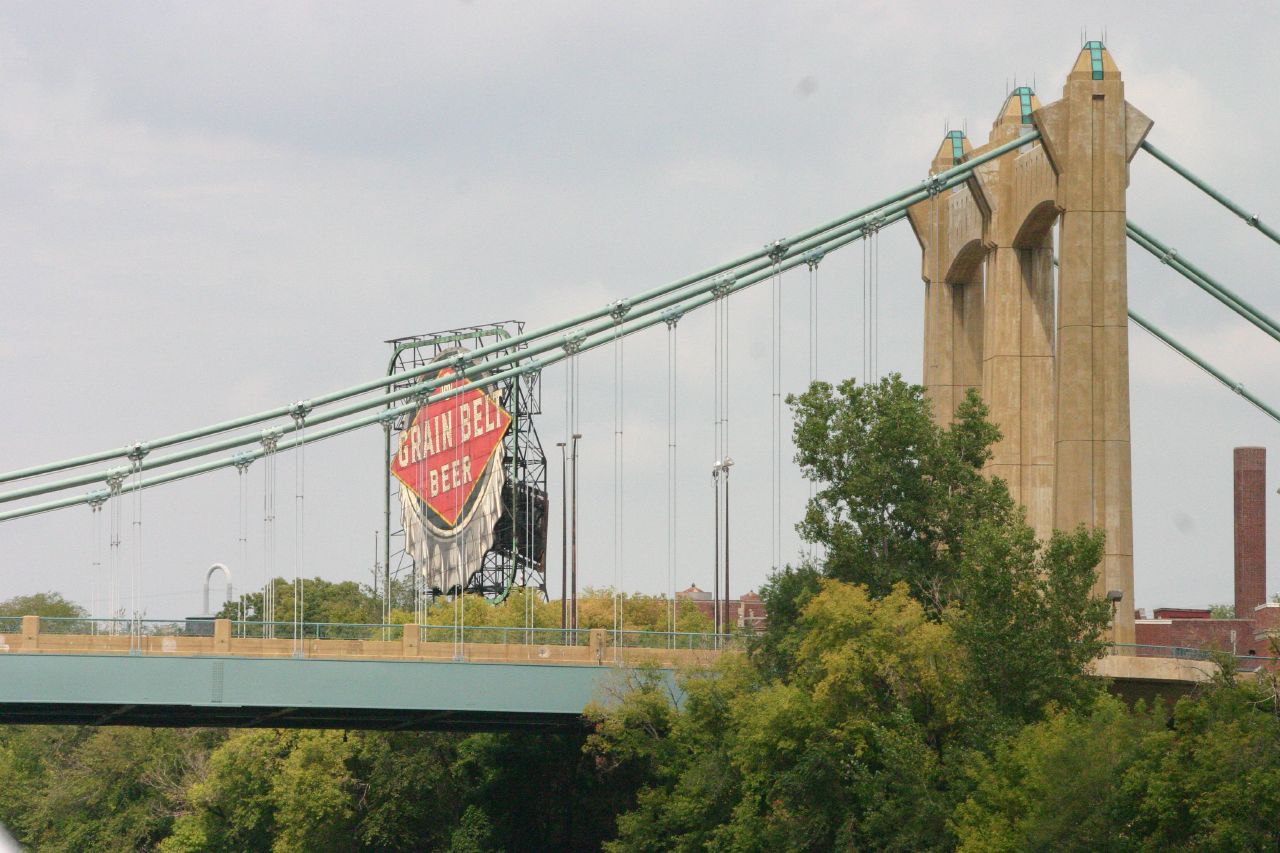
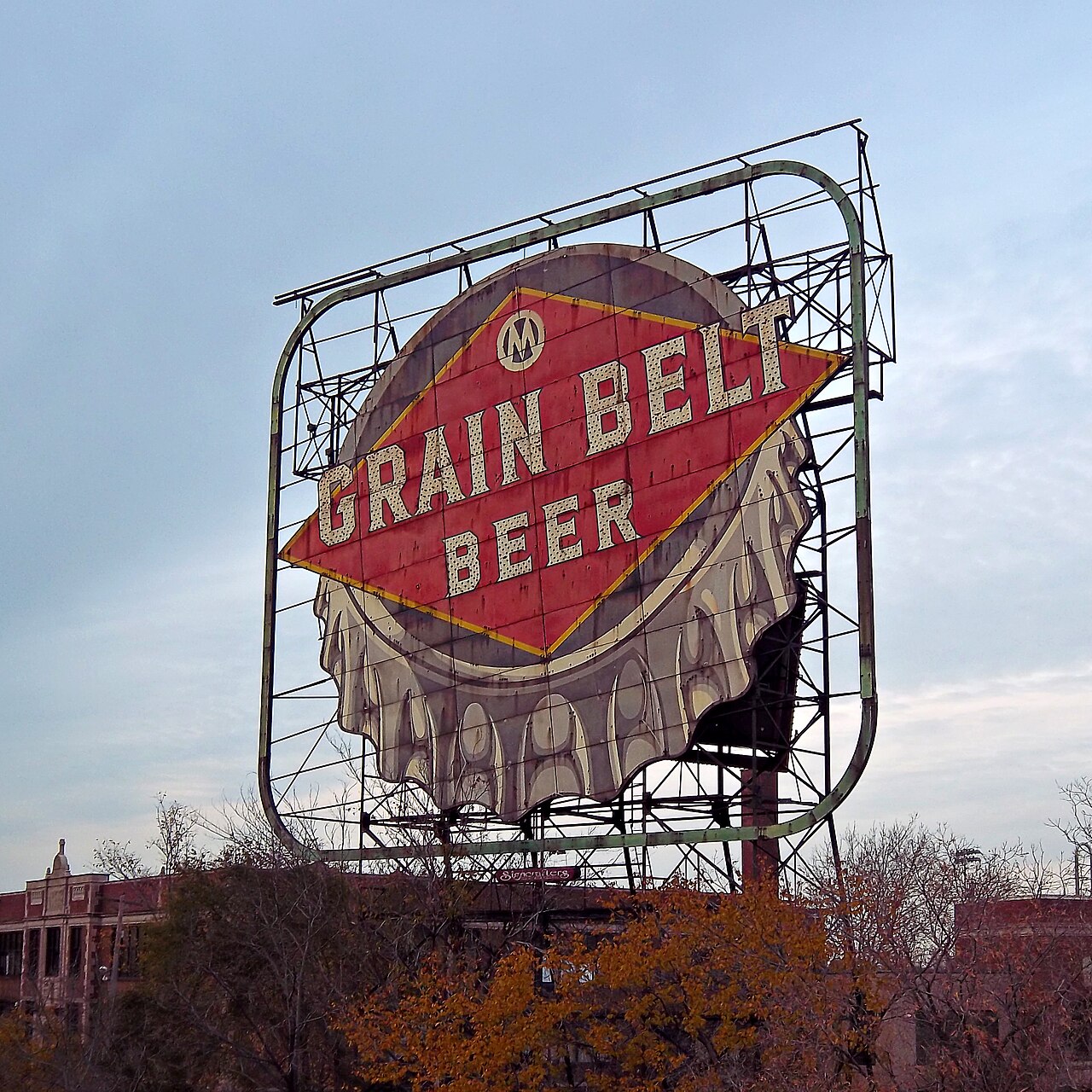
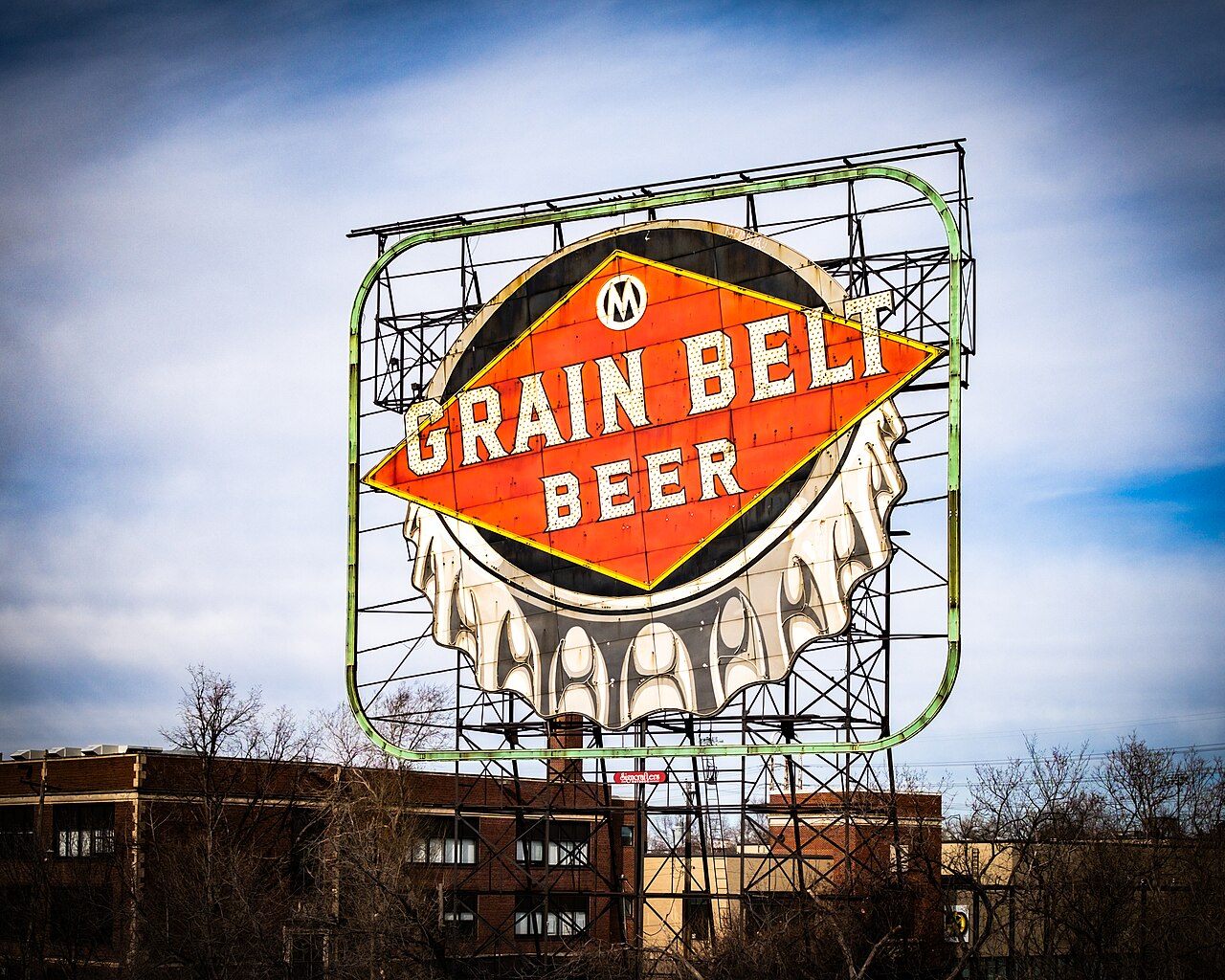
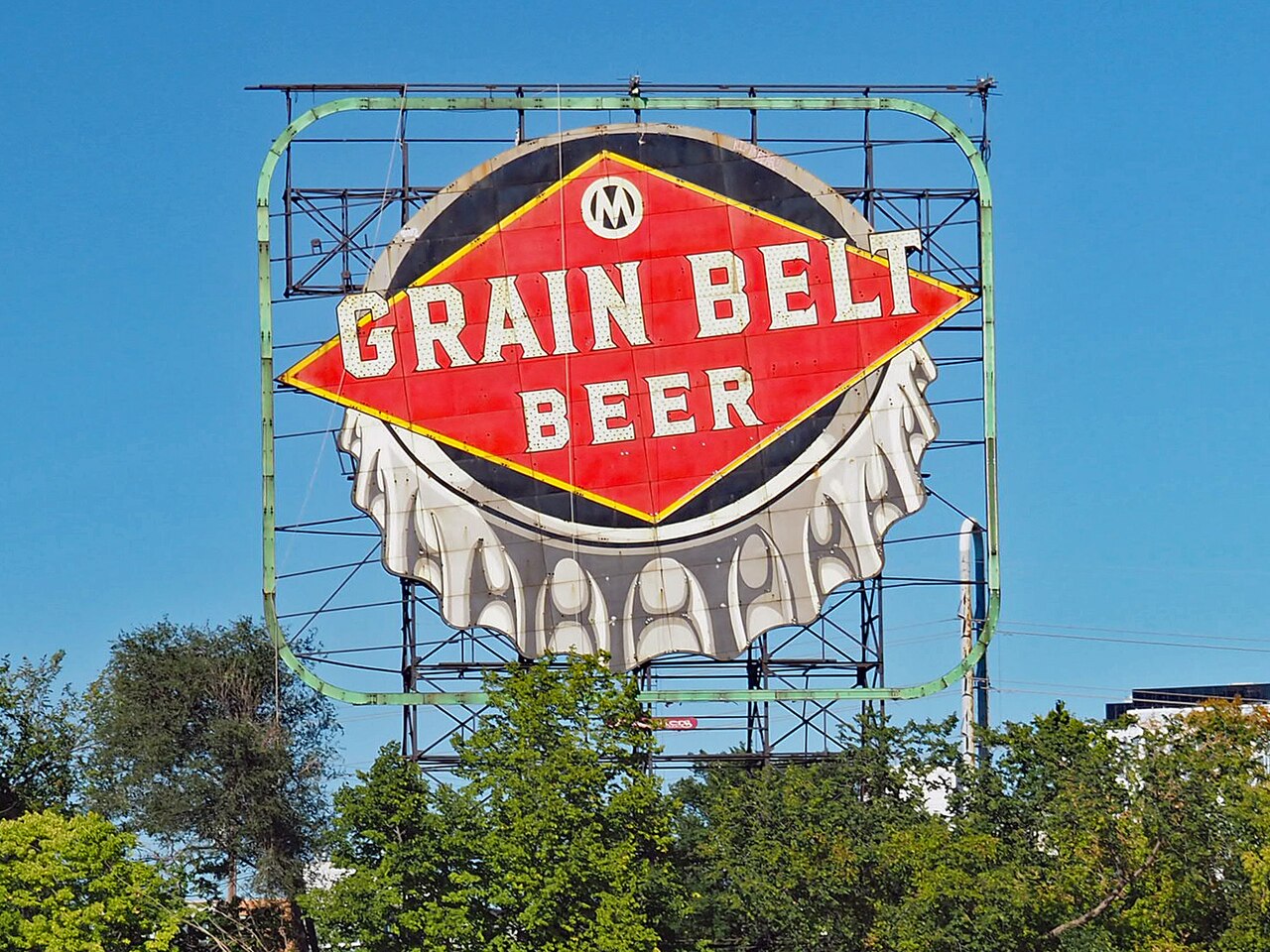
Grain Belt's story begins in the early 1890s Minneapolis brewing scene. In 1890, four separate Minneapolis-based breweries—the F.D. Noerenberg Brewery, John Orth Brewing Company, Heinrich Brewing Association, and Germania Brewing Association—consolidated into the Minneapolis Brewing Company, which quickly became one of the largest brewing operations in the United States. Just two years later, in 1893, the company introduced the Golden Grain Belt Old Lager, a traditional golden German-style lager that would become the flagship of the entire operation. The name itself is a nod to the agricultural heartland of the American Midwest, a region responsible for a vast share of the world's barley, corn, soybeans, and other grain crops. The brand's distinctive diamond-shaped logo appeared early in its history, and by the late 1930s a rendering of a bottlecap had been added to the background design, giving the label a more recognizable silhouette that would endure for decades.
Prohibition, War, and Post-War Reinvention
The Golden Grain Belt Old Lager enjoyed steady popularity until Prohibition struck in 1920, halting all production for thirteen years. During that stretch, the company temporarily rebranded itself as the Golden Grain Juice Company and pivoted to manufacturing near beer and soft drinks, a stopgap strategy shared by brewers across the country. When the Eighteenth Amendment was repealed, Grain Belt returned to taverns in October 1933, with bottled beer hitting shelves by December of that year. World War II brought its own disruptions: wartime rationing forced the company to abandon metal cans entirely and switch to green glass bottles, a less ideal choice than the standard amber glass that better shielded the beer from light. After the war, the company embraced packaging innovation as bottled and canned sales grew to dominate over draft. In 1947, Grain Belt Premium entered production, marking a step up in quality. The old conetop cans with their sealed caps gave way to flat-top steel cans in the 1950s, and the product line continued to expand in the postwar years.
Peak, Rivalry, and the Squeeze of National Giants
By the late 1960s, Grain Belt had grown into the eighteenth-largest brewing company in the United States and a dominant force across the Midwest. In 1967, the Minneapolis Brewing Company officially rebranded as Grain Belt Breweries after acquiring the Storz Brewing Company of Omaha, Nebraska, and two years later it absorbed the Hauenstein Brewery of New Ulm, Minnesota. The brand became deeply woven into local culture: its deep-voiced TV jingle, 'Been a long time a-brewing,' was a familiar sound, and its billboard signs appeared on the scoreboard at Minnesota Vikings games while fans in the stands at Minnesota Twins ballparks reached for a cold one. The label even featured a bubbling water fountain built on the brewery's park-like grounds, paired with the tagline 'From perfect brewing water.' Yet the landscape was shifting. Better-capitalized national giants—Anheuser-Busch, Schlitz, Miller—began flooding regional markets with heavy advertising and aggressive pricing, overwhelming smaller brewers like Grain Belt. By 1975, stockholders voted to sell the company to area businessman Irwin Jacobs, and operations ceased by year's end.
Exile, Resurrection, and the Schell Era
The 1970s and 1980s saw Grain Belt drift far from its Minneapolis roots. G. Heileman Brewing Company of La Crosse, Wisconsin, purchased the brand in 1976, shuttered the original brewery, and moved production to a former Jacob Schmidt facility in St. Paul, where Grain Belt and its old rival Schmidt were brewed side by side. In 1989, Heileman closed the St. Paul plant and relocated production back to Wisconsin, taking the brand out of the Twin Cities for the first time. Heileman itself faltered within a decade, and a group of investors stepped in. When Heileman declined to sell the Schmidt brand, it instead offered the Grain Belt name. The investors accepted, forming the Minnesota Brewing Company in 1991, which thrived through the 1990s with sales peaking in 1996. In 2001, the company launched specialty craft lines under the Brewer's Cave and Grain Belt Archive Series names—high-quality, all-malt beers without adjunct grains. Then in 2002, the August Schell Brewing Company took over the product line, and the brand has continued to evolve, with Grain Belt Nordeast arriving in 2010 and Grain Belt Lock & Dam in 2016.
Gallery
Frequently Asked Questions
What is Grain Belt beer?
Grain Belt is a Minnesota-brewed lager first introduced in 1893 as Grain Belt Golden. It served as the flagship of the Minneapolis Brewing Company and is now produced by August Schell Brewing Company.
What varieties of Grain Belt are available today?
The current lineup includes Grain Belt Premium, Grain Belt Premium Light, Grain Belt Nordeast, and Grain Belt Lock & Dam. These range from the classic premium lager to lighter and more experimental styles.
What does the name 'Grain Belt' actually refer to?
The name is a nod to the Grain Belt, the agricultural region of the American Midwest famous for its grain crops. It anchors the brand to its Minnesota origins and the farming landscape that supplies its raw ingredients.
What is Grain Belt's logo and when did it change?
The brand's mark is a distinctive diamond shape that has served as its visual identity for decades. A bottlecap element was added to the design in the late 1930s, and that combined emblem has stuck ever since.
How did Grain Belt survive so many ownership changes and return to Minnesota?
After being brewed at the original Minneapolis brewery until 1976, the brand passed through multiple corporate hands over the following decades. August Schell Brewing Company ultimately took over the product line in 2002, bringing production back to its Minnesota home.
More in Beer Brands, Part 3 1-24
Spotted an error? Know more?
Reader corrections go straight into our review queue. Suggest an edit · How this site is sourced