Wychwood Brewery
Brewer of Hobgoblin, the unofficial beer of Halloween.

Reading Tom · CC BY 2.0
Wychwood Brewery was a brewery and pub chain based in Witney, Oxfordshire, England, best known for its flagship brand Hobgoblin, a 5.2% abv brown ale. The brewery produced around 50,000 barrels of cask ale annually and was the United Kingdom's largest brewer of organic ales. Its character-based label artwork, inspired by the myths and legends of the ancient Wychwood Forest, became a distinctive feature. The brand is currently owned by Carlsberg Britvic, and the brewery was closed in November 2023.
Quick Facts
- Location City
- Witney, Oxfordshire
- Location Country
- England
- Opened
- 1983
- Closed
- 2023
- Key People
- Paddy Glenny and Ian Rogers (founders)
- Production
- 50,000 UK barrels (8,200,000 litres)
- Owner
- Carlsberg Britvic
Facts from the source article.
Lore & Background
The brewery began in 1983 when Paddy Glenny rented part of the old Eagle Maltings site in Witney, naming his venture Glenny Brewery. The first beer was Eagle Bitter, later renamed Witney Brewery after a legal threat from Charles Wells Brewery. In 1990, Ian Rogers bought the brewery, renamed it Wychwood Brewery after the ancient Wychwood Forest, and moved it to the Two Rivers Industrial estate. Under Rogers, the brewery leased and revamped pubs as Hobgoblin pubs, targeting real-ale drinkers and students. Hobgoblin became the fifth best-selling beer in the UK, and the brewery expanded into exports via Sovereign Beverage Company to countries including North America, Germany, Sweden, France, Australia, Russia, Japan, Israel and Singapore. The brewery changed hands several times: acquired by Refresh UK in 2002, then by Marston's in 2008, and merged into Carlsberg Marston’s Brewing Company in 2020. In September 2023, CMBC announced the closure of the brewery, which went ahead in November 2023, citing a need to consolidate amid a competitive UK ale market.
Reader's Guide
Wychwood Brewery's legacy is tied to its flagship Hobgoblin, which became a cultural touchstone in British brewing. The beer gained international attention in 2010 when Prime Minister David Cameron gave twelve bottles to President Barack Obama at the G20 Summit in Toronto. The brewery's marketing, including the 'What’s the matter, Lagerboy' slogan and positioning Hobgoblin as the unofficial beer of Halloween, helped it stand out. The brewery also produced other notable beers such as King Goblin (6.6% abv), Dog's Bollocks, and Three Lions, and brewed Brakspear beers after acquiring that brand in 2002. Additionally, Wychwood brewed a line of beers under the Hatherwood name exclusively for Lidl. Despite the brewery's closure, Hobgoblin continues to be marketed, and King Goblin remains available through the Marston's website. The brewery's closure marked the end of a significant chapter in Oxfordshire's brewing history, but its beers remain in circulation.
Did You Know?
- Hobgoblin was the first British beer sold in supermarkets to feature a pictorial label with gold embossing and a colour logo.
- The brewery's original name was Glenny Brewery, changed to Wychwood Brewery in 1990.
- The brewery's closure in November 2023 left only six employees at the site.
Origins in the Shadow of Eagle Maltings
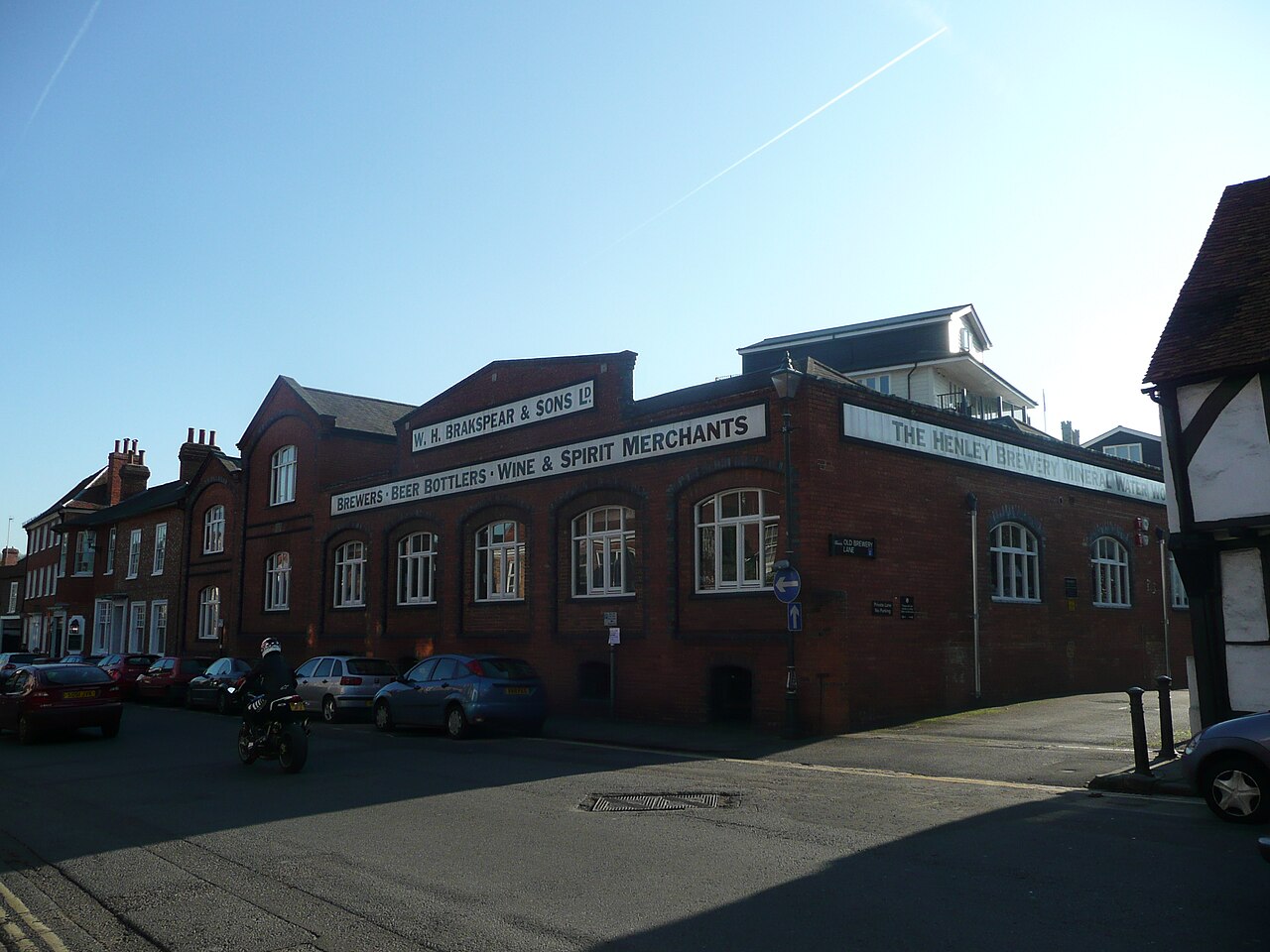
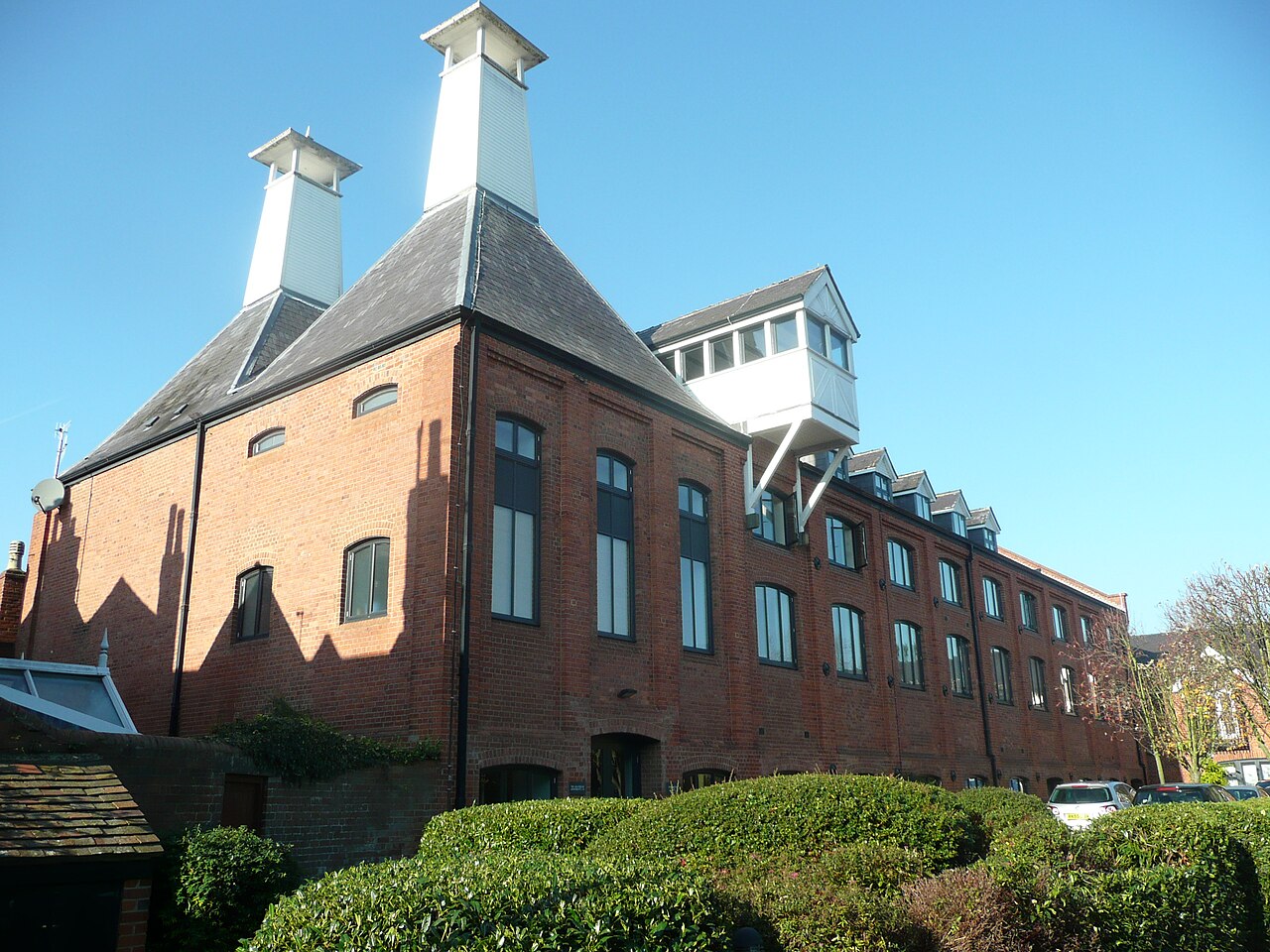
The story of Wychwood Brewery begins not with a brewery but with a maltings. The Eagle Maltings, constructed in 1841, was originally built to process barley for Clinch's brewery, which operated an estate of seventy-one pubs across Southern England. When Courage acquired Clinch's in 1961, the brewing operation was shut down, leaving the site dormant for over two decades. In 1983, Paddy Glenny — brother of BBC journalist Misha Glenny — took a bold gamble by securing a £18,000 bank loan to rent part of the old Eagle Brewery grounds. Working alongside junior partner Chris Moss, he established what was initially called Glenny Brewery. Their first brew, Eagle Bitter, quickly became Witney Brewery after Charles Wells Brewery threatened legal action over the name. A second offering, Wychwood Best, followed, and the pair even exported a 7.7% barleywine called Little Gem to Italy. By 1990, Glenny had moved on to British Columbia, Canada, where he revitalised Nelson Brewing Company, selling the operation to Ian Rogers, who funded the purchase by selling his home and a chapel in Somerset.
The Hobgoblin Empire and National Recognition
Under Ian Rogers' leadership, the brewery underwent a dramatic transformation. In 1990, he renamed the operation Wychwood Brewery after the ancient forest bordering Witney and relocated production to the Two Rivers Industrial estate. The real breakthrough came with the pub-chain strategy: in 1992, Rogers leased nine sites from Allied and Inntrepreneur in town centres and university areas, revamping them with wood fittings, stone floors, and imagery of goblins and witches. The first Hobgoblin pub opened in Staines, Surrey, followed by locations in Bristol, Bath, Brighton, and High Wycombe, all targeting real-ale drinkers and students. Simultaneously, Rogers secured supermarket listings with Tesco, Safeway, and Waitrose, propelling Hobgoblin to the fifth-best-selling beer in the country. By 1999 the pub chain had grown to 35 locations, funded in part by 3i, which became a key investor in 1993. The brand's cultural footprint expanded further: 12,000 branded T-shirts sold in 1996, advertising in the Viz magazine, and in 2000 the company earned a spot on the inaugural Sunday Times Fast Track 100, with Rogers invited to the home of Sir Richard Branson.
A Flagship Forged in Myth and Marketing
Hobgoblin, originally brewed as a strong winter ale and named by Paddy Glenny, became the defining product of the entire Wychwood brand. Its visual identity was carefully crafted: Andy Farmer first created the artwork for Glenny, then illustrator Ed Org was commissioned by Rogers for a new iteration, and Dave Noonan designed the distinctive Hobgoblin font. The beer was the first British supermarket ale to feature a pictorial label with gold embossing and a full-colour logo. Rogers also commissioned United Glass to produce a Coca-Cola-shaped clear bottle, a design choice that helped it become the fifth-best-selling bottled beer in the UK. Under later owner Rupert Thompson, the slogan 'What's the matter, Lagerboy' was coined with a £150,000 trade-press campaign, and Hobgoblin was positioned as the unofficial beer of Halloween. A campaign at the Great British Beer Festival carried the tagline 'Le Real Ale, Because You're Worth It.' The beer's reach even extended to the highest diplomatic levels: at the 2010 G-20 Toronto summit, Prime Minister David Cameron presented President Barack Obama with a bottle of Hobgoblin as a gift from his hometown.
A Long Line of Owners and a Final Curtain
The years after 2001 brought a cascade of ownership changes that ultimately erased the Wychwood name from the brewing landscape. Chris Moss, the original junior partner, died in 2001, and investor 3i placed the business on the market. Refresh UK, led by Rupert Thompson, acquired the brewery in 2002, while the 29 Hobgoblin pubs were sold to Balaclava. That chain quickly fell into administration in 2003, was absorbed by Pubs 'N' Bars plc, and then that company itself collapsed into administration in 2009, with the pubs sold off individually and stripped of their Hobgoblin branding. In 2008, Marston's purchased Refresh UK along with the brewery; production had already been moved to Marston's Burton upon Trent site in 1995. In 2020, Marston's brewing operations merged with Carlsberg UK to form Carlsberg Marston's Brewing Company, later rebranded as Carlsberg Britvic. In September 2023, the company announced it would close the Witney brewery in November to consolidate its brewing network amid a fiercely competitive ale market and turbulent economic conditions. At the time of the announcement, the brewery employed just six people. The closure went ahead as scheduled, ending four decades of brewing in the town.
Gallery
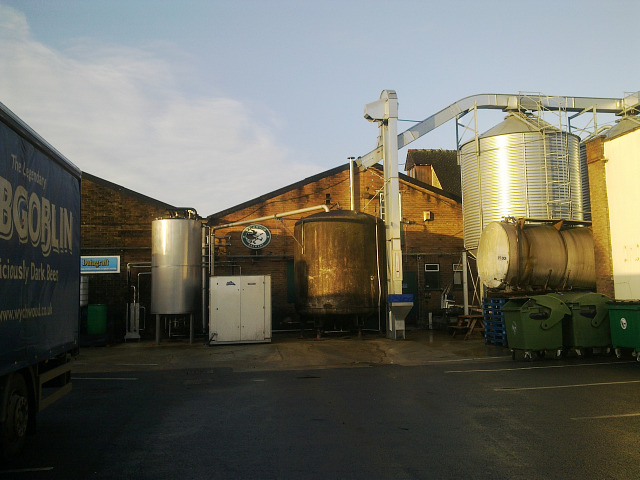
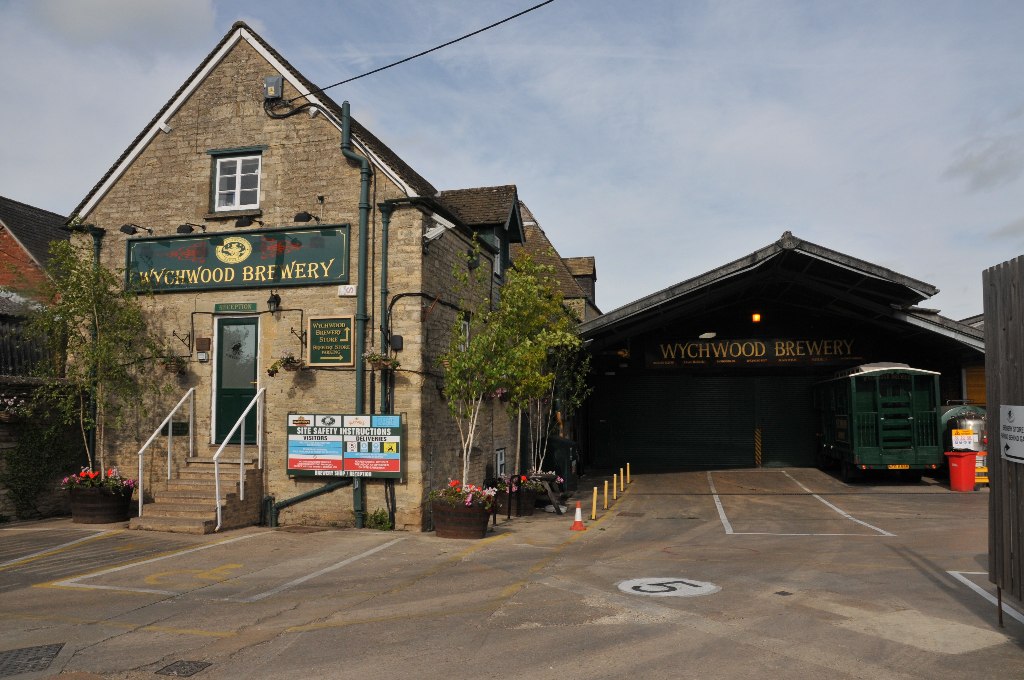
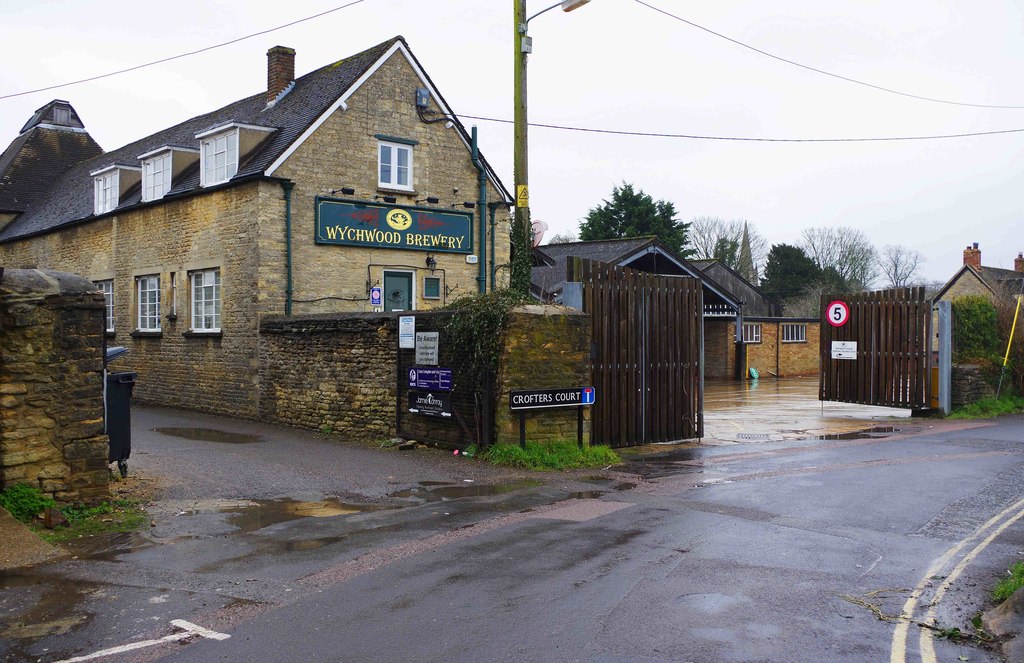
Frequently Asked Questions
Who is Wychwood Brewery?
Wychwood was a British brewery and pub chain headquartered in Witney, Oxfordshire, first established in 1983 under the name Glenny Brewery. It grew into the UK's largest producer of organic ales, turning out roughly 50,000 barrels of cask ale every year.
What is Hobgoblin and why is it so closely tied to Wychwood?
Hobgoblin is Wychwood's flagship brown ale, bottled at 5.2% abv and pulled at 4.5% in cask form. It has become so synonymous with the brand—and with the autumn season in particular—that fans often call it the unofficial beer of Halloween.
Where was Wychwood Brewery located?
The brewery operated out of Witney in Oxfordshire, England, a town whose name and the surrounding ancient forest directly inspired the company's identity and its distinctive label artwork.
What happened to Wychwood Brewery?
The physical brewery in Witney closed in November 2023, but the brand continues under the ownership of Carlsberg Britvic. Its character-driven label art, drawn from Wychwood Forest folklore, remains one of the most recognizable designs in British cask ale.
Why is Wychwood important in the British beer scene?
As the country's biggest brewer of organic ales and a major cask-ale producer, Wychwood helped shape the modern landscape of traditional British brewing. Its myth-inspired label designs set a visual benchmark that many smaller breweries still look to for inspiration.
More in Beer Brands, Part 2 1-24
Spotted an error? Know more?
Reader corrections go straight into our review queue. Suggest an edit · How this site is sourced