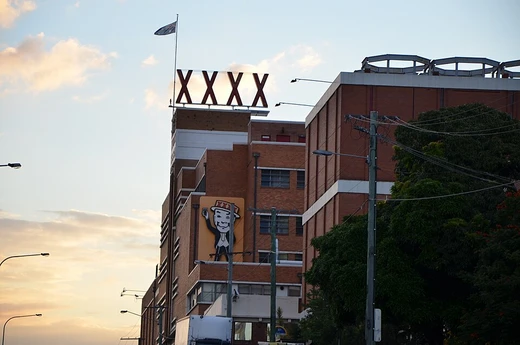
Tusker (African beer)
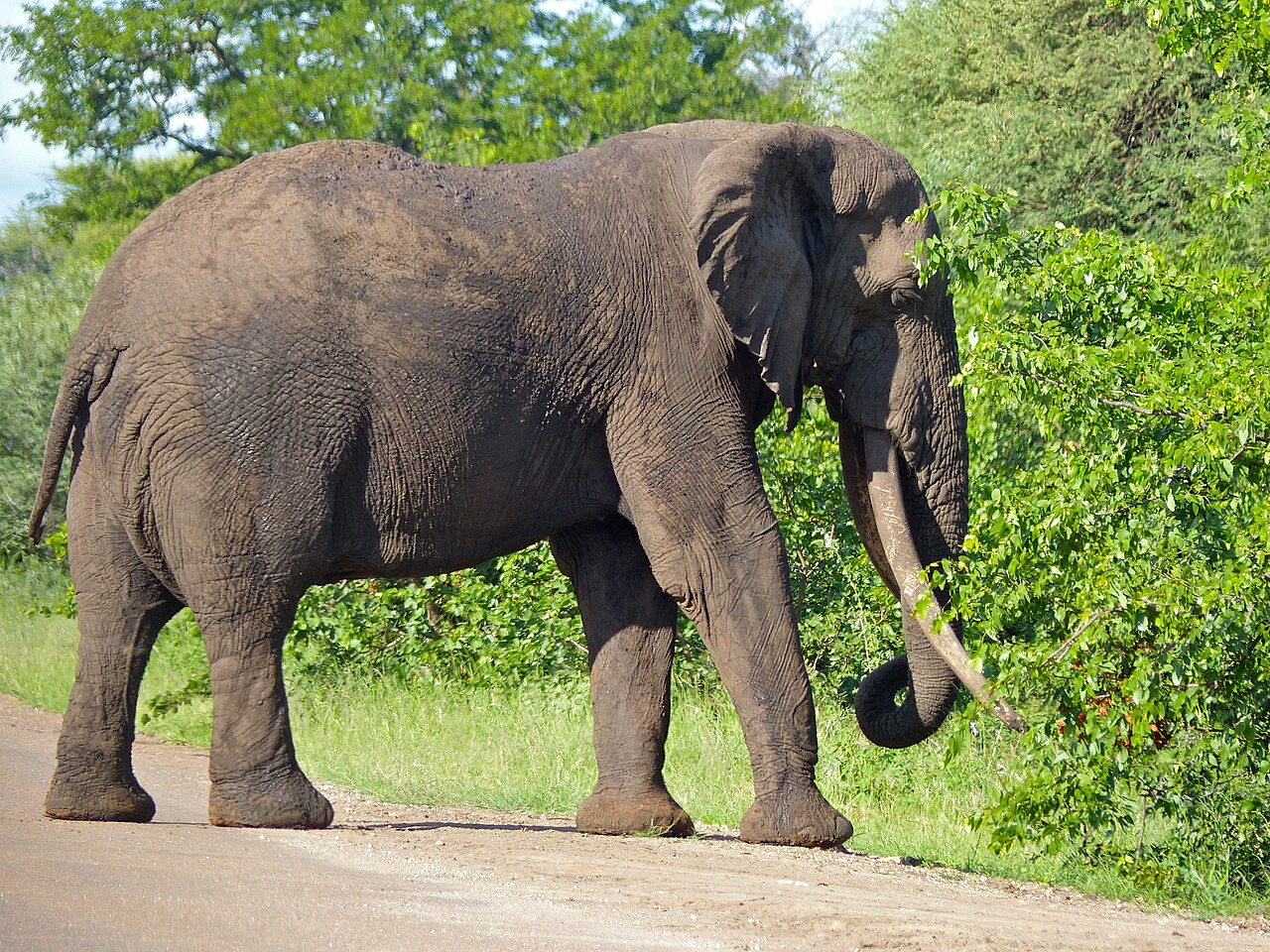
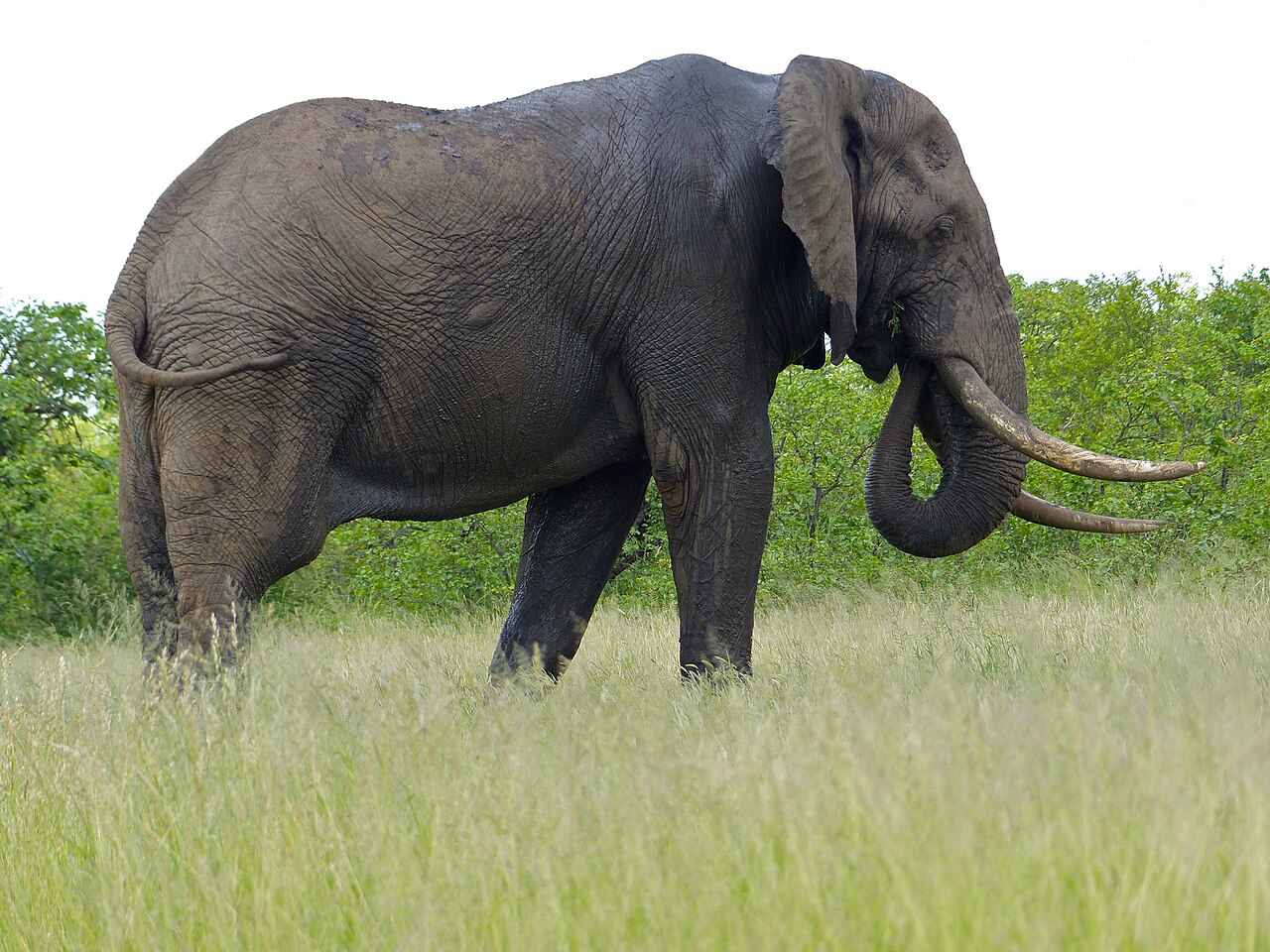
A Kenyan pale lager named after a large male elephant.

Bernard DUPONT · CC BY-SA 2.0
Tusker is a pale lager brewed by East African Breweries in Kenya. It is the largest African beer brand within the Diageo group, with over 700,000 hectolitres sold annually in Kenya. The beer's slogan, 'Bia yangu, Nchi yangu,' translates from Kiswahili as 'My beer, My country.'
Quick Facts
- Abv
- 4.2% / (regular) · 5.0% / (malt) · 4.0% / (lite)
- Manufacturer
- Diageo
- Origin
- Kenya
- Introduced
- 1922
Facts from the source article.
Lore & Background
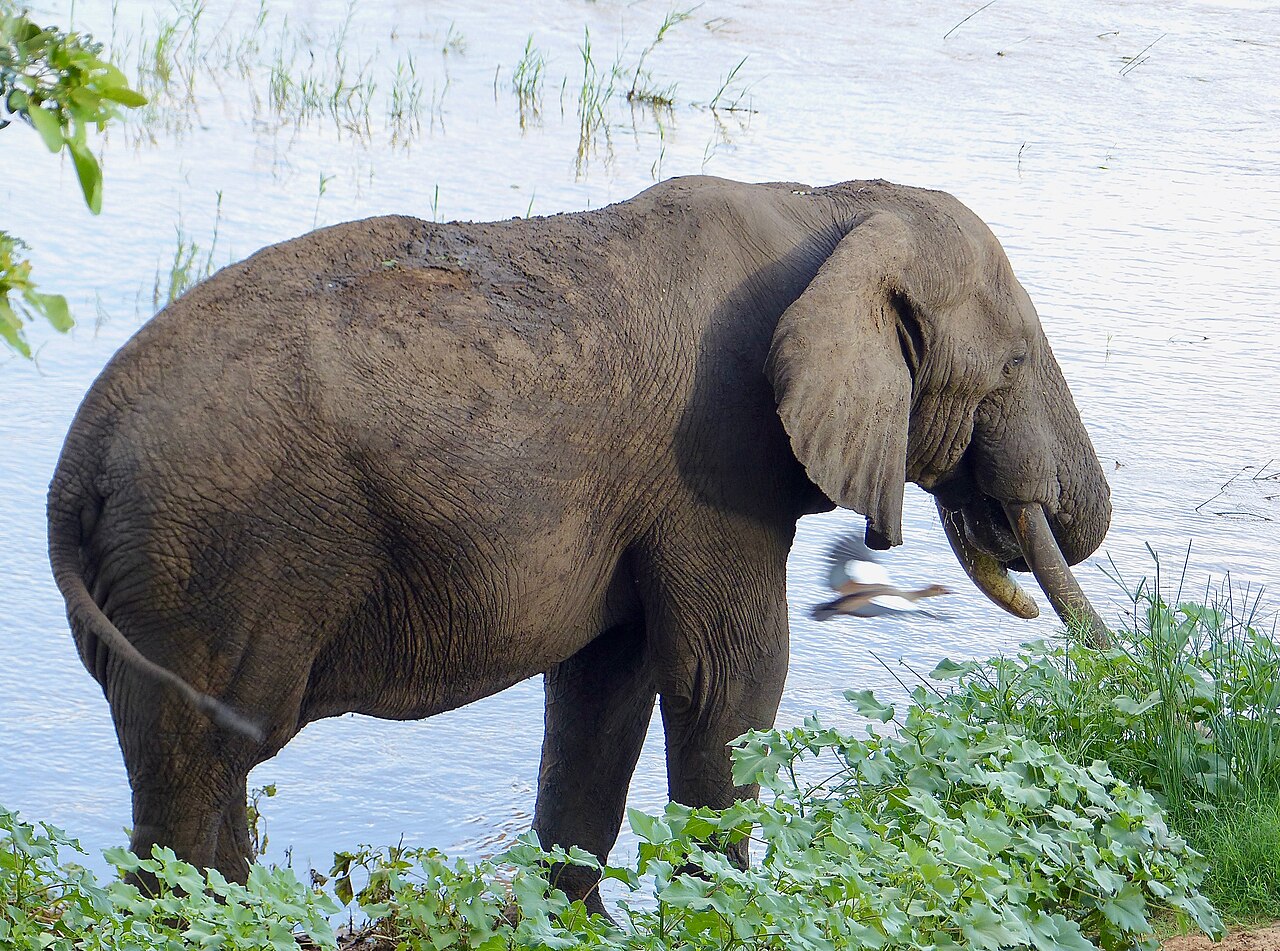
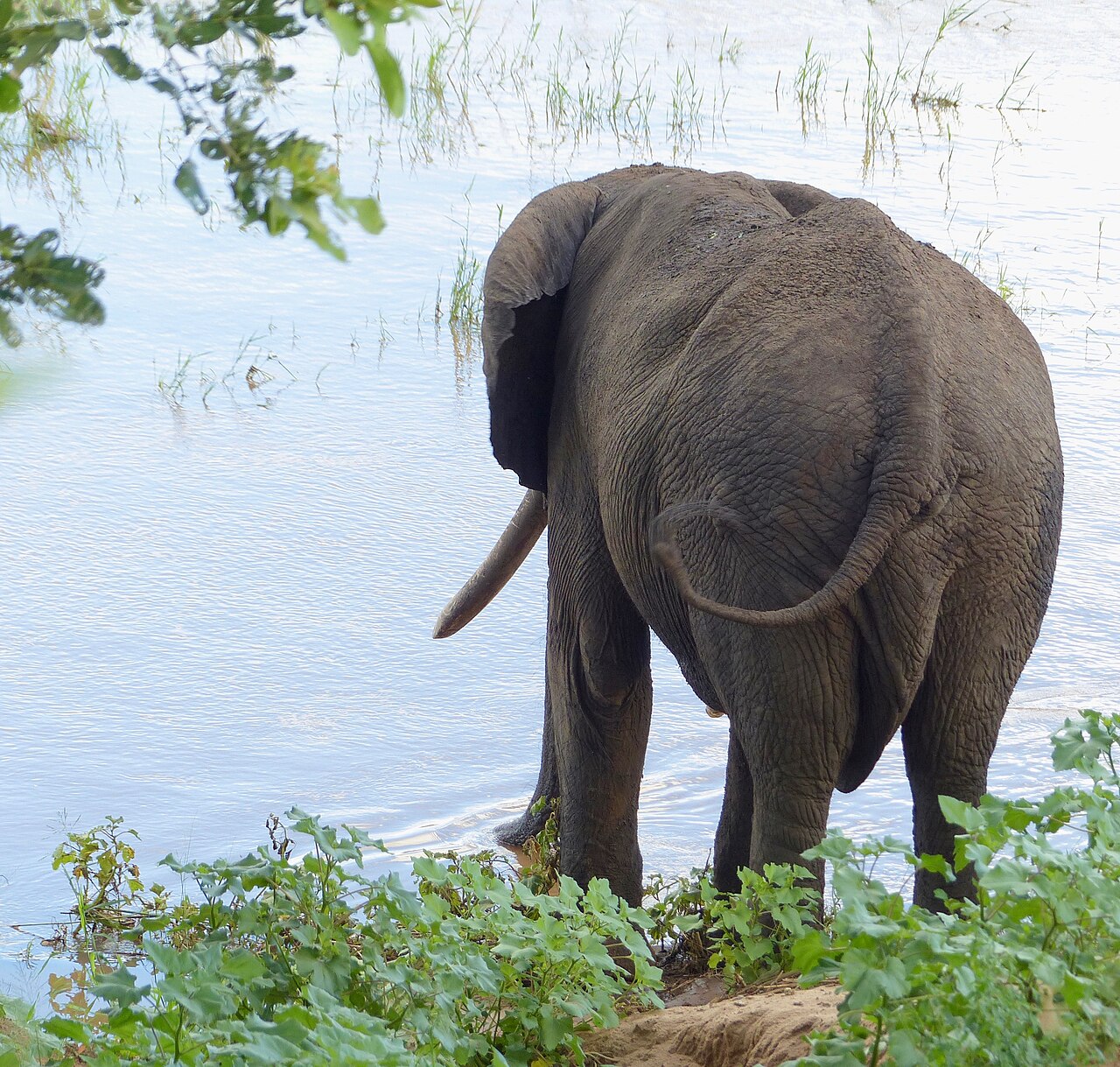
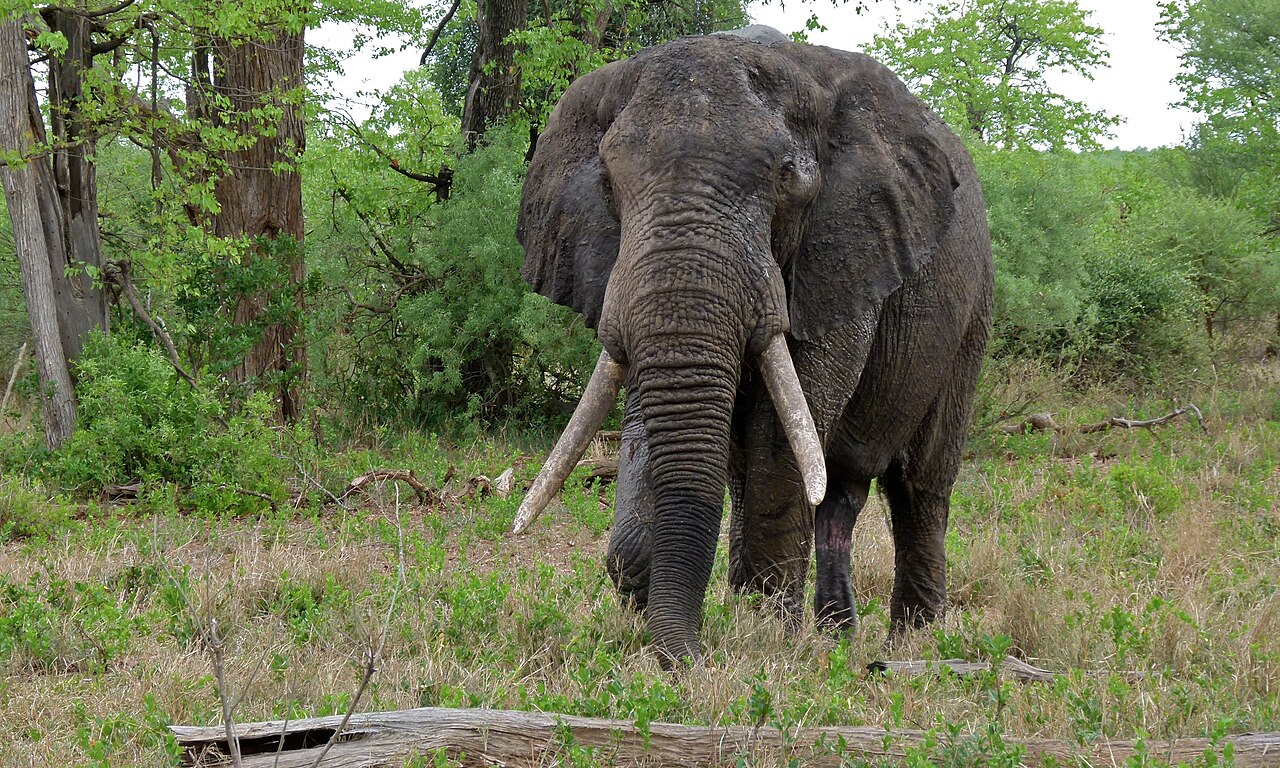
Kenya Breweries (now East African Breweries) was incorporated as a private limited company in 1922. Its first beer was brewed on 15 December 1922 and delivered to the Stanley Hotel, where it received mixed reactions. The company's founder, George Hurst, was killed in an elephant hunting accident; in his memory, his brother Charles named the first beer 'Tusker' after the local name for large male elephants. In 1929, the company's board switched to using malted barley instead of imported malt extracts, improving the beer's taste and colour and saving the company at least £780 per year. Wooden beer cases were replaced with plastic ones in 1970, and Central Glass Industries began producing Tusker bottles in 1987. The beer expanded from Kenya to Tanzania and other countries in the African Great Lakes region, and was eventually exported. In early 2008, UK supermarket chains Tesco and Sainsbury's began selling Tusker.
Reader's Guide
Tusker is a 4.2% ABV pale lager sold in kegs, widget cans, and bottles. The brand also includes Tusker 5.0% premium lager, Tusker Lite (4.0% ABV), Tusker Cider (4.5% ABV), and Tusker Malt (5.0% ABV pilsner-lager). Three varieties of Tusker beer have won gold awards at the World Quality Selections organized by Monde Selection, and the taste and quality have received recognition at Monde Selection’s International Awards. As the largest African beer brand within the Diageo group, Tusker holds a significant position in the Kenyan market, with over 700,000 hectolitres sold annually in Kenya. Its slogan, 'Bia yangu, Nchi yangu,' reflects its cultural resonance. The beer is imported to the United States by St. Killian.
Did You Know?
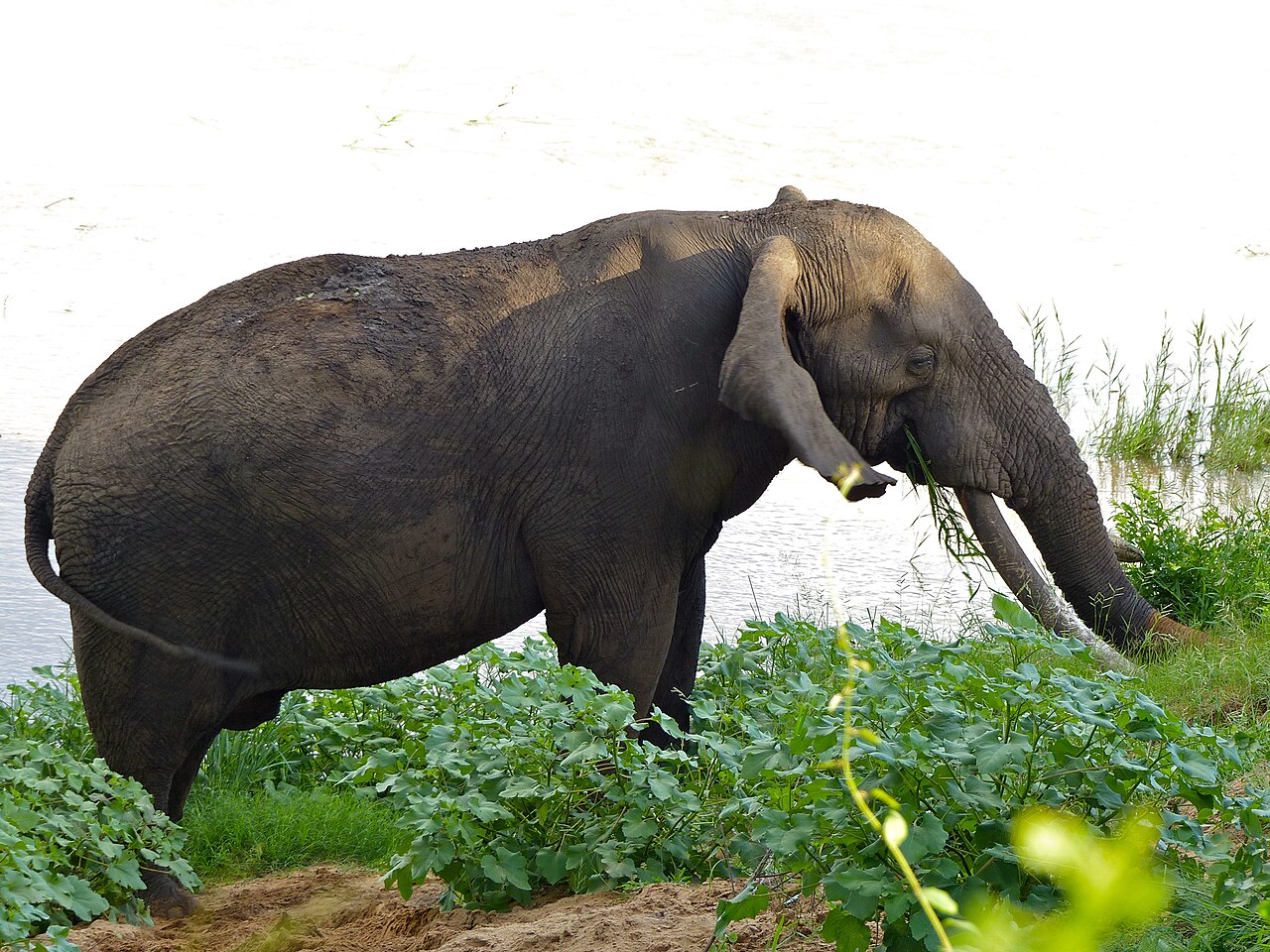
- Tusker was named after the local term for large male elephants, following the founder's death in an elephant hunting accident.
- The beer's slogan 'Bia yangu, Nchi yangu' means 'My beer, My country' in Kiswahili.
- In 1929, switching to malted barley saved the company at least £780 per year.
- Tusker was first delivered to the Stanley Hotel in Nairobi in December 1922.
Foundations: From Two Welsh Brothers to a Regional Giant
In 1922, two Welshmen named George and Charles Hurst established what would become one of East Africa's most significant brewing enterprises, registering it as Kenya Breweries Limited under the ownership of the Dodd family. The company's early trajectory was shaped by a bold regional ambition: by 1935 it had acquired the Tanganyika-based Tanganyika Breweries, and the following year the two entities merged into the East African Breweries Limited we know today. This consolidation gave the group a foothold across the East African coast. Local expansion followed swiftly, with the opening of a brewery in Mombasa extending production capacity beyond the capital. What began as a single Kenyan operation thus evolved within a decade into a multi-territory brewing house, laying the groundwork for the pan-regional footprint that would define the brand for the next century.
The Beer Wars: A Decade of Market Turbulence
The late 1990s and early 2000s brought a fierce commercial confrontation between EABL and South African Breweries International, a rivalry that reshaped the competitive landscape across East Africa. The conflict reached a turning point in 2002, when the two rivals negotiated a settlement built on license agreements and a cross-border share swap: EABL received a twenty-percent equity stake in Tanzania Breweries Limited while SABMiller obtained a comparable holding in Kenya Breweries Limited. As part of the arrangement, SABMiller withdrew from the Kenyan market and EABL ceded its Kibo subsidiary in Tanzania, leaving TBL with roughly ninety-eight percent of the local branded beer sector by 2004. The partnership, however, proved fragile. By 2009, EABL accused TBL of producing substandard products under their joint arrangement and of blocking access to Tanzanian shelves for certain Diageo-branded lines. The dispute ultimately drove EABL to acquire a fifty-one percent stake in Serengeti Breweries in 2010 and, in 2011, to exit TBL entirely through a seventy-one-and-a-half-million-dollar secondary share offer on the Dar es Salaam Stock Exchange.
A Pan-East African Brewing Network
Headquartered in Nairobi, the group operates a sprawling network of subsidiaries and distribution partners that stretches from the Indian Ocean coast to the Great Lakes region. In Kenya, Kenya Breweries Limited—fully owned and tracing its roots to 1922—handles both beer production and the bottling of non-alcoholic malt beverages. Across the border, Uganda Breweries Limited, in which the group holds a 98.2 percent stake, has been brewing in the country since 1946. In Tanzania, Serengeti Breweries Limited, a fifty-one percent subsidiary incorporated in 1988 and renamed in 2002, commands roughly twenty-eight percent of the branded beer market, making it the country's second-largest player. The group also maintains a depot in Juba, South Sudan, established in 2013 to reduce dependence on third-party logistics that had caused recurring stock shortages. Beyond these direct operations, EABL International Limited extends the portfolio into Rwanda, Burundi, and the Democratic Republic of Congo through third-party supply, exports, and duty-free channels. Supporting this web are two malting operations in Nairobi and Kampala that supply malt, barley, and sorghum to the group's brewing units.
Ownership Shifts and the Road Ahead
The group's corporate ownership has undergone several dramatic transformations over the decades. In 1954, EABL became one of the earliest companies listed on the Nairobi Securities Exchange, a milestone in the region's oldest stock market. The ownership picture shifted again in 2000, when Diageo acquired majority control, and the following year the shares were cross-listed on the Uganda Securities Exchange. The company also became a constituent of the NSE 20 Share Index, cementing its role as a blue-chip name. Along the way, the group diversified its industrial base, opening Central Glass Industries Limited in 1987 to manufacture its own glass containers and bottles, reducing reliance on external suppliers. In 2012, it completed the full acquisition of International Distillers Uganda Limited and took a 46.32 percent stake in United Distillers Vintners Kenya, broadening its spirits portfolio. The most recent chapter arrived in December 2025, when Diageo announced its intention to sell EABL to Asahi at an estimated valuation of two-point-three billion US dollars—a transaction that would mark the most significant change in stewardship since the company's founding more than a century earlier.
Gallery
Frequently Asked Questions
What is Tusker?
Tusker is a Kenyan pale lager produced by East African Breweries, and its name references a large male elephant. It has been a staple of East African brewing since its first pour on 15 December 1922.
What does Tusker's slogan mean?
The tagline 'Bia yangu, Nchi yangu' is Kiswahili for 'My beer, My country,' a nod to local pride and national identity. It positions the brand as a distinctly Kenyan product rather than a foreign import.
What is Tusker's ABV and style?
Tusker is a pale lager with an alcohol content of 4.2%. It sits in the light, crisp lager category that dominates East African beer consumption.
Who owns Tusker and how big is the brand?
East African Breweries produces the beer, and it operates as the largest African beer brand within the Diageo portfolio. The brand moves more than 700,000 hectolitres of product across Kenyan markets every year.
Why is Tusker considered important in African brewing?
As the top-selling African brand under Diageo, Tusker anchors the company's presence on the continent and symbolizes Kenya's long brewing heritage dating back to the 1920s. Its cultural resonance is reinforced by a Kiswahili slogan that ties the beer directly to national identity.
More in Beer Brands, Part 2 1-24
Spotted an error? Know more?
Reader corrections go straight into our review queue. Suggest an edit · How this site is sourced