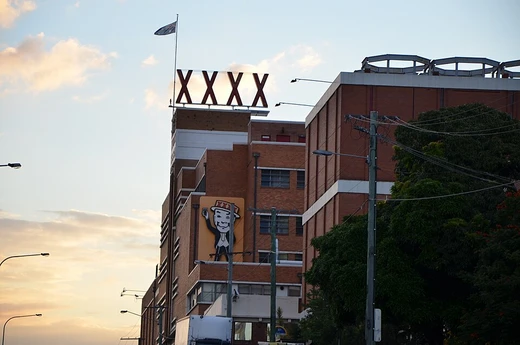
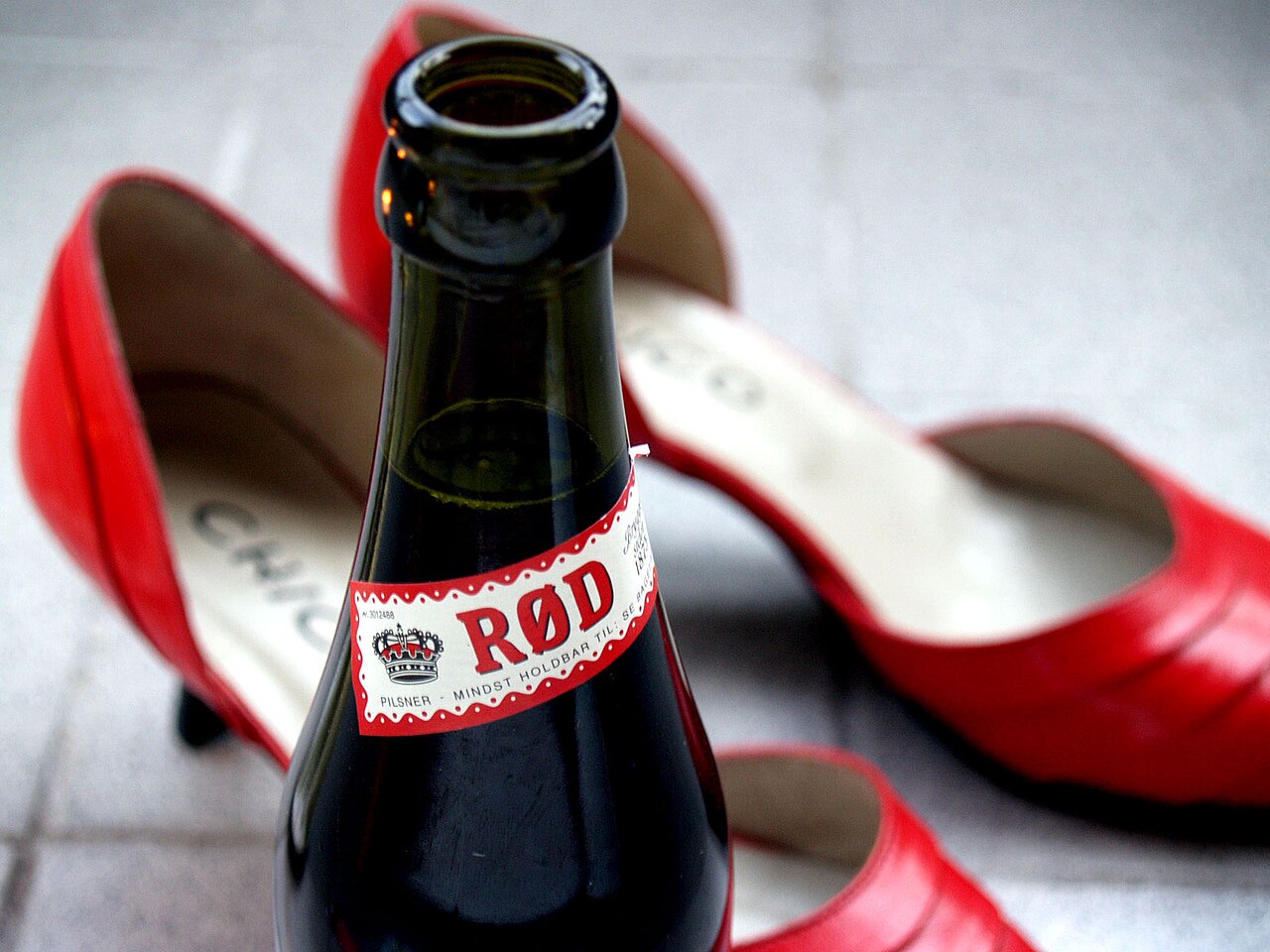
Tuborg Red
A Danish beer from the historic Tuborg brewery.

5snake5 · CC0
Tuborg Red is a beer brand produced by the Danish brewing company Tuborg, which was founded in 1873 on a harbour in Hellerup, north of Copenhagen. Since 1970, it has been part of the Carlsberg Group. The brand is notable as part of the Tuborg portfolio, which includes the flagship Tuborg pilsner first brewed in 1880.
Quick Facts
- Location City
- Fredericia
- Location Country
- Denmark
- Production
- 2 e6hL
- Other Products
- Soft drinks
- Owner
- Carlsberg Group
Facts from the source article.
Lore & Background
Tuborg Red is a variant within the Tuborg brand family. The Tuborg brewery was co-founded in 1873 by Philip Heyman, a Danish-Jewish industrialist, along with C. F. Tietgen, Gustav Brock, and Rudolph Puggaard. The name Tuborg derives from Thuesborg ('Thue's castle'), a Copenhagen inn from the 1690s in the area of the brewery. The brewery's flagship product, the Tuborg pilsner, was first brewed in 1880. After Heyman's death in 1893, the Tuborg Brewery merged with 'De Forenede Bryggerier' in 1894, which entered a profit-sharing agreement with Carlsberg in 1903. During the Occupation, director Einar Dessau, Heyman's grandson, fled to Sweden in November 1943 due to his Jewish background and joined the Danish resistance, later resuming his position after the war. In the last year of the war, Tuborg's boiler house was destroyed on 5 January, but beer deliveries continued the next day.
Reader's Guide
Tuborg Red is part of a brewing tradition that dates to 1873 and has been under the Carlsberg Group since 1970. The brand benefits from the long history of Tuborg, which survived wartime destruction and maintained production. Tuborg's marketing includes annual seasonal brews such as the Christmas brew launched on J-day, which has shifted dates over the years, and an Easter brew on P-day. In 2022, Tuborg collaborated with Chinese rappers in a project called 'Why Not!'. The brewery also sponsors music festivals, including Reading and Leeds festivals as exclusive Official Beer Partner from 2008, and The Download festival in 2009 with a dedicated stage. Additionally, Tuborg sponsors the Tuborg Image Awards in Nepal. Tuborg Red thus carries the legacy of a brewery that has been a consistent presence in Danish brewing and international sponsorship.
Did You Know?
- Philip Heyman, a Danish-Jewish industrialist, co-founded Tuborg in 1873.
- Tuborg's boiler house was destroyed on 5 January in the last year of the war, but beer deliveries continued the next day.
Origins & the Name Behind the Brand
The story of Tuborg begins not with a brewery but with an inn. In the 1690s, a Copenhagen establishment called Thuesborg—essentially "Thue's castle"—occupied the very area where the brewery would later rise. Over time the name shed its initial syllable and became Tuborg, a label that eventually seeped into the city's geography: Lille Tuborg, Store Tuborg, and even Tuborgvej, the street that still marks the original brewery site. The actual brewing operation was established in 1873 on a harbour in Hellerup, just north of Copenhagen, by a group of Danish industrialists including Philip Heyman, C. F. Tietgen, Gustav Brock, and Rudolph Puggaard. Seven years later, in 1880, the brewery produced its first pilsner, the product that would become its flagship and carry the brand's name far beyond Danish shores.
Corporate Evolution & the Carlsberg Thread
After co-founder Philip Heyman passed away in 1893, the brewery's trajectory shifted dramatically. The following year, Tuborg merged with De Forenede Bryggerier, a consolidation that set the stage for a 1903 profit-sharing arrangement with Carlsberg. This entanglement deepened over the decades until 1970, when Tuborg formally became part of the Carlsberg Group. Leadership during this transitional era passed through the Dessau family: Benny Desau, Heyman's son-in-law, served as a director of De Forenede Bryggerier, and his son Einar Dessau took over the role in 1919. The connection between the two brewing houses was thus both commercial and personal, woven through marriage and succession. What began as a small harbour-side venture in Hellerup had, by the late twentieth century, become an integral division of one of Europe's largest brewing conglomerates, its identity preserved but its independence long since surrendered to the broader Carlsberg structure.
War, Flight, and Resilience
The years of German occupation tested Tuborg in ways that extended well beyond its vats and boilers. Einar Dessau, the brewery's director and a man of Jewish heritage, was forced to flee to Sweden in November 1943. There, rather than remaining a passive exile, he threw himself into the Danish resistance movement, risking his life far from the harbour where his family had built its legacy. When the war ended, he returned to Copenhagen and resumed his position at Tuborg, stitching the company back together after years of disruption. The final months of the conflict also left a physical scar: on 5 January, a date known as Schalburgtag, Tuborg's boiler house was destroyed. Yet the operation refused to halt. Thanks to outside assistance, beer deliveries continued the very next day, a small but striking testament to the resilience of the workers and the community that kept the taps flowing even as the infrastructure around them crumbled.
Cultural Marketing & a Global Footprint
Tuborg has long understood that a beer brand is as much about ritual as it is about liquid. Since 1990, the company has marked the arrival of its annual Christmas brew with a marketing event dubbed "J-day," the J standing for Jul, the Danish word for Christmas. The date has shifted over the years—landing on the second Wednesday in November initially, then the first Friday in November by 1999, briefly the last Friday in October in 2009, before settling back to the first Friday in November in 2010. A parallel "P-day" celebrates the Easter brew. Beyond Denmark, Tuborg has embedded itself in global music culture: in 2008 it became the exclusive beer partner of the Reading and Leeds festivals, displacing Carling, and in 2009 it secured a similar deal at The Download, complete with a dedicated stage bearing the brand's name. It also backs the Tuborg Image Awards, an annual music ceremony held in Nepal, and in 2022 it partnered with Chinese rappers on a project called "Why Not!"
Gallery
Frequently Asked Questions
What is Tuborg Red?
Tuborg Red is a Danish beer produced under the Tuborg brand, which is anchored by the original pilsner first brewed in 1880. It comes from the historic Tuborg brewery located in Hellerup, just outside Copenhagen.
Who owns the Tuborg Red brand?
Since 1970, Tuborg (and therefore Tuborg Red) has operated under the Carlsberg Group umbrella. The brewery itself was originally launched in 1873 by four Danish entrepreneurs in Hellerup.
Where did the Tuborg brewery get started?
It was established in 1873 on a harbour in Hellerup, a community north of Copenhagen, Denmark. The founding group included Philip Heyman, C. F. Tietgen, Gustav Brock, and Rudolph Puggaard.
How does Tuborg Red fit into the wider Tuborg lineup?
Tuborg Red is a distinct expression within the same Tuborg portfolio, while the flagship pilsner traces its recipe back to 1880. Both carry the heritage of the Hellerup brewery but represent separate products in the range.
Is Tuborg Red still tied to its Danish roots?
Yes, it originates from the Tuborg brewery in Hellerup, which has been producing beer in that area since the 1870s. The brand now sits within the Carlsberg Group, which has managed the Tuborg name since 1970.
More in Beer Brands, Part 2 1-24
Spotted an error? Know more?
Reader corrections go straight into our review queue. Suggest an edit · How this site is sourced