United Breweries Group
India's largest brewer and subsidiary of Heineken N.V.

Thompson Bro's & Burr Duval & Hunter, Pr. C.L. Smith, Del. N. Friend, En · Public domain
United Breweries Group (UB Group) is an Indian conglomerate headquartered in UB City, Bangalore, Karnataka, and is the Indian subsidiary of Heineken N.V. Its core business includes beverages and investments in various sectors. The group is India's largest producer of beer, marketing beer under the Kingfisher brand and owning various other alcoholic beverage brands.
Quick Facts
- Hq Location City
- UB City, Bangalore, Karnataka
- Hq Location Country
- India
- Area Served
- Worldwide
- Key People
- Vivek Gupta / (CEO)
- Industry
- Conglomerate
- Products
- Fertilizer / engineering / aviation / alcoholic beverages
- Revenue
- 7549 · c (2023)
- Operating Income
- 403 · c (2023)
- Net Income
- 304 · c (2023)
- Assets
- 6280 · c (2023)
- Equity
- 3965 · c (2023)
- Owner
- Heineken
Facts from the source article.
Lore & Background
The UB Group was founded in 1915 by a Scotsman, Thomas Leishman, who brought together Castle Brewery, Nilgiris Breweries (1857), Bangalore Brewing Co. (1885), British Brewing Corp. (1903), and BBB Brewery Co. Ltd. (1913). The group took its initial lessons in manufacturing beer from South India-based British Breweries. At age 22, Vittal Mallya was elected as the company's first Indian director in 1947, and after a year he replaced R. G. N. Price as chairman.
United Breweries initially manufactured bulk beer for British troops before independence, transported in huge barrels called 'Hogsheads'. The Kingfisher brand made a modest entry in the sixties. The company expanded greatly during the 1950s and 60s by acquiring other breweries, including adding McDowell as a subsidiary, which extended its portfolio into wines and spirits. The group also moved into agro-based industries and medicines, acquiring Kissan Products and establishing a long-term relationship with Hoechst AG of Germany, resulting in the creation of Aventis Pharma.
The Pegasus became the group logo in 1941, originally carrying a beer cask between its wings to represent beer as the core operation; the cask was later removed to symbolize the group's multifaceted operations. The conglomerate was headed by Vijay Mallya, who left India on 2 March 2016, allegedly to escape legal action by Indian banks to whom he owed an estimated ₹9,000 crore in loans. In June 2021, Heineken N.V. bought out Mallya's 15% stake, increasing its stake to 61.5% and taking control of United Breweries.
Reader's Guide
United Breweries Group holds a dominant position in India's beverage industry as the country's largest beer producer, with a national market share in excess of 50% and control over 60% of total manufacturing capacity for beer in India. Its flagship Kingfisher brand, launched in the sixties, became the group's most visible and profitable brand. The group's expansion into spirits through the acquisition of McDowell and the 2005 takeover of Shaw-Wallace's spirits business gave it a majority share of India's spirits business. The group's diversification extended into engineering through UB Engineering, IT consulting through UBICS, and pharmaceuticals via Aventis Pharma. The group also launched Kingfisher Airlines, whose operation was halted after problems in 2012 led to its licence being revoked. The group's relationship with United Spirits Limited, now majority-owned by Diageo, and its eventual acquisition by Heineken N.V. in 2021 marked a significant shift in ownership. In May 2023, employees terminated from service at a United Breweries factory near Ranasthalam, Srikakulam on account of reduced orders staged a protest.
Did You Know?
- The Pegasus logo originally carried a beer cask between its wings, which was later removed.
- Vijay Mallya left India on 2 March 2016, allegedly to escape legal action over ₹9,000 crore in loans.
- Heineken N.V. bought out Mallya's 15% stake in June 2021, increasing its stake to 61.5%.
Foundations & Early Consolidation
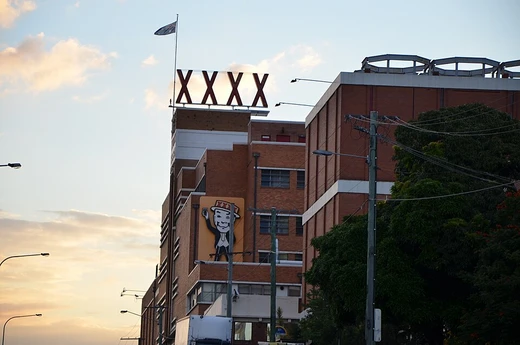
CUB traces its origins to 1904, when six prominent Melbourne breweries—Carlton, Castlemaine, Foster, McCracken's City, Shamrock, and Victoria—merged into a single entity. This consolidation grew out of a 1903 cartel called the Society of Melbourne Brewers, which had already united most of the city's brewing operations. Emil Resch was instrumental in facilitating the amalgamation and subsequently became the company's first general manager. The new entity went public in 1913 by issuing 100,000 shares. CUB's growth strategy relied heavily on acquisition. In 1924 it absorbed the Abbotsford Co-operative Brewery, a venture originally created by independent hoteliers to counter the anti-competitive practices of the Melbourne Brewers' Society. The company's first move beyond Victoria came in 1931 with the purchase of Northern Australian Breweries and the Cairns Brewery. Over subsequent decades it added Ballarat Brewing, Queensland Brewery, Thos McLauchlin & Co, Richmond Brewery, and Tooth & Co to its portfolio, steadily building a national footprint.
A Chameleon of Ownership
CUB's corporate identity has been reshaped repeatedly by the conglomerates that have controlled it. In 1983, Elders IXL—a sprawling Australian diversified group with interests in pastoral, financial, materials, and food sectors—acquired CUB outright and delisted it from the stock exchange. By 1990 the parent had rebranded as Foster's Group, a name chosen to leverage the international recognition of its flagship lager. In 2004 the beer and spirits arm was renamed Carlton & United Beverages to reflect diversification into ciders, juices, and pre-mixed drinks. A February 2009 restructuring split the Australian wine division away from the Beer, Cider & Spirits unit, restoring the "Breweries" name. Then came the global giants: SABMiller absorbed Foster's Group in December 2011, and Anheuser-Busch InBev inherited CUB when it swallowed SABMiller in October 2016. Finally, in July 2019 Asahi Breweries agreed to buy CUB, a deal cleared by Australia's competition and foreign-investment regulators in May 2020.
The 2016 Layoff Controversy
In mid-June 2016, CUB made a decision that ignited a firestorm of public outrage. The company dismissed approximately 55 maintenance workers—predominantly electricians and fitters—and then invited them to reapply for their former positions under individual contracts featuring dramatically reduced pay and stripped entitlements. Workers estimated the effective wage cut at around 65 percent once penalty rates and other conditions were factored in. SABMiller, CUB's then-global owner, defended the move by arguing it held no direct contractual relationship with the crews; rather, it was "passing" a subcontract to a new provider who could set terms at its own discretion. The union movement and a widespread social-media campaign pushed back, characterizing the maneuver as a "transmission of business" designed to circumvent employment protections. The backlash was tangible: numerous pubs across Victoria voluntarily removed CUB products from their shelves in solidarity with the affected workers, turning a corporate restructuring into a rare grassroots boycott of one of Australia's most recognizable beer brands.
Brands, Diversification & the Asahi Era
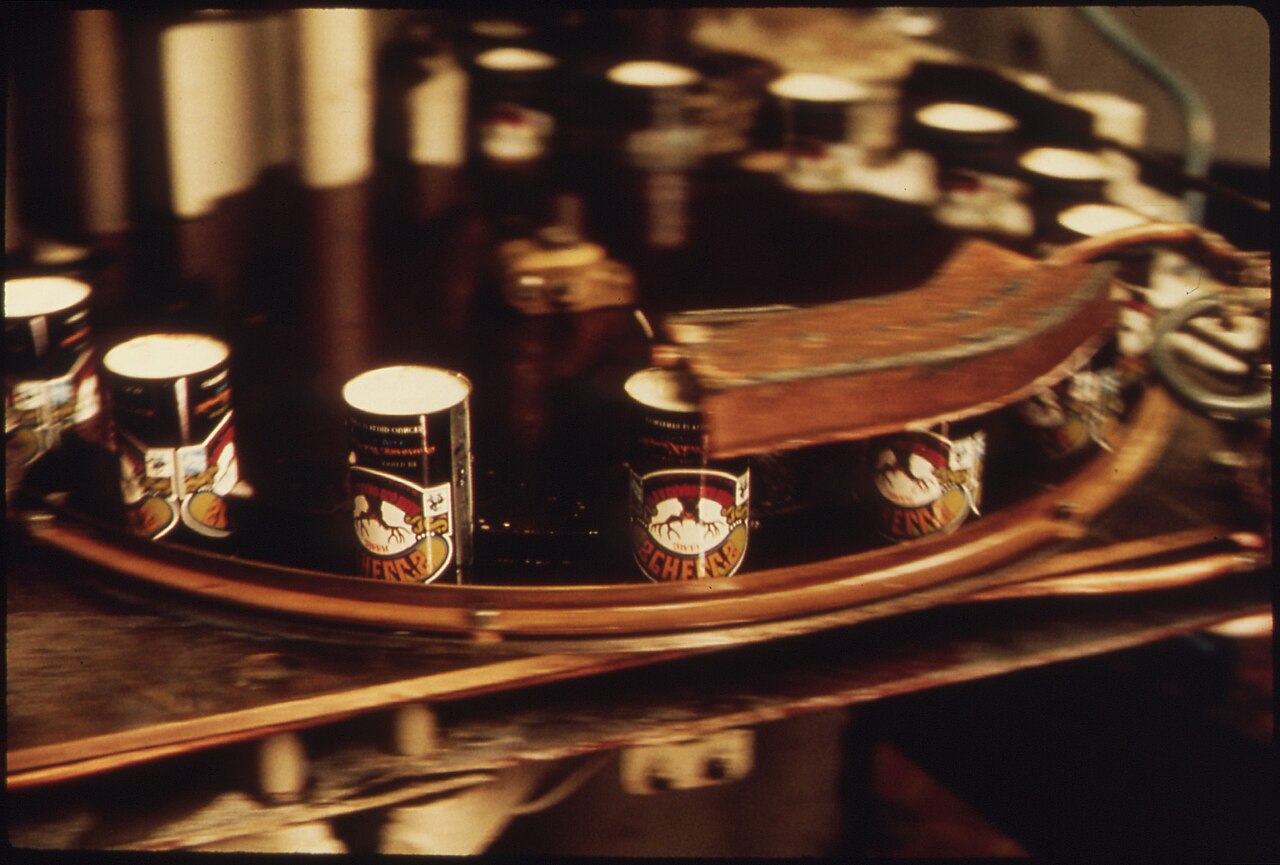
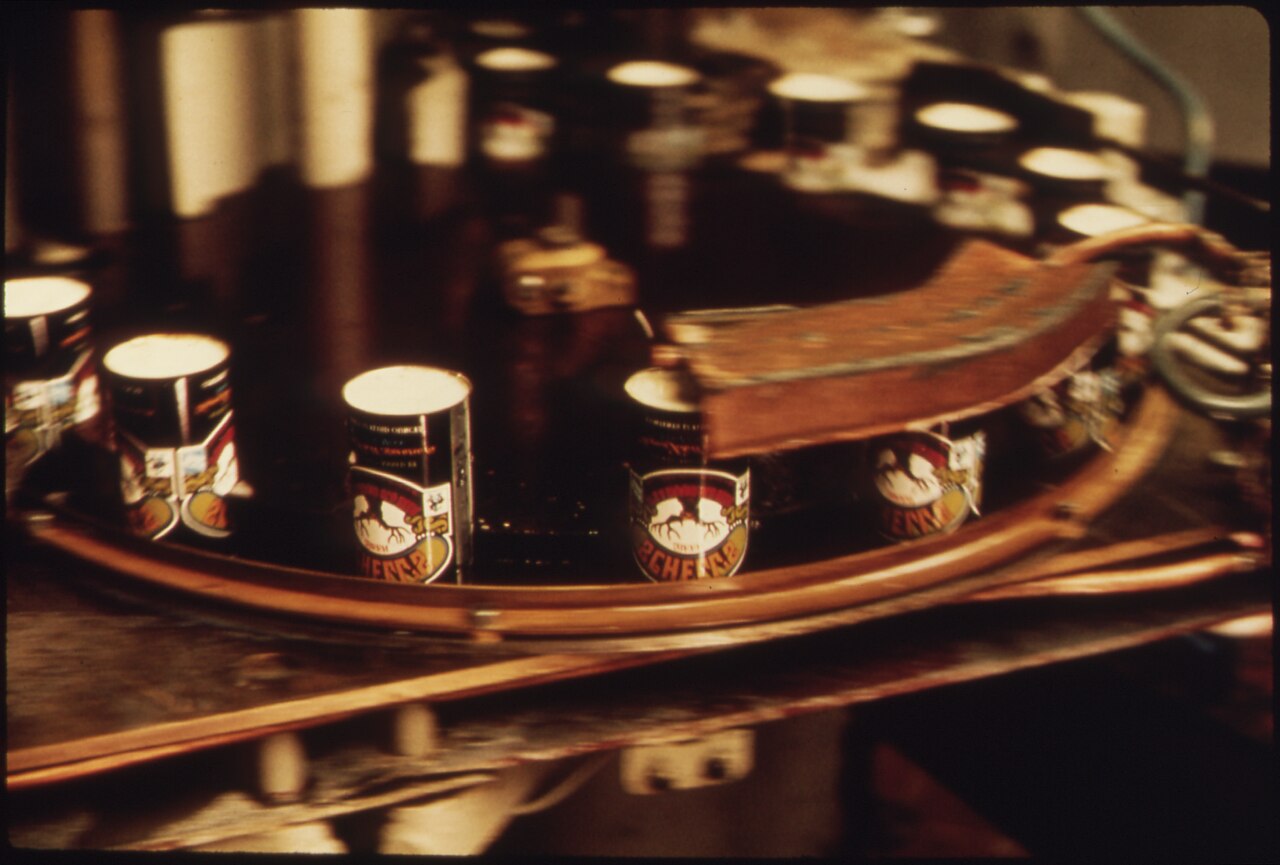
CUB's shelf presence in Australian pubs and homes is anchored by a constellation of well-known labels: Victoria Bitter, Carlton Draught, Foster's Lager, Great Northern, Resch's, Pure Blonde, and Melbourne Bitter. Under SABMiller and later Anheuser-Busch InBev ownership, the company also distributed a roster of international brands including Corona Extra, Stella Artois, Beck's, Budweiser, Hoegaarden, Leffe, and Aguila. The product range extended well beyond beer into ciders, spirits, pre-mixed drinks, juices, and non-alcoholic beverages—a breadth that prompted the 2004 rebrand to Carlton & United Beverages. In 2009 the Australian wine division was carved out, refocusing the brewing entity. After Asahi completed its acquisition in May 2020, the Japanese parent announced that it would merge CUB with its own Asahi Premium Beverages unit to create Carlton Premium Beverages, consolidating its Australian alcohol operations under a single banner.
Gallery
Frequently Asked Questions
Who is United Breweries Group?
United Breweries Group is an Indian beverage and investment conglomerate that operates as the Indian arm of Heineken N.V. It is widely recognized as the country's biggest beer producer, best known for marketing the Kingfisher brand.
What is UB Group's market position in India?
The group holds more than 40% of India's brewing market, making it the dominant player in the sector. It runs 79 distilleries and bottling units across the country to support that scale of production.
How is United Breweries Group connected to Heineken?
Heineken N.V. owns a 61.5% stake in UB Group as of June 2021, making the Indian company its primary brewing subsidiary in the country.
When and where was United Breweries Group founded?
Thomas Leishman established the company back in 1915, and it has since grown into a major conglomerate. Today its headquarters sits at UB City in Bangalore, Karnataka.
What other businesses does UB Group run besides beer?
Beyond its core brewing and alcoholic beverage operations, the group also holds investment interests in a range of other sectors. This diversified structure makes it a broader conglomerate rather than a single-product company.
More in Beer Brands, Part 2 1-24
Spotted an error? Know more?
Reader corrections go straight into our review queue. Suggest an edit · How this site is sourced