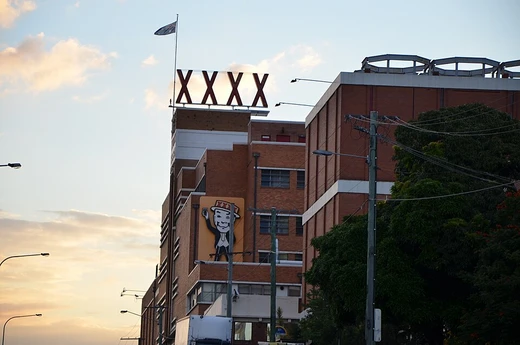
Theakston Brewery
Yorkshire brewer known for Old Peculier and in-house cooperage.

Anthony Parkes · CC BY-SA 2.0
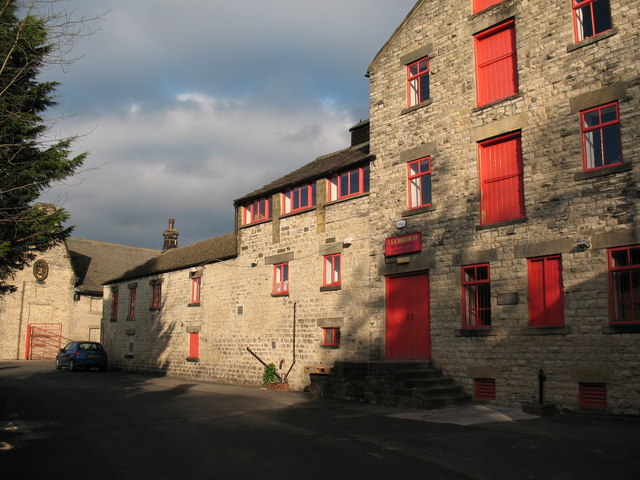
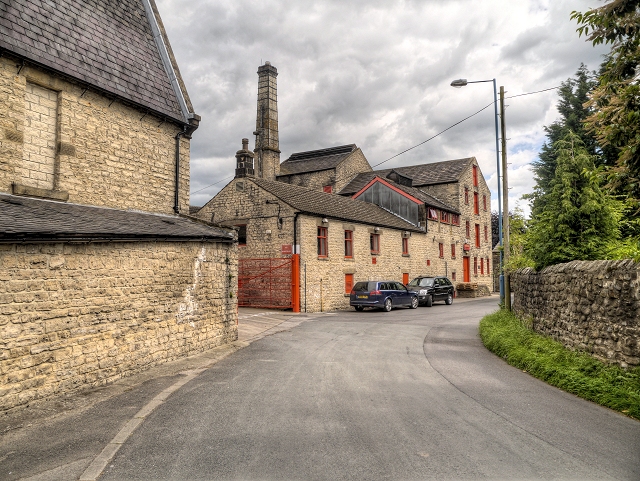
T&R Theakston is a brewery based in Masham, North Yorkshire, ranking as the sixteenth largest in the UK by market share. It is the second-largest family-owned brewery in the country, behind Shepherd Neame, and is best known for its Old Peculier beer. The brewery also maintains one of the few in-house cooperages still operating in Britain.
The business began in 1827 when Robert Theakston and John Wood set up at the Black Bull pub and brewhouse on College Lane in Masham. By 1832, Theakston had taken sole control, and in 1875 he handed the operation to his sons, Thomas and Robert. They formed the T&R Theakston partnership and built a new brewery on Paradise Fields, close to the original site. In 1919, the company bought the Lightfoot Brewery, also in Masham, which now houses The White Bear.
The brewery expanded across North Yorkshire and saw a boost from the renewed popularity of cask ale in the 1960s. To keep up with demand, T&R Theakston purchased the Carlisle State Management Brewery, which was owned by the UK government. This deal strained the company's finances, leading to a takeover in 1987 by Matthew Brown & Co Ltd, a Blackburn-based brewer. That same year, Matthew Brown itself was acquired by Scottish & Newcastle. After this, some Theakston beers, including Theakston Best Bitter, were moved to Scottish & Newcastle's Tyne Brewery. In 2003, Simon Theakston and three of his brothers bought back a majority share from Scottish & Newcastle.
The company produces both cask and bottled ales. Its cask beers are widely available in pubs across northern England but are less common elsewhere. Bottled beers are sold in British supermarkets and exported. Theakston offers eight permanent beers along with a range of seasonal ales. The permanent lineup includes Summit, a cask-conditioned pale ale at 4.2% ABV; Barista Stout, a nitrogen-infused coffee stout at 4.2% ABV; Pale, a hoppy, cold-filtered, unpasteurised pale ale at 4.5% ABV; Best Bitter at 3.8% ABV, which won first prize at the 1910 London Brewers Exhibition; XB, a stronger bitter at 4.5% ABV; Mild, a dry dark mild at 3.5% ABV; Lightfoot, a golden, bitter ale at 4.1% ABV; and Old Peculier, an old ale at 5.6% ABV that has been brewed under that name since the early 1800s. In 1989, the cask version of Old Peculier was named Champion Strong Ale of Britain at the Great British Beer Festival.
- Founded
- 1827
- Founders
- Robert Theakston and John Wood
- Location
- Masham, North Yorkshire
- Market share rank
- sixteenth largest in the United Kingdom
- Family ownership rank
- second largest after Shepherd Neame
- Notable beer
- Old Peculier
- Permanent beers
- 8
Lore & Background
The business was founded in 1827 by Robert Theakston and John Wood at the Black Bull pub and brewhouse in College Lane, Masham. By 1832, Theakston had sole ownership of the brewery and in 1875 he passed control over to his sons Thomas and Robert. They formed the T&R Theakston partnership and constructed a new brewery on Paradise Fields, near the original site. In 1919, the company acquired the Lightfoot Brewery, also in Masham, now home to The White Bear.
The business grew in North Yorkshire and benefitted from renewed interest in cask ale in the 1960s. To meet growing demand T&R Theakston bought the UK Government owned Carlisle State Management Brewery. The transaction put financial strain on the business which was taken over in 1987 by Blackburn based brewer, Matthew Brown & Co Ltd. Matthew Brown was itself taken over by Scottish & Newcastle the same year. Following these transactions, the brewing of some Theakston beers, including Theakston Best Bitter, was transferred to Scottish & Newcastle's Tyne Brewery. In 2003, Simon Theakston and three of his brothers purchased a majority shareholding back from Scottish & Newcastle.
The company produces cask and bottled ales. Theakston cask ales are widely available in pubs in the north of England, though are less common in other parts of the country. The bottled beers are distributed to British supermarkets and exported. The company produces eight permanent beers and a range of seasonal ales.
Reader's Guide
Theakston Brewery's significance lies in its long family history, its survival through corporate takeovers and buybacks, and its continued production of traditional cask ales. The brewery is one of the few remaining in the UK with an in-house cooperage, where Euan Findlay makes oak casks for Old Peculier beer. A cooper’s apprenticeship lasts four years and is marked by a ‘Trussing-In’ ceremony on completion; Euan’s ceremony in October 2021 was the first held in over 20 years. Old Peculier, an old ale made under this name since the early 1800s, has won multiple awards: in 1989 the cask version was voted Champion Strong Ale of Britain at the Great British Beer Festival; in 2000 it won the silver medal in the Campaign for Real Ale’s Champion Winter Beer of Britain competition; and in 2007 it was voted Champion of Champions in the Yorkshire Beer Championship. In 1985, The Economist dubbed it the 'doyen of real ales'. Theakston also sponsors the Old Peculier Crime Writing Festival in Harrogate, held in July, which has welcomed authors such as John Grisham, Lee Child, Michael Connelly, PD James, Ruth Rendell, Colin Dexter, Reginald Hill, Val McDermid, Kathy Reichs, Jed Mercurio and Lynda La Plante. In 2022, the brewery launched Paradise Gold Dry Vintage Cider (6.8% ABV) and also produces Brennan's Irish Stout (4.1% ABV) in partnership with the Brennan family from County Wexford, Ireland.
Did You Know?
- Theakston is one of the few remaining UK breweries with an in-house cooperage.
- Old Peculier is named after the Peculier of Masham, a parish outside the jurisdiction of a diocese.
- Theakston Best Bitter was awarded First Prize in the 1910 London Brewers Exhibition.
Ancient Roots of English Brewing
Brewing in the land that would become England was almost certainly a well-established practice long before Roman legions crossed the Channel in 54 BC, and the tradition continued unbroken under imperial rule. Archaeological discoveries from the 1980s at the Vindolanda fort in Northumberland—wooden tablets dating between AD 90 and AD 130—reveal that Roman garrisons purchased ceruese, or beer, from local Celtic brewers. One of these accounts names Atrectus, a cervesarius, making him the earliest known professional brewer in British history. The same tablets record purchases of bracis, emmer wheat or malt, suggesting the garrison bought grain and hired a local brewer to transform it. Evidence of malting and brewing operations stretches from Somerset to Northumberland and from South Wales to Colchester. By the third and fourth centuries, Roman hypocaust heating technology was repurposed into permanent double-floored corn dryers and maltings. Because this predates the introduction of hops, flavouring likely relied on honey, meadowsweet, and mugwort within a broader Celtic brewing tradition.
Medieval Brewing Culture and Quality Standards
During the Middle Ages, beer was far more than a leisure drink—it was a daily caloric staple for every social class in regions where grape cultivation proved impractical. By the Late Middle Ages, per capita consumption in England reached roughly 275 to 300 litres per year, and a pint accompanied virtually every meal. Brewing was typically a domestic affair: an alewife would prepare her brew on the premises where she sold it, and an ale-wand displayed outside the door signalled that fresh stock was ready. As the craft grew more reliable, men entered the trade and formed organised guilds, most notably the Brewers Guild in London. This shift meant many inns and taverns stopped brewing in-house and instead purchased from early commercial breweries. Quality oversight fell to the ale-conner, an officer appointed annually at the court-leet of English communities to verify the strength, wholesomeness, and fair pricing of ale and beer. The role carried many regional titles—ale-taster, ale-founder, gustatores cervisiae. A colourful folk tale claims the conner sat in a puddle of beer to judge its stickiness and thus its alcoholic content, though the accuracy of that legend is widely doubted.
The Hopped Revolution
The introduction of hops into English brewing was a slow, contested process. Though a Carolingian abbot recorded hopped beer as early as 822, and the practice was known by the ninth century, widespread adoption in England lagged because brewers struggled to find the right proportions. Before hops, a mixture of herbs called gruit provided flavour but lacked the preservative qualities that would make hopped beer more stable. In the fifteenth century a clear distinction emerged: an unhopped brew was called ale, while the addition of hops made it beer. Hopped beer reached England from the Netherlands as early as 1400 in Winchester, and domestic hop planting was under way by 1428. At that time, ale and beer production were legally separate trades—no brewer could make both. The Brewers Company of London insisted that ale be made from water, malt, and yeast alone, a rule sometimes misread as a blanket ban on hopped beer. Margery Kempe's dictated memoir from the early 1400s references brewing in Bishop's Lynn, Norfolk, and bottles of beer, hinting at the era's transition. Some English writers openly resisted the Dutch-style hopped drink, defending traditional ale as the natural beverage of the Englishman.
The Modern English Beer Landscape
England's brewing identity today is anchored in top-fermented cask beer—often called real ale—which completes its maturing in the pub cellar rather than at the brewery and is served with nothing but its own natural carbonation. The classic English styles that define this tradition include bitter, mild, brown ale, and old ale, while stout, porter, and India pale ale all trace their origins to London. From the mid-twentieth century onward, lager surged in popularity and reshaped consumer expectations. The broader industry has since been shaped by several parallel forces: the consolidation of large brewers into multinational corporations, a growing culture of beer consumerism, and a counter-movement of microbreweries and bottle-conditioned beers that hew closer to traditional methods. For a regional English brewery operating within this landscape, the heritage stretches back through centuries of local grain, community brewing, and the slow evolution from honey-flavoured Celtic ale to the hopped, top-fermented cask ales that remain the country's defining beer culture.
Gallery
Frequently Asked Questions
Who is Theakston Brewery and where is it based?
T&R Theakston is a family-run brewery located in Masham, North Yorkshire. It was established back in 1827 by Robert Theakston and John Wood at a pub and brewhouse on College Lane.
What beer is Theakston most famous for?
Old Peculiar is the flagship ale that put Theakston on the map and remains their most recognized product. Fans and critics alike typically associate the brand with that distinctive dark, malty brew.
How large is Theakston in the UK brewing market?
By market share, Theakston sits as the sixteenth-largest brewery in the United Kingdom. Among family-owned operations, it is the second biggest, trailing only Shepherd Neame.
What makes Theakston's production process stand out?
The brewery still runs one of the very few in-house cooperages left operating in Britain, meaning they craft their own oak barrels on-site. This hands-on barrel-making gives them a level of control over aging that most modern breweries have outsourced away.
How did Theakston pass from one generation to the next?
Robert Theakston took sole ownership by 1832 after his partner John Wood stepped back. In 1875 he handed the reins over to his sons Thomas and Robert, and the family has kept stewardship of the business ever since.
More in Beer Brands, Part 2 1-24
Spotted an error? Know more?
Reader corrections go straight into our review queue. Suggest an edit · How this site is sourced