
Stanko Bloudek
Slovenian pioneer of flight, sports engineer, and Olympic administrator.

Unknown author · Public domain
Stanko Bloudek (11 February 1890 – 26 November 1959) was a Slovenian aircraft and car designer, athlete, sports inventor, builder, and educator. He was born in the mining town of Idrija to a Czech father and a Slovenian mother. He went to school in Most, in what is now the Czech Republic, where his father worked in mining. After finishing secondary school in 1908, he studied in Prague, first at the Academy of Arts, then switching to technical studies. Though he never graduated, he was considered an engineer.
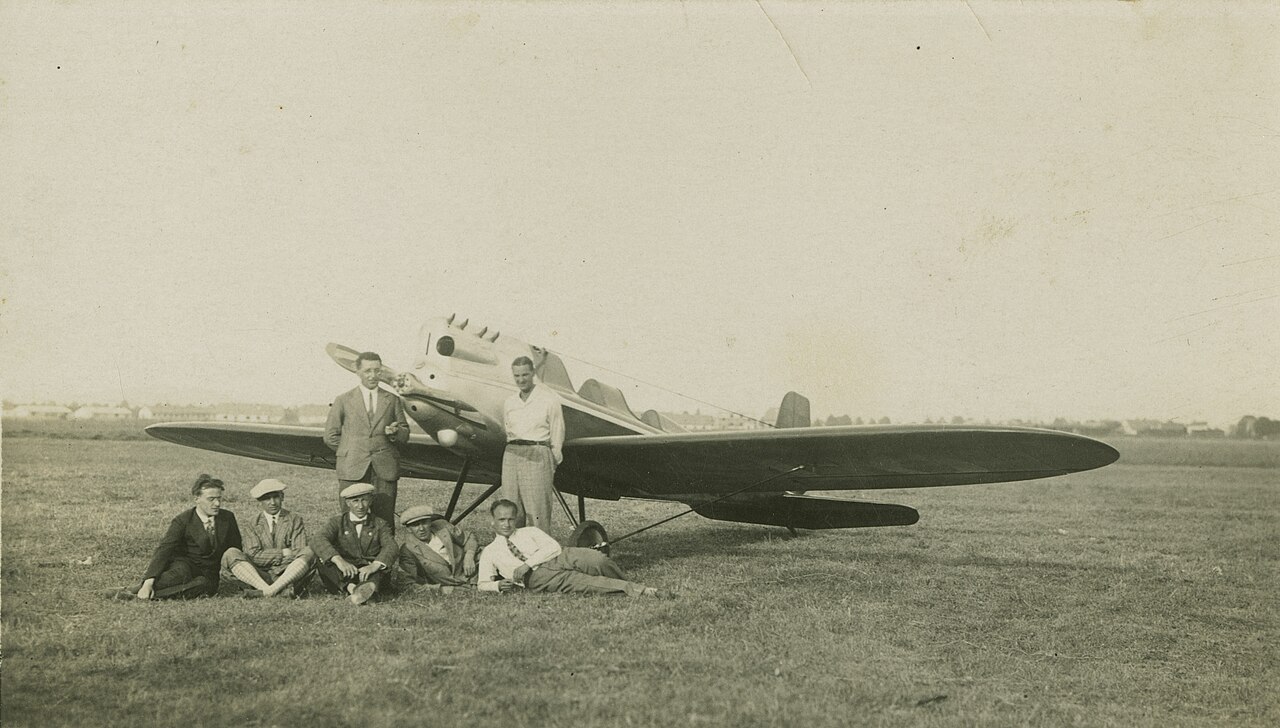
Bloudek was an early aviation pioneer. In 1910, while in Prague, he built his first monoplane, *Racek* (Gull), followed by *Libela* (Dragonfly) in 1911. He worked briefly with Igo Etrich, creator of the Etrich Taube. Before World War I, he worked in Trutnov, today in the Czech Republic, where he took up skiing. After the war, he moved to his mother’s home in Ljubljana and lived there for the rest of his life. In the 1920s, he and the Ljubljana Aeroclub built another monoplane, *Sraka* (Magpie), and a two-seater called the Bloudek XV (nicknamed Lojze). He stopped working on aircraft in 1934 after a test pilot, Janez Colnar, died during an airshow in Zagreb. In the 1930s, Bloudek designed the first Slovenian car, the Triglav, produced in 1934 by the Automontaža company, where he was the lead designer until World War II.
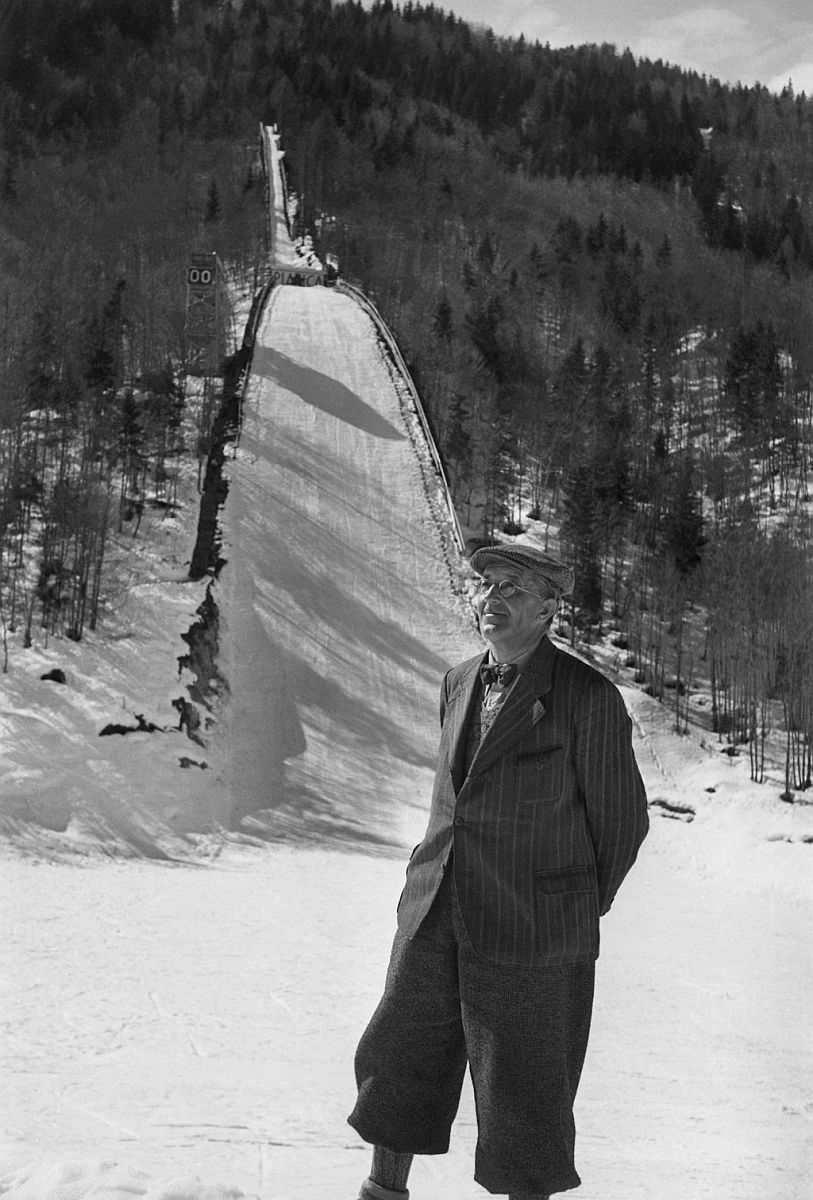
Bloudek was also an active athlete. In 1928, he served as a sports administrator on the Yugoslav Olympic team for the Winter Games in St. Moritz. In 1929, he became the Slovenian champion in the discus throw with a distance of 29.95 meters. As an engineer, he designed sports facilities. His plans led to the Bloudek Giant, the ski jumping hill in Planica, built in 1934. There, in 1936, Austrian Sepp Bradl made the first jump over 100 meters. At the time, it was the world’s largest jumping hill, sometimes called "the mother of all jumping hills." Another hill based on his plans was built in Ljubljana’s Šiška District in 1954 and stood until 1976; international Kongsberg Cup competitions there drew thousands. In Ljubljana, he built or helped finance the first modern football pitch, the first Olympic-size swimming pool in Yugoslavia (1929), tennis courts, and the first skating rink in Slovenia (on Čufar Street).
Bloudek was active in sports administration. In 1909, he helped found the football clubs Hermes and Ilirija.
- Born
- 11 February 1890
- Died
- 26 November 1959
- Field
- Aeroplane and automobile design, sports engineering, sports administration
- Nationality
- Slovenian
- Known for
- Designing the first Slovenian car Triglav, the Bloudek Giant ski jumping hill in Planica, and serving as president of the Yugoslav Olympic Committee
Lore & Background
Stanko Bloudek was born on 11 February 1890 in the Slovenian mining town of Idrija, the son of a Czech father and a Slovenian mother. He attended school in Most (in today's Czech Republic) and studied in Prague, first at the Academy of Arts and then technical studies, though he never graduated. In 1910, he presented his first monoplane, Racek ('Gull'), followed by a second named Libela ('dragonfly') in 1911. He worked with Igo Etrich, inventor of the Etrich Taube, and was employed in Trutnov before World War I. After the war, he moved to Ljubljana, where he continued developing aircraft and automobiles. In the 1920s, he and the Ljubljana Aeroclub constructed the monoplane Sraka ('Magpie') and the two-seat Bloudek XV. Bloudek was a sports administrator and engineer, not a figure skater on the 1928 Olympic team. He was also a member of the International Olympic Committee, though not the only Slovene to hold that position—Janez Kocijančič and others have also been members. He died on 26 November 1959 in Ljubljana.
Reader's Guide
Bloudek's significance lies in his multifaceted contributions to Slovenian aviation, automotive engineering, and sports infrastructure. He designed early monoplanes and the first Slovenian car, the Triglav. As a sports engineer, he planned the Bloudek Giant ski jumping hill in Planica, where the first jump over 100 meters was achieved in 1936, making it the world's largest jumping hill at the time. He also built other sports facilities in Ljubljana, including the first modern football court, the first Olympic-size swimming pool in Yugoslavia, tennis courts, and the first skating ring in Slovenia. In sports administration, he helped found the Yugoslav Olympic Committee in 1919, served as its president from 1947 to 1951, and became a member of the International Olympic Committee in 1948, the only Slovene to hold that position. During World War II, he financed the Liberation Front of the Slovene Nation and was imprisoned for this in 1942 and 1945. His legacy is commemorated by the Bloudek Award, the most prestigious Slovenian sports award, and a bust in Tivoli Park in Ljubljana.
Did You Know?
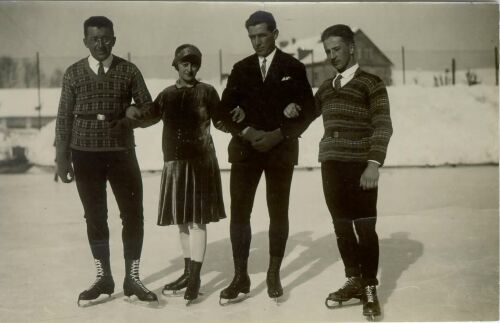
- Bloudek was a member of the Olympic team for the 1928 Winter Games in Sankt Moritz as a figure skater but did not compete.
- In 1929, he became the Slovene champion in the discus throw with a throw of 29.95 metres.
- He was the only Slovene to ever be a member of the International Olympic Committee.
- He died on 26 November 1959 while writing a letter regarding the construction of ski jumping hills across Yugoslavia.
Aviation and Automotive Engineering
Stanko Bloudek's engineering career spanned both the skies and the road. Born in 1890 in the Slovenian mining town of Idrija to a Czech father and Slovenian mother, he studied technical subjects in Prague after abandoning an initial path at the Academy of Arts. Though he never formally graduated, he was recognized as an engineer. In 1910, he presented his first monoplane, Racek, in Prague, followed by Libela the next year. He also collaborated with Igo Etrich, the inventor behind the Etrich Taube. After relocating to Ljubljana following World War I, he continued his aviation work with the Ljubljana Aeroclub, producing the monoplane Sraka and the two-seat Bloudek XV, nicknamed Lojze. His aviation career ended tragically in 1934 when test pilot Janez Colnar perished at an airshow in Zagreb. Shifting his focus to automobiles, Bloudek became the chief constructor at Automontaža, where he designed the Triglav, the first car built in Slovenia, produced in 1934. He held that role until the outbreak of World War II.
The Bloudek Giant and Sports Infrastructure
Bloudek's influence on Slovenian sports infrastructure remains one of his most visible legacies. In 1934, based on his engineering plans, the ski jumping hill in Planica was completed and named the Bloudek Giant. At the time, it was the largest jumping hill on the planet, earning the nickname 'the mother of all jumping hills.' Just two years later, Austrian skier Sepp Bradl achieved the first-ever jump beyond 100 metres from its ramp. Beyond Planica, Bloudek designed another ski jumping hill in Ljubljana's Šiška District, completed in 1954 and operational until 1976, where it hosted international Kongsberg Cup competitions drawing thousands of spectators. His architectural contributions extended far beyond skiing: he built the first modern football pitch in the region, the first Olympic-size swimming pool in Yugoslavia in 1929, tennis courts, and Slovenia's first skating ring on Čufar Street. He sometimes financed these projects himself, shaping the physical landscape of Slovenian sport for generations.
Olympic Administration and Sports Governance
Bloudek's commitment to sport extended well beyond the track and the ski slope into the realm of governance and administration. As early as 1909, he helped establish the football clubs Hermes and Ilirija in Ljubljana. In 1919, he took part in founding the Yugoslav Olympic Committee, and from 1947 to 1951 he served as its president. His standing in the international sporting world grew further when he was elected to the International Olympic Committee in 1948, making him the only Slovene ever to hold that position. His personal relationships within the sporting community were equally significant; he was a close friend of Rudolf Cvetko, the first Slovene to win an Olympic medal, helping Cvetko retain his employment and championing the sport of fencing in Ljubljana. In 1958, the Slovenian Football Association named him its first honorary member, and the following year he oversaw the renovation of the Bežigrad Stadium. His life ended on 26 November 1959, while he was still writing a letter about the construction of ski jumping hills across Yugoslavia.
Resilience Through War and Lasting Commemoration
Bloudek's life was marked by periods of extraordinary personal risk alongside his creative output. During World War II, he provided substantial financial support to the Liberation Front of the Slovene Nation, an act of resistance that led to his imprisonment in both 1942 and 1945. Despite these interruptions, he returned to his work in engineering and sports administration after the war, continuing to build and organize until his final days. His dedication to winter sports earned him the enduring title 'father of Slovenian winter sports,' a distinction that outlived him by decades. In 1969, sculptor Stojan Batič created a bust of Bloudek, which was installed in Tivoli Park in Ljubljana; however, the monument was stolen in 2008. Perhaps the most fitting tribute to his multifaceted contributions is the Bloudek Award, now the most prestigious sports honour in Slovenia, a living testament to a man whose hands shaped aircraft, automobiles, ski hills, swimming pools, and the very institutions that governed Slovenian sport.
Gallery
Frequently Asked Questions
Who is Stanko Bloudek?
Stanko Bloudek (1890–1959) was a Slovenian polymath who worked across aviation, automobile design, sports engineering, and Olympic administration. He is best remembered as one of Slovenia's earliest flight pioneers and a hands-on builder who never limited himself to a single discipline.
What are Stanko Bloudek's most famous creations?
He designed the Triglav, widely regarded as the first car built in Slovenia, and constructed the Bloudek Giant ski jumping hill in Planica. Around 1910 he also built his first small aircraft in Prague, placing him among the very early practitioners of powered flight in the region.
What was Stanko Bloudek's educational background?
After growing up in the mining town of Idrija and attending school in Most, he moved to Prague where he first studied at the Academy of Arts before switching to technical coursework. He never earned a formal degree, yet his peers and the broader community still recognized him as a working engineer.
Why is Stanko Bloudek important to Slovenian and Yugoslav sports history?
Beyond engineering, he shaped the sporting landscape by building the Planica ski jumping hill and later serving as president of the Yugoslav Olympic Committee. His dual identity as both an inventor and a sports administrator made him a uniquely influential figure in the region's athletic development.
Where and when did Stanko Bloudek live and die?
He was born on 11 February 1890 in Idrija to a Czech father and a Slovenian mother, and spent his formative creative years in Prague. He died on 26 November 1959, leaving behind a legacy that spans aviation, automotive design, sports infrastructure, and education.
More in Aviation inventors 1-24
Spotted an error? Know more?
Reader corrections go straight into our review queue. Suggest an edit · How this site is sourced