
George Cayley
English engineer and aviator who pioneered heavier-than-air flight.

Wikimedia Commons · CC BY 4.0
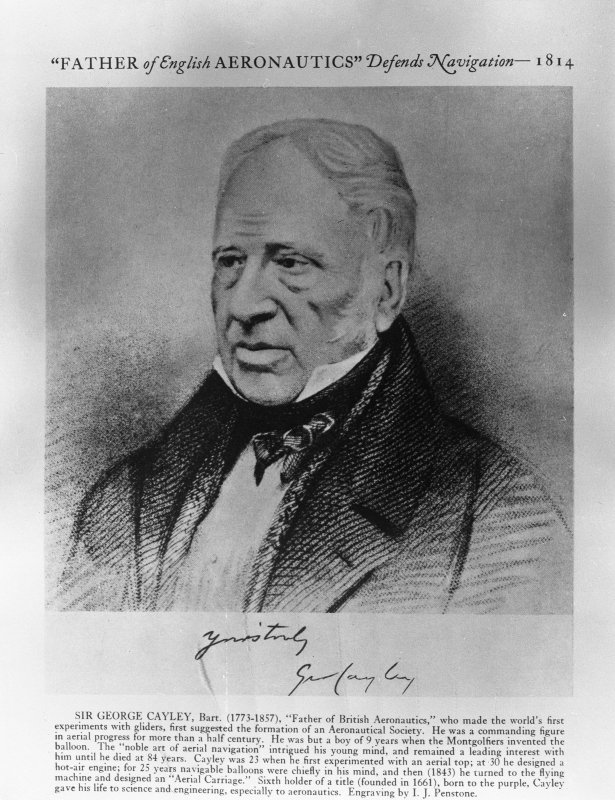
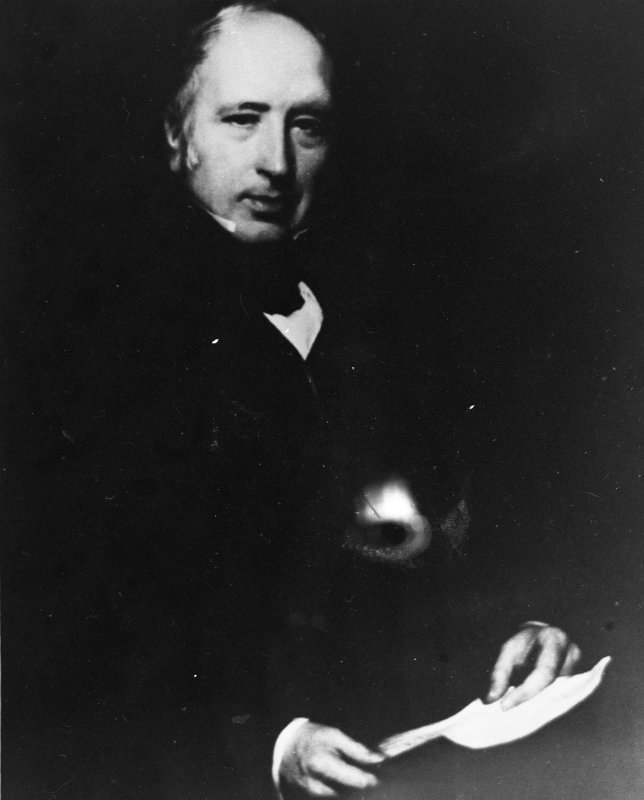
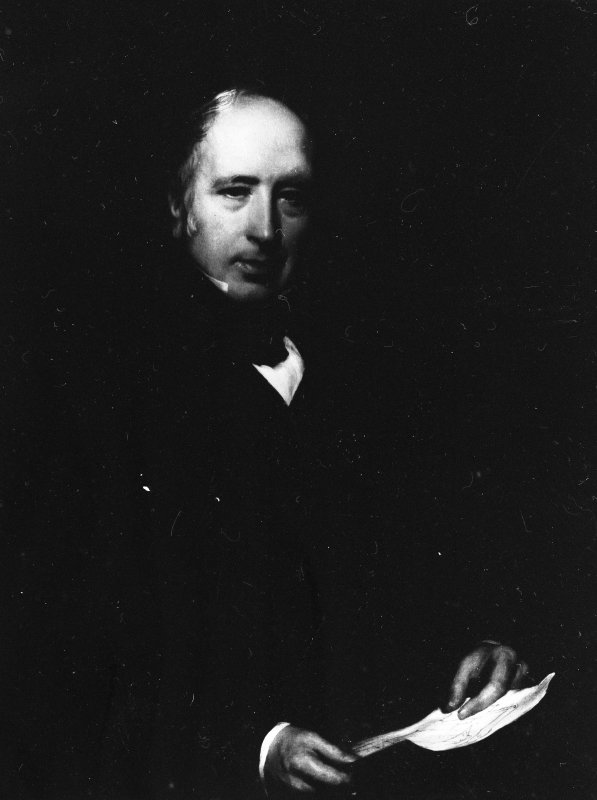
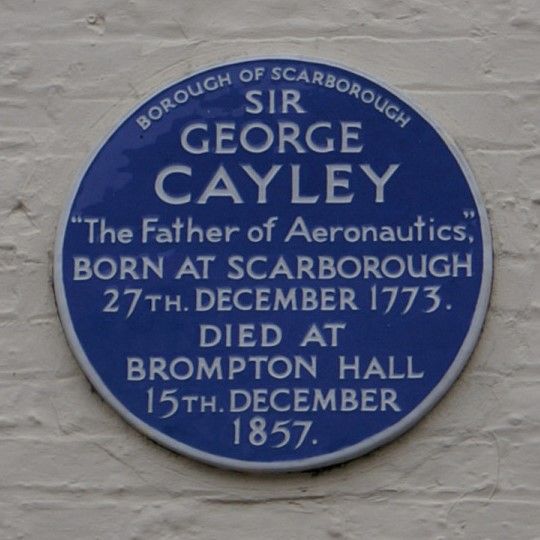
Sir George Cayley, the 6th Baronet, lived from 27 December 1773 to 15 December 1857. An English engineer, inventor, and aviator, he is considered a foundational figure in aeronautical engineering, often called 'the father of aviation.' He built the first glider reliably known to have carried a person into the air. His key insight was identifying the four core forces behind heavier-than-air flight: weight, lift, drag, and thrust.
Cayley also developed an early tension-spoke wheel, though the modern wire wheel was later perfected by others like James Starley. In 1799, he outlined the modern aeroplane concept: a fixed-wing machine with separate systems for lift, propulsion, and control. Today's aircraft design still relies on these ideas and on his cambered wings. He built an early flying model aeroplane and sketched the principles of vertical flight. He accurately predicted that sustained flight would need a lightweight engine to generate enough thrust and lift. The Wright brothers acknowledged his importance.
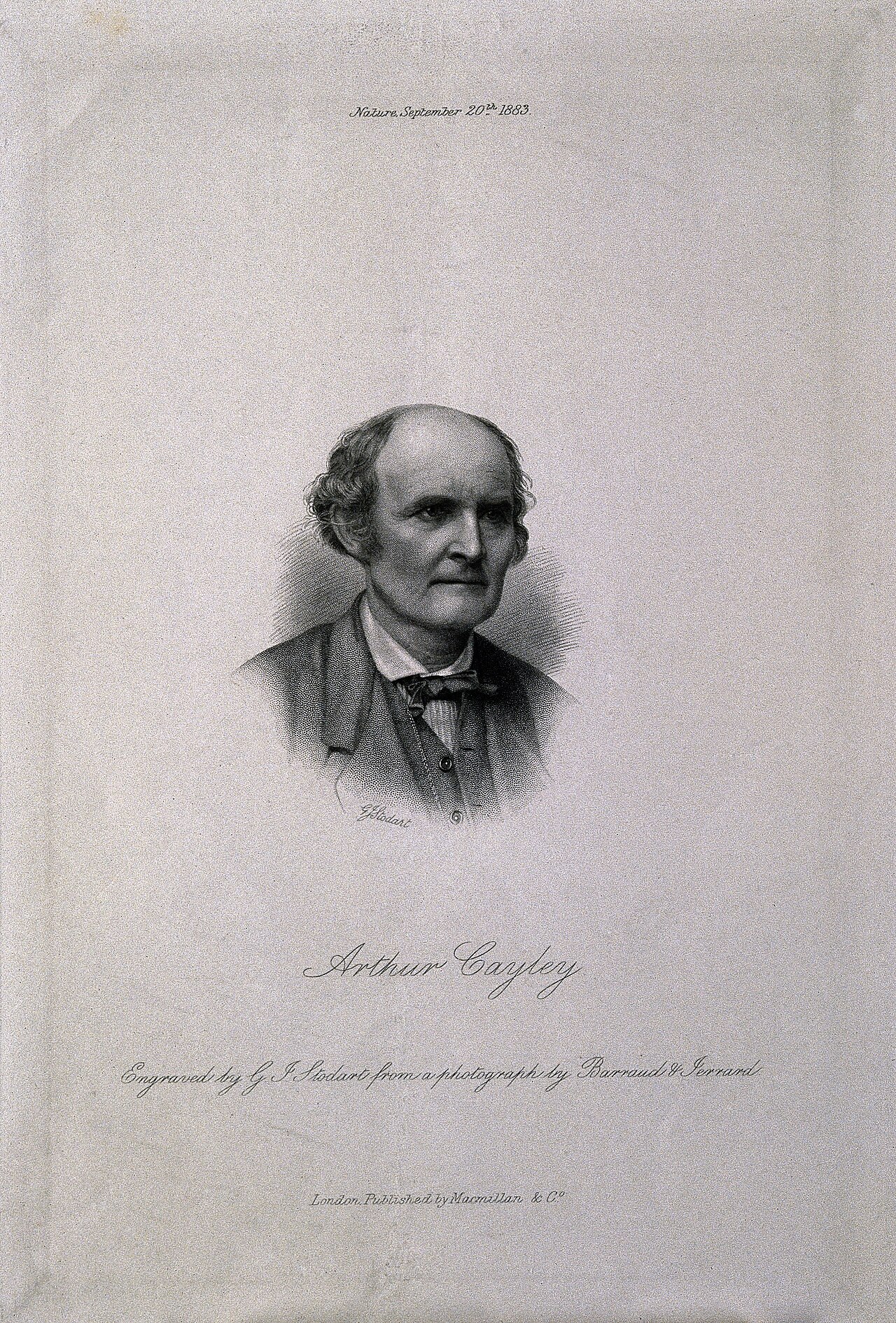
Politically, Cayley represented Scarborough as a Whig Member of Parliament from 1832 to 1835. In 1838, he was involved with the Royal Polytechnic Institution (now the University of Westminster), though historical records do not support him as a founder or chairman. He was elected Vice-President of the Yorkshire Philosophical Society in 1824 and was a founding member of the British Association for the Advancement of Science. He was a distant cousin of mathematician Arthur Cayley.
Cayley inherited Brompton Hall, Wydale Hall, and other estates near Scarborough, Yorkshire, after his father, the 5th Baronet, died. Inspired by the era's optimism, he took on many engineering projects. His developments include self-righting lifeboats, tension-spoke wheels, caterpillar tractors (which he called the "Universal Railway"), automatic railway crossing signals, seat belts, small-scale helicopters, and a prototype internal combustion engine that ran on gunpowder. He thought a more practical engine could use gaseous vapours, anticipating the modern internal combustion engine. He also worked in prosthetics, air engines, electricity, theatre architecture, ballistics, optics, and land reclamation, believing these advances should be freely available.
- Known for
- Pioneering aeronautical engineering; first glider to carry a human; identifying the four forces of flight; early tension-spoke wheel designs
Lore & Background
Cayley, from Brompton-by-Sawdon near Scarborough, Yorkshire, inherited Brompton Hall, Wydale Hall and other estates on the death of his father, the 5th Baronet. Inspired by the optimism of the times, he engaged in a wide range of engineering projects, including self-righting lifeboats, tension-spoke wheels, the 'Universal Railway' (his term for caterpillar tractors), automatic signals for railway crossings, seat belts, small scale helicopters, and a prototypical internal combustion engine fuelled by gunpowder. He also contributed to prosthetics, air engines, electricity, theatre architecture, ballistics, optics and land reclamation, and held the belief that these advancements should be freely available. According to the Institution of Mechanical Engineers, Cayley invented the hot air engine in 1807, noting its ingenuity in handling high working temperatures. His second hot air engine from 1837 is considered a landmark in engine design.
Reader's Guide
Sir George Cayley's significance lies in his foundational contributions to aeronautical engineering. He was the first to correctly identify and articulate the four forces of flight—weight, lift, drag, and thrust—and to set forth the concept of the modern aeroplane as a fixed-wing flying machine with separate systems for lift, propulsion and control. His design of the first glider reliably reported to carry a human aloft, along with his development of the cambered airfoil and the wire wheel, directly influenced later aviation pioneers. The Wright brothers acknowledged his importance to the development of aviation. Cayley also correctly predicted that sustained flight would not occur until a lightweight engine was developed. Beyond aviation, his wide-ranging engineering projects—including the hot air engine, self-righting lifeboats, and the 'Universal Railway'—demonstrate a versatile inventive mind. His legacy is preserved in institutions such as the University of Hull, Loughborough University, and the University of Westminster, which he helped found. Replicas of his 1853 glider have been flown in modern times, and he was inducted into the International Air & Space Hall of Fame in 1974.
Did You Know?
- Cayley invented the wire wheel, which later came into common use on bicycles, cars, aeroplanes and many other vehicles.
- He helped found the UK's first Polytechnic Institute, the Royal Polytechnic Institution (now University of Westminster), in 1838 and served as its chairman for many years.
- The first adult aviator in Cayley's 1853 glider may have been his coachman, footman, butler, or his grandson George John Cayley; the identity is not definitively known.
- Cayley's 1804 model glider had the layout of a modern aircraft, with a kite-shaped wing towards the front and an adjustable tailplane at the back.
The Architecture of Flight
George Cayley's most enduring contribution was his systematic understanding of how heavier-than-air flight works. In 1799, he articulated the blueprint for what we now recognize as the modern aeroplane: a fixed-wing machine with distinct systems handling lift, propulsion, and control. His 1809–1810 three-part treatise 'On Aerial Navigation,' published in Nicholson's Journal, laid out the four vector forces—thrust, lift, drag, and weight—that govern every aircraft in the sky. To test his theories empirically, he built a whirling-arm apparatus to measure drag at varying speeds and angles of attack, and he spun rotating wing sections in the stairwells of Brompton Hall. These experiments yielded an efficient cambered airfoil and the insight that dihedral angle provides lateral stability, a principle still embedded in hang-glider design. His 1804 model glider already bore the layout of a modern plane: a kite-shaped wing, an adjustable tailplane with horizontal stabilisers and a vertical fin, and a movable weight for centre-of-gravity adjustment. He even correctly foresaw that sustained human flight would await the invention of a sufficiently lightweight engine.
A Prolific Engineer's Workshop
Cayley's inventive output stretched far beyond the sky. Inheriting Brompton Hall, Wydale Hall, and other Yorkshire estates from his father, the 5th Baronet, he channelled the optimism of his era into a remarkable catalogue of engineering projects. He designed self-righting lifeboats, automatic signals for railway crossings, seat belts, small-scale helicopters, and what he called the 'Universal Railway'—essentially a caterpillar tractor. Perhaps most striking was his work on engines: in 1807 he produced the first successfully working hot air engine, and by 1837 he had built a pair of combustion-driven piston engines rated at eight horsepower. He also sketched a gunpowder-fuelled internal combustion engine and, crucially, proposed that gaseous vapours would be a more practical fuel, anticipating the modern internal combustion engine by decades. His interests further spanned prosthetics, air engines, electricity, theatre architecture, ballistics, optics, and land reclamation. Throughout, he held the conviction that such advancements ought to be freely available to the public rather than locked behind patents or privilege.
Public Service and Institutional Life
Beyond his private laboratory, Cayley played an active role in Yorkshire's civic and intellectual life. He represented the Whig party as Member of Parliament for Scarborough between 1832 and 1835. In 1838 he helped found the Royal Polytechnic Institution—the United Kingdom's first polytechnic, now the University of Westminster—and served as its chairman for many years. His scholarly standing was recognised when he was elected Vice-President of the Yorkshire Philosophical Society in 1824, and he became a founding member of the British Association for the Advancement of Science. These roles placed him at the intersection of politics, education, and scientific discourse during a period when Britain was rapidly industrialising. His public engagements complemented his private experiments, giving him a platform to advocate for the free dissemination of technical knowledge. He was also a distant cousin of the mathematician Arthur Cayley, a connection that, while not central to his own work, adds a note of intellectual family to his already remarkable profile.
Legacy and the Mystery of the First Flight
Cayley is often called 'the father of aviation,' and the Wright brothers themselves acknowledged his importance to the development of powered flight. His emphasis on structural lightness led him to reinvent the wheel: by shifting spoke forces from compression to tension using tightly-stretched string, he created a lightweight wheel that, once wire replaced the string, became standard on bicycles, cars, aeroplanes, and countless other vehicles. The 1853 glider flight across Brompton Dale in front of Wydale Hall—built with the help of his grandson George John Cayley and engineer Thomas Vick—remains the first reliably reported human-carrying glider, yet the pilot's identity is still debated: sources variously name a coachman, footman, butler, or employee John Appleby, with no definitive evidence to settle the question. A 2007 discovery of sketches in his school notebooks at the Royal Aeronautical Society Library revealed he was exploring lift-generating inclined planes as early as 1792. In 1843 he also proposed the concept of a convertiplane, further underscoring how far ahead of his time his thinking truly was.
Gallery
Frequently Asked Questions
Who is George Cayley?
George Cayley was an English engineer, inventor, and aviator born in 1773 who made groundbreaking contributions to the field of aeronautics. He is widely recognized as a pioneer of heavier-than-air flight and is commonly referred to as the father of aviation.
What is George Cayley's most famous invention?
His most celebrated achievement is building the first glider reliably documented to have carried a human being into flight. This milestone demonstrated that controlled, wind-powered flight of a person in a machine was achievable.
What did George Cayley figure out about the forces of flight?
In 1799, Cayley articulated the principle that four distinct forces—weight, lift, drag, and thrust—govern the behavior of any heavier-than-air aircraft. This framework became the foundational model for all subsequent aerodynamic engineering.
Why is George Cayley called the 'father of aviation'?
He earned that title because he was among the first to approach flight as a systematic engineering problem rather than a mere mechanical curiosity. His identification of the four aerodynamic forces and his successful human-carrying glider laid the conceptual groundwork for the entire field.
Did George Cayley invent anything besides aircraft?
Yes, he also designed an early version of the tension-spoke wheel, a concept that would later be refined by others such as James Starley into the modern wire-spoke bicycle wheel. This shows his inventive range extended well beyond aeronautics into general mechanical design.
More in Aviation inventors 1-24
Spotted an error? Know more?
Reader corrections go straight into our review queue. Suggest an edit · How this site is sourced