
Jim Bede
The visionary who made jet-powered flight accessible to homebuilders.

George Eliot · Public domain
James R. 'Jim' Bede (1933–2015) was a prolific American aircraft designer and entrepreneur whose innovative kitplane designs—most notably the BD-5 microjet and the BD-4—democratized homebuilt aviation. A former U.S. Navy pilot and aeronautical engineer, Bede founded Bede Aviation and later BD-Micro Technologies, pushing the boundaries of lightweight, affordable aircraft construction.
- Born
- April 18, 1933, Cleveland, Ohio, USA
- Died
- August 15, 2015, San Diego, California, USA
- Notable designs
- BD-1, BD-2, BD-4, BD-5, BD-7, BD-8, BD-10
- Key innovation
- First to popularize all-metal, pre-fabricated kit aircraft for homebuilders
- Awards
- EAA Hall of Fame inductee (2008)
- Known for
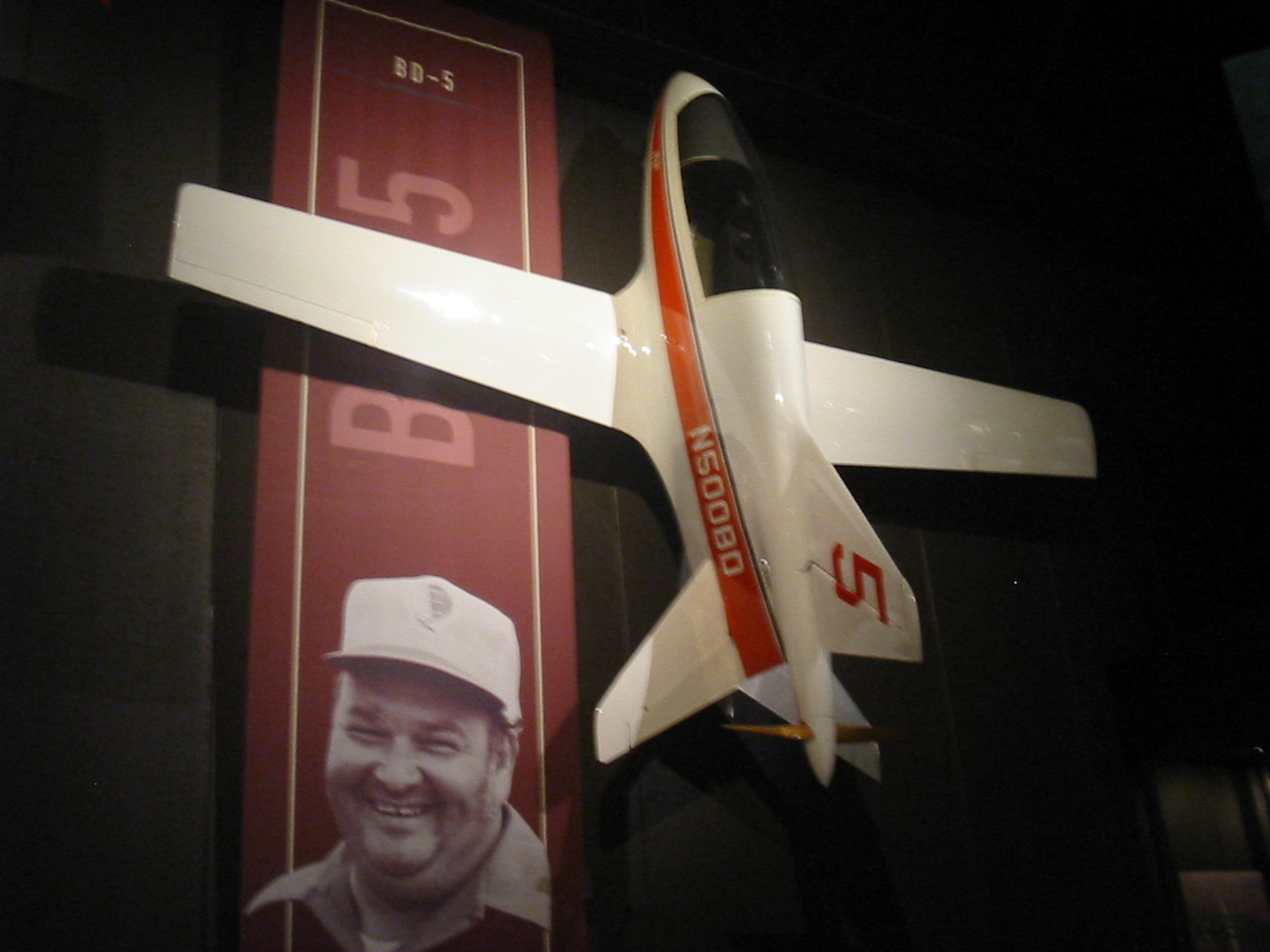
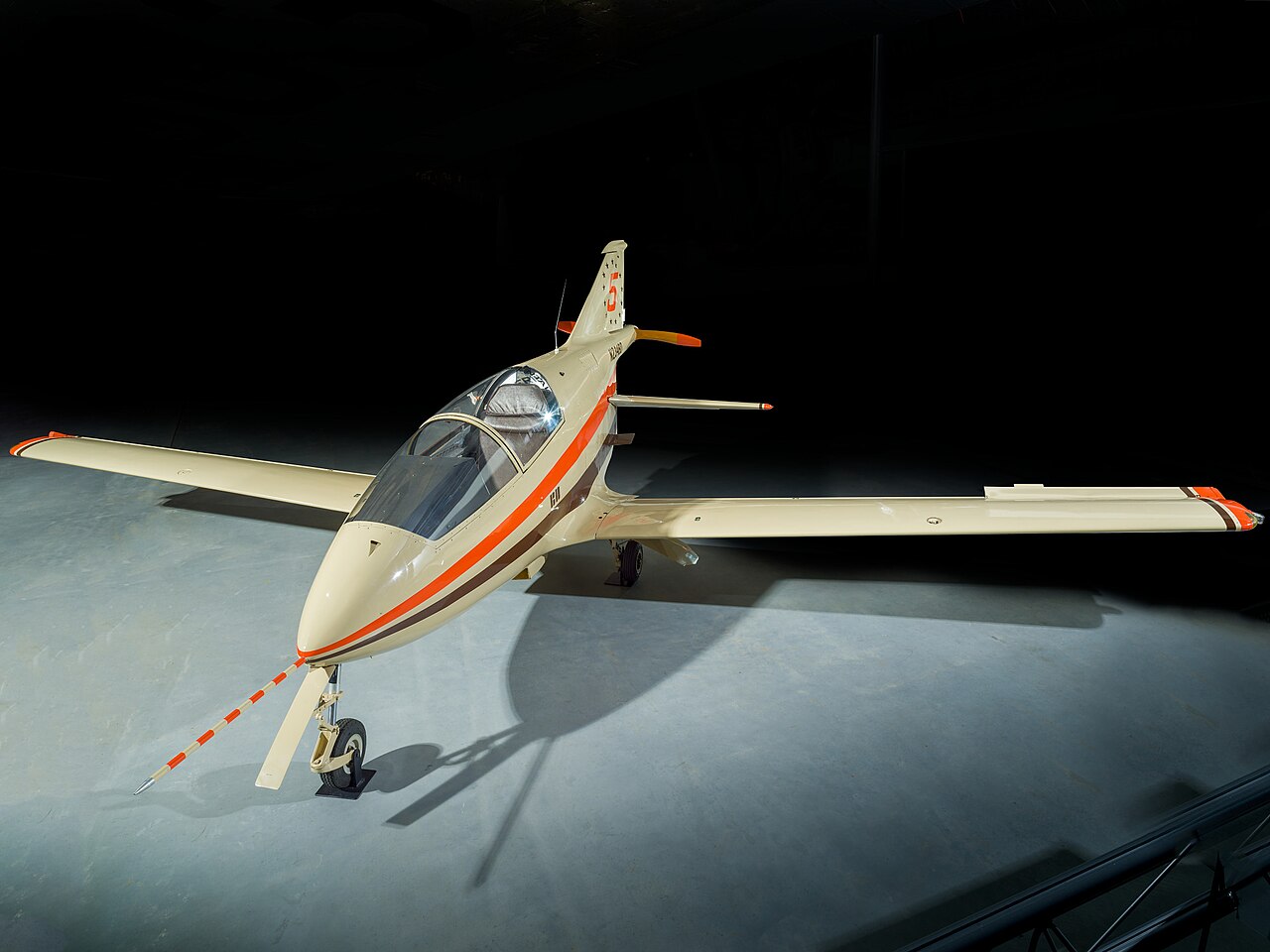
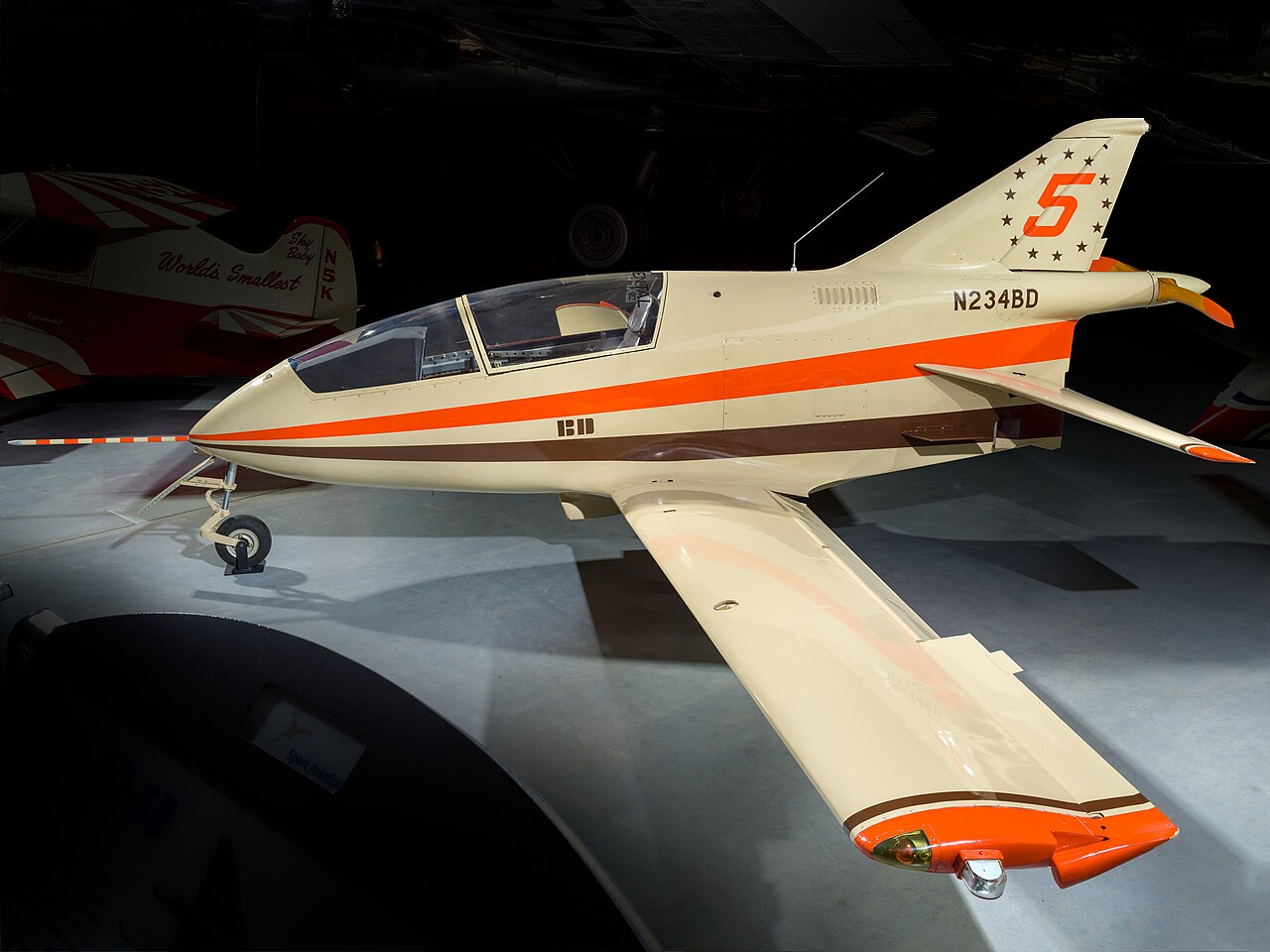
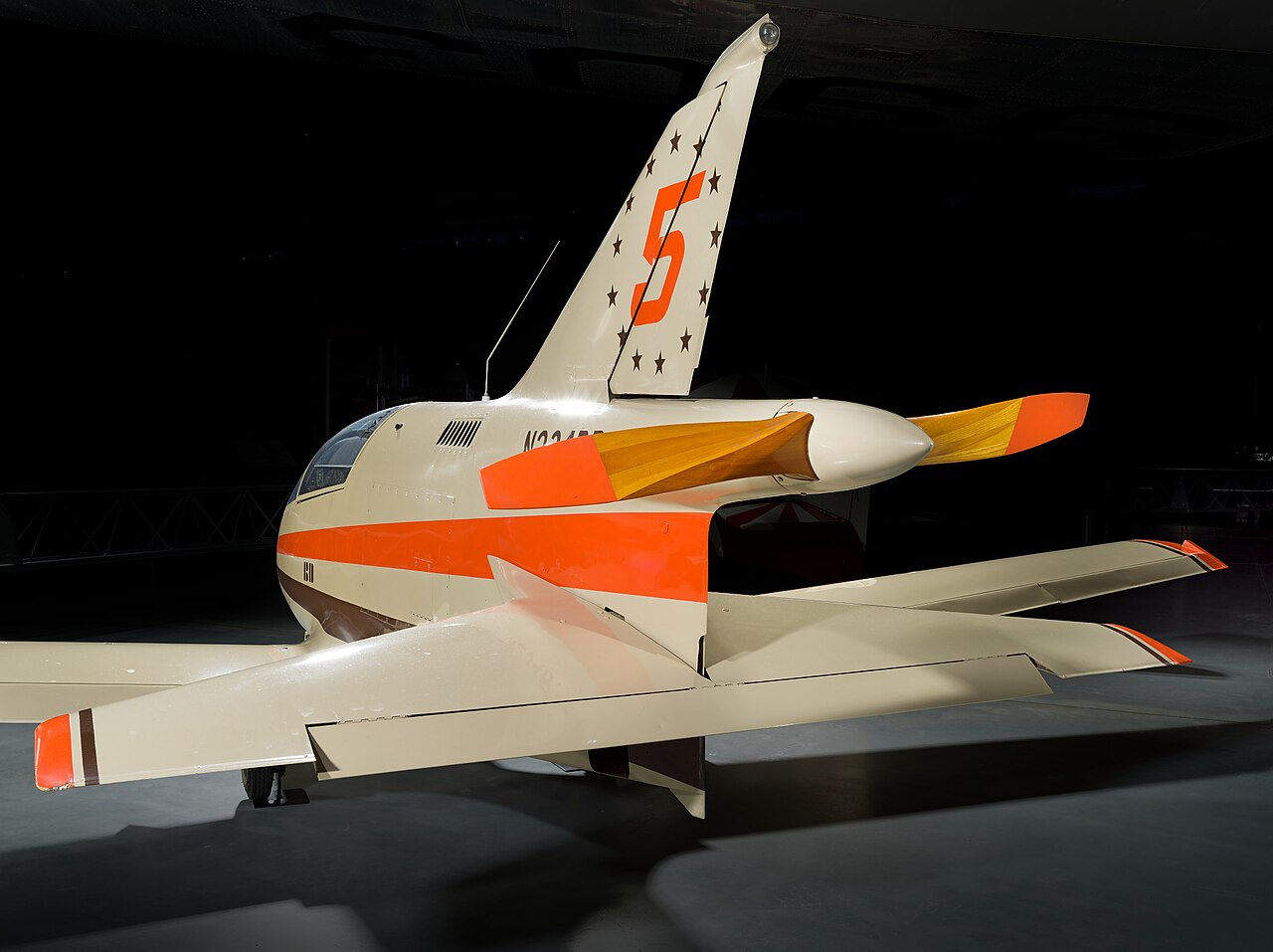
- BD-5 'World's Smallest Jet' (Guinness World Record holder for smallest jet aircraft)
- Company
- Bede Aviation, BD-Micro Technologies
Lore & Background
Jim Bede’s career was defined by bold, sometimes controversial, engineering. His BD-2, a long-endurance single-engine aircraft, was designed for the U.S. Air Force’s 'Project Long Life' in the 1960s, aiming to set endurance records. Though the program was canceled, Bede later adapted the design for civilian use. His most famous creation, the BD-5, debuted in 1971 as a tiny, sleek jet that could be built from a kit for under $3,000—a revolutionary concept that captivated the public but faced production delays and engine reliability issues, leading to only a few hundred completions.
Despite setbacks, Bede’s BD-4 became one of the most successful kitplanes of its era, with over 500 built. The design’s simple, all-metal structure and tricycle landing gear made it a favorite among amateur builders. Bede also developed the BD-10, a supersonic jet kit, and the BD-8, a taildragger variant of the BD-4. His later years saw him focus on the BD-17 'Nugget' and other projects, though none matched the cultural impact of the BD-5.
Bede’s legacy is complex: he inspired a generation of homebuilders with his audacious vision, yet his business ventures often struggled with funding and production. The Aircraft Owners and Pilots Association (AOPA) has credited the BD-4’s design to Dave Blanton, a key collaborator, but AOPA has never credited the BD-2 to Blanton—a distinction often misstated in online sources. Bede’s work remains a cornerstone of the experimental aircraft movement.
Reader's Guide
Jim Bede's significance lies in his persistent efforts to make aviation accessible through affordable kit-built aircraft. His BD-1 directly led to the Grumman-American line of general aviation aircraft, including the popular AA-1 and AA-5 Traveller, though he lost control of the company before production. The BD-4 became a successful kitplane with hundreds built and many still flying, demonstrating the viability of the homebuilt market. The BD-5 Micro captured public imagination with its jet-fighter looks and ambitious performance claims, attracting over 4,000 orders, but suffered from engine reliability issues and stability problems that limited its success. Bede's career was marked by innovative designs, but also by business failures and technical setbacks that prevented most of his creations from achieving widespread use. His work influenced later kitplane development and highlighted both the potential and pitfalls of the homebuilt aircraft industry.
Did You Know?
- The BD-5 holds the Guinness World Record for the smallest jet aircraft, with a wingspan of just 14 feet.
- Jim Bede’s BD-1 was the first aircraft to use a bonded aluminum honeycomb structure for a production kitplane.
- The BD-2 was originally built for a U.S. Air Force endurance record attempt, but the project was cancelled after the aircraft was damaged in a hangar fire.
- Bede’s BD-10 was the first supersonic jet kitplane, capable of Mach 1.4, though only two were completed.
Roots in Cleveland & the Path to Aviation
James R. Bede grew up in Cleveland, Ohio, and completed his secondary education at West Technical School in 1952. He then pursued higher education at Fenn College and the Municipal University of Wichita, earning a Bachelor of Science in Aeronautical Engineering in 1957. That same year he joined North American Aviation as a performance engineer, contributing to the FJ-4 Fury and A3J Vigilante programs for the United States Navy. His tenure at the major aerospace firm was brief, however. By 1961 he had returned to Cleveland and, together with his father James, founded Bede Aviation with a singular mission: to put a fast, affordable aircraft within reach of ordinary people. The broader general aviation market at the time was priced far beyond what most consumers could afford, and Bede saw the solution in eliminating the labor costs that dominated the price of a delivered airplane. His vision was that prospective pilots could build their own aircraft from a kit, dramatically cutting the final cost while still delivering genuine performance.
The BD-1 and the Birth of a Legacy
The BD-1, Bede's first major design, was a low-wing two-seater that employed aluminum honeycomb panels bonded rather than riveted, yielding a structure both light and strong enough to withstand 9g aerobatic loads. With a 108-horsepower Lycoming O-235, it was estimated to reach 135 knots—well ahead of a comparable Cessna 152 at roughly 110 knots. Practicality was central: the wings folded so the aircraft could be towed behind a car and stored in a home garage. Kit pricing started at $2,500 with a rebuilt 65-hp engine, rising to $4,200 with the more powerful O-235. Development, however, dragged on and consumed significant funds without producing a finalized design. In 1968 a group of Cleveland businessmen assumed control, rebranded the company American Aviation, and began factory-building the design as the AA-1. Subsequent revisions—a larger horizontal tail and a more forgiving wing airfoil—improved stability. The lineage proved commercially successful; the four-seat AA-5 Traveller became particularly popular, and the company was eventually acquired by Grumman, becoming Grumman American.
Experimental Flights and Record-Setting Ambitions
Beyond the BD-1, Bede pursued several experimental projects. The XBD-2 incorporated a boundary-layer control system developed by Mississippi State University's Aerophysics Department, featuring 164,000 tiny holes drilled into the wing surface to extract air and reduce skin friction while keeping the boundary layer attached at higher angles of attack, effectively doubling maximum lift. The aircraft also used two engines driving a single pusher propeller, aluminum honeycomb panels, and fiberglass landing-gear struts. After fifty hours of flight testing it was donated to the Experimental Aircraft Association. A related pusher layout became the BD-3, and an executive variant the BD-7, though neither progressed beyond early studies. More ambitiously, Bede modified a Schweizer SGS 2-32 powered glider into the BD-2, nicknamed LOVE for Low Orbit, Very Efficient. He expanded fuel capacity to 565 gallons by sealing the wings into tanks and adding fuselage and wingtip tanks. In October 1969 he set a 70-hour endurance record, covering nearly 9,000 miles before an electrical failure ended the flight.
The BD-4 and a Life of Unfulfilled Designs
After his departure from what became American Aviation, Bede reorganized as Bede Aircraft and turned his attention to the BD-4, a deliberately simpler high-wing design meant to be easier for amateur builders to complete. The fuselage relied on flat aluminum sheeting with only the engine cowling and gear pants requiring compound curves. A key innovation was panel-rib wing construction: ribs with extended upper lips formed part of the wing surface, and sections were slid together over a tubular spar, significantly reducing build time. Performance was solid—130 knots with the standard 108-hp Lycoming, and up to 190 knots with engines as large as 220 hp—though early optimistic estimates proved overstated, with typical speeds settling around 130 to 150 knots. The BD-4 debuted in 1968, sold thousands of plan sets, saw hundreds of airframes built, and retains an excellent safety record with many still flying. Despite designing well over a dozen aircraft from the 1960s onward, including the BD-5 and BD-10, Bede's career was marked by a persistent string of business failures, legal disputes, and technical and safety issues that kept most of his designs from achieving widespread adoption.
Gallery

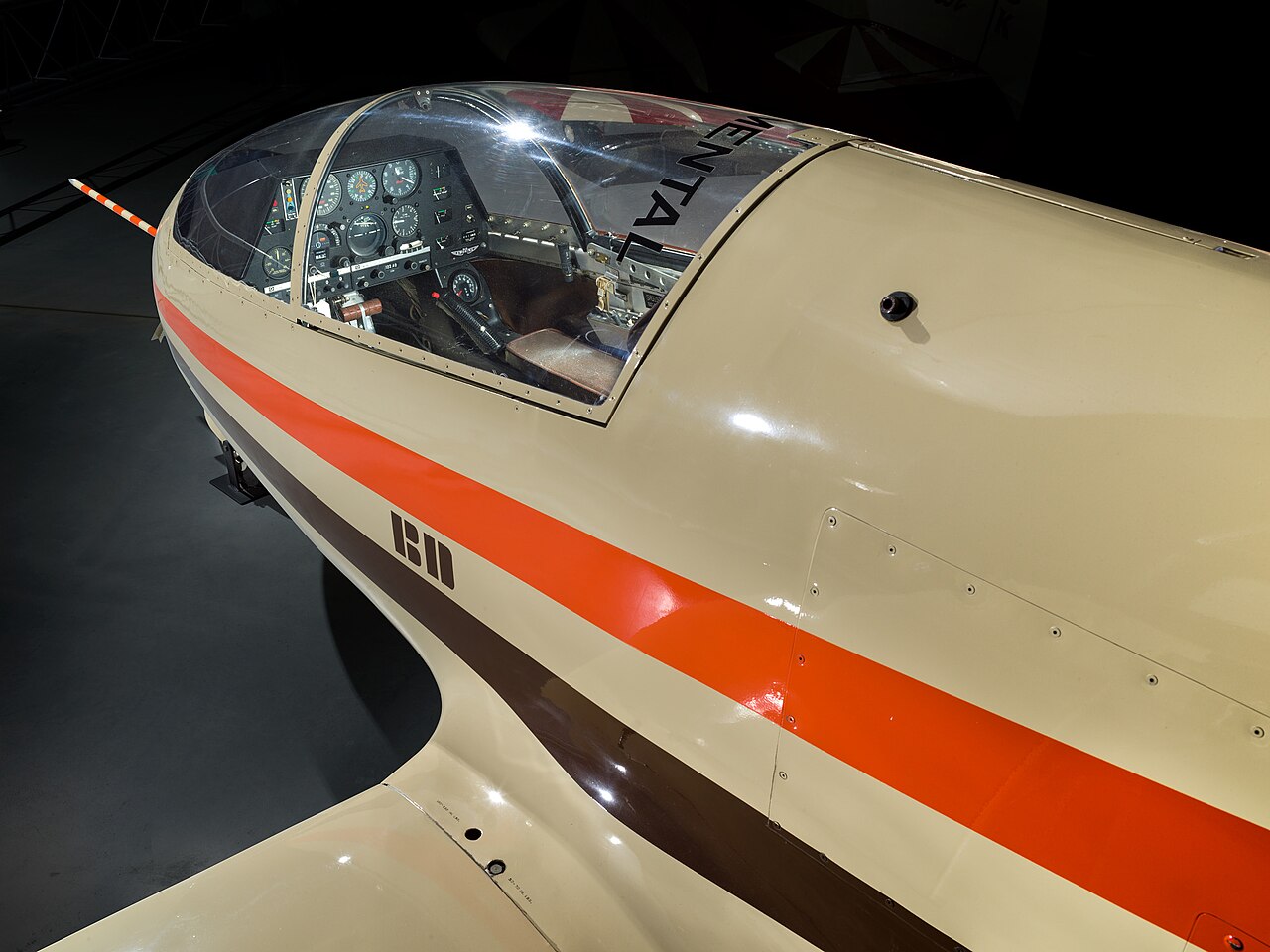
Frequently Asked Questions
Who is Jim Bede?
Jim Bede (1933–2015) was an American engineer and aircraft designer best known for creating a line of affordable kitplanes that put homebuilt aviation within reach of everyday people. His most celebrated creation, the BD-5 microjet, earned a Guinness World Record as the smallest jet aircraft ever built.
What made the BD-5 stand out from other homebuilt aircraft?
The BD-5 was the first practical microjet that a homebuilder could assemble from pre-fabricated metal parts, effectively shrinking the gap between piston-engine kitplanes and true jet flight. It holds the Guinness World Record for the smallest jet aircraft.
What was Jim Bede's career before he started designing planes?
Bede served as a U.S. Navy pilot and worked as an aeronautical engineer before founding his own company, Bede Aviation, to develop his lightweight aircraft designs. He later established BD-Micro Technologies to continue pushing affordable, lightweight construction.
What was Jim Bede's biggest contribution to the homebuilt aviation community?
He was the first designer to make all-metal, pre-fabricated kit aircraft a mainstream option, proving that homebuilders didn't need to fabricate every part from scratch. This approach inspired an entire generation of kitplane builders and companies.
What awards or honors did Jim Bede receive?
In 2008, the Experimental Aircraft Association inducted Bede into its Hall of Fame in recognition of his lasting impact on recreational aviation. His BD-series designs, spanning from the BD-1 through the BD-10, remain reference points in the homebuilt community.
More in Aviation inventors 1-24
Spotted an error? Know more?
Reader corrections go straight into our review queue. Suggest an edit · How this site is sourced