
Frank W. Caldwell
Leading American propeller engineer and designer.

Unknown author Unknown author or not provided · Public domain
Frank Walker Caldwell (1889–1974) was a key figure in American propeller engineering and design. From 1918 to 1927, he served as chief of the Propeller Research Department at McCook Field, then continued at Wright Field from 1927 to 1938, establishing new testing methods and facilities. He joined Hamilton Standard Propeller Corporation in 1929, where his development of the controllable-pitch propeller led to the company receiving the 1933 Collier Trophy. Caldwell served as director of the United Aircraft Corporation Research Division from 1943 to 1955, retiring after 12 years.
Born in Lookout Mountain, Tennessee, to Frank Hollis Caldwell and Mary Ellis Nellie Walker, his father ran the Cahill Iron Works and served as Chattanooga’s mayor. Caldwell attended Tome Preparatory School in Maryland and the University of Virginia before earning a mechanical engineering degree from MIT in 1912. There, he and fellow student Hans Frank Lehmann built a prize-winning glider and, despite MIT lacking aeronautics courses, Caldwell wrote his graduate thesis on air propellers. After graduation, he worked as a foreman and process engineer at Curtiss Aeroplane and Motor Company in Buffalo, New York. In 1916, he investigated propeller delamination on Army planes in Columbus, New Mexico, discovering that glue applied in New York failed in the Southwest heat; he then formulated a more reliable adhesive.
During World War I, Caldwell became chief of the Propeller Research Department at McCook Field, overseeing all propeller development for the Army Air Service. He devised the whirl test, mounting propellers on fixed stands to measure thrust, endurance, speed, efficiency, and structural strength. As propellers evolved from wood to metal and from fixed to variable pitch, Caldwell championed designs with detachable blades attached to a central hub, allowing ground adjustment for fine or coarse pitch. Charles Lindbergh’s *Spirit of St. Louis* used a ground-adjustable propeller from Standard Steel Propeller Company.
In 1929, Caldwell moved to Hamilton Standard Propeller Corporation, where he advanced the controllable-pitch propeller. This variable-pitch design reduced drag and boosted engine power.
- Born
- 1889, Lookout Mountain, Tennessee
- Died
- December 23, 1974, age 85
- Field
- Propeller engineering and design
- Nationality
- American
- Known for
- Development of the controllable-pitch propeller and hydromatic constant-speed propeller
Lore & Background
Caldwell was born in Lookout Mountain, Tennessee, to Frank Hollis Caldwell and Mary Ellis Nellie Walker. He attended the Tome Preparatory School in Maryland and the University of Virginia, graduating from MIT in 1912 with a Bachelor of Science in mechanical engineering. While at MIT, he and fellow student Hans Frank Lehmann designed a contest-winning glider and titled his graduate thesis 'Investigation of Air Propellers.' After graduation, he worked as foreman and process engineer at Curtiss Aeroplane and Motor Company in Buffalo, New York. In 1916, he traveled to Columbus, New Mexico, to investigate Army airplane propeller de-lamination, developing a new glue that improved propeller reliability.
During World War I, Caldwell became chief of the Propeller Research Department at McCook Field, then continued at Wright Field from 1927 to 1938. He devised the whirl test, mounting propellers on fixed stands to measure thrust, endurance, speed, efficiency, and structural strength. Charles Lindbergh’s *Spirit of St. Louis* used a ground-adjustable propeller from Standard Steel Propeller Company.
Reader's Guide
Frank W. Caldwell's significance lies in his foundational contributions to propeller engineering, particularly the development of the controllable-pitch and hydromatic constant-speed propellers. As the U.S. government's chief propeller engineer from 1917 to 1928, he established testing facilities and techniques that advanced the field. His work at Hamilton Standard led to the 1933 Collier Trophy, recognizing the controllable-pitch propeller as the year's greatest achievement in American aviation. The hydromatic constant-speed propeller, which allowed feathering and constant speed, became standard on nearly all U.S. Army Air Forces aircraft in World War II, with 500,000 units produced. Caldwell's innovations directly enabled the operational success of key aircraft like the Boeing Model 247 and Douglas DC-2, overcoming altitude limitations and improving transcontinental flight. His legacy is further marked by the 1990 designation of the Hydromatic Propeller as an International Historic Mechanical Engineering Landmark by the American Society of Mechanical Engineers. Caldwell's work bridged the transition from wood to metal propellers and from fixed to variable pitch, fundamentally shaping modern aviation.
Did You Know?
- Caldwell and fellow student Hans Frank Lehmann designed a contest-winning glider while at MIT, which then did not offer aeronautics courses.
- In 1916, Caldwell developed a new glue to fix propeller de-lamination caused by heat in the Southwest.
- Caldwell's hydraulic controllable-pitch propeller was used on both the Boeing Model 247 and the Douglas DC-2.
- The hydromatic constant-speed propeller, invented by Caldwell and Hamilton Standard, was used on almost all U.S. Army Air Forces aircraft in World War II.
Early Life and the Seeds of a Propeller Pioneer
Frank Walker Caldwell entered the world in 1889 in Lookout Mountain, Tennessee, the son of Frank Hollis Caldwell, who served as both president of the Cahill Iron Works and mayor of Chattanooga, and Mary Ellis Nellie Walker. His schooling took him to Tome Preparatory School in northeast Maryland and then to the University of Virginia before he earned a Bachelor of Science in mechanical engineering from the Massachusetts Institute of Technology in 1912. Remarkably, MIT did not yet offer any aeronautics coursework, yet Caldwell and classmate Hans Frank Lehmann collaborated on a contest-winning glider. Caldwell also devoted his graduate thesis to the subject he would pursue for a lifetime, titling it "Investigation of Air Propellers." After leaving campus, he joined Curtiss Aeroplane and Motor Company in Buffalo, New York, as foreman and process engineer. In 1916 he was dispatched to Columbus, New Mexico, near the Mexican border, to troubleshoot Army aircraft propellers that were delaminating. He traced the problem to adhesive failure in the intense southwestern heat and formulated a new glue that markedly improved field reliability.
War Service and the Birth of Modern Propeller Testing
During the First World War, Caldwell rose to chief engineer of the Propeller Research Department within the Aviation Section of the Signal Corps, stationed at McCook Field from 1918 through 1927. He then continued overseeing all Army aircraft propeller development at Wright Field until 1938. Among his most consequential contributions was the whirl test, a procedure he devised in Ohio that secured a propeller on a fixed stand so engineers could simultaneously measure thrust, endurance, rotational speed, efficiency, and structural strength. That method became a foundational tool in propeller evaluation for decades. In the postwar period, propeller construction shifted from wood to metal and from fixed-pitch to variable-pitch configurations. Caldwell championed a design in which individual detachable blades joined a central hub, allowing ground crews to set pitch before flight: fine pitch for maximum climb-out or coarse pitch for efficient cruise. Standard Steel Propeller Company built a ground-adjustable pitch unit for Charles Lindbergh's Spirit of St. Louis, the very aircraft that completed its legendary 1927 solo transatlantic crossing.
The Controllable-Pitch Breakthrough and the Collier Trophy
In 1929 Caldwell left the Army Air Service to join Hamilton Standard Propeller Corporation, where he pushed the controllable-pitch propeller to full maturity. The innovation unified two critical aeronautical advances—reduced aerodynamic drag and greater engine power—into a single operational system. The practical stakes were high: in 1933, Boeing's Model 247, then the most modern airliner in the world and flown by United Air Lines, struggled to reach even 6,000 feet. Once Hamilton Standard's hydraulic two-position controllable-pitch propeller, developed under Caldwell's engineering direction, was installed, the 247 cleared the Rocky Mountains and entered transcontinental service. The Douglas DC-2, the 247's principal competitor, also adopted Caldwell's propeller. In 1933 the Collier Trophy was presented to Hamilton Standard with particular credit to Caldwell, Chief Engineer, for developing the controllable-pitch propeller. The following June, President Franklin D. Roosevelt received Caldwell in the Oval Office to congratulate him personally, acknowledging the design as the year's greatest achievement in American aviation.
The Hydromatic Propeller, Wartime Production, and Lasting Legacy
Caldwell and Hamilton Standard went a step further by inventing an automatic pitch-changing system: the Hydromatic constant-speed propeller. Driven by hydraulic pressure, typically engine oil, the mechanism continuously adjusted blade angle to hold rotational speed steady. A vital safety feature was the ability to feather a blade, streamlining it to cut drag on a failed engine. The design proved so effective that nearly every United States Army Air Forces aircraft in the Second World War carried a Hydromatic constant-speed propeller, earning the system the popular nickname "the gearshift of the air." Hamilton Standard manufactured 500,000 of these hydraulic controllable-pitch units for the war. Caldwell and Ernest G. McCauley held three joint patents covering propeller innovations. In 1990 the American Society of Mechanical Engineers designated the Hydromatic Propeller, exhibited at the New England Air Museum in Windsor Locks, Connecticut, an International Historic Mechanical Engineering Landmark. Caldwell retired in 1955 after twenty-five years as director of United Aircraft Corporation's Research Division and passed away on December 23, 1974, at the age of eighty-five.
Gallery
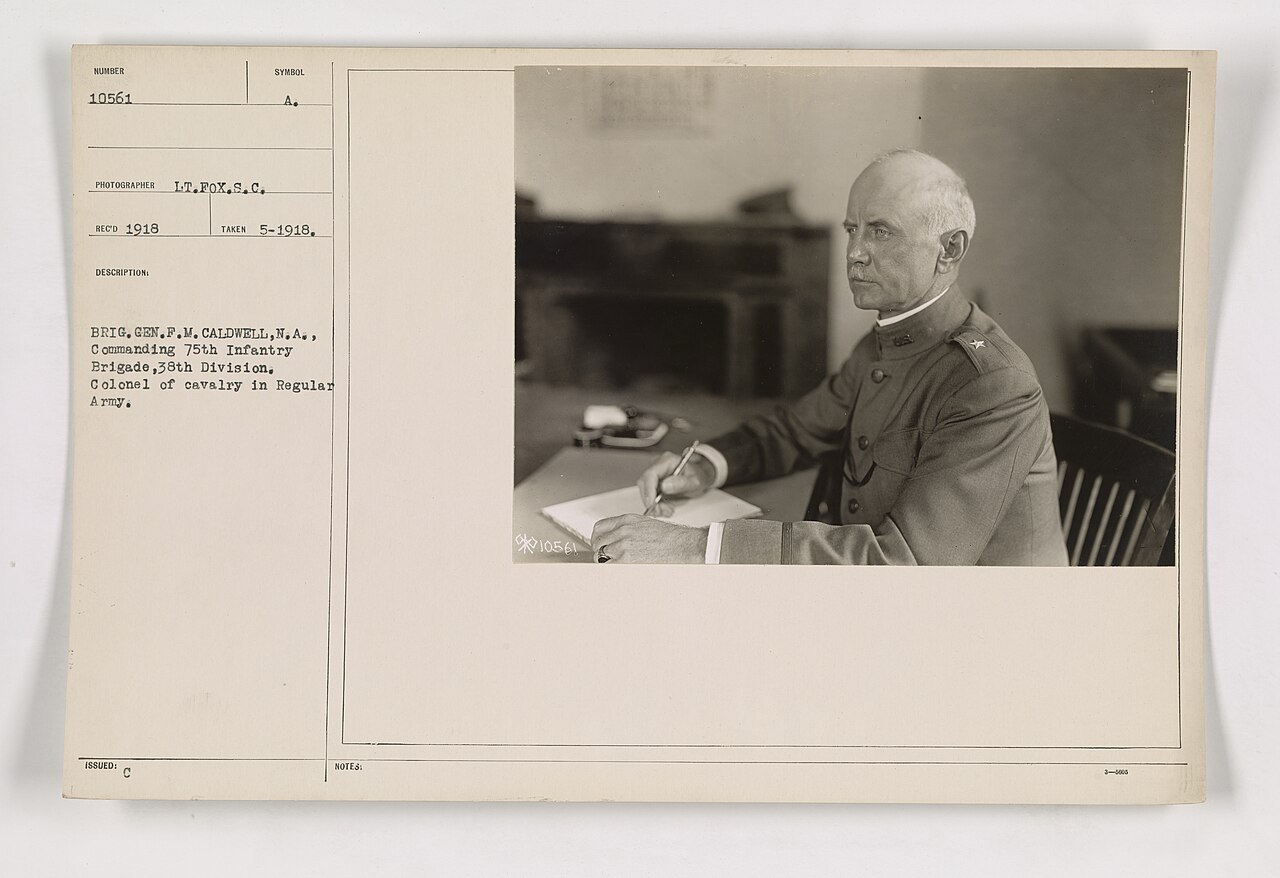
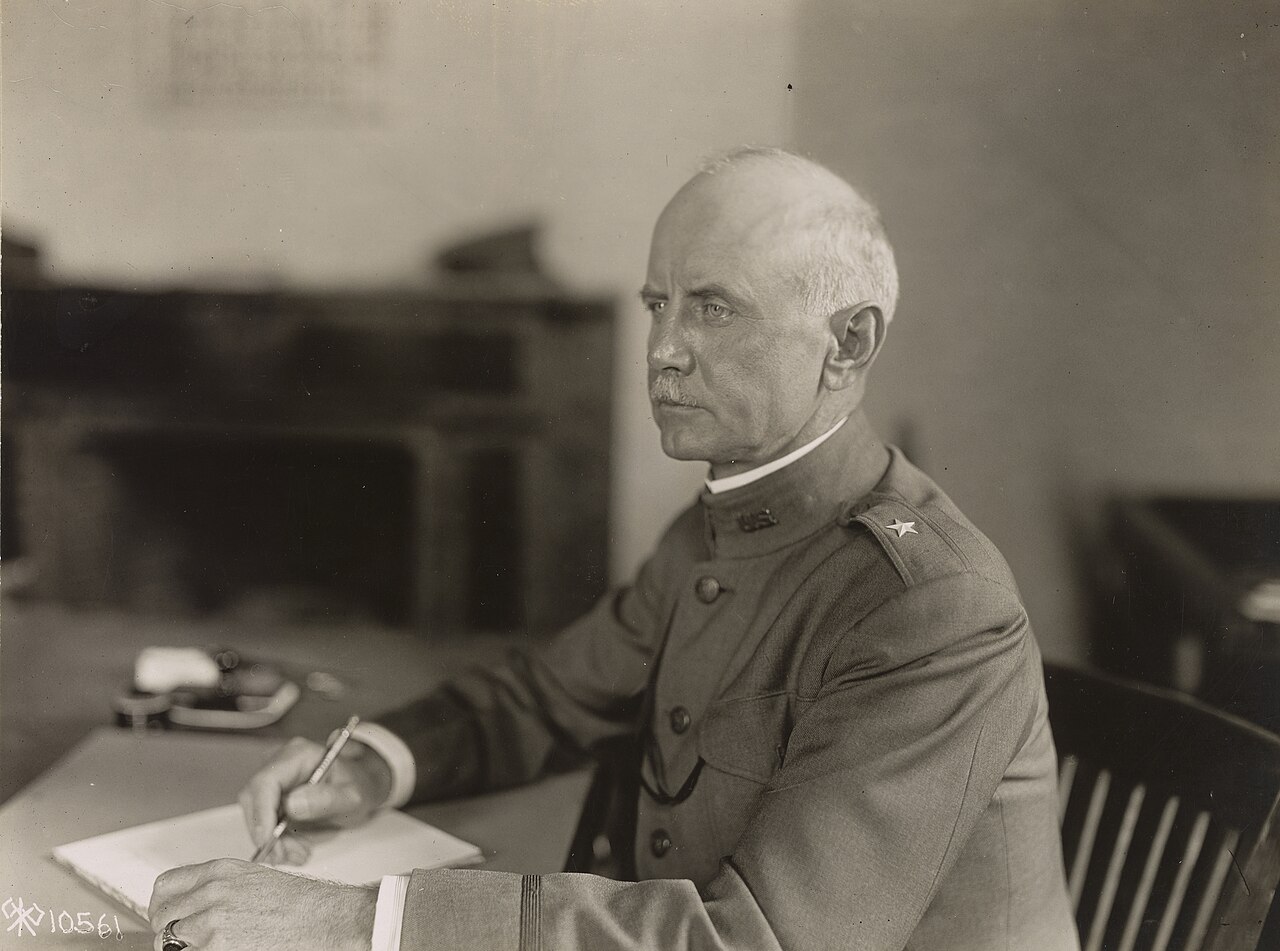
Frequently Asked Questions
Who is Frank W. Caldwell?
Frank Walker Caldwell (1889–1974) was an American engineer who devoted his career to propeller research and design. He built testing infrastructure for the U.S. Army Air Corps and later drove key propeller innovations in the private sector.
What is Frank W. Caldwell most famous for inventing?
He is best known for developing the controllable-pitch propeller and the hydromatic constant-speed propeller. His work on these systems was so impactful that Hamilton Standard Propeller Corporation received the 1933 Collier Trophy.
What major positions did Frank W. Caldwell hold during his career?
He led the Propeller Research Department at McCook Field from 1918 to 1927, then continued in that role at Wright Field until 1938. He joined Hamilton Standard in 1929 and later directed United Aircraft Corporation's Research Division from 1943 to 1955.
Why is Frank W. Caldwell important to aviation history?
His research established the testing methods and facilities that became the backbone of American propeller development. The controllable-pitch technology he helped create fundamentally changed how aircraft managed thrust across different flight conditions, making propeller performance far more efficient.
Where and when was Frank W. Caldwell born, and when did he die?
He was born in 1889 in Lookout Mountain, Tennessee, and passed away on December 23, 1974, at the age of 85.
More in Aviation inventors 1-24
Spotted an error? Know more?
Reader corrections go straight into our review queue. Suggest an edit · How this site is sourced