Camel milk
Camel milk has sustained nomadic cultures for millennia.

Camel milk comes from female camels and has been a cornerstone of nomadic and pastoral life since camels were first domesticated thousands of years ago. Herders can rely on it as their sole source of sustenance for extended periods while traveling long distances through deserts and arid landscapes, particularly across the Middle East, North Africa, and the Horn of Africa. More recently, camel dairy farming has expanded in Australia and the United States, where it is promoted as an environmentally friendly alternative to cow dairy, since camels are naturally suited to dry regions.
The nutritional makeup of camel milk differs from cow milk, but its nutrient levels vary widely depending on factors like the camel’s breed, age, climate, diet, and how the milk is collected. It can be used to make yogurt and ice cream, though turning it into butter or cheese is more challenging. In taste, camel milk is similar to cow milk.
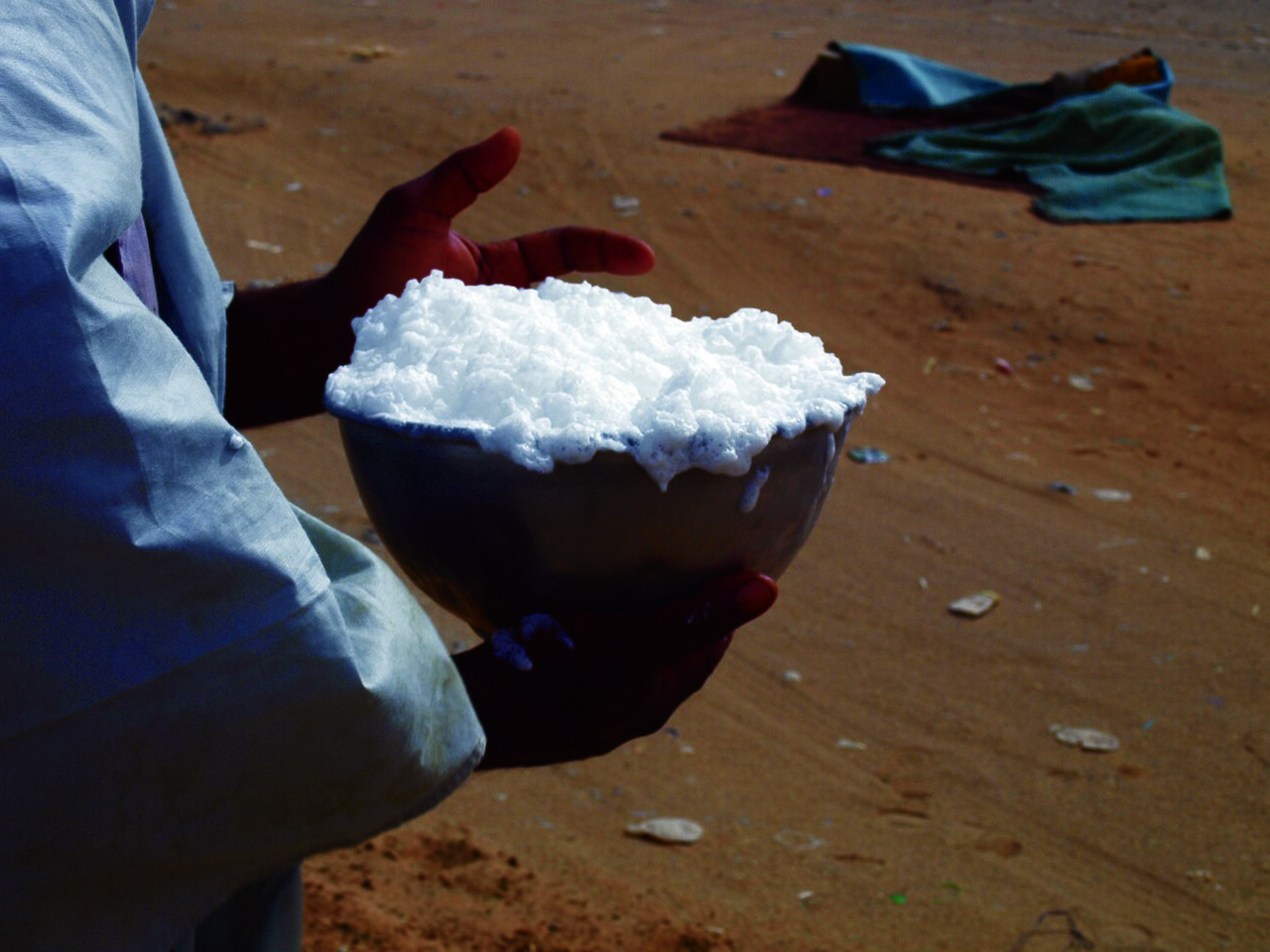
Before Islam emerged and spread, many Arab herders lived on camel milk and the products of desert oases. Today, desert nomad tribes still rely on camel milk as a staple food, often turning it into yogurt, and they can survive for up to a month consuming nothing else.
In 2017, global production of whole, fresh camel milk reached 2.85 million tonnes, with Somalia and Kenya accounting for 64% of that total. Mali and Ethiopia were also major producers.
Camels were introduced to Australia in the 1840s for exploration and trade in the harsh interior, but were later replaced by modern transport and communication. The feral camel population has since grown to over 600,000. Australia’s first camel dairies opened in 2014, and the industry has been expanding, driven by local and international demand. In 2016, the Australian government predicted a major increase in camel milk production between 2016 and 2021. Output rose from 50,000 liters in 2016 to 180,000 liters per year by 2019. One farm grew from three wild camels in 2014 to over 300 in 2019, exporting mostly to Singapore, with fresh and powdered products soon heading to Thailand and Malaysia. A liter of pasteurized camel milk sold for about A$15 in Australia in 2019—roughly 12 times the price of cow milk. By April 2020, Australia had seven camel dairies, also producing meat and skincare products, with one certified organic commercial dairy operating in 2019.
- Type
- Dairy product
- Primary source
- Female camels (dromedary and Bactrian)
- Global production (2017)
- 2.85 million tonnes
- Top producers
- Somalia and Kenya (64% of global total)
- Fat content range
- 1.1% to 6.4% (depending on factors)
- Notable uses
- Yogurt, ice cream, cheese (difficult), fermented products
Lore & Background
Before the conception and spread of Islam, many Arabs were herdsmen who lived off the milk from their camels and the produce of desert oases. Today, desert nomad tribes use camel milk, which can be readily made into yogurt, as a staple food, and can live for up to a month on nothing but camel milk.
Camel milk has different nutritional characteristics from cow milk, but the proportions of nutrients can be highly variable based on a number of factors, including type and age of camel, climate, what it eats, and milking method. It can be used to make products such as yogurt and ice cream, but is not so easily turned into butter or cheese. Camel milk tastes similar to cow's milk.
In Australia, after being introdu
Reader's Guide
Camel milk is significant as a traditional staple for nomadic and pastoral cultures in arid regions, providing a reliable food source where other dairy animals cannot thrive. Its ability to sustain herders for up to a month on milk alone highlights its nutritional density and adaptability. The global camel dairy industry has expanded beyond traditional areas, with Australia and the United States developing commercial farms as an environmentally friendly alternative to cow dairy, using a species well-adapted to arid environments. Production is dominated by Somalia and Kenya, which together accounted for 64% of the world's 2.85 million tonnes in 2017. The milk's nutritional composition varies widely due to factors such as camel type, diet, climate, and milking method, with fat content reported from 1.1% to 6.4%. While camel milk can be made into yogurt and ice cream, cheese production is difficult and often requires special techniques, such as the addition of calcium phosphate and vegetable rennet. The development of camel milk cheese like Caravane, through collaboration between a Mauritanian dairy, the FAO, and a professor, demonstrates ongoing innovation. Camel milk's role in food security in difficult environments, combined with its growing commercial potential, underscores its lasting importance.
Did You Know?
- In 2017, world production of whole, fresh camel milk was 2.85 million tonnes, led by Somalia and Kenya with 64% of the global total.
- One litre of pasteurised camel milk retailed for about A$15 in Australia in 2019, about 12 times more expensive than cow's milk.
Ancient Sustenance in Arid Lands
Camel milk has served as a lifeline for human communities long before modern agriculture took shape. In the centuries preceding the rise of Islam, Arab herdsmen depended almost entirely on the milk of their camels alongside whatever desert oases could yield. That tradition endures: nomadic tribes across the Middle East, North Africa, and the Horn of Africa still regard camel milk as a dietary cornerstone, and herders on extended grazing journeys through arid terrain have been known to subsist on nothing but this milk for as long as a month. The animal's extraordinary resilience—going up to 21 days without drinking water while still producing milk on low-quality forage—makes it uniquely suited to environments where other livestock would perish. This deep-rooted relationship between camel and herder, stretching back millennia to the domestication of the species, positions camel milk not merely as a food source but as a pillar of cultural survival in some of the harshest landscapes on Earth.
A New Wave of Camel Dairy Farming
While camel milk production has long been concentrated in East Africa—Somalia and Kenya together accounted for 64% of the world's 2.85 million tonnes of fresh camel milk in 2017—a distinctly modern chapter is unfolding in Australia and the United States. In Australia, where feral camels introduced in the 1840s for exploration now number over 600,000, the first dairies opened in 2014. Output surged from 50,000 litres in 2016 to 180,000 litres by 2019, and by April 2020 seven dairies were operating, producing not only milk but also meat and skincare products. Exports to Singapore, Thailand, and Malaysia were expanding, and a single farm scaled from three wild camels to more than 300 in just five years. In the United States, the challenge is different: with only about 5,000 imported camels as of 2014, female camels are scarce, maturing slowly and safe to breed only after age four. Their thirteen-month gestation must end in a live birth with suckling, or the mother stops producing milk entirely—a stark contrast to dairy cows, which are separated from their calves at birth and milked for six to nine months.
A Shifting Nutritional Profile
The nutritional fingerprint of camel milk is far from fixed. The U.S. Food and Drug Administration lists its fat content at 3%, yet research tells a more nuanced story. A 1982 Food and Agriculture Organization report documented fat levels ranging from 1.1% in arid zones of Israel to 5.5% in Ethiopia, and a 2015 systematic review placed dromedary milk fat between 1.2% and 6.4%. The variation is driven by a long list of variables: the type and age of the camel, local climate, forage quantity and quality, watering frequency, parity, milking frequency, whether the calf is nursing, and even whether the milk is collected by hand or machine. Australian producers highlight that their product carries lower fat and lower lactose than conventional cow's milk, and the taste, while close to bovine milk, carries a faintly saltier note. What unites all these variations is the camel's remarkable adaptability: it can go 21 days without water and still yield milk on poor-quality fodder, making it a genuinely sustainable option for food security in regions where other dairy animals simply cannot thrive.
The Cheese-Making Challenge
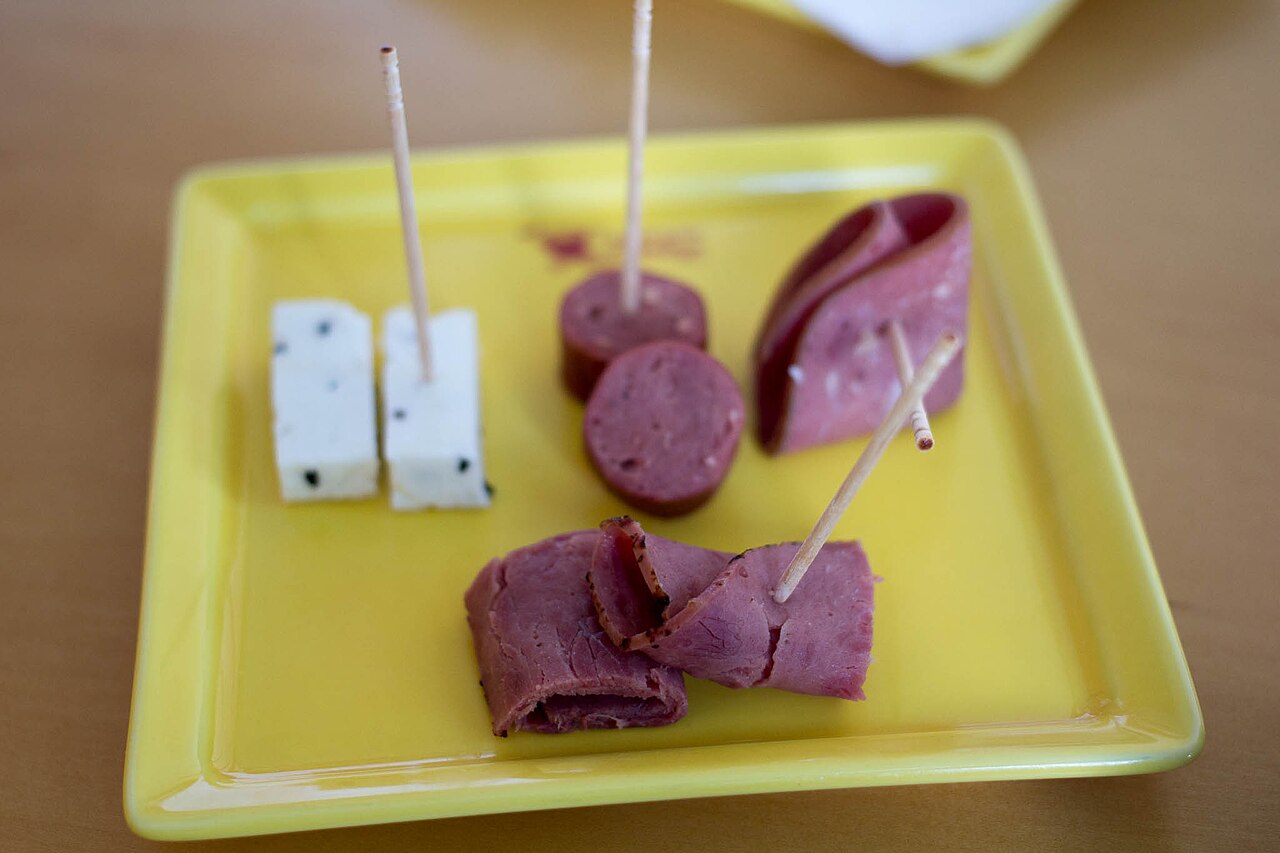
Turning camel milk into yogurt is straightforward, and the drink itself tastes much like cow's milk with a slightly saltier edge. Butter, however, demands a more elaborate process: the milk must first be soured, then churned, and a clarifying agent added before the product can form. Cheese presents an even greater hurdle. Camel milk resists coagulation, and standard bovine rennet simply fails to set it effectively. In traditional camel-herding communities, the workaround has been spontaneous or lactic fermentation to create a sour curd. The Rashaida tribe of Sudan, for instance, dries surplus curds during the rainy season, pulverises them, and reconstitutes the powder with water when the dry months arrive. In Mongolia, camel milk is consumed at various intermediate stages of the curd-making process. A more modern solution emerged in the 1990s when the FAO commissioned Professor J.P. Ramet of ENSAIA in France, who achieved reliable curdling by combining calcium phosphate with vegetable rennet. The resulting cheese—marketed as Caravane through a collaboration between Mauritanian dairy Tiviski, the FAO, and Ramet—boasts low cholesterol levels and is notably easy to digest, even for those with lactose intolerance.
Gallery

Frequently Asked Questions
What is Camel milk?
Camel milk is a dairy product drawn from female dromedary or Bactrian camels, and it has functioned as a staple food for nomadic and pastoral peoples for thousands of years. Herders across deserts and arid regions have relied on it as their sole source of nutrition during long treks.
Why is Camel milk important to Australian cuisine?
Camel dairy farming has expanded in Australia as a lower-impact alternative to traditional cow dairy, since camels are naturally adapted to the country's dry, water-scarce landscapes. This makes it a practical and environmentally friendly option for local producers.
What can you actually make with Camel milk?
It is commonly turned into yogurt, ice cream, and a range of fermented products. Cheese-making from camel milk is notably more difficult than with cow's milk, so it remains a rarer application.
How does Camel milk's fat content compare to regular cow's milk?
Camel milk's fat content spans roughly 1.1% to 6.4%, shifting depending on the animal's diet and other variables. That generally puts it in a lighter range than many standard dairy milks.
Where is most of the world's Camel milk produced?
Somalia and Kenya together supply about 64% of the global total, which stood at 2.85 million tonnes in 2017. East Africa therefore remains the dominant region for camel dairy output.
More in Australian cuisine 1-24
Spotted an error? Know more?
Reader corrections go straight into our review queue. Suggest an edit · How this site is sourced