
Camel meat
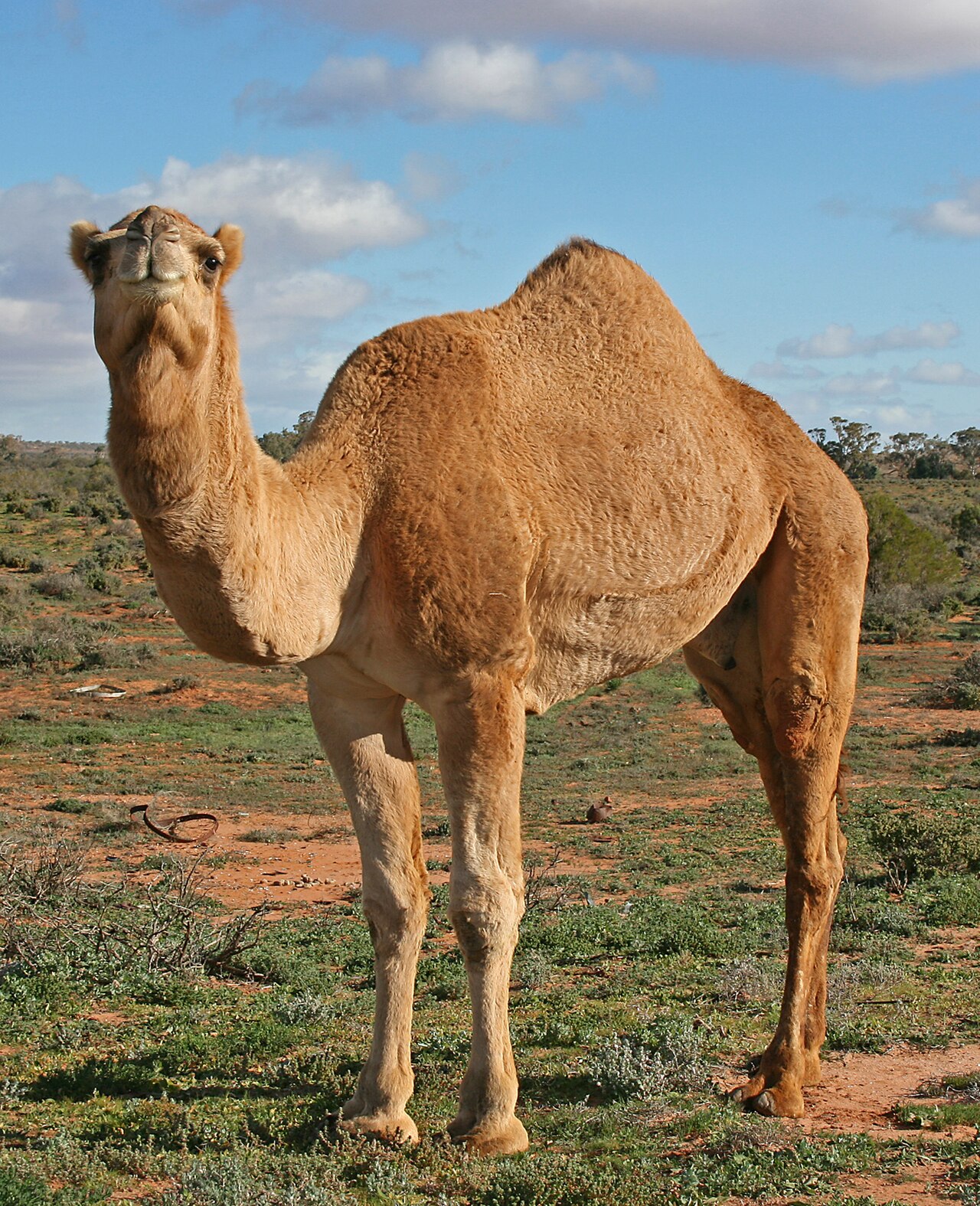
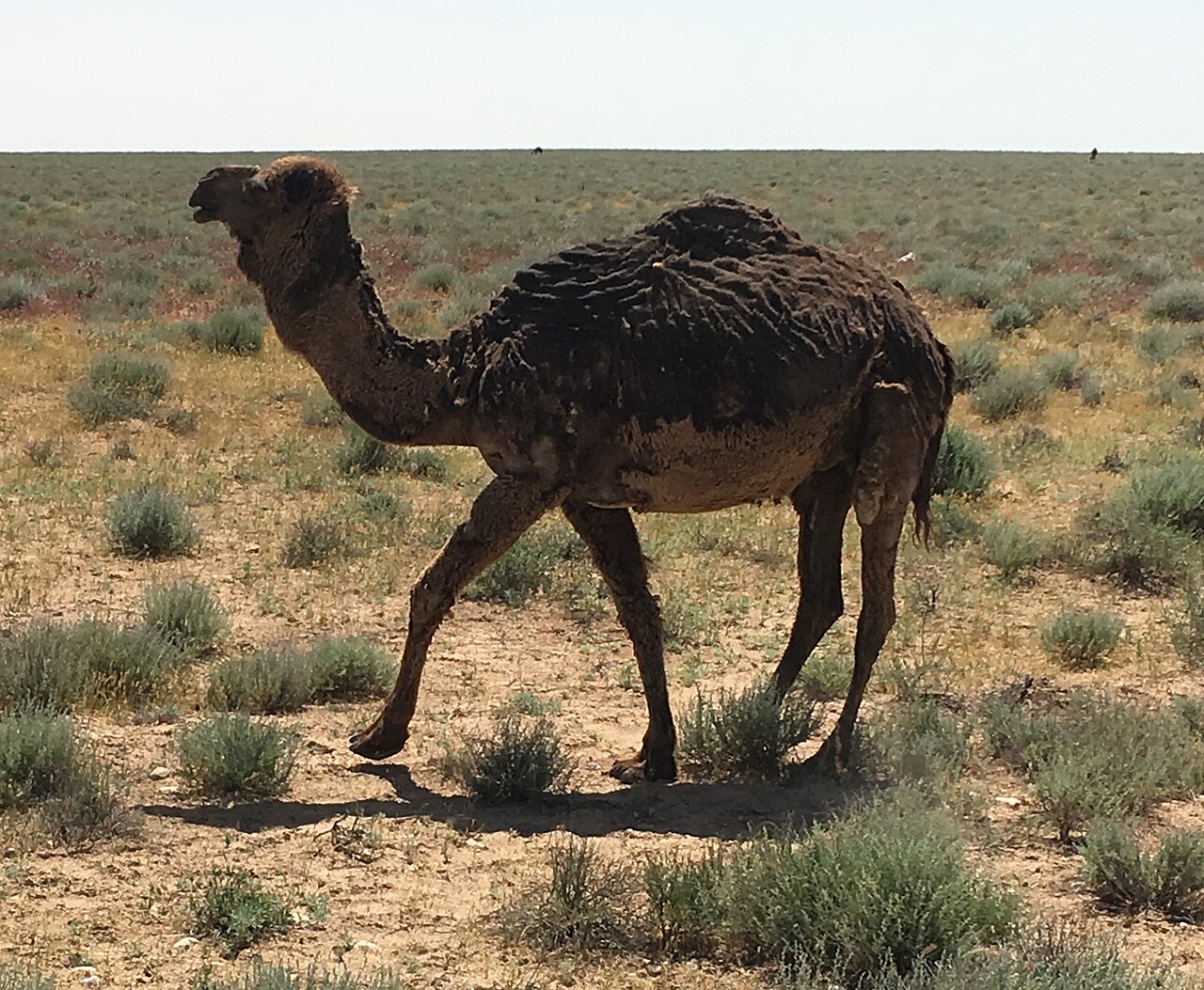
Camel meat comes from domesticated camels, a vital desert livestock.

Jjron · CC BY-SA 3.0
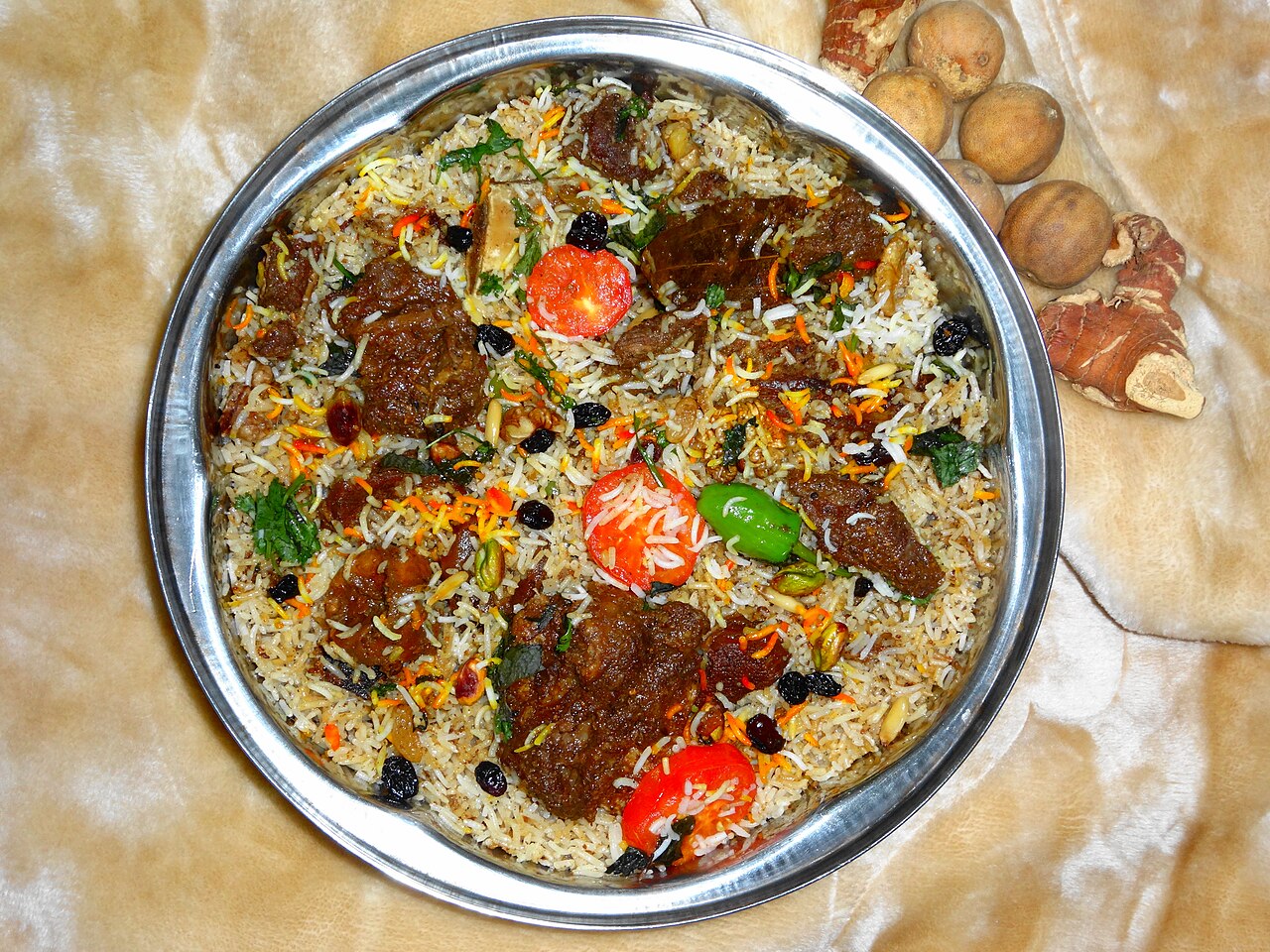
Camel meat is a food product obtained from camels, which are even-toed ungulates in the genus Camelus. Camels have long been domesticated and, as livestock, provide meat as one of their primary products. Camel meat is consumed in regions where camels are raised, particularly in desert habitats where the animals are a vital means of transport and a source of food.
- Source
- Camel (genus Camelus)
- Species used
- Dromedary, Bactrian, and wild Bactrian camels
- Primary producers
- Domesticated camels
- Related products
- Camel milk, camel hair fiber and felt
- Notable trait
- Camels can lose up to 30% of body mass due to dehydration and still be viable for meat production
Lore & Background
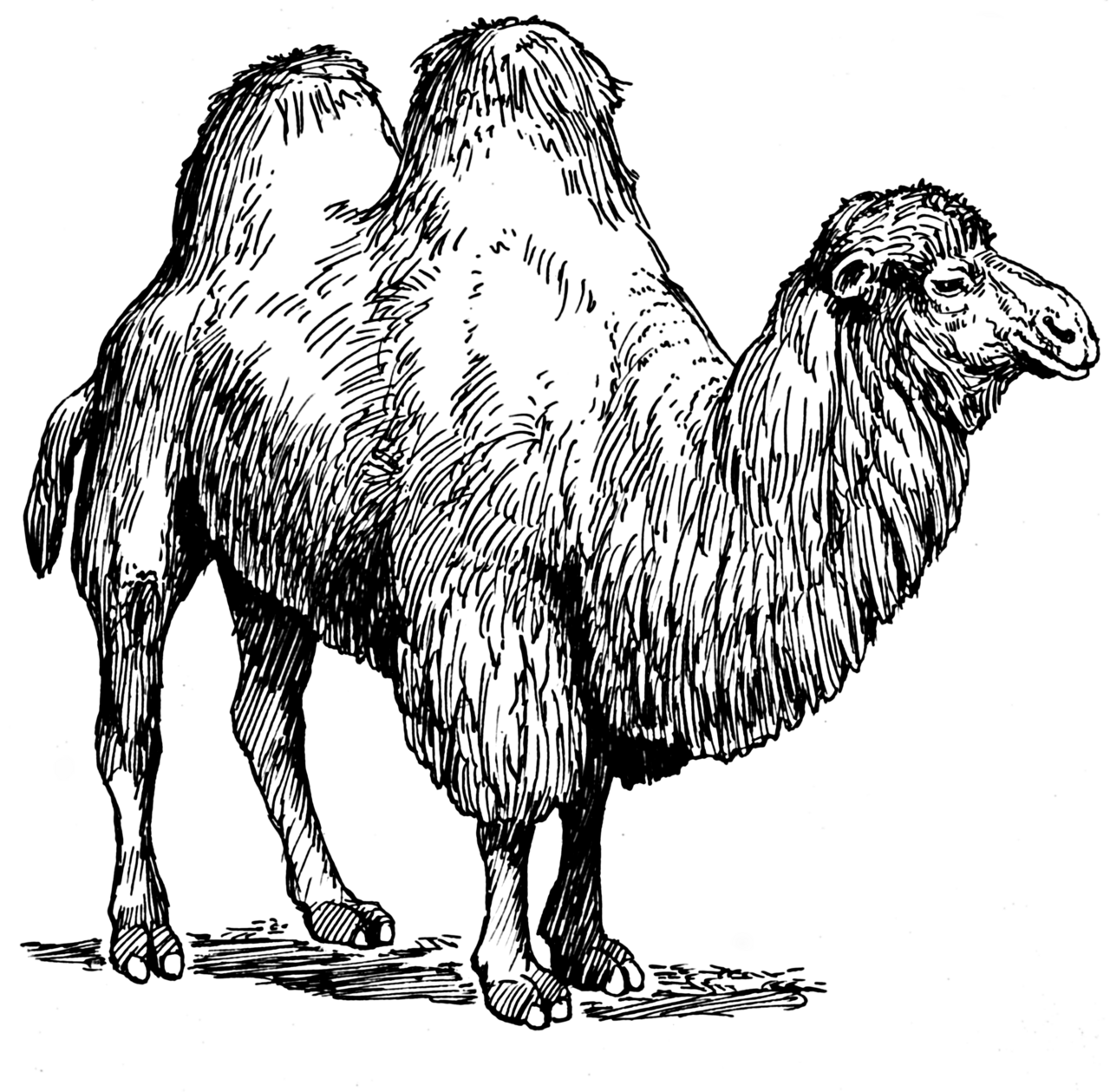
Camels have been domesticated for millennia and serve as livestock, providing meat alongside milk and textiles. The three surviving camel species are the one-humped dromedary, which makes up 94% of the world's camel population, the two-humped Bactrian camel at 6%, and the endangered wild Bactrian camel, which is not ancestral to the domestic Bactrian. Camel meat is derived primarily from these domesticated animals, which are adapted to harsh desert conditions.
Camels are working animals suited to their desert habitat, and their meat is a byproduct of their role as transport and cargo animals. The animals can withstand extreme dehydration, losing up to 30% of body mass, and can drink up to 140 liters at once, with water stored in the bloodstream rather than the humps. Their physiological adaptations, such as oval red blood cells and efficient kidneys, allow them to thrive in arid environments where other livestock would perish.
Camel meat is part of the broader use of camels as livestock. The animals also provide camel milk and textiles like fiber and felt from camel hair. The hybrid camel, a cross between Bactrian and dromedary, can carry more weight than either parent species, further contributing to their utility in desert regions.
Reader's Guide
Camel meat is significant as a food source in arid and desert regions where camels are a primary livestock animal. The article notes that camels provide food (camel milk and meat) and textiles, highlighting their role in subsistence and trade. The meat comes from domesticated camels, which are well-adapted to harsh environments, making them a reliable protein source where other livestock struggle. The dromedary, comprising 94% of the world's camel population, is the most common source. Camels' ability to withstand dehydration and high temperatures ensures meat production even in extreme conditions. The legacy of camel meat is tied to the domestication of camels, which has enabled human habitation and travel across deserts for centuries. While the article does not detail preparation or nutritional content, it establishes camels as vital livestock, and their meat as a key product. The endangered wild Bactrian camel is not used for meat, as it is a distinct species with a declining population. Overall, camel meat represents a sustainable food source in challenging climates, supported by the animal's unique biological adaptations.
Did You Know?
- Camels provide meat as one of their primary products, along with milk and textiles.
- The dromedary camel makes up 94% of the world's camel population and is a common source of meat.
- Camels can lose up to 30% of their body mass due to dehydration and still survive, making them resilient livestock for meat production.
- Camel meat comes from domesticated camels, not the endangered wild Bactrian camel.
Livestock and Food Provision
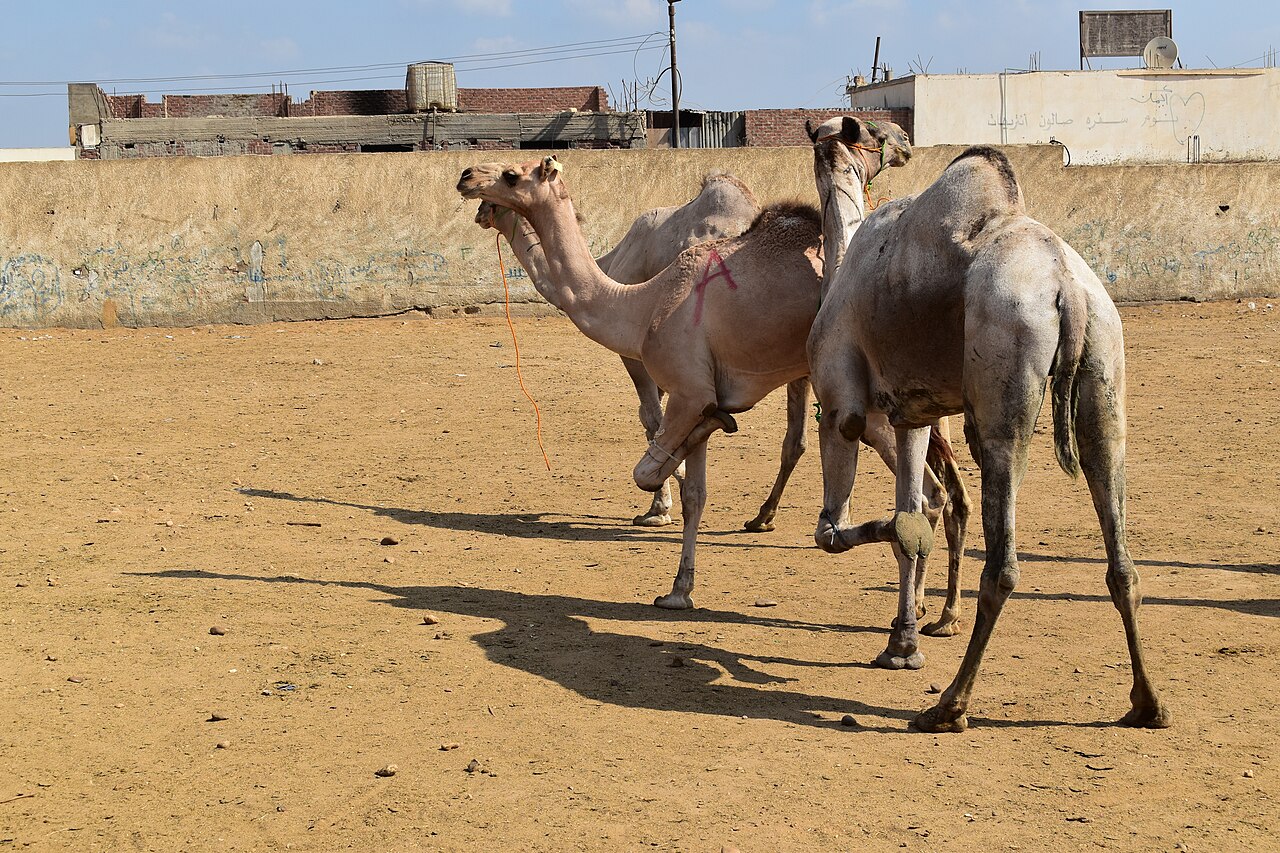
Camels have been domesticated for a very long time, serving as a cornerstone of livestock in arid regions. As working animals particularly well-suited to desert environments, they fulfill multiple roles: transporting passengers and cargo, producing textiles from their hair fiber and felt, and providing food in the form of both milk and meat. This multi-purpose utility has cemented their importance across communities that depend on them. The dromedary, the one-humped species, accounts for 94% of the global camel population, making it the primary source of camel-derived products including meat. The two-humped Bactrian camel, representing the remaining 6%, also contributes to this food supply. As even-toed ungulates in the genus Camelus, camels occupy a distinct ecological and agricultural niche that has sustained human communities for generations. Their role as a source of meat is inseparable from their broader function as hardy, versatile animals thriving where other livestock would struggle.
Species and Population Landscape
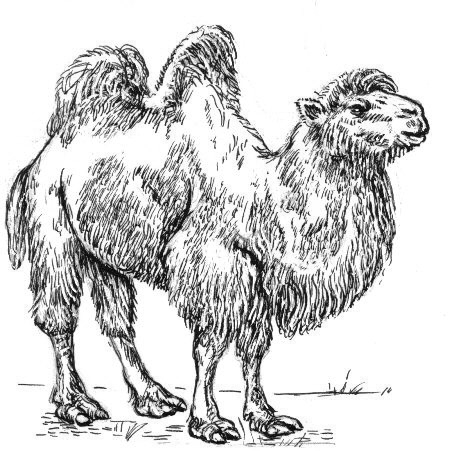
The global camel population is divided among three extant species, each with distinct characteristics relevant to their use as food animals. The dromedary, bearing a single hump of fatty tissue, dominates with 94% of all camels worldwide. The domestic Bactrian camel, identifiable by its two humps, comprises the remaining 6%. A third species, the wild Bactrian camel, is taxonomically separate from its domestic counterpart and is not its ancestor. This wild form is now endangered, with approximately 1,000 individuals remaining and a continuing population decline. For those considering camel meat as a food source, the overwhelming majority of available animals will be dromedaries, with Bactrian camels representing a smaller but still significant portion. The endangered status of the wild Bactrian camel underscores the importance of distinguishing between domestic livestock and wild populations, ensuring that food production does not further threaten already vulnerable species.
Physical Profile and Biological Characteristics
Understanding the animal behind the meat requires attention to its physical dimensions and biological makeup. A full-grown dromedary stands approximately 1.85 meters at the shoulder and reaches 2.15 meters at the hump, while Bactrian camels can stand a full foot taller. In terms of mass, dromedaries range from 300 to 600 kilograms, whereas Bactrians span a broader range of 300 to 1,000 kilograms. These substantial body sizes reflect their role as large livestock. Camels typically live between 40 and 50 years, a longevity that influences how they are managed as working and food-producing animals. Biologically, they are even-toed ungulates with distinctive fatty deposits on their backs. They possess three-chambered stomachs and engage in rumination, a digestive process they share with ruminants despite not belonging to that sub-order. Their oval-shaped red blood cells, unlike the circular cells of most other mammals, are a unique physiological trait supporting their extraordinary tolerance to dehydration.
Desert Ecology and the Broader Camelid Family
Camels are animals of the desert, and their physiology reflects millions of years of adaptation to arid conditions. Their thick coats insulate against intense ground heat, their long legs elevate the body above sand that can reach 70 degrees Celsius, and their widened toes provide grip on shifting sediments. They can endure losing up to 30% of body mass to dehydration, drink up to 140 liters in a single session, and tolerate body temperature swings from 34 to 40 degrees Celsius. These traits make them uniquely suited to environments where other livestock would perish, which is precisely why they became the primary food and transport animals of desert civilizations. Beyond the three true camel species, the broader family Camelidae includes six New World species—the llama, alpaca, guanaco, and vicuña—belonging to the separate tribe Lamini. All camelids trace their origins to North America during the Eocene, with the ancestor of modern camels crossing the Bering land bridge into Asia roughly six million years ago during the late Miocene.
Gallery
Frequently Asked Questions
What exactly is camel meat in the Australian cuisine context?
It is the edible flesh harvested from domesticated camels (genus Camelus), an even-toed ungulate that has served as desert livestock for centuries. In Australia it is treated as a niche outback protein rather than a mainstream supermarket cut.
Which camel species actually end up on the plate?
Dromedary, Bactrian, and wild Bactrian camels are all viable sources, though domesticated dromedaries are the most common in Australian outback operations. The meat is typically processed alongside other camel-derived goods like milk and hair fiber.
What makes camel meat unusual compared to beef or lamb?
A standout trait is that a camel can shed up to 30 percent of its body mass through dehydration and still remain a viable candidate for meat production. This means the animal's hydration state at slaughter can noticeably affect the texture and yield of the cut.
Where in Australia is camel meat most commonly eaten?
It is a staple in arid and semi-arid outback regions where camels have long been kept as transport animals and a food source. Urban Sydney or Melbourne diners rarely encounter it, so it remains a distinctly regional specialty.
Why do fans of Australian outback food consider camel meat important?
It represents a centuries-old desert-livestock tradition that ties directly to the practical economy of arid landscapes. For many outback communities, the camel is both a working animal and a primary protein, making the meat a culturally embedded part of local food identity.
More in Australian cuisine 1-24
Spotted an error? Know more?
Reader corrections go straight into our review queue. Suggest an edit · How this site is sourced