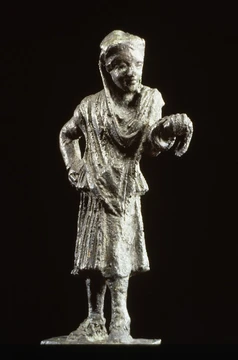
Chorus of the elderly in classical Greek drama
Elderly choruses in Greek drama often embody outdated, ineffectual tradition.

The chorus of the elderly is a recurring element in classical Greek drama, appearing in a number of the roughly thirty extant plays from the classical period. These choruses often embody traditional or outdated ways of thinking and are frequently portrayed as ineffectual, providing moralizing lessons that fail to influence the main action.
- Field
- Classical Greek drama
- Known for
- Appearing in several extant plays; representing outdated social mores; often ineffectual in plot
Lore & Background
In tragedy, the chorus of the elderly is used as an exemplar of old social mores and is often ineffectual at admonishing main actors or interfering with the main plot. Sophocles in Oedipus at Colonus uses the chorus to relate to the ageing protagonist, providing sympathy and empathy, though it is Theseus who ultimately thwarts physical threats. Similar outcomes occur in other plays, including Agamemnon. Falkner notes that in tragedy the elderly are presented as preoccupied with the prospect of doom and often appear as mourners.
Reader's Guide
The chorus of the elderly in classical Greek drama serves as a significant narrative device, highlighting the tension between traditional values and changing times. In tragedy, these choruses often provide moralizing lessons but are depicted as ineffectual, unable to alter the course of events. Their presence underscores themes of mortality and the limitations of age, as seen in plays like Oedipus at Colonus and Agamemnon. In comedy, Aristophanes uses elderly choruses for both comedic effect and political commentary, as in The Wasps, where they serve as a counterfoil to younger, cosmopolitan Athenians. Over time, as Greek drama evolved from the early stages with Aeschylus, the chorus became more integrated with onstage action, acting as a messenger between the audience and the actors. The elderly chorus thus reflects broader cultural attitudes toward aging and tradition, offering a lens through which to examine societal change and the persistence of outdated norms.
Did You Know?
- Out of roughly thirty extant classical Greek plays, several have choruses consisting of elderly people.
- Aristophanes uses the chorus of the elderly in The Wasps as both a comedic role and a political counterfoil to the young.
Frequently Asked Questions
What is the Chorus of the elderly in classical Greek drama?
It is a recurring ensemble of older characters found across many surviving classical plays, typically voicing established social norms and conventional wisdom. Rather than advancing the plot, they function as a collective voice of tradition that often clashes with the younger protagonists' actions.
What role do elderly choruses actually play in the plays?
They deliver moralizing commentary rooted in older customs, yet their advice almost never alters the outcome of the main action. Their consistent ineffectuality is a deliberate dramatic device that underscores the tension between rigid tradition and the changing world the protagonists inhabit.
In how many surviving Greek plays does the elderly chorus appear?
This chorus type shows up in a number of the roughly thirty extant classical Greek plays, making it one of the more recognizable recurring ensemble configurations of the period. It is not limited to a single playwright or genre but recurs across both tragedy and comedy.
Why do playwrights consistently portray the elderly chorus as powerless?
The dramatic purpose is to dramatize the limits of outdated social mores when confronted with new moral or political circumstances. Their failed attempts to steer events highlight the playwright's critique of a tradition that can no longer compete with the forces driving the story.
How does the Chorus of the elderly differ from other chorus types in Greek drama?
While many choruses can act as agents of change or even catalysts for the plot, the elderly chorus is specifically bound to the theme of obsolescence and is consistently written as unable to influence outcomes. Its defining trait is the stark gap between its moral authority and its actual impact on the action.
More in Ancient Greek theatre 1-24
Spotted an error? Know more?
Reader corrections go straight into our review queue. Suggest an edit · How this site is sourced