Anaximenes of Miletus
Pre-Socratic philosopher who held air as the fundamental substance.
Last updated

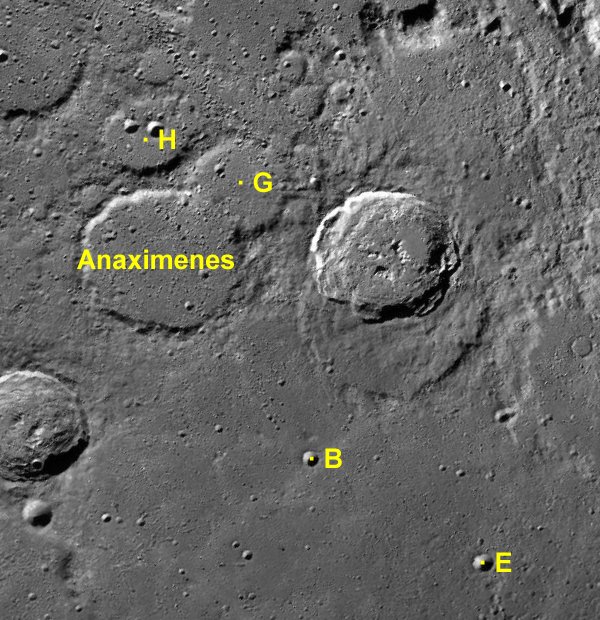
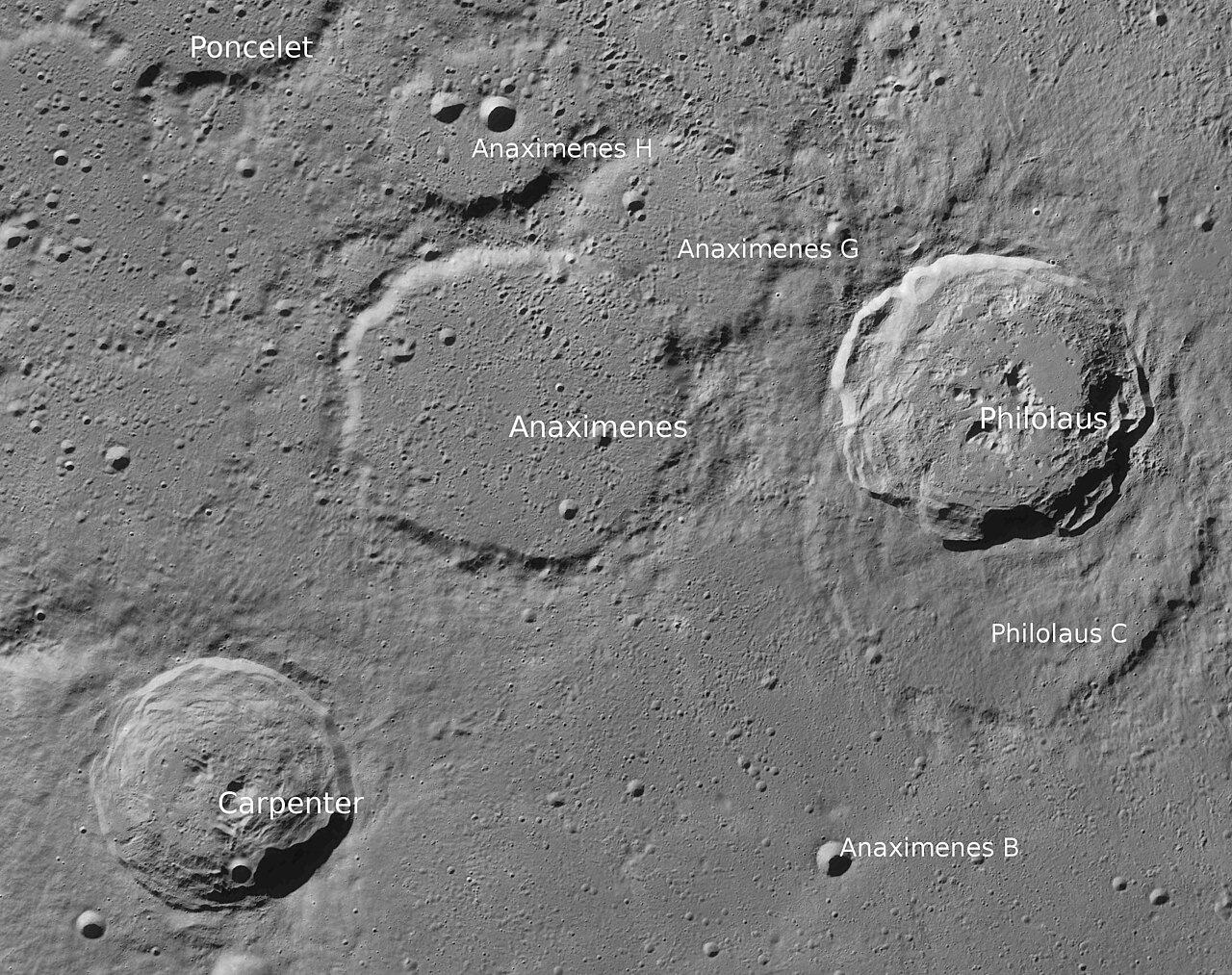
NASA / LRO_LROC_TEAM · Public domain
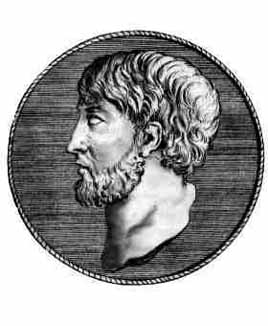
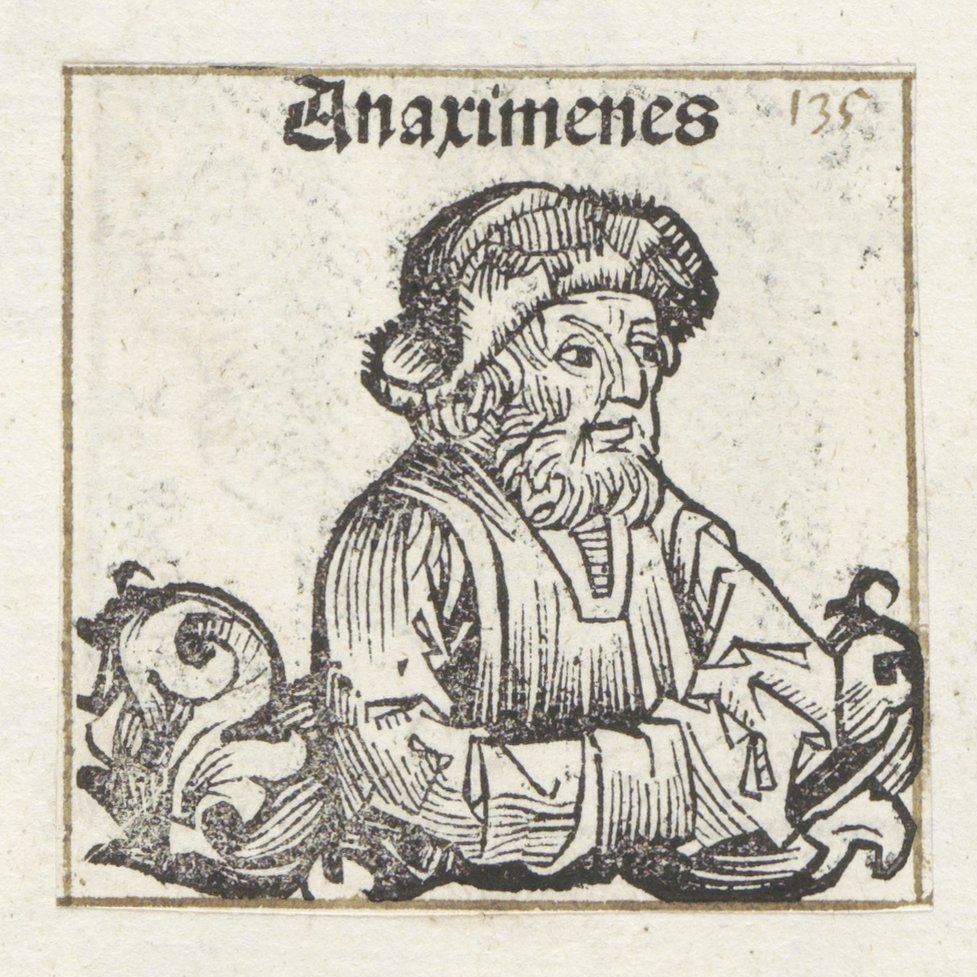
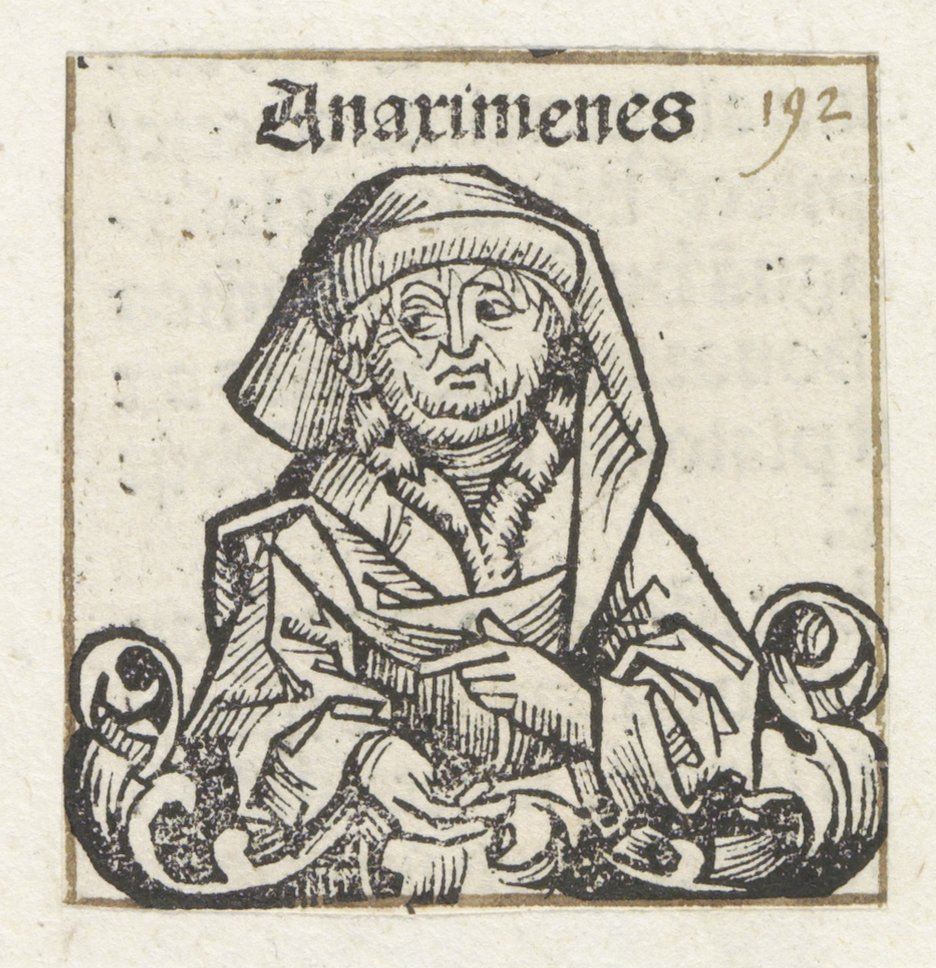
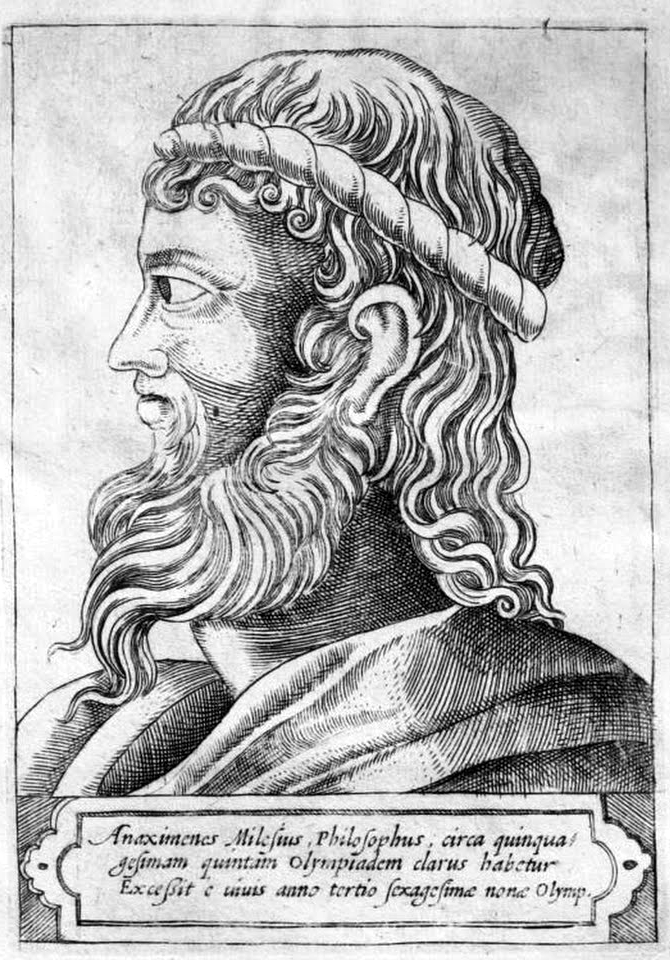
Anaximenes of Miletus, a pre-Socratic Greek philosopher born around 586/585 BC in what is now Turkey, was the third and final thinker of the Milesian School, following Thales and Anaximander. These three are considered the first philosophers of the Western world. Very little is known about Anaximenes’s life and writings because none of his original works survive; what we know comes from later authors like Aristotle and Theophrastus. He is best known for arguing that air is the arche—the fundamental substance from which everything else arises.
Like the other Milesians, he was a monist, believing in a single source for all things: Thales chose water, Anaximander chose the apeiron (an undefined infinite), and Anaximenes chose air. It is generally thought that Anaximenes was a student of Anaximander, and their ideas share many similarities. While Anaximenes was the most prominent Milesian philosopher in ancient Greece, he is often considered less important than the other two in modern times. Anaximenes believed that air could transform into other substances through two processes: condensation and rarefaction.
Condensation makes air denser, turning it into wind, clouds, water, earth, and finally stone. Rarefaction makes air less dense, eventually becoming fire. He also proposed a model of the Earth as a flat disc floating on air, with the Sun and stars also flat and floating alongside it. He thought the Sun revolved around the Earth, disappearing at night because higher land blocks it.
Subsequent interpretation
As a Milesian, Anaximenes was an early figure in the development of science, influencing later pre-Socratic philosophers such as Heraclitus, Anaxagoras, Diogenes of Apollonia, and Xenophanes. His work also provided early examples of natural science, physical change, and scientific writing. Anaximenes was born around 586/585 BC. What we know of his life comes mainly from Aristotle and Theophrastus.
Biography
According to Theophrastus, he was the son of Eurystratus, an associate of Anaximander, and lived in Miletus. He is recorded as becoming Anaximander’s student. He likely also studied Homeric epics, Greek mythology, and Orphism, which may have shaped his ideas about the classical elements. It is probable that he and the other Milesian philosophers were wealthy, allowing them to devote time to philosophy.
Anaximander, his apparent teacher, had proposed that the apeiron—an undefined, boundless infinity—was the origin of all things. Along with Thales, these three were the first of the Ionian School and are regarded as the earliest thinkers to develop theories about the material origin of the world without invoking gods. According to Diogenes Laertius, Anaximenes lived from about 585 to 524 BC.
He is known to have written only one full text, possibly a response to Anaximander’s On Nature, which Theophrastus described as having a “simple and economical Ionic style.” He died around 526/525 BC. What we know of Anaximenes’s philosophy comes from later writers, especially Aristotle and Theophrastus. Each Milesian philosopher was a material monist seeking the arche—the single underlying basis of all things. This is usually understood as a substance, though some scholars argue this may impose later Aristotelian ideas on earlier thought.
Air as the arche
Anaximenes claimed the arche is air. He listed basic elements as manifestations of air, from least to most dense: fire, air, wind, clouds, water, earth, and stones. Philosophers think he based this on observable phenomena like the water cycle, using rarefaction and condensation to explain how each substance forms. Rarefaction is often compared to felting.
Temperature was central to his system: he believed expanded air is thinner and hotter, while compressed air is thicker and colder—the opposite of modern science. He derived this from noticing that breath is warm when the mouth is wide and cold when lips compress the air. Anaximenes applied his concept of air as the arche to other questions. He believed in the natural world (physis) rather than the divine (theo).
He considered air divine in a sense but did not personify it or link it to gods. He presented air as the first cause that drives living systems, with no indication that air itself was caused by anything. He also compared the soul to air, describing it as driven by breath and guiding human actions. This connects the soul to the physical world, suggesting that the soul is a part of the same substance that forms all things.
Last updated 2026-09-28 from the source article.
Lore & Background
Little is known of Anaximenes's life and work, as all of his original texts are lost. Surviving information comes primarily from later writers, especially Aristotle and Theophrastus.
According to Theophrastus, Anaximenes was the son of Eurystratus, an associate of Anaximander, and lived in Miletus. He was a student of Anaximander and likely also taught Homeric epics, Greek mythology, and Orphism. He is only known to have written one full text, possibly a response to Anaximander's On Nature, described as having a 'simple and economical Ionic style'.
Reader's Guide
Anaximenes is significant as the last of the three Milesian philosophers, who are regarded as the first philosophers of the Western world. His central contribution was the concept of air as the arche, from which all things arise through rarefaction and condensation. He developed an early model of the Earth as a flat disc floating on air, with the Sun and stars also flat and floating. He influenced many later Pre-Socratic philosophers, including Heraclitus, Anaxagoras, Diogenes of Apollonia, and Xenophanes.
His work provided early examples of natural science, physical change, and scientific writing. Though often given lower importance than Thales and Anaximander in modern times, he was the preeminent Milesian philosopher in Ancient Greece. His ideas on temperature and density, while incorrect by modern science, represent an early attempt to connect observable phenomena to underlying principles.
Frequently Asked Questions
What is Anaximenes of Miletus's central philosophical claim?
He argued that air is the arche, the single underlying substance from which everything in the cosmos originates. All other elements and living things, in his view, derive from transformations of this one fundamental stuff.
How does Anaximenes of Miletus explain the diversity of the natural world?
He proposed a mechanism of rarefaction and condensation: when air thins it becomes fire, and as it thickens it passes successively through wind, cloud, water, earth, and stone. This single process accounts for every material change he could observe.
More in Ancient And Medieval Historians And Philosophers
Sources
Compiled from Wikipedia and the sources listed below. Text from Wikipedia is available under CC BY-SA 4.0; this entry is adapted from it.
- Wikipedia: Anaximenes of Miletus (CC BY-SA 4.0).
Spotted an error? Know more?
Reader corrections go straight into our review queue. Suggest an edit · How this site is sourced