Dong Zhongshu
Han dynasty philosopher who promoted Confucianism as state ideology.
Last updated

via Wikipedia: Laozi · see source
Dong Zhongshu (179–104 BC) was a Han dynasty philosopher, politician, and writer from what is now Hengshui, Hebei. He is best known for pushing Confucianism to become the state ideology of imperial China, shifting emphasis toward heaven worship and away from older cults centered on the five elements. In his later years, he wielded considerable influence at court, but his rival Gongsun Hong managed to sideline him by sending him to the Chancellery of Weifang. From that post, his ideas continued to spread.
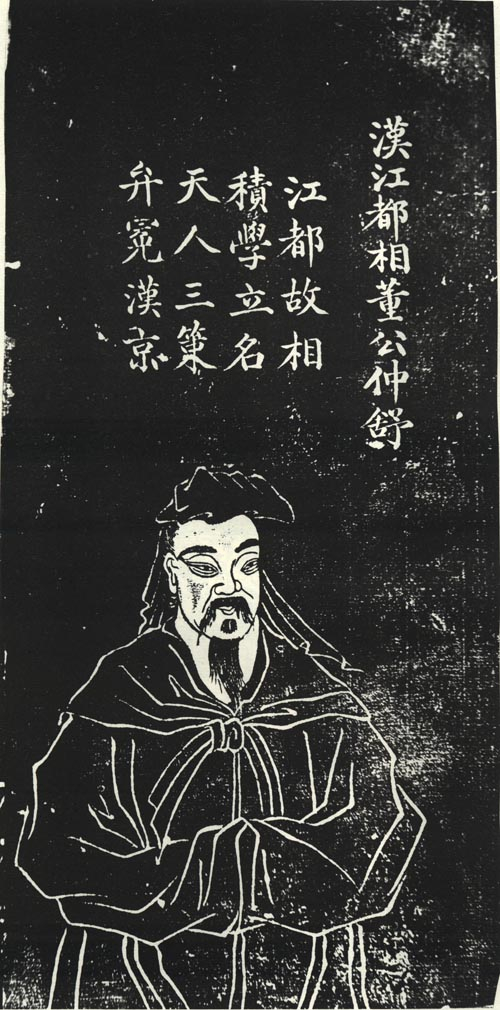
Born in 179 BC in Wencheng Township (in present-day Jing Country), he is sometimes called Lord Dong of Wencheng in the Luxuriant Dew of the Spring and Autumn Annals. He entered government service under Emperor Jing and rose to high office under Emperor Wu, though his relationship with the emperor was tense. At one point, he was imprisoned and nearly executed for writings seen as seditious—texts that may have cosmologically predicted the Han dynasty’s fall and replacement by a Confucian sage, a theme later used to justify Wang Mang’s rise. He seems to have been protected by Gongsun Hong.
Dong’s thought wove Yin Yang cosmology into a Confucian ethical framework. He stressed the Spring and Autumn Annals as a source for political and metaphysical ideas, following the Gongyang Commentary’s method of finding hidden meanings. He is credited with the doctrine of Interactions Between Heaven and Mankind, which set rules for a monarch’s legitimacy and provided checks on royal power. He also proposed the idea of “three heritages,” where a new king preserves the legacy of two earlier kings to maintain continuity.
Two works are attributed to him. One is the Ju Xianliang Duice in three chapters, preserved in the Book of Han. The more significant is the Luxuriant Dew of the Spring and Autumn Annals, a commentary on the Confucian Spring and Autumn Annals.
This text shows signs of multiple authorship, and scholars from Zhu Xi to Tanaka Masami have questioned whether Dong wrote it himself. Modern scholars reject as later additions all passages discussing five elements theory, and much of the rest is suspect. It is best seen as a collection of loosely related chapters, mostly tied to the Gongyang Commentary school, written by various people across the Han dynasty.
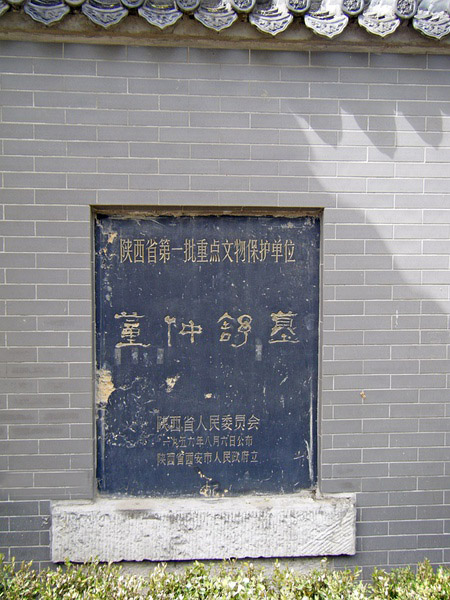
Other key sources for Dong’s life and thought include his fu The Scholar’s Frustration, his biography in the Book of Han, his Yin Yang and stimulus-response theories noted in the Book of Han’s “Treatise on the Five Elements,” and fragments of his legal discussions. His ideas on “original qi” (yuanqi), the five elements, and historical cycles were later adapted by the late Qing reformer Kang Youwei to support his theories of progress through political reform, though how accurately Kang understood Dong’s thought remains debated.
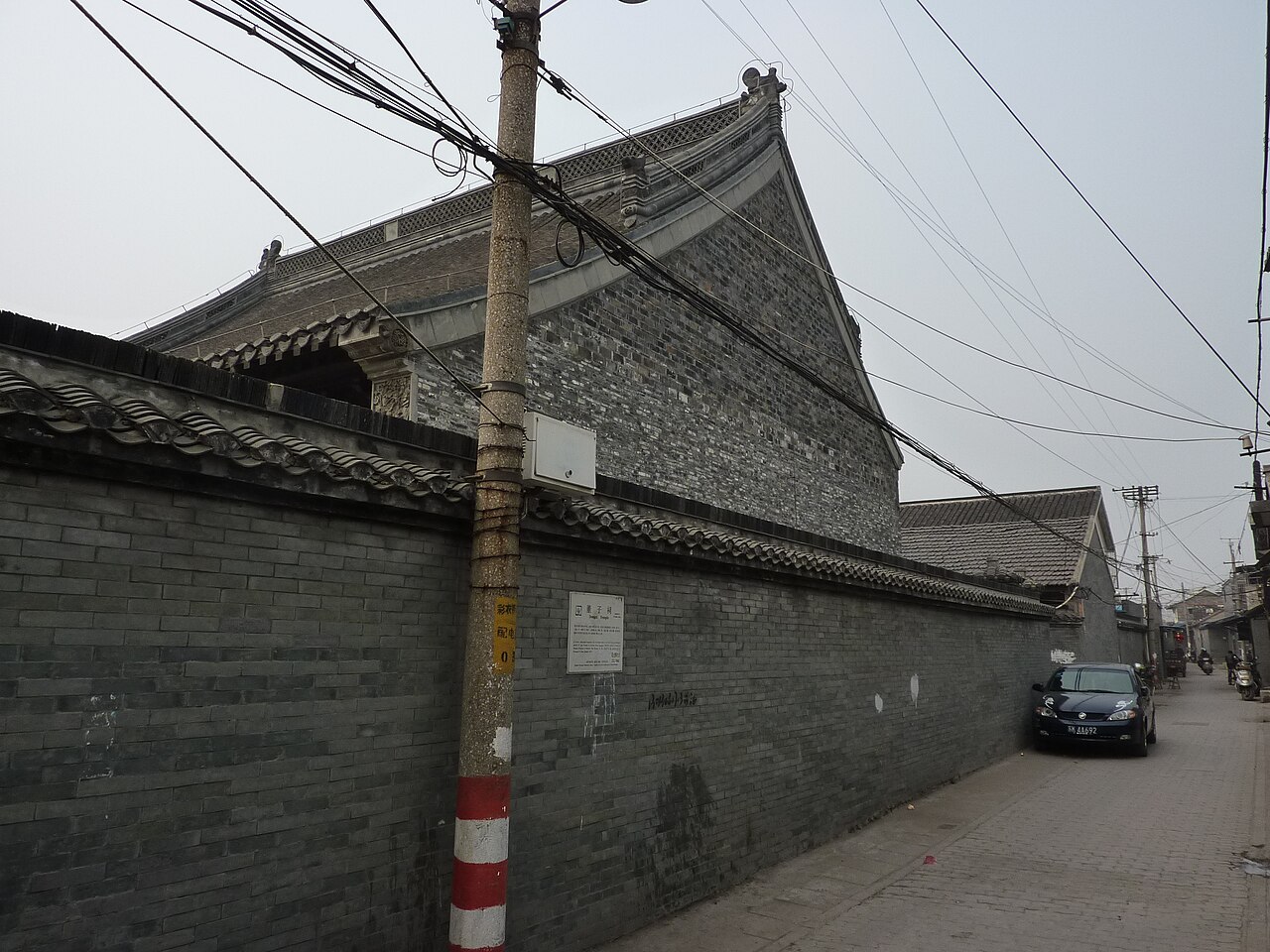
Lore & Background
At one point he was thrown into prison and nearly executed for writings considered seditious, which may have cosmologically predicted the overthrow of the Han dynasty and its replacement by a Confucian sage.
Reader's Guide
Dong Zhongshu's significance lies in his role in elevating Confucianism to the official ideology of the Chinese imperial state, a shift that shaped Chinese governance for centuries. He is considered the originator of the doctrine of Interactions Between Heaven and Mankind, which provided rules for monarchical legitimacy and checks on royal power. His concept of 'three heritages' held that a new king must preserve the heritage of two earlier kings to maintain continuity.
More in Ancient And Medieval Historians And Philosophers
Sources
Compiled from Wikipedia and the sources listed below. Text from Wikipedia is available under CC BY-SA 4.0; this entry is adapted from it.
- Wikipedia: Dong Zhongshu (CC BY-SA 4.0).
Spotted an error? Know more?
Reader corrections go straight into our review queue. Suggest an edit · How this site is sourced