Anna Komnene
Byzantine princess and historian who wrote the Alexiad.
Last updated

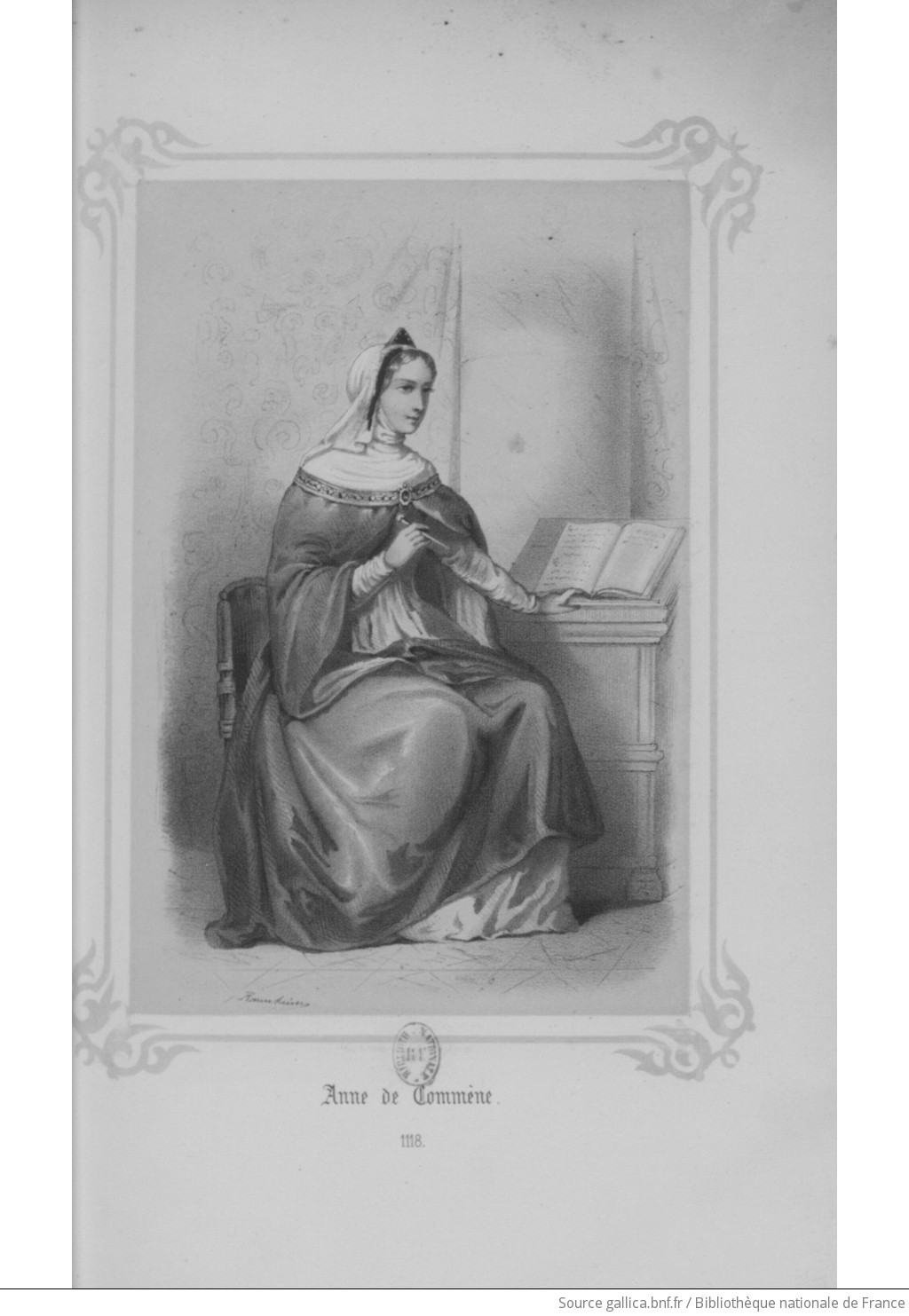
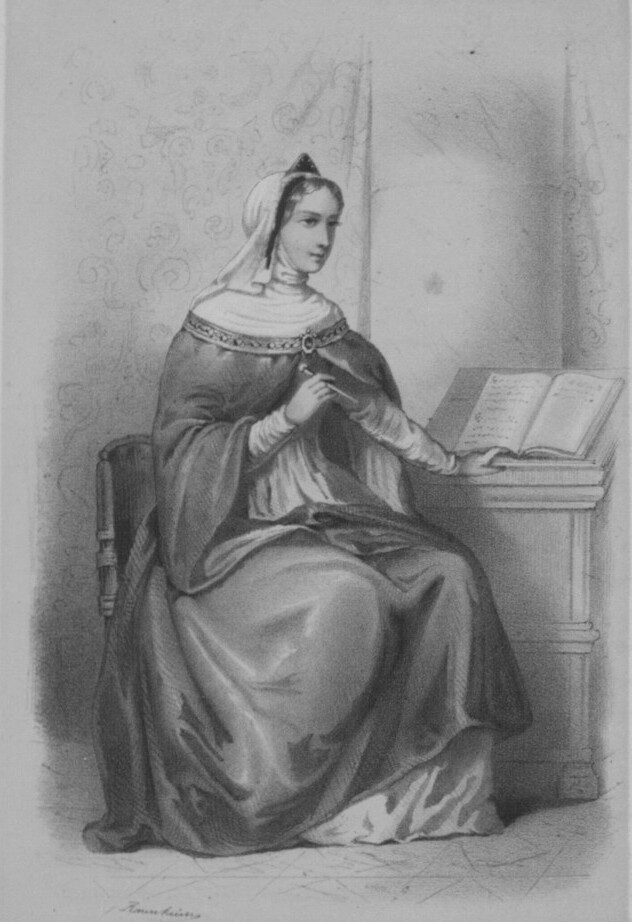
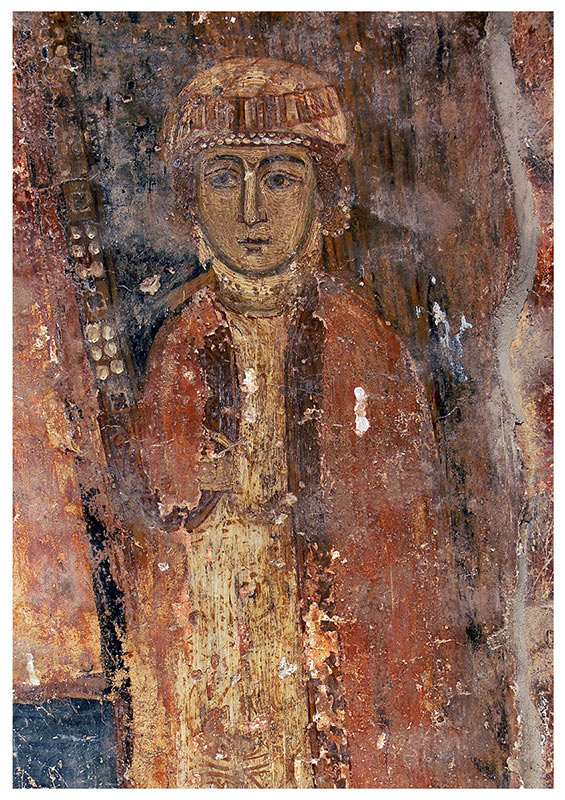
Anna Komnene · Public domain
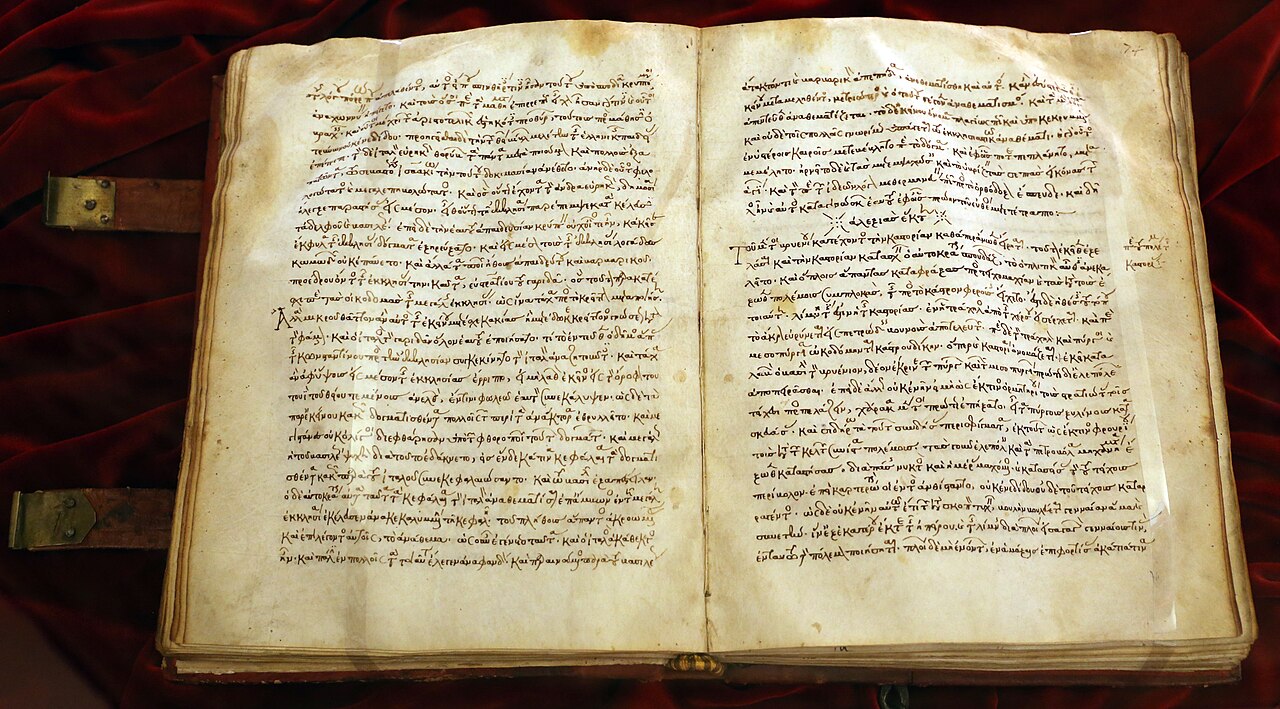
Anna Komnene (1083–1153) was a Byzantine Greek princess and historian, best known for writing the Alexiad, a detailed history of her father, Emperor Alexios I Komnenos. Her work is the most important primary source for Byzantine history in the late 11th and early 12th centuries, and also covers the early Crusades. Beyond her writing, she was politically active and tried to overthrow her brother, John II Komnenos, to make her husband, Nikephoros Bryennios the Younger, emperor.
Early life and family
Born on 1 December 1083 to Alexios I and Irene Doukaina, Anna was the eldest of seven children. She was born in the Porphyra Chamber of the imperial palace in Constantinople, making her a porphyrogenita—a status she proudly noted in the Alexiad, saying she was “born and bred in the purple.” According to her own account, her mother asked her to delay birth until her father returned from war, and Anna complied.
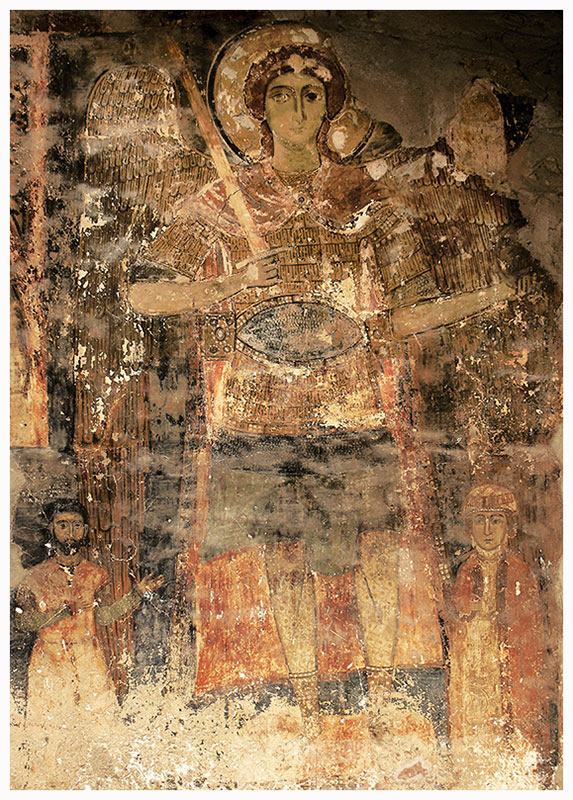
At birth, she was betrothed to Constantine Doukas, son of former Emperor Michael VII and Maria of Alania. The two were heirs to the throne until around 1088–1092, when her brother John II became heir. This betrothal was likely a political move to legitimize her father’s rule after he usurped the throne.
Around 1090, Maria of Alania raised Anna in her home, a common Byzantine practice for mothers-in-law. In 1094, Maria was implicated in a plot against Alexios I, but Constantine was not involved. The betrothal ended when Constantine died around 1094.
Education
Anna was well educated in Greek literature, history, philosophy, theology, mathematics, and medicine. In the Alexiad, she highlighted her training in rhetoric, sciences, astronomy, medicine, history, military affairs, geography, and mathematics. The medieval scholar Niketas Choniates praised her as “ardently devoted to philosophy, the queen of all sciences, and educated in every field.” Her testament credited her parents for her education, but a funeral oration by Georgios Tornikes claimed she secretly read ancient poetry like the Odyssey because her parents disapproved of its polytheistic themes. Anna also gained practical medical expertise, treating her family and household, working with her father’s physicians during his final illness, and becoming an expert on gout while running a large hospital in Constantinople.
Marriage
In about 1097, Anna married Caesar Nikephoros Bryennios, a soldier and historian from a family that had once held the throne. The marriage was political, lending legitimacy to her father’s family through Bryennios’s connections. The couple were intellectual partners; he tolerated and encouraged her scholarly interests, allowing her to join scholarly circles. They had several children, though many died in infancy.
After her father’s death in 1118, Anna and her mother allegedly tried to usurp John II, but her husband supposedly refused to cooperate, and the plot failed. John exiled Anna to the Kecharitomene Monastery, where she spent the rest of her life and wrote the Alexiad. However, no contemporary evidence supports her involvement in any assassination attempt.
Lore & Background
Anna Komnene (1083–1153) was a Byzantine princess and historian. She is the author of the Alexiad, an account of the reign of her father, Byzantine emperor Alexios I Komnenos. Her work constitutes the most important primary source of Byzantine history of the late 11th and early 12th centuries, as well as of the early Crusades.
A Byzantine Chronicler of the Middle Ages
Anna Komnene (1083–1153) occupies a place within the Byzantine sphere of medieval historiography. She is recognized among the major chroniclers and annalists whose work has earned a biographical entry in Wikipedia, a distinction that marks her as a figure of sufficient scholarly weight to warrant dedicated documentation. Her lifespan spans the twelfth century, situating her firmly within the Middle Ages as a period of active historical production.

In the broader taxonomy of historiographical figures, she is grouped not by the nation or ethnicity of her origin but by her area of specialization, which places her within the Byzantine tradition of historical writing. This classification underscores that her significance lies in the intellectual and cultural framework she inhabited rather than in any single political boundary. Her presence in a curated list of historians—spanning from the Greco-Roman world through to later periods—signals that her contributions to the chronicle tradition are considered part of a continuous thread of historical recording that stretches back to figures like Herodotus and forward through successive generations of scholars who documented their respective worlds.
Positioning Within the Chronological Sequence
Within the structured listing of historians organized by their historical period, Anna Komnene appears in the Middle Ages section, specifically under the Byzantine sphere. Her entry follows that of Nestor the Chronicler, who is dated to approximately 1056–1114 and associated with Kiev. This sequential placement situates her within a broader temporal landscape of chroniclers and annalists who worked across different regions and traditions during the medieval period.
The list she inhabits is not a random collection but a carefully ordered record that moves through antiquity's Greco-Roman world, through the Chinese historiographical tradition, and into the medieval era. By appearing in this particular position—after Nestor, within the Byzantine grouping—she is framed as part of a living tradition of historical writing that connects the classical foundations laid by figures such as Herodotus and Thucydides to the medieval practitioners who carried the craft forward. Her dates of 1083 to 1153 anchor her in a specific window of the twelfth century, a period when the Byzantine sphere continued to produce chroniclers who documented their world for posterity.
The Chronicler's Designation and Scholarly Identity
Anna Komnene is identified in the historiographical record as a chronicler and annalist, a designation that places her among the major figures of historical writing rather than in the category of a philosopher or a scientist. This classification is significant because it tells us that her primary contribution to the intellectual life of her era was the recording and narration of events—the work of setting down what happened, in sequence, for the benefit of those who would come after.
The list in which she appears is explicitly one of historians, chroniclers, and annalists, and it includes only those individuals who possess a biographical entry in Wikipedia. This dual criterion—being a recognized historian AND having a dedicated biographical page—marks her as a figure whose work has endured in the scholarly record. Her placement in the Byzantine sphere, listed by specialization rather than by nationality, further emphasizes that her identity as a historian is defined by the tradition and framework within which she wrote, connecting her to a lineage of chroniclers that stretches from the classical Greek and Roman world through the medieval period and into the Chinese historiographical tradition documented in the same reference work.
Enduring Documentation and Lasting Recognition
The fact that Anna Komnene (1083–1153) appears in a curated list of historians restricted to those with biographical entries in Wikipedia speaks to the durability of her place in the historical record. She is not a footnote or a passing mention; she is a named, dated figure with a recognized body of work that has warranted dedicated documentation. Her inclusion alongside major chroniclers and annalists from the Greco-Roman world, from China, and from the medieval Byzantine sphere indicates that her contributions are regarded as part of a universal tradition of historical writing rather than a localized or minor contribution. The list she inhabits is organized by historical period first and then by specialization, a structure that places her within the Middle Ages and the Byzantine sphere specifically.
This organizational logic means that her recognition is tied to both when she worked and what tradition she served. Her dates give her a precise chronological anchor, and her position after Nestor the Chronicler in the sequence suggests a continuity of chronicling work across the medieval period. That her name endures in such a reference, alongside figures separated from her by centuries and continents, testifies to the lasting weight of her contribution to the annalistic tradition.
Reader's Guide
Anna Komnene's significance rests primarily on her authorship of the Alexiad, which remains the most important primary source for Byzantine history of the late 11th and early 12th centuries and for the early Crusades. Her work provides a detailed, insider account of the reign of her father, Alexios I Komnenos, and reflects her own political ambitions and intellectual training. The Alexiad is notable for its literary style and its portrayal of Byzantine court life, military campaigns, and interactions with Western crusaders.
Anna's legacy is complicated by the uncertainty surrounding her involvement in the attempted usurpation of her brother John II. Her life illustrates the possibilities and limitations for a highly educated Byzantine princess in a patriarchal society, and her work has shaped modern understanding of the Komnenian period. The Alexiad continues to be studied by historians for its perspective on Byzantine identity, gender, and power.
Frequently Asked Questions
Who is Anna Komnene?
Anna Komnene (1083–1153) was a Byzantine Greek princess and historian, best remembered as the author of the Alexiad. She stands out as one of the very few medieval women to have produced a major historical work that still shapes modern understanding of her era.
How did Anna Komnene's life end?
After her political ambitions were thwarted, Anna spent her remaining years in a convent, dedicating herself to scholarship in history and medicine. She died in 1153, leaving the Alexiad as her enduring legacy.
Why do medieval-history fans consider Anna Komnene essential reading?
Her Alexiad offers an intimate, first-person view of Byzantine imperial court life and the intersection of Eastern and Western politics during the Crusades. Because she was both a participant and a recorder, her account carries a level of personal detail that purely official chronicles rarely provide.
More in Ancient And Medieval Historians And Philosophers
Related in Ancient And Medieval Historians And Philosophers
Links follow this subject's own source article.
Sources
Compiled from Wikipedia and the sources listed below. Text from Wikipedia is available under CC BY-SA 4.0; this entry is adapted from it.
- Wikipedia: Anna Komnene (CC BY-SA 4.0).
- Word definitions: the Codexery glossary, each quoted from its Wikipedia article.
Spotted an error? Know more?
Reader corrections go straight into our review queue. Suggest an edit · How this site is sourced