Al-Masudi
Polymath historian and geographer of the Abbasid world.
Last updated

Hubertl · CC BY-SA 4.0
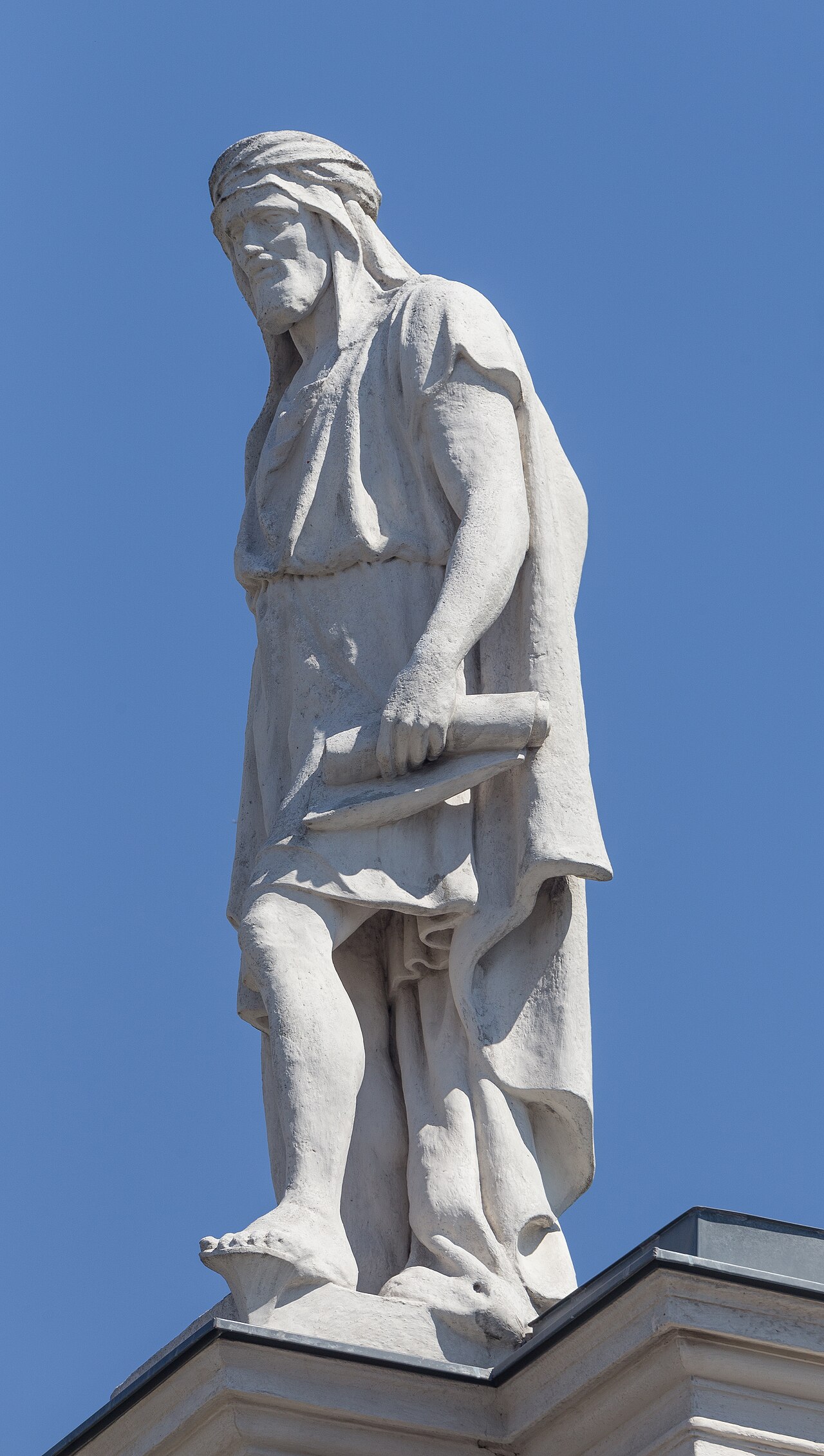
Al-Masʿūdī (c. His magnum opus, The Meadows of Gold, combines universal history with scientific geography, social commentary, and biography, reflecting his extensive travels across the Islamic world and beyond.
Lore & Background
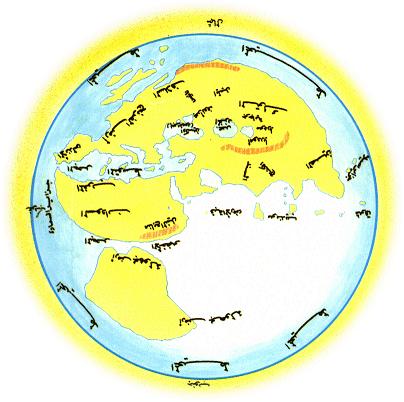
Al-Masʿūdī was born in Baghdad and descended from Abdullah ibn Masʿud, a companion of the Prophet Muhammad. Little is known of his life beyond his own writings. He sailed the Indian Ocean, Red Sea, Mediterranean, and Caspian Sea, and may have reached Sri Lanka and China, though he also gathered information from travelers like Abu Zayd al-Sirafi and the Byzantine convert Leo of Tripoli.
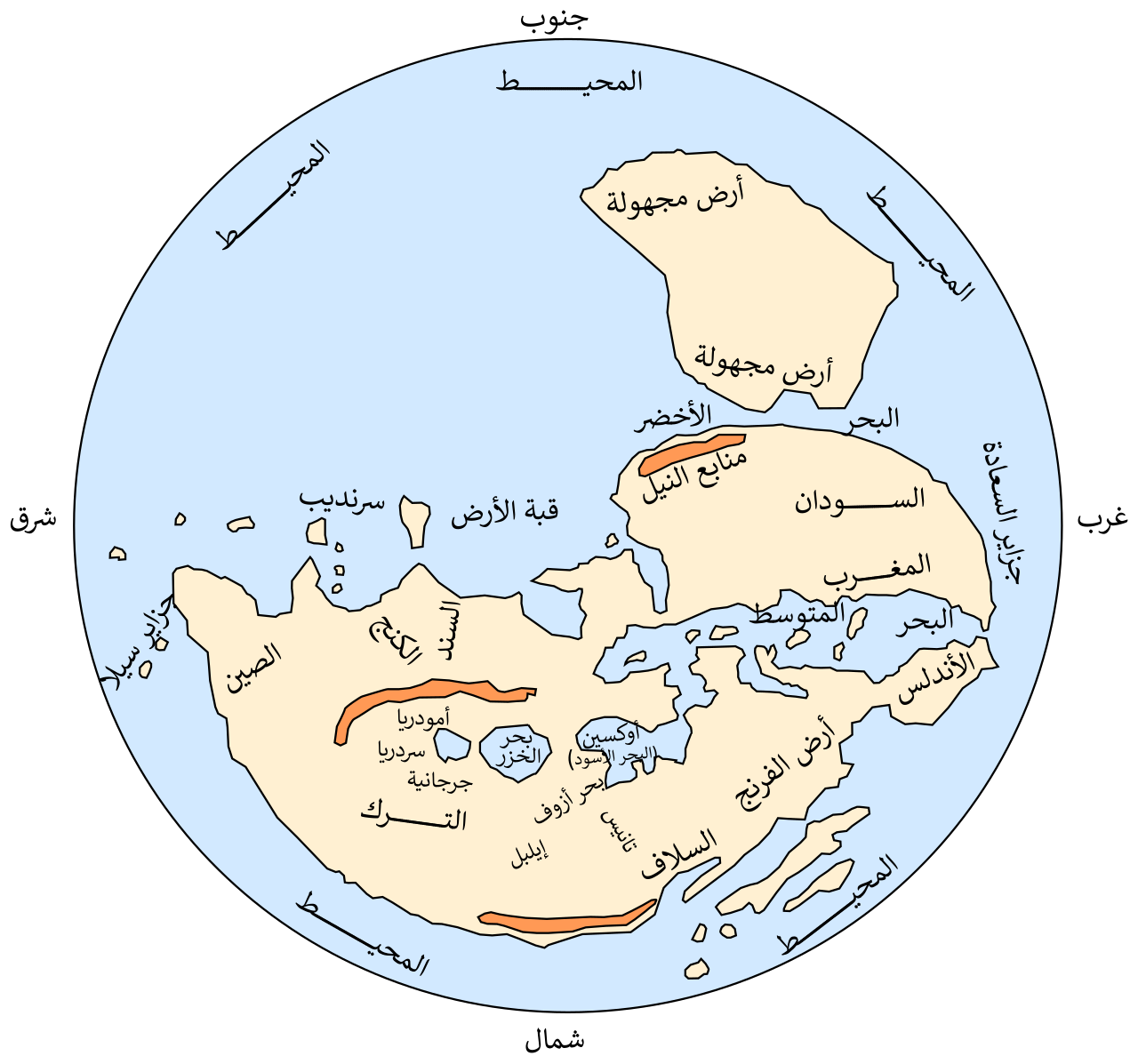
His last years were divided between Syria and Egypt, where he found a Frankish king list written by an Andalusian bishop. Al-Masʿūdī lived in a highly literate era with cheap paper and large libraries. He was a pupil or colleague of prominent intellectuals, including philologists al-Zajjaj, Ibn Duraid, Niftawayh, and ibn Anbari, and was acquainted with poets like Kashajim. He read philosophy, including works of al-Kindi, al-Razi, al-Farabi, and Plato, and was familiar with Galen, Ptolemaic astronomy, and the geography of Marinus.
He met jurists of the Shafi'ite and Zahirite schools, and modern scholarship leans toward him being a Zahirite. He knew leading Mu'tazilites, and his reasoning suggests he may have been one, though his extant works do not state this. He included histories of Assyrians, Babylonians, Egyptians, and Persians, and was the only Arab historian to indirectly refer to the kingdom of Urartu.
Reader's Guide
Al-Masʿūdī's significance lies in his comprehensive approach to history and geography, blending universal history with scientific observation and social commentary. His Meadows of Gold is a key source for understanding the medieval Islamic world and its interactions with non-Islamic lands. He distinguished himself by his extensive coverage of regions beyond the Abbasid Caliphate, including India, East Africa, and the Byzantine Empire, often based on personal travel. His work reflects the intellectual vibrancy of Abbasid society, where Greek philosophy, Persian literature, and Indian mathematics were studied.
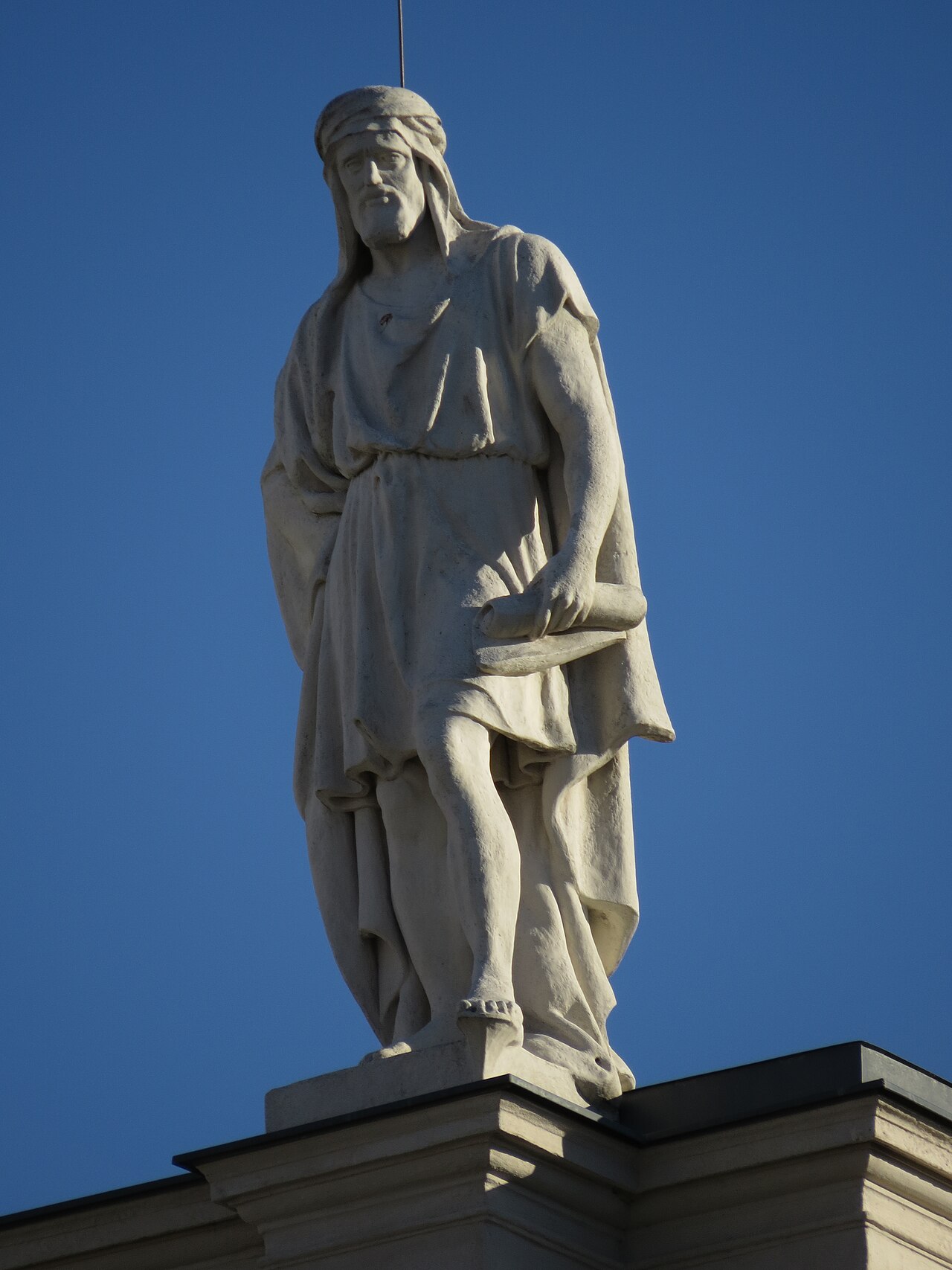
He was aware of ancient civilizations and their influence, and he is the earliest extant Arabic author to mention the Roman founding myth of Romulus and Remus. His legacy endures as a polymath who sought to gather 'pearls' of knowledge from East and West, though only a draft of his magnum opus survives. Modern scholarship notes his nuanced understanding of historical change, tracing current conditions to past events.
Frequently Asked Questions
What is The Meadows of Gold?
The Meadows of Gold is Al-Masudi's most celebrated work, blending universal history with scientific geography, social observation, and biographical sketches. It draws heavily on his own extensive travels throughout the Islamic world and beyond.
What subjects did Al-Masudi write about?
Beyond history and geography, he produced over twenty works covering theology, natural science, and philosophy. This extraordinary range of output made him one of the most versatile polymaths of the tenth-century Islamic world.
More in Ancient And Medieval Historians And Philosophers
Sources
Compiled from Wikipedia and the sources listed below. Text from Wikipedia is available under CC BY-SA 4.0; this entry is adapted from it.
- Wikipedia: Al-Masudi (CC BY-SA 4.0).
Spotted an error? Know more?
Reader corrections go straight into our review queue. Suggest an edit · How this site is sourced