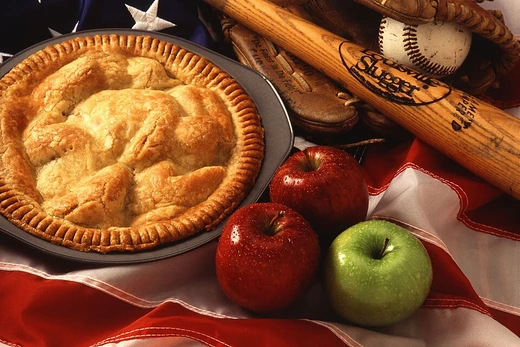
Cottage cheese
Fresh cheese made from skimmed milk, curds, and cream.

Unknown author Unknown author or not provided · Public domain
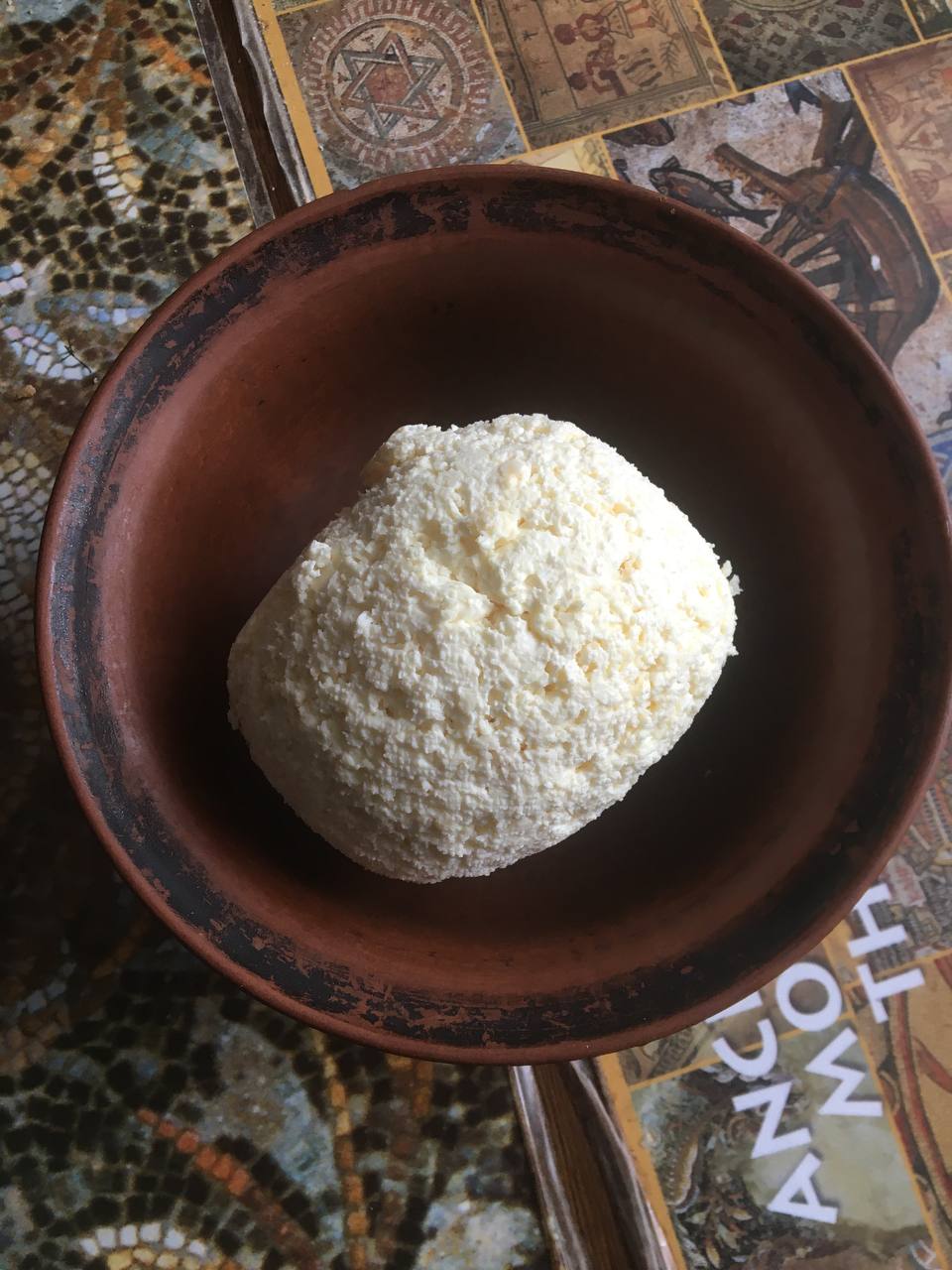
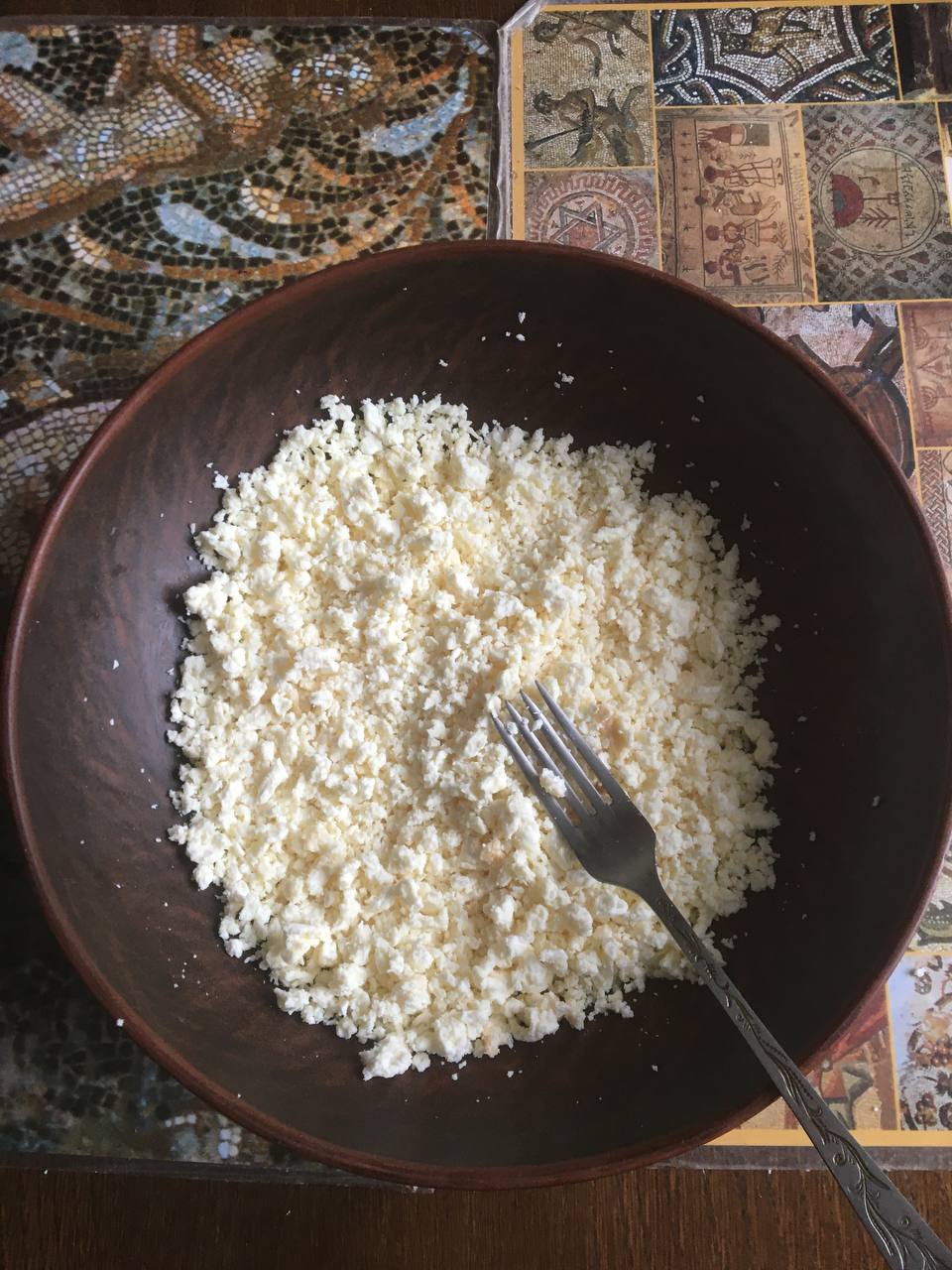
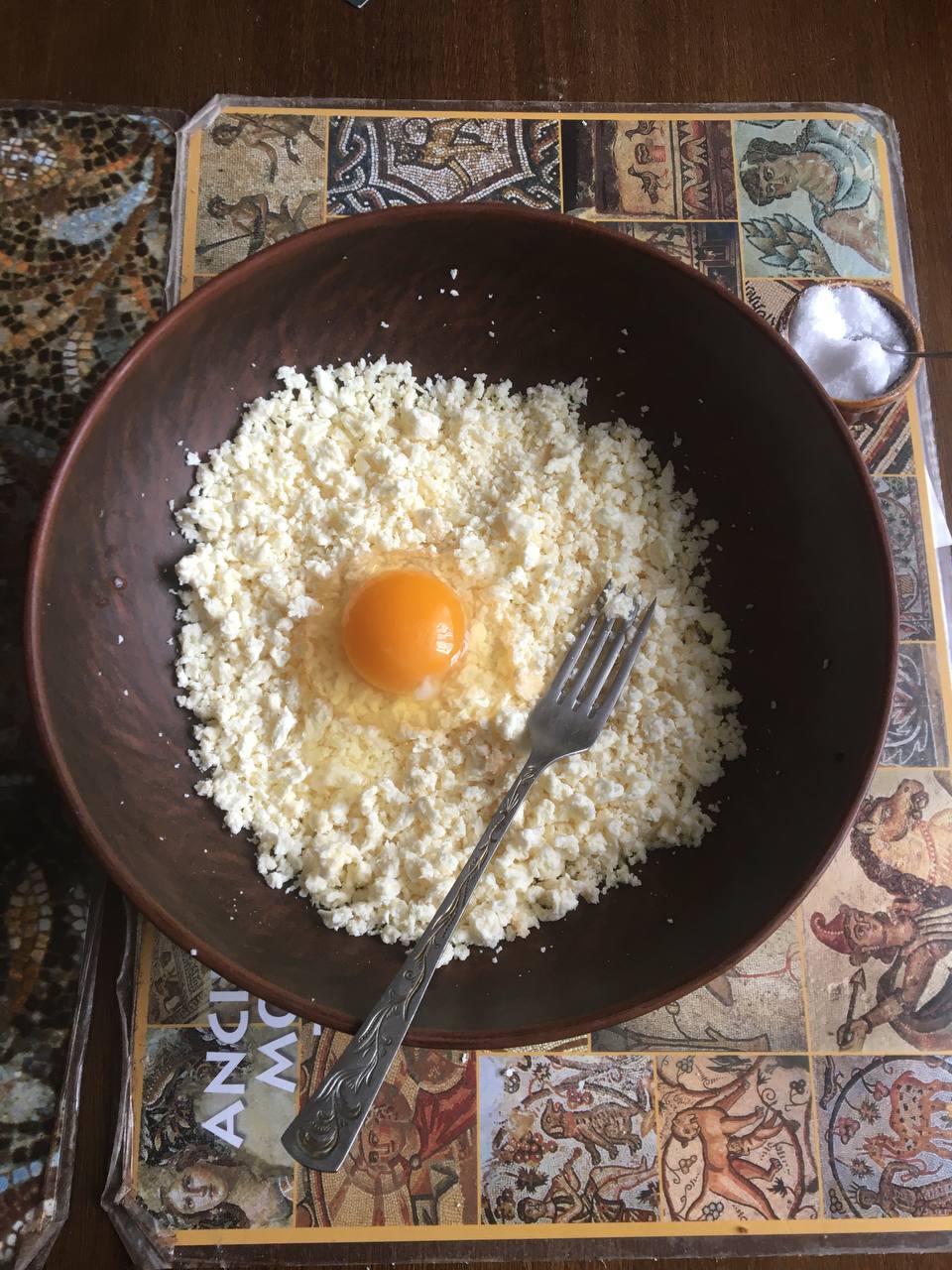
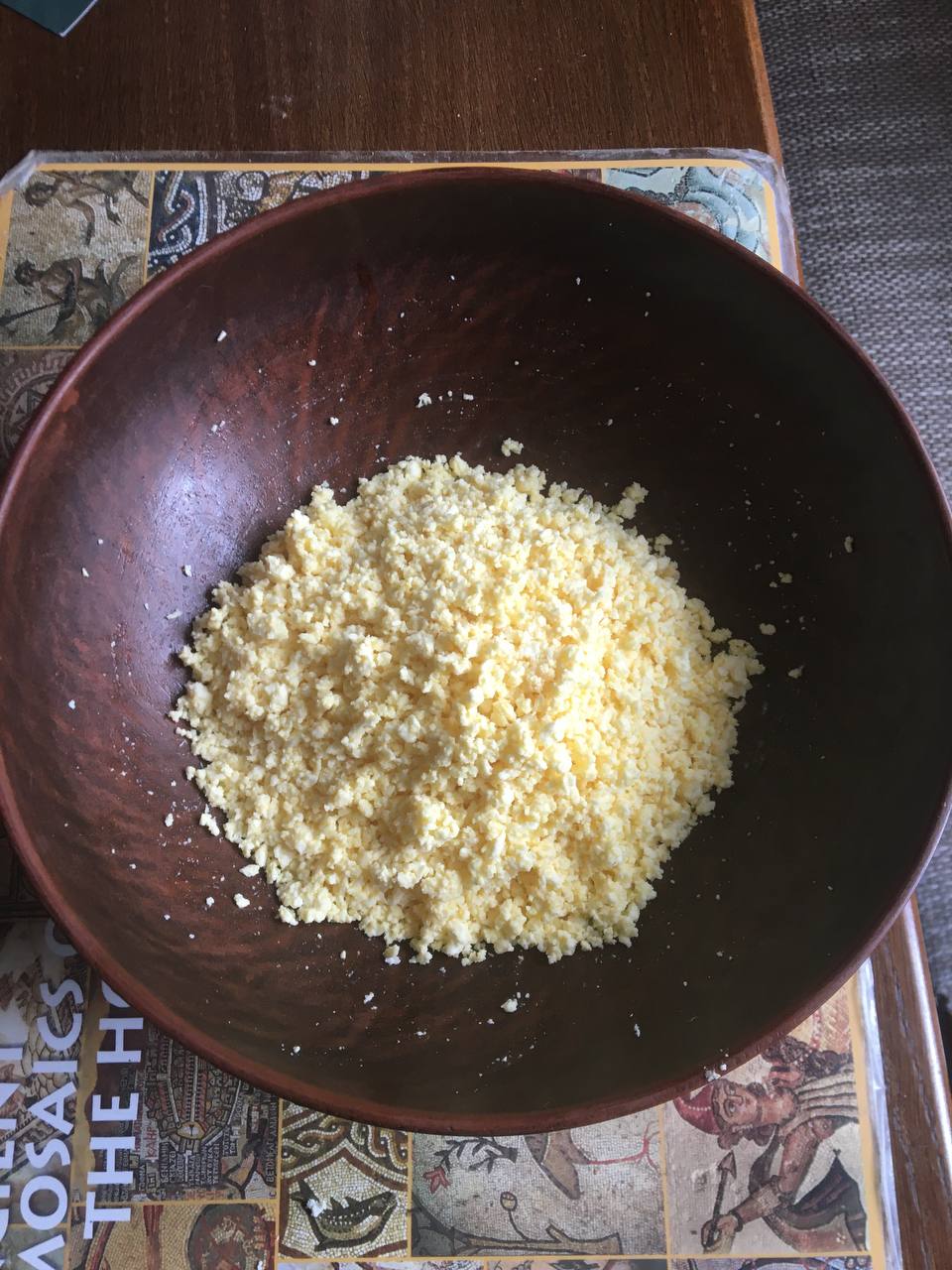
Cottage cheese is a fresh, unaged cheese known for its mild taste and creamy, lumpy texture. It starts with skimmed milk, which keeps the milkfat content low. To make it, an acid—like vinegar or lemon juice—is added to the milk, prompting the milk proteins (curds) to separate from the liquid (whey). After draining the curds, they are blended with cream and salt, which gives the cheese its slightly tangy flavor and creamy feel. The "dressing" added to the curd grains largely determines the final taste. The term "cottage cheese" first appeared in 1831, likely coined by Pennsylvania Dutch immigrants who made these curds to spread on snacks in their homes, or cottages.
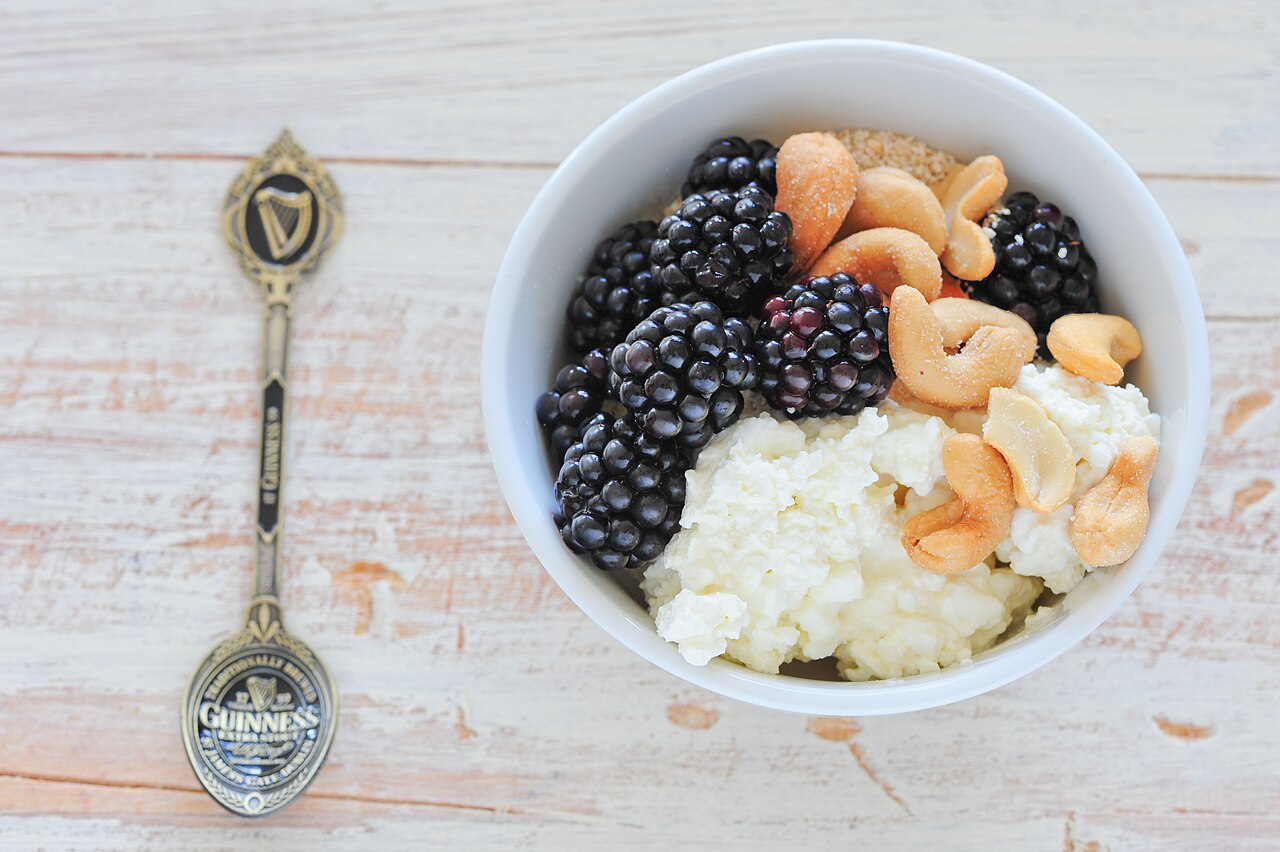
This cheese is relatively low in milkfat and calories compared to the high amount of protein it provides, and it is a rich source of vitamin B12. It comes in various fat levels, including low-fat and fat-free versions, but even the full-fat variety has fewer calories than a chunk of hard cheese or a wedge of soft cheese. Cottage cheese is versatile and can be added to fruits, vegetables, bread, breakfast items, pastas, sauces, and desserts.
The earliest pictorial evidence of cheesemaking, dating back 5,000 years, was found on a frieze at the Temple of the Great Goddess of Life, Ninhursag, in Mesopotamia (modern-day Iraq). The frieze shows priests making cow dairy, possibly creating a curd mixture similar to cottage cheese. A fictional account of cheese's origin appears in Homer's *Odyssey*, where the Cyclops Polyphemus makes cheese by storing milk in animal stomachs; the enzyme rennin from the stomachs causes coagulation, separating curds from whey. As the Roman Empire expanded, it spread cheesemaking knowledge and introduced it to England. Over centuries, European farmers made farmhouse cheeses by fermenting soured milk and separating the whey from curds, an early form of cottage cheese.
Pennsylvania Dutch immigrants brought fresh cheesemaking to the United States, and by 1831 in Philadelphia, the term "cottage cheese" entered American vocabulary, referring to cheese made in a homestead or cottage. In 1841, Anne Pickett established a "cottage industry cheese factory" in Wisconsin, using milk from homestead cows. Cottage cheese referred to homemade, soft, white curds served with bread and crackers as *Schmierkäse* (German for "smear-cheese" or spreading cheese).
During World War I, cottage che
- first_recorded_name
- 1831
- origin_region
- Pennsylvania Dutch immigrants, United States
- primary_ingredient
- Skimmed milk
- key_nutrient
- Vitamin B12
- typical_protein_content
- 12% (full fat)
- peak_us_consumption_period
- 1970s
Lore & Background
The first pictorial evidence of cheesemaking was found on a 5,000-year-old frieze at the Temple of Ninhursag in Mesopotamia, depicting priests producing cow dairy. A fictional account from Homer's Odyssey describes the Cyclops Polyphemus making cheese by storing milk in animal stomachs, using rennin to separate curds from whey. As Rome expanded, it spread cheesemaking knowledge, introducing it to England. Over centuries, European farmers made farmhouse cheeses using fermented-soured milk, an early form of cottage cheese.
Pennsylvania Dutch immigrants brought fresh cheesemaking to the United States, and by 1831 the term 'cottage cheese' was used in Philadelphia, referencing cheese made in a homestead or 'cottage'. In 1841, Anne Pickett established a 'cottage industry cheese factory' in Wisconsin, using milk from homestead cows. Cottage cheese referred to homemade, soft, white curds served with bread and crackers as *Schmierkäse* (German for 'smear-cheese' or spreading cheese).
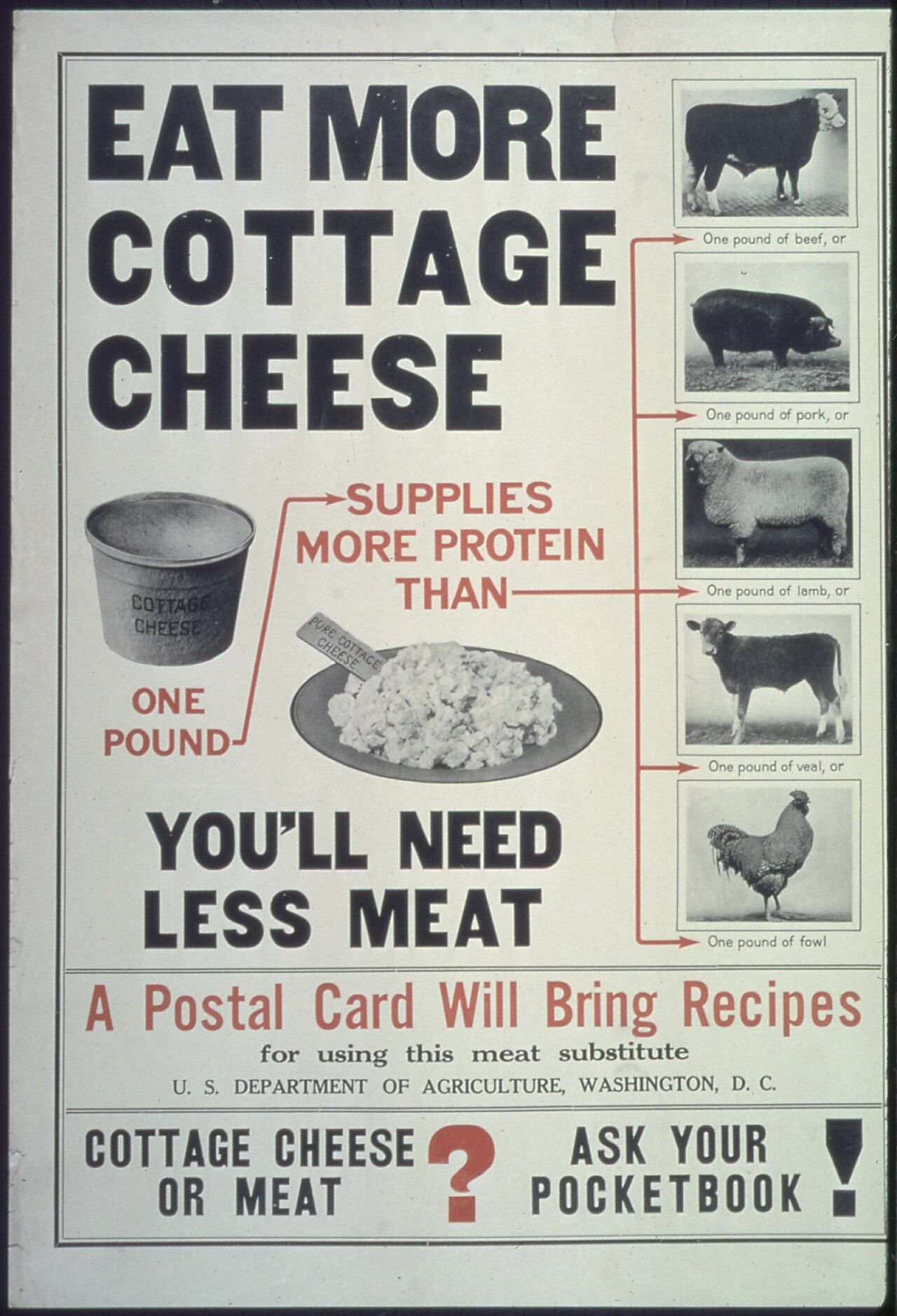
During World War I, cottage cheese gained popularity as a protein-rich, affordable food.
Reader's Guide
Cottage cheese is significant as a versatile, nutritious food that provides high protein and low milkfat relative to other cheeses. Its history reflects broader patterns in cheesemaking, from ancient Mesopotamian practices to Roman dissemination and European farmhouse traditions. The term 'cottage cheese' emerged from Pennsylvania Dutch immigrant culture in the 19th century, and its production became a notable industry in the United States, especially during and after World War I when it was promoted as a meat substitute. Consumption peaked in the 1970s alongside dieting trends, and it saw a resurgence in the 21st century as a high-protein, low-sugar alternative to Greek yogurt. In 2026, increased demand in the US led cheese factories to modify equipment, while Canada experienced a 15-20% consumption increase causing supply shortages. The food's manufacturing methods—cultured versus direct acid-set—illustrate regional regulatory and consumer preference differences, and debates over additives like titanium dioxide highlight evolving food safety standards. Cottage cheese remains a staple in many diets, valued for its adaptability in both savory and sweet dishes.
Did You Know?
- Cottage cheese was first called 'cottage cheese' in 1831, likely from Pennsylvania Dutch immigrants making cheese in their homesteads.
- During World War I, a war poster claimed one pound of cottage cheese contains more protein than a pound of lamb, pork, beef, or chicken.
- In 2026, cottage cheese consumption in Canada increased by 15-20%, causing supply shortages in some regions.
- Titanium dioxide (E171) was banned in the European Union in 2022 but remains permitted in the United Kingdom.
Ancient Roots & the Name 'Cottage'
The story of cottage cheese stretches back roughly five millennia. The earliest visual record of cheesemaking appears on a carved frieze at the Temple of the Great Goddess of Life, Ninhursag, in ancient Mesopotamia—a region spanning what is now Iraq. The relief depicts priests handling cow dairy and working a curd mixture that resembles modern cottage cheese. Centuries later, Homer wove a fictional origin tale into the Odyssey, describing the Cyclops Polyphemus trapping milk inside animal stomachs; the rennin enzyme in those stomachs triggers the very coagulation that separates curds from whey. As Rome's empire expanded, it carried cheesemaking knowledge across continents, eventually introducing the craft to England. Over the following centuries, European farmers refined farmhouse techniques using fermented, soured milk to separate whey from curds. The tradition crossed the Atlantic with Pennsylvania Dutch immigrants, and by 1831 in Philadelphia the phrase 'cottage cheese' had entered the American lexicon, referencing cheese made in a homestead. In 1841, Anne Pickett opened a small cottage-industry cheese factory in Wisconsin, and the product was known in German-speaking communities as Schmierkäse, a spreading cheese served alongside bread and crackers.
Two Paths to Curds: Manufacturing Methods
Industrial cottage cheese production follows two principal pathways, and the choice between them reflects regional regulations, factory scale, and local taste preferences. Both routes begin with the same base—pasteurised skimmed milk, concentrated non-fat milk, or reconstituted non-fat dry milk—to lock in a consistent protein ratio. The cultured method, dominant across the United Kingdom and continental Europe, relies on living bacteria. Skimmed milk is warmed to roughly thirty to thirty-two degrees Celsius, then inoculated with mesophilic lactic-acid-producing strains such as Lactococcus lactis. Over four to eight hours the bacteria convert lactose into lactic acid, gradually lowering the pH. A measured dose of microbial or animal rennet is then added to cross-link the proteins into a gelatinous mass. Internal wire grids slice that gel into uniform cubes, classifying the batch as small-curd or large-curd, after which gentle heating to around forty-nine to fifty-four degrees Celsius contracts the curds and squeezes out whey. Chilled purified water washes the curds, halting further acidification and rinsing away excess lactic acid for a mild flavour. The dry curds are then blended with a pasteurised cream dressing and salt. The direct acid-set method, by contrast, skips bacterial fermentation entirely, dropping food-grade acids like vinegar, citric acid, or lactic acid straight into cold skimmed milk to trigger instant coagulation.
Nutrition & Kitchen Versatility
Cottage cheese occupies a distinctive niche in the dairy aisle: a fresh, unaged cheese whose identity is shaped almost entirely by its dressing rather than by months of maturation. Because it is built from skimmed milk, the finished product carries a naturally low milkfat content, yet the curds are still folded through a cream-and-salt dressing that lends the cheese its signature slight tang and creamy, lumpy texture. That dressing is, in practical terms, the single greatest driver of the flavour a consumer experiences. Nutritionally, cottage cheese delivers a high protein payload relative to its calorie count, and it stands out as a rich source of vitamin B12. Shoppers can choose from full-fat, low-fat, and fat-free variants, and even the original full-fat version still clocks in with fewer calories than an equivalent portion of a hard or soft aged cheese. In the kitchen, the cheese's mild, slightly tangy profile makes it remarkably adaptable. It works as a spread on bread and crackers, a topping for fruit and vegetables, a fold-in for breakfast dishes, a component in pastas and sauces, and even a base for desserts. Its heterogeneous, grainy texture gives it a mouthfeel that smooth yogurts and cream cheeses simply cannot replicate.
War, Boom, and a New Century of Demand
Cottage cheese's journey through the American and Canadian markets reads like a case study in how a humble food rides the waves of wartime necessity, cultural fashion, and shifting dietary priorities. During the First World War, the U.S. government actively promoted cottage cheese alongside other dairy products to conserve meat for infantry rations. Propaganda posters boasted that a single pound of the cheese outperformed a pound of lamb, pork, beef, or chicken in protein content. The strategy worked: production jumped to thirty million pounds in 1919 and climbed to eighty-seven million pounds by 1928. The cheese's next great surge came in the 1970s, when the rise of diet culture made its high-protein, lower-calorie profile a natural fit; annual U.S. sales reached roughly $1.3 billion at the peak. Interest has now surged again in the twenty-first century, with many consumers comparing cottage cheese favourably to Greek yogurt as a high-protein, low-sugar option. By 2026, the spike in American demand was significant enough to push Wisconsin and other state cheese plants to retrofit equipment for higher throughput. Canada experienced a similar uptick, with consumption climbing fifteen to twenty percent above recent market levels and triggering regional supply shortages; the country produced roughly 35,459 tonnes in 2025 under quality standards overseen by the Canadian Dairy Commission.
Gallery
Frequently Asked Questions
Who is Cottage cheese?
Cottage cheese is a fresh, unaged cheese built from skimmed milk, curds, and cream, known for its mild flavor and signature lumpy texture. The name first appeared in print in 1831.
What are Cottage cheese's powers/role?
It delivers roughly 12% protein in its full-fat form and serves as a solid source of Vitamin B12. In American kitchens it plays the role of a versatile, low-fat protein base for snacks, salads, and baking.
How does Cottage cheese's story end?
The final act involves draining the acid-separated curds and folding them together with cream and salt, which locks in the slightly tangy, creamy finish. The particular dressing applied to the curd grains is what ultimately shapes the flavor profile.
Why is Cottage cheese important?
American households reached their peak cottage cheese consumption during the 1970s, cementing it as a defining pantry staple of that era. Its low-fat, high-protein profile has kept it relevant in modern nutrition-focused cooking.
What's Cottage cheese's origin story?
The term traces back to 1831 and is most likely a coinage among Pennsylvania Dutch immigrants who carried fresh-cheese-making practices to the United States. Their adaptation of the technique gave rise to the distinctly American version recognized today.
More in American cuisine 1-24
Spotted an error? Know more?
This is a living reference — every entry is fact-audited, and reader corrections feed straight into our audit queue. Suggest an edit · See this site's audit record