Chips and dip
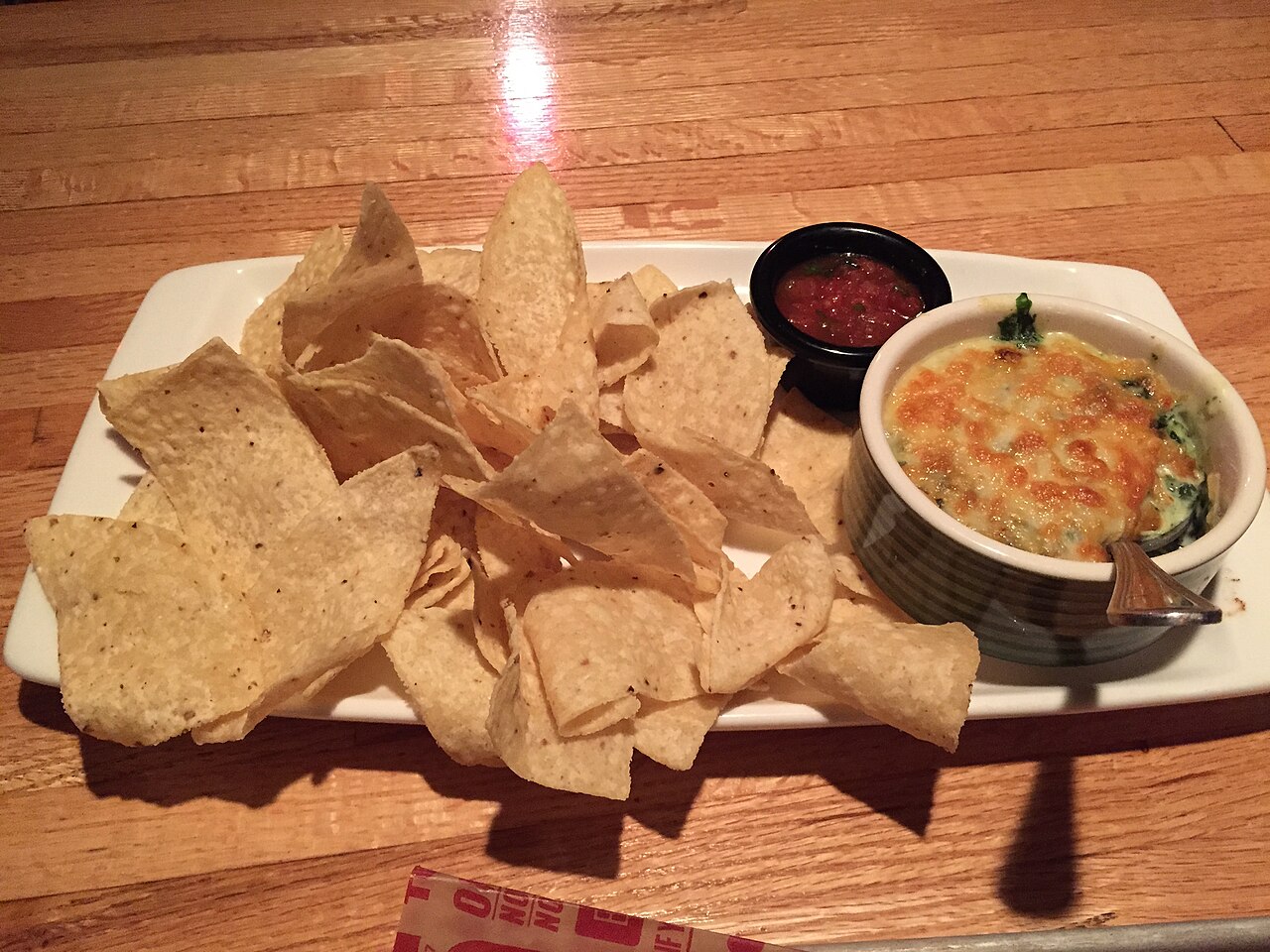
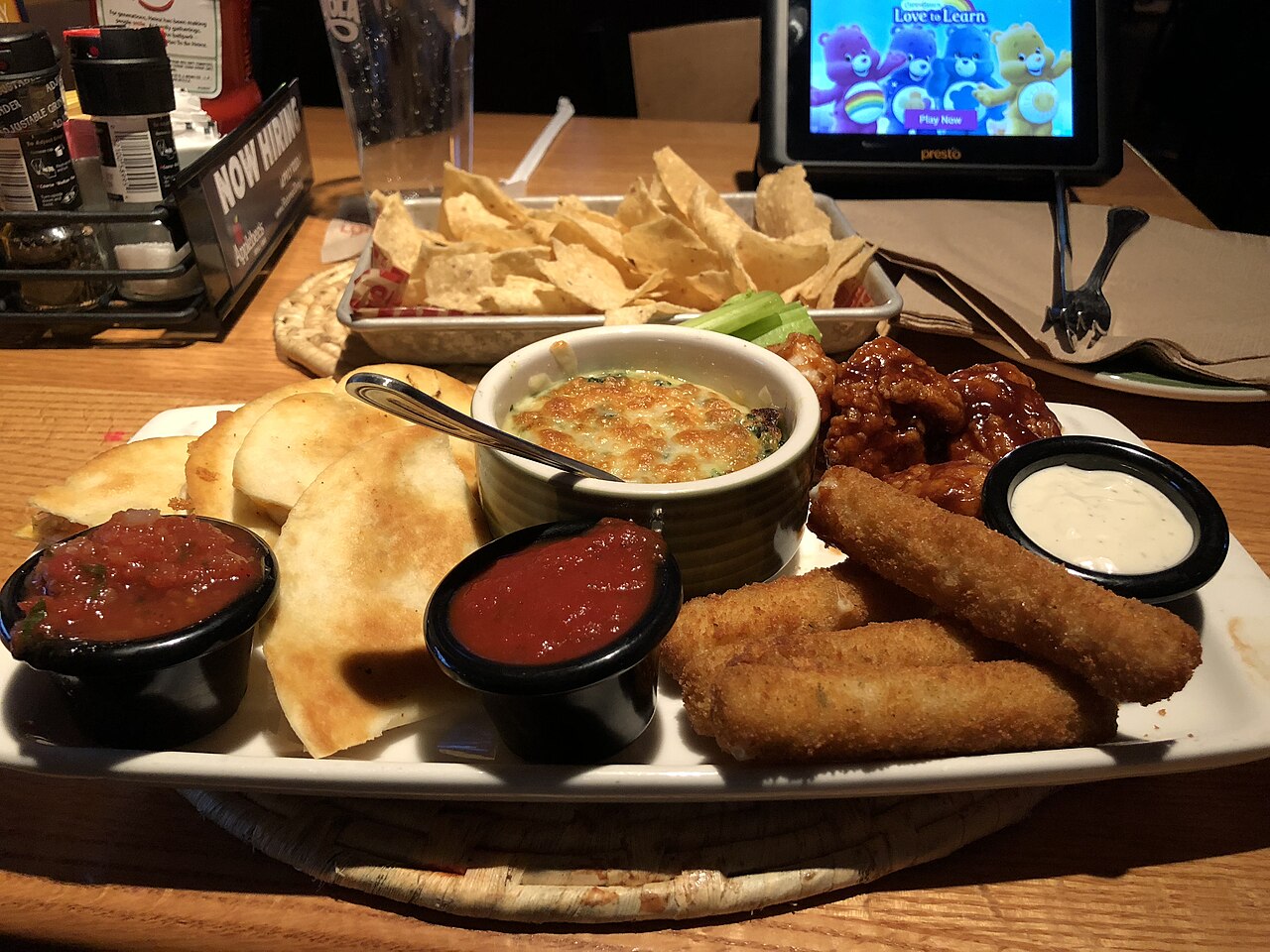
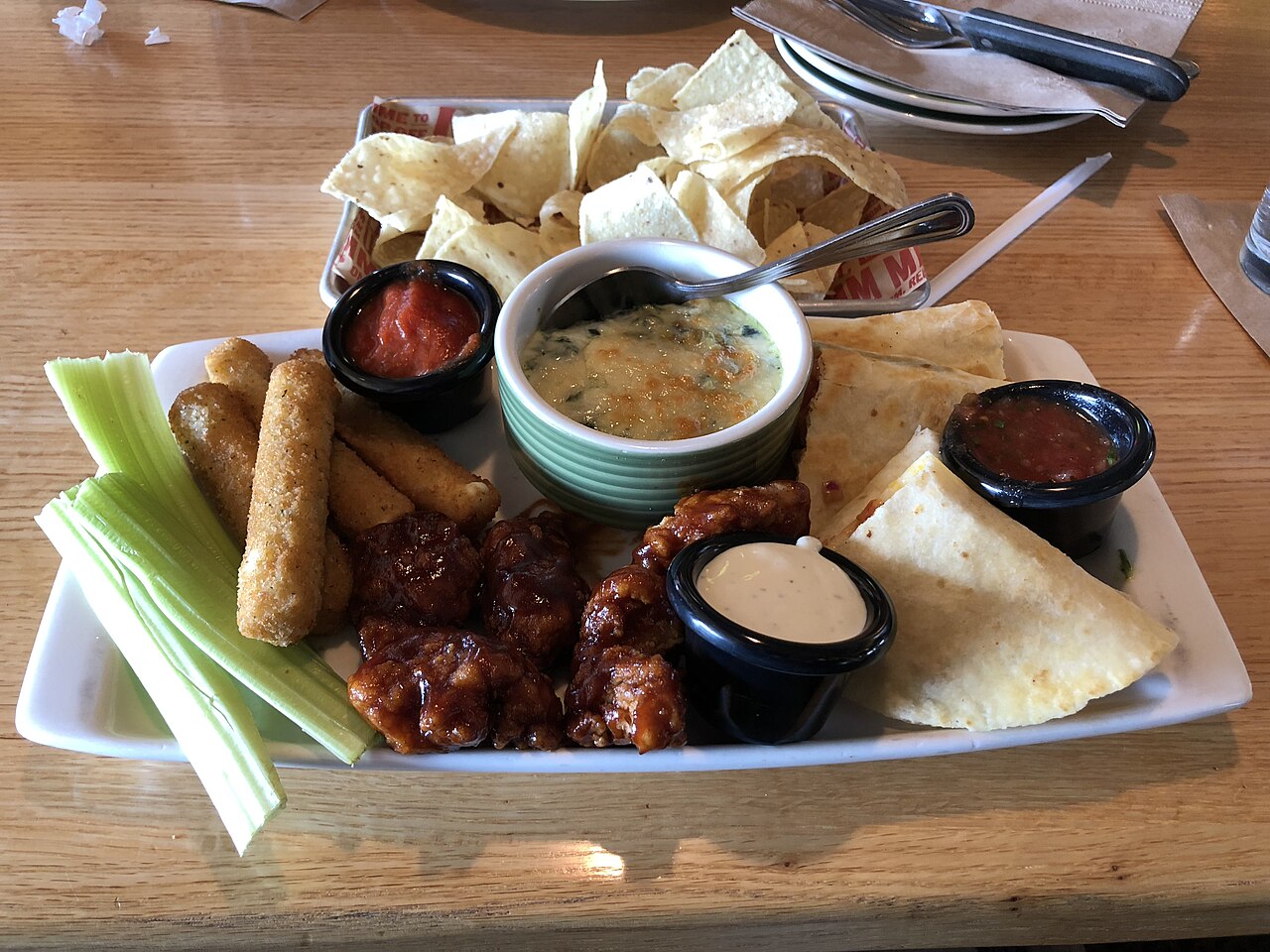
Chips served with dipping sauces, popularized in 1950s America.

Famartin · CC BY-SA 4.0
Chips and dip is a dish consisting of chips served with dipping sauces, often served as a party dish, appetizer, or snack. It gained significant popularity in the United States during the 1950s, partly due to a Lipton advertising campaign for their French onion dip recipe, sometimes called 'California dip.'
- popularity surge
- 1950s
- common chips
- potato chips, tortilla chips, corn chips, bean chips, vegetable chips, pita chips, plantain chips
- associated event
- Super Bowl
- national day
- March 23 (National Chip and Dip Day)
- notable dip
- California dip (Lipton French onion dip)
Lore & Background
The earliest known recipe for something similar to today's potato chips appears in William Kitchiner's 1817 book The Cook's Oracle. The dish of chips and dip saw a significant increase in popularity in the United States during the 1950s, beginning circa 1954, due to suburban entertaining trends and a Lipton advertising campaign that promoted mixing instant dehydrated onion soup mix with sour cream or cream cheese to create a dip. This dip became known as California Dip. Specialized trays and serving dishes designed to hold both chips and dip were created during this time.
Chips and dip are frequently served during the Super Bowl. National Chip and Dip Day occurs annually in the U.S. on March 23. The practice of double-dipping—biting a chip and then re-dipping it—was popularized by the 1993 Seinfeld episode 'The Implant.' A 2009 MythBusters segment tested bacteria transfer during double-dipping, finding that it adds only a few more microbes.
Reader's Guide
Chips and dip became a staple of American casual entertaining, particularly from the 1950s onward. The Lipton advertising campaign for California dip demonstrated how a simple prepared food product could drive a cultural trend, leading to the creation of new dip products and specialized serving platters. The dish's popularity endures, especially during the Super Bowl, where it is a common snack. The phenomenon of double-dipping, while controversial, has been studied scientifically and referenced in popular culture, notably in Seinfeld and MythBusters. The dish's simplicity—requiring almost no further preparation when made from processed foods—and the combinatorial possibilities of chip and dip pairings contribute to its lasting appeal. National Chip and Dip Day on March 23 annually celebrates the dish.
Did You Know?
- The earliest known recipe for something similar to today's potato chips is in William Kitchiner's 1817 book The Cook's Oracle.
- The Lipton advertising campaign for California dip began circa 1954 and used instant dehydrated onion soup mix mixed with sour cream or cream cheese.
- Double-dipping was popularized by the 1993 Seinfeld episode 'The Implant.'
- A Clemson University study claimed that three to six instances of double-dipping would transfer about 10,000 bacteria from the eater's mouth to the remaining dip.
From Kitchiner's Kitchen to the Suburban Platter
The roots of chips and dip stretch back further than most realize. In 1817, William Kitchiner published The Cook's Oracle, a cookbook that became a bestseller in both Britain and America. The 1822 edition included a recipe for 'Potatoes fried in Slices or Shavings,' directing the cook to peel large potatoes, cut them into thin rounds the way one would peel a lemon, dry them in a clean cloth, and fry them in lard or dripping. That early preparation is a clear ancestor of the modern potato chip. The dish as a social pairing truly exploded in the United States around 1954. Shifting suburban entertaining habits created demand for simple, shareable fare, and Lipton seized the moment with a television and supermarket advertising campaign. Their pitch was deceptively simple: combine their instant dehydrated onion soup mix with sour cream or cream cheese to create a dip, then serve it alongside potato chips or crudités. The concoction quickly earned the nickname 'California Dip.' The campaign was a commercial hit, prompting competitors to launch similar products. During this same period, manufacturers began designing dedicated platters that could hold multiple chip varieties, and hosts grew creative with presentation—serving the dip inside a bread bowl or a hollowed-out piece of fruit.
The Practical Genius of Separation
Chips and dip works because of a simple design principle: the two components are served apart. The chips are typically unflavored or only mildly seasoned, while the dip carries the seasoning role. Keeping them separate lets the eater control exactly how much dip goes on each bite, and it prevents the chips from turning soggy the way they would if pre-dipped before serving. From a practical standpoint, the dish is an almost effortless finger food. When assembled from store-bought processed items, each component requires virtually no additional preparation. The combinatorial possibilities are vast: potato chips, tortilla chips, corn chips, bean chips, vegetable chips, pita chips, and plantain chips can all be paired with a wide range of dipping sauces. Crackers and crudités—whole or sliced raw vegetables—can substitute for chips entirely. The result is a versatile dish that functions equally well as a party spread, a restaurant appetizer, or a casual snack, with the flavor experience shaped by the individual choices of each person at the table.
Corn-Based Classics and Cultural Milestones
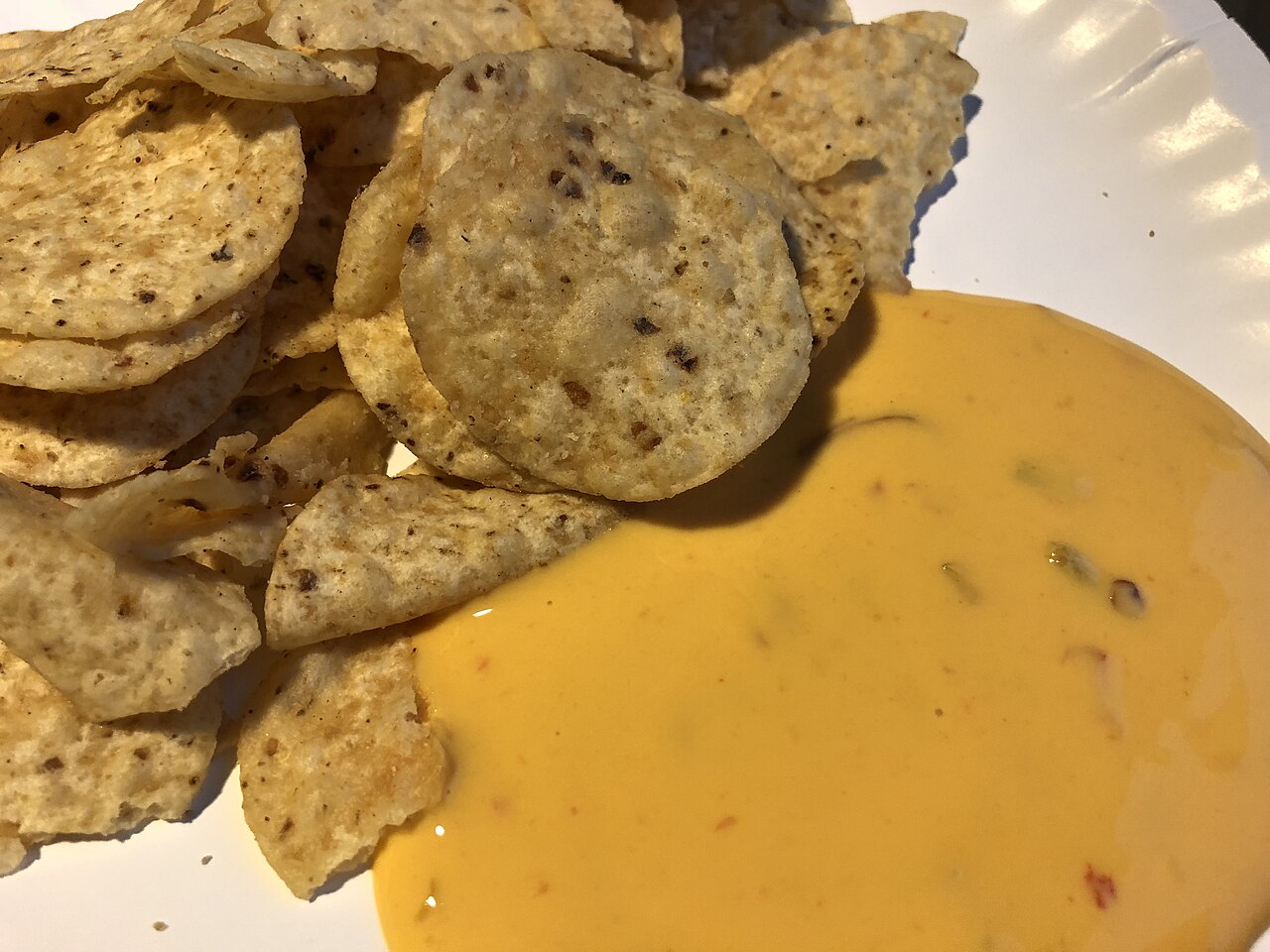
While potato chips dominate the conversation, corn-based chips have carved out their own significant place in the chips-and-dip landscape. Chips and salsa, typically served with tortilla or corn chips, gained major traction in the United States during the late 1980s. Chips and guacamole and chips and bean dip are other popular corn-chip pairings. Seven-layer dip served with tortilla chips is another well-known combination, as is chile con queso—a melted cheese and chili pepper preparation that Tex-Mex restaurants traditionally serve as a sauce for nachos. The cultural footprint of chips and dip extends well beyond the kitchen. The dish is a staple at the annual Super Bowl, and eighty-five percent of Americans report eating potato chips. The United States even marks a dedicated National Chip and Dip Day every year on March 23, a date that has become a minor holiday for food enthusiasts and content creators alike. Together, these cultural touchpoints cement chips and dip as a deeply embedded part of American food identity.
The Double-Dipping Debate
Few food-related topics generate as much social friction as double-dipping—the act of biting a chip and then returning it to a shared bowl of dip. Some people find the practice deeply offensive; others are completely indifferent. The concern is that bacteria from the eater's mouth transfer into the dip and then to other consumers. The term itself had been in use since at least the mid-twentieth century, but it was popularized for a new generation by the 1993 Seinfeld episode 'The Implant,' in which the character George gets into a heated argument at a funeral reception with his girlfriend's brother Timmy over the very issue. The debate has since been quantified. In March 2013, Tostitos commissioned the Ketchum agency to survey over 1,000 Americans, finding that 46 percent of men double-dip at parties compared to 32 percent of women, and that 54 percent would refuse to eat dip after witnessing the act. A Clemson University food-science study estimated that three to six double-dips transfer roughly 10,000 bacteria, while a 2009 MythBusters segment concluded the transfer, though real, 'adds only a few more microbes.'
Gallery
Frequently Asked Questions
What exactly is chips and dip?
Chips and dip is a classic American snack or appetizer where various crunchy chips are paired with one or more dipping sauces. It's most commonly served at parties, gatherings, or as a casual snack rather than a full meal.
When did chips and dip blow up in American culture?
The dish saw a major popularity surge during the 1950s, largely thanks to a Lipton advertising campaign that promoted their French onion dip recipe. That campaign helped turn a simple snack into a staple of American entertaining.
What's the most iconic dip in the chips-and-dip canon?
California dip, which is essentially a Lipton French onion dip recipe, is widely regarded as the signature dip of the genre. It became so culturally embedded that many people grew up knowing it before any other dip variety.
What kinds of chips are canon for pairing with dip?
The go-to options include potato chips, tortilla chips, corn chips, and bean chips, though fans also reach for vegetable chips, pita chips, and plantain chips. The variety lets people match crunch profiles to whatever sauce they're dipping into.
Is there a dedicated day for chips and dip, and where does it show up most?
March 23 is celebrated as National Chip and Dip Day, though the dish arguably peaks in cultural visibility during Super Bowl season. It's become one of the default crowd-pleasing spreads for big game watching and tailgating.
More in American cuisine 1-24
Spotted an error? Know more?
This is a living reference — every entry is fact-audited, and reader corrections feed straight into our audit queue. Suggest an edit · See this site's audit record