Combination plate
A term with varied meanings across meals, tableware, dentistry, and more.

RightCowLeftCoast · CC BY-SA 4.0
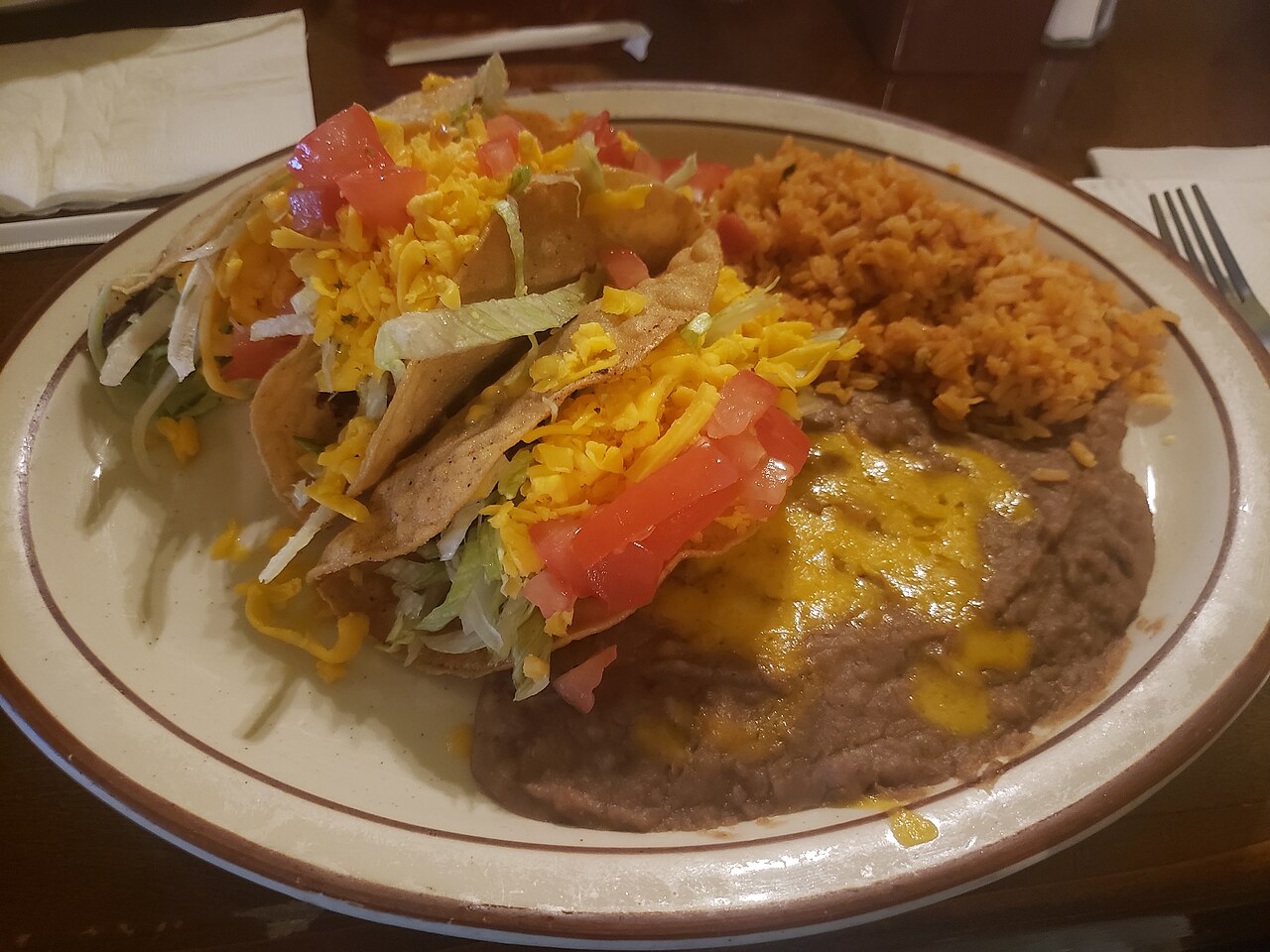
A combination plate is a term with multiple meanings across different fields. It can refer to a meal featuring a combination of foods, a type of tableware with separate compartments, a dental denture made from multiple materials, a crystal or mineral formation, a printing plate combining line drawings and halftones, or a wall plate with various ports for electrical items.
- field
- Multiple (culinary, tableware, dentistry, gemology, printing, electrical)
- known_for
- Referring to a combination meal, compartment plate, mixed-material denture, combined crystal, dual-type printing plate, or multi-port wall plate
Lore & Background
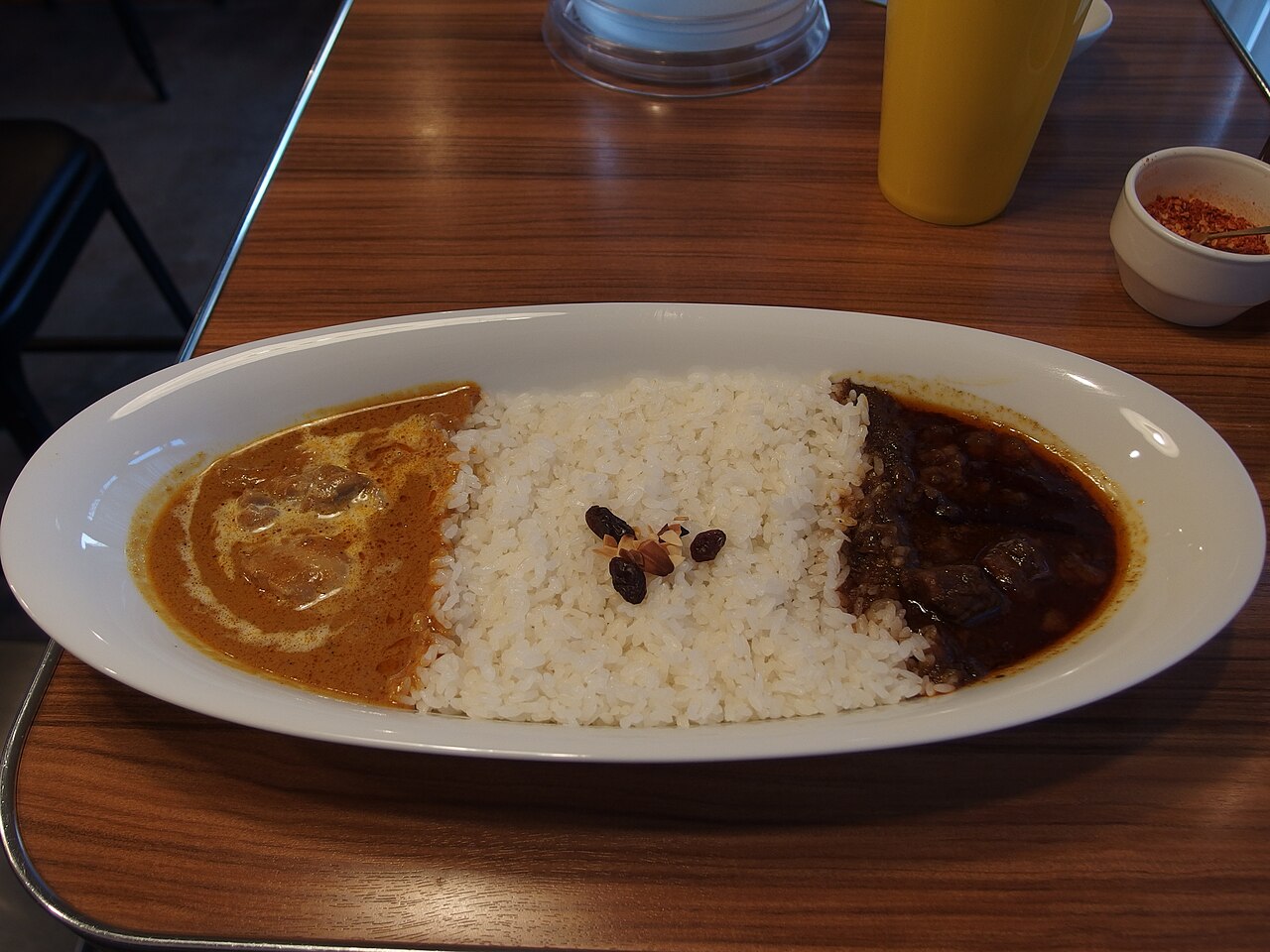
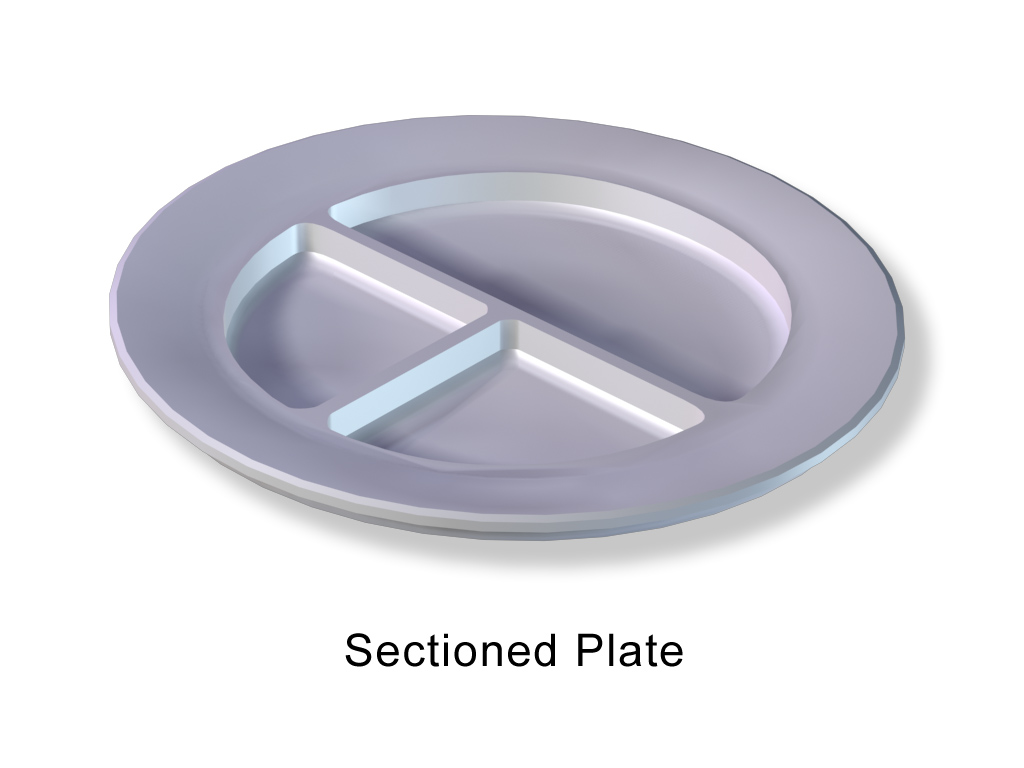
In culinary contexts, a combination plate may refer to specific meals such as a plate lunch (a traditional Hawaiian meal of rice, macaroni salad, and an entrée), a meat and three (a Southern American meal of one meat and three sides), a blue-plate special (a low-cost daily special in diners), a thali (an Indian meal of various dishes on one platter), an airline meal, a bento, a pu pu platter, meze, tiffin, charcuterie, a munchy box, prison food, a garrison ration, or a TV dinner. As tableware, a combination plate is a plate, dish, or platter with separate compartments for foods, also called a compartment plate or partition plate. In Nepal, this type is called a thaali, typically made of metal, and used for daal bhaat. In the United States, compartment plates have served table d'hôte dinners and been part of U.S. army mess kits.
Reader's Guide
The term 'combination plate' demonstrates how a single phrase can denote distinct concepts across diverse domains. In dining, it encompasses a wide range of cultural meals, from Hawaiian plate lunches to Indian thalis and Scottish munchy boxes, reflecting regional food traditions and serving styles. As tableware, the compartment plate facilitates organized meal presentation, with cultural variations like the Nepalese thaali. In dentistry, it refers to dentures made from combined materials such as gold and rubber or plastic and metal. In gemology, it describes naturally occurring combinations of crystals or minerals. In printing, it denotes a plate with both line drawings and halftones. In electrical contexts, it is a wall plate with multiple ports for switches and plugs. This multiplicity of meanings highlights the importance of context in interpreting technical and everyday language.
Did You Know?
- A combination plate can refer to a Hawaiian plate lunch consisting of rice, macaroni salad, and an entrée.
- In Nepal, a compartment plate called a thaali is typically made of metal and used for daal bhaat.
- In dentistry, combination plates have been made from materials such as gold and rubber, or plastic and metallic material.
- A combination plate in printing has both halftones and line drawings.
A Global Table of Combined Flavors
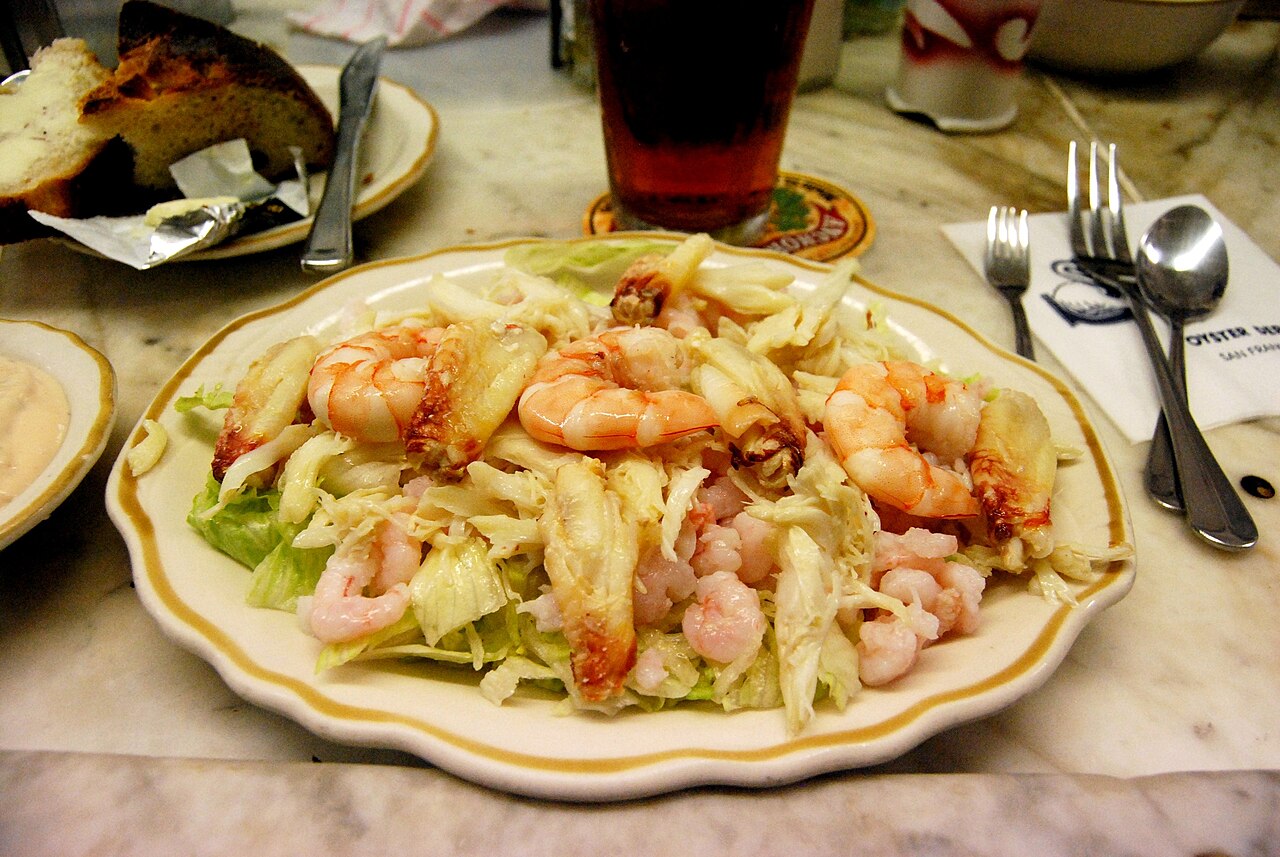
The term combination plate in culinary contexts captures a remarkably wide range of dining traditions across the globe. In Hawaii, the plate lunch pairs rice and macaroni salad with a chosen entrée, while Southern American diners know the meat-and-three format of one protein alongside three sides. India offers the thali, a single platter holding multiple distinct dishes, and the lighter tiffin snack. Japan's bento packs a single-portion meal into a box, and Mediterranean cultures present meze as an assortment of small appetizer dishes. American diners have long relied on the blue-plate special as an affordable daily option, while the pu pu platter gathers Chinese-American appetizers onto one tray. Even practical contexts like airline meals, prison food, garrison rations for soldiers, and the Scottish munchy box—a pizza box filled with assorted fried items—fall under this umbrella. The charcuterie board, pairing cured meats with cheese, fruits, and nuts, and the TV dinner as a frozen pre-packaged option round out the picture. What unites them all is the concept of multiple food elements brought together on one serving surface.
The Compartment Plate as a Physical Design
Beyond the food itself, the combination plate also names a specific piece of tableware: a plate, dish, or platter engineered with separate compartments so that different foods can be placed in distinct sections without mixing. This design has also been called a compartment plate or a partition plate. In Nepal, such a plate is known as a thaali and is typically crafted from metal; it is the traditional vessel for serving daal bhaat, a staple of Nepalese cuisine. In the United States, compartment plates found a role in serving table d'hôte dinners, where multiple courses or components are presented simultaneously on one surface. The U.S. Army also incorporated combination plates into its mess kits, giving soldiers a practical way to portion out different food items during field operations. The physical plate thus bridges the culinary concept of a combined meal with a tangible, functional design that keeps flavors and textures separate while still presenting them as a unified dining experience.
Dentistry and Gemology: Scientific Uses of the Term
In the dental field, a combination plate describes dentures that are prepared and cast using a blend of different materials. The specific pairings documented in the literature include gold combined with rubber, plastic paired with metallic material, and gold joined with porcelain. Each combination serves to balance properties such as durability, flexibility, and appearance in a prosthetic that must function within the human mouth. In gemology, the phrase takes on a different but related meaning: a combination plate refers to two or more crystals and/or minerals that have formed together in a natural combination. Rather than a manufactured object, this is an observation of how geological processes can bring distinct mineral species into a single crystalline structure. Both uses share the core idea of distinct materials or substances united into one cohesive whole, whether that whole is a functional dental prosthesis or a naturally occurring mineral specimen.
Printing and Electrical Applications
In the world of printing and graphic arts, a combination plate is a printing plate that carries both halftone images and line drawings, often combined on the same surface. This dual capability allows a single plate to reproduce the continuous tonal gradations of a photograph alongside the crisp, solid edges of an illustration or text, streamlining the printing process by reducing the number of separate plates needed. In a completely different practical domain, the term applies to a combination wall plate—a molded electrical fixture that integrates a variety of ports for different items such as switches and plugs into one unit. This type of plate consolidates multiple electrical connections into a single wall-mounted surface, simplifying installation and reducing clutter. Both applications reflect the same underlying principle that gives the phrase its meaning: bringing two or more distinct functional elements together into a single, unified component that serves a combined purpose.
Gallery
Frequently Asked Questions
What is a combination plate in American cuisine?
A combination plate is a single meal that pairs a main protein with one or more sides—typically a starch, a vegetable, and sometimes a salad—all served together on one tray or platter. It became a staple of American cafeteria and diner service because it lets a diner build a balanced meal in one order.
What foods usually appear on a combination plate?
A classic American combination plate centers on a grilled, fried, or roasted protein (like chicken, fish, or a burger) alongside a starch such as rice, mashed potatoes, or french fries, plus a vegetable like steamed broccoli or coleslaw. A small salad or a scoop of ice cream may round out the plate depending on the restaurant.
How is a combination plate different from ordering à la carte?
Rather than picking each component separately and paying per item, a combination plate bundles the protein and sides into one pre-set portion at a single price point. This makes it faster for the kitchen to assemble and more budget-friendly for the diner.
Why did the combination plate become so iconic in American diners and cafeterias?
Mid-20th-century diners and institutional cafeterias needed a quick, standardized way to serve a complete, balanced meal without long wait times. The combination plate solved that by letting staff pre-portion sides and simply add the cooked protein, streamlining both service speed and portion control.
What kind of tableware is a combination plate actually served on?
It is most often presented on a compartmentalized tray or a divided ceramic plate with separate wells for the protein, starch, and vegetable, keeping sauces and textures from mixing. Some diners use a simple round plate with the items arranged in distinct sections instead.
More in American cuisine 1-24
Spotted an error? Know more?
This is a living reference — every entry is fact-audited, and reader corrections feed straight into our audit queue. Suggest an edit · See this site's audit record