
Gostilitsy
Russian village with a historic estate and World Heritage site.

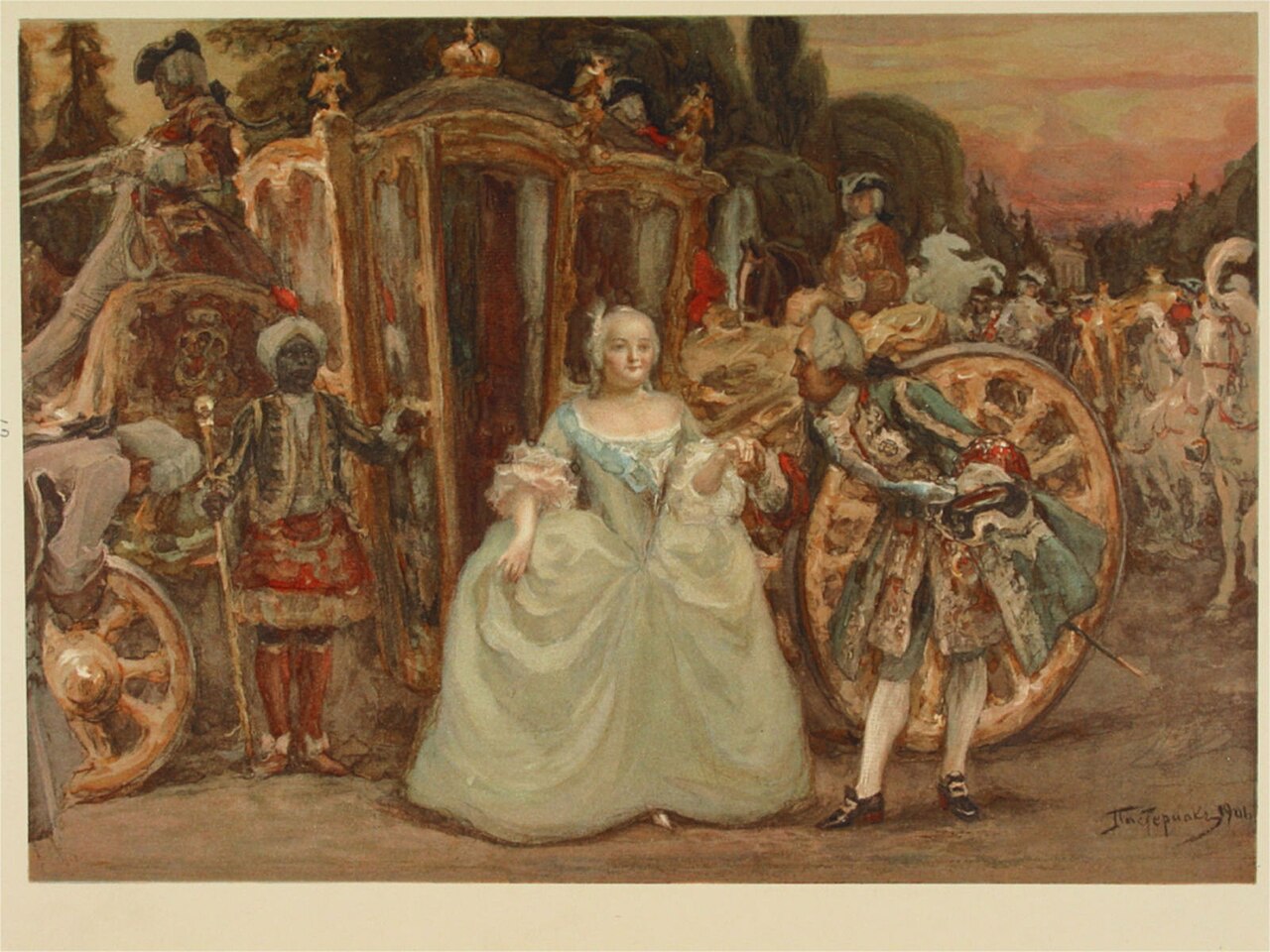
Л. Пастернак · Public domain
Gostilitsy is a village in Leningrad Oblast, Russia, serving as the administrative center of Gostilitskoye Rural Settlement within Lomonosovsky District. It lies a few kilometers west of the town of Petergof. The village is known for its aristocratic estate, though it is not part of the UNESCO World Heritage site "Historic Centre of Saint Petersburg and Related Groups of Monuments."
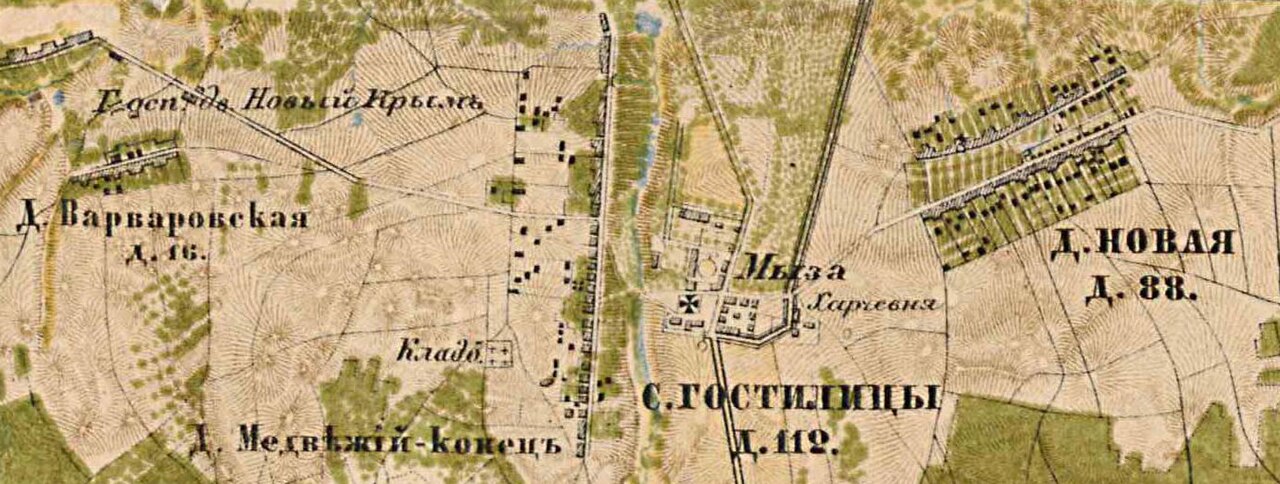
The settlement was first recorded under its current name in the 16th century. The land west of Saint Petersburg, including Gostilitsy, came under Swedish control in 1617 through the Treaty of Stolbovo. Russia regained the territory in 1703 during the Great Northern War. Following the war, Tsar Peter the Great granted the area to his personal physician, Robert Areskin. Over the years, the estate passed through many hands. One owner in the 1720s was Burkhard Christoph von Münnich. In the mid-18th century, Alexey Razumovsky held the estate and built a palace intended for the royal family’s use during travels from Saint Petersburg. In 1845, the estate was owned by a member of the Potyomkin family, though not Colonel Alexander Potyomkin, and underwent renovations. Architect Andrei Stackenschneider was hired to completely redesign the palace and create a landscape park around it. During World War II, from August 1941 to January 1944, Gostilitsy lay on the edge of the Oranienbaum Bridgehead, a Soviet-held area near Leningrad. The estate suffered heavy damage and was never rebuilt. By 2012, it stood deserted and close to collapse.
The Trinity Church, built in the mid-18th century in the Baroque style, features an oval shape and a low dome. Its exact construction dates are not consistently supported by reliable sources. It was closed in 1939 and fell out of use by the 1980s. In 1993, the church was returned to the Russian Orthodox Church and restored. It is now the oldest and best-preserved building on the estate. The main palace, originally constructed in the 1720s when Burkhard Christoph von Münnich owned the estate, was redesigned in the 1780s and again in the 1840s. It has two stories and a complex layout with towers and a gallery. Severely damaged during World War II, it was never restored. Several other estate buildings remain: the northern building (early 19th century), the southern building (1760s, used for guests), and the southeastern building (1760s).
- Location
- Lomonosovsky District, Leningrad Oblast, Russia
- First mentioned
- 16th century
- Notable for
- Aristocratic estate (not part of UNESCO World Heritage site)
- Key owners
- Robert Areskin, Burkhard Christoph von Münnich, Alexey Razumovsky, member of the Potyomkin family
- Architect
- Andrei Stackenschneider
- World war ii role
- Edge of the Oranienbaum Bridgehead (1941–1944)
Lore & Background
Gostilitsy was first mentioned in the 16th century. The area was transferred to Sweden in 1617 under the Treaty of Stolbovo and reconquered by Russia in 1703 during the Great Northern War. After the war, Tsar Peter the Great granted the estate to his personal doctor, Robert Areskin, and it subsequently changed hands several times. In the 1720s, it belonged to Burkhard Christoph von Münnich. In the mid-18th century, Alexey Razumovsky owned the estate and built a palace intended to serve the royal family traveling from Saint Petersburg. In 1845, a member of the Potyomkin family (not Colonel Alexander Potyomkin) commissioned architect Andrei Stackenschneider to renovate the palace and design a landscape park with canals and water features.
Reader's Guide
Gostilitsy's significance lies in its aristocratic estate, which is part of the UNESCO World Heritage site 'Historic Centre of Saint Petersburg and Related Groups of Monuments.' The estate's palace, built in the 1720s and redesigned in the 1780s and 1840s, was severely damaged during World War II and never restored. The Trinity Church (1755–1764), built in baroque style with an oval shape and low dome, is the oldest and best-preserved building on the estate; it was closed in 1939, disused from the 1980s, and restored after being transferred to the Russian Orthodox Church in 1993. The landscape park, designed by Stackenschneider, retains several arched bridges and the Tea Pavilion from the mid-18th century. As of 2012, the estate was deserted and at the verge of collapse. The village also hosts the Gostilitsy Airfield, which regularly holds competition aerobatics events.
Did You Know?
- The estate was granted to Robert Areskin, personal doctor of Tsar Peter the Great, after the Great Northern War.
- The Trinity Church, built between 1755 and 1764, is the oldest and best-preserved building on the estate.
- The Gostilitsy Airfield hosts regular competition aerobatics events.
A Succession of Powerful Patrons
The village of Gostilitsy, first recorded in the 16th century, sits just west of Petergof in Leningrad Oblast, and its fortunes were shaped by shifting imperial and foreign control. Under the 1617 Treaty of Stolbovo, the territory fell to Sweden, only to be retaken by Russia in 1703 during the Great Northern War. In the aftermath, Tsar Peter the Great's personal physician, Robert Areskin, received the land. Ownership then cycled through several hands before Alexander Menshikov held it in the 1720s. By mid-century, Alexey Razumovsky owned the estate and commissioned a palace intended to shelter the royal family during travel from Saint Petersburg. In 1845, Colonel Alexander Potyomkin, then the proprietor, undertook a major renovation, commissioning architect Andrei Stackenschneider to completely reimagine the palace and its surrounding landscape park. This chain of aristocratic and military patrons gave Gostilitsy a layered history of elite Russian life spanning well over two centuries.
Architectural Layers of the Estate
The Gostilitsy estate reads as a palimpsest of architectural ambition across generations. The palace itself dates to the 1720s, when Burkhard Christoph von Münnich owned the property, and was subsequently redesigned in the 1780s and again in the 1840s. Its two-storey structure features a sophisticated composition incorporating towers and a gallery. The Trinity Church, constructed between 1755 and 1764 in a baroque idiom, presents an oval plan crowned by a low dome; it stands as the oldest and best-preserved building on the grounds. Additional structures include a northern building from the early 19th century, a southern guest lodge from the 1760s, a southeastern building of the same period, a small orangery, and a priest's house. Stackenschneider's 1845 landscape design once featured canals and waterfalls, though today only several arched bridges and the mid-18th-century Tea Pavilion remain as tangible traces of that elaborate water garden.
War, Ruin, and the Long Silence
Between August 1941 and January 1944, Gostilitsy lay at the very edge of the Oranienbaum Bridgehead, the narrow strip of territory adjacent to Leningrad that Soviet forces held throughout the siege. The estate suffered severe damage during this period of intense front-line fighting. Unlike many other historic properties in the region, the palace was never restored after the war. The Trinity Church had already been closed in 1939 and lay disused from the 1980s onward, though it was eventually returned to the Russian Orthodox Church in 1993 and carefully restored. By 2012, the broader Gostilitsy Estate stood deserted and on the verge of structural collapse. The contrast between the church's deliberate revival and the palace's continued decay encapsulates a broader pattern of selective preservation in postwar Russia, where wartime losses in peripheral locations often went unaddressed for generations.
A Living Village at the Crossroads
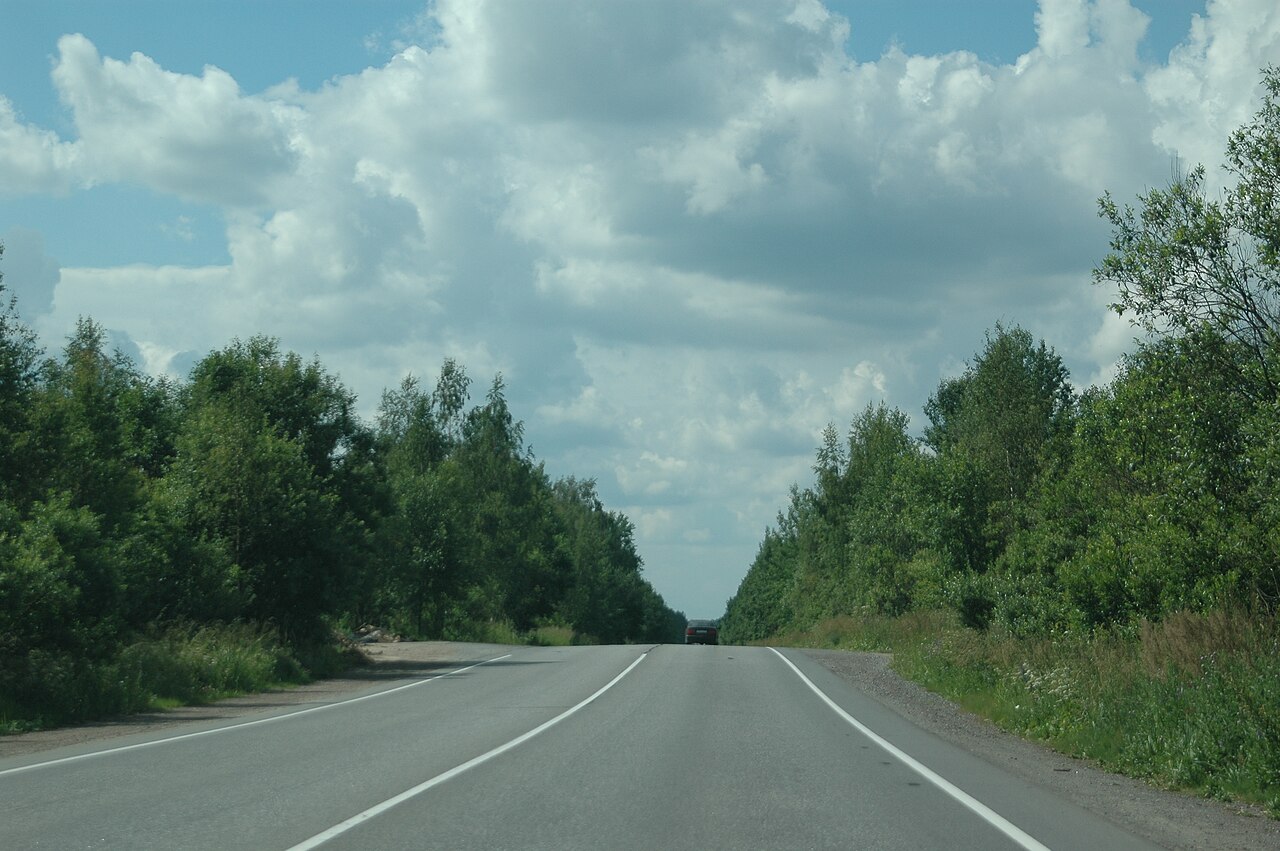
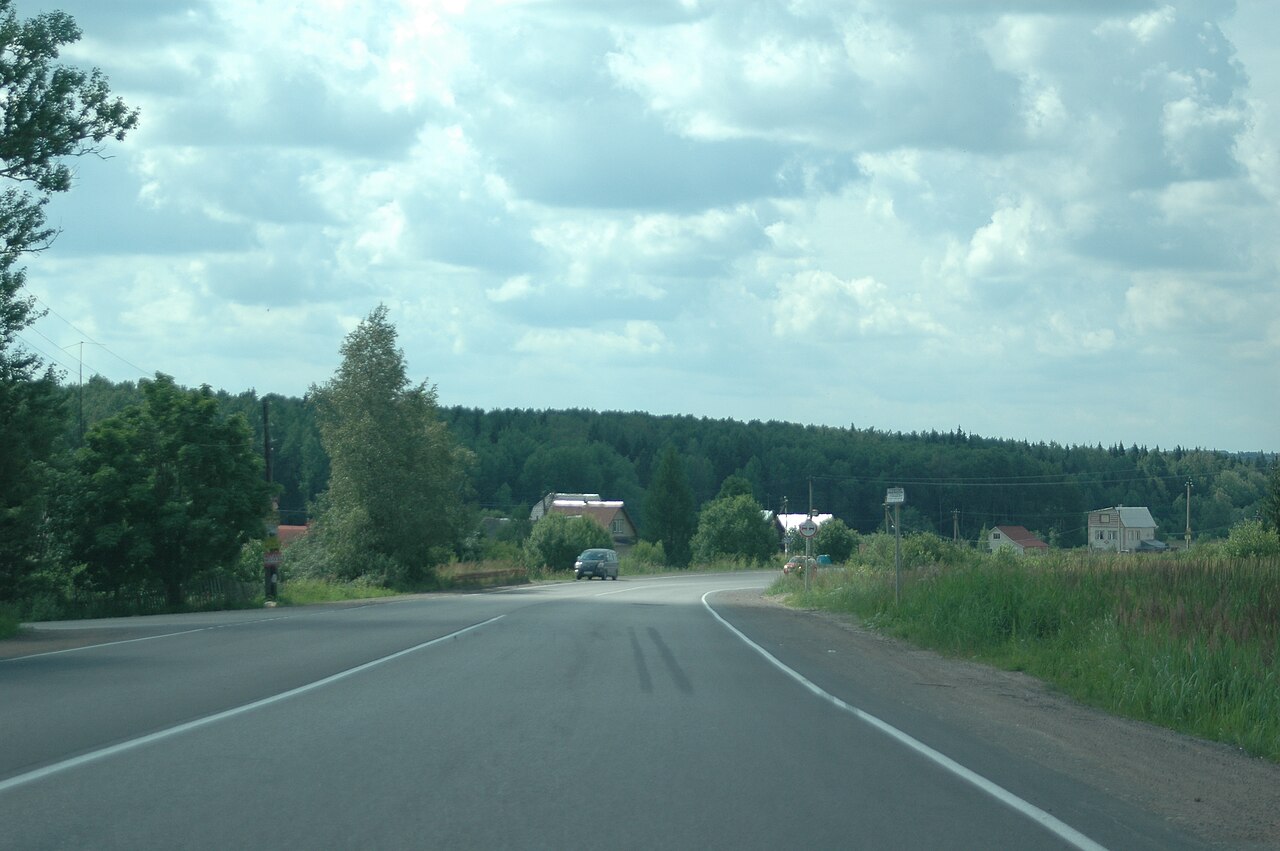
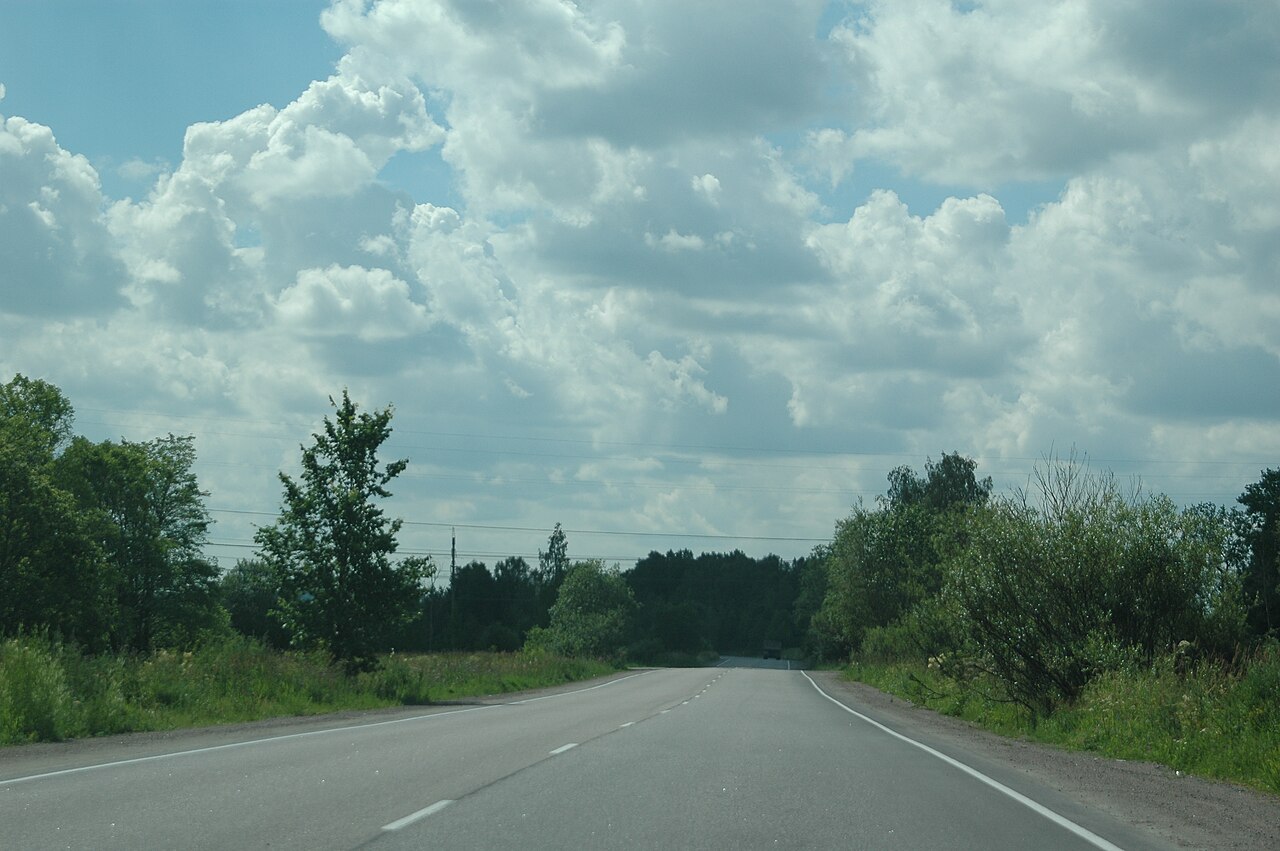
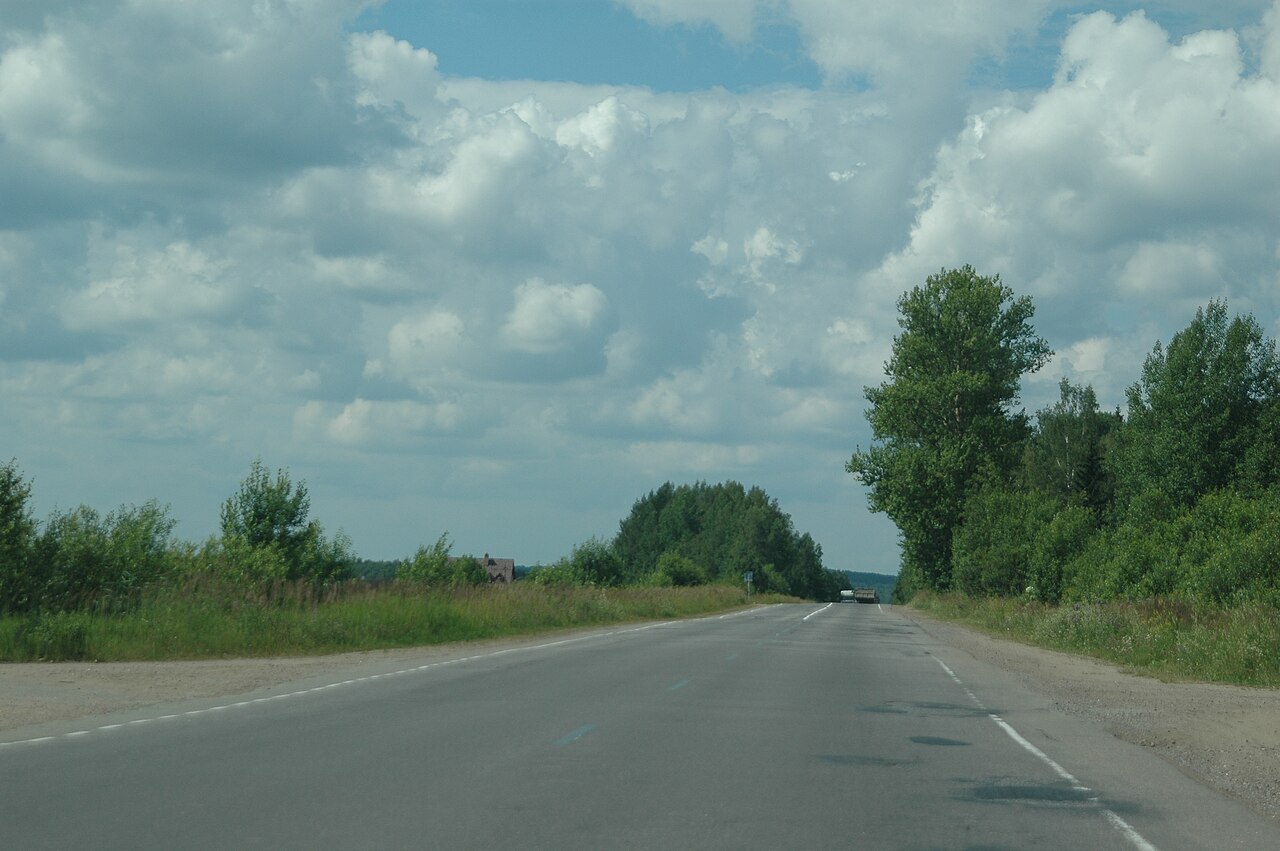
Today Gostilitsy serves as the administrative center of Gostilitskoye Rural Settlement in Lomonosovsky District, a modest village positioned at a genuine road crossroads. The R35 highway, locally known as the Gostilitskoye Highway, links Petergof westward to Lopukhinka and onward to Kingisepp, while the A120 ring road around Saint Petersburg terminates in Bolshaya Izhora just to the north. Roads also extend eastward toward Ropsha and Krasnoye Selo. The nearest railway station sits in Petergof, a short distance away. Beyond its transport role, the village hosts the Gostilitsy Airfield, a venue that regularly stages competition aerobatics events, drawing spectators and pilots to the area. The estate's inclusion within the UNESCO World Heritage listing for the Historic Centre of Saint Petersburg and Related Groups of Monuments underscores that, despite its current state of disrepair, Gostilitsy retains a recognized cultural significance that extends well beyond its small population.
Gallery
Frequently Asked Questions
What exactly is Gostilitsy and where is it located?
Gostilitsy is a small village in Lomonosovsky District, Leningrad Oblast, sitting just a few kilometres west of the town of Petergof. It functions as the administrative seat of Gostilitskoye Rural Settlement and is best known for its historic aristocratic estate.
Is Gostilitsy a UNESCO World Heritage Site?
No. Although it sits in the broader Saint Petersburg region, Gostilitsy and its estate are not included in the UNESCO listing 'Historic Centre of Saint Petersburg and Related Groups of Monuments.' It is a notable local heritage site but carries no World Heritage designation.
Who were the notable owners of the Gostilitsy estate?
Over the centuries the property passed through the hands of several prominent figures, including Robert Areskin, Burkhard Christoph von Münnich, Alexey Razumovsky, and a member of the Potyomkin family. The estate's architecture is attributed to Andrei Stackenschneider, a well-known Petersburg-era builder.
What was Gostilitsy's role during World War II?
The village sat on the edge of the Oranienbaum Bridgehead, a heavily contested military zone that was besiehed by German forces from 1941 until it was finally liberated in 1944. Residents endured years of encirclement and shelling during that period.
How old is the settlement of Gostilitsy?
The village first appears in written records under its current name in the 16th century. The wider area west of Saint Petersburg, including Gostilitsy, was ceded to Sweden by the 1617 Treaty of Stolbovo before eventually returning to Russian control.
More in World Heritage Sites in Russia 1-24
Spotted an error? Know more?
Reader corrections go straight into our review queue. Suggest an edit · How this site is sourced