
Golden Mountains of Altai
UNESCO site with altitudinal zones and endangered species.

Francesco Bandarin · CC BY-SA 3.0 igo
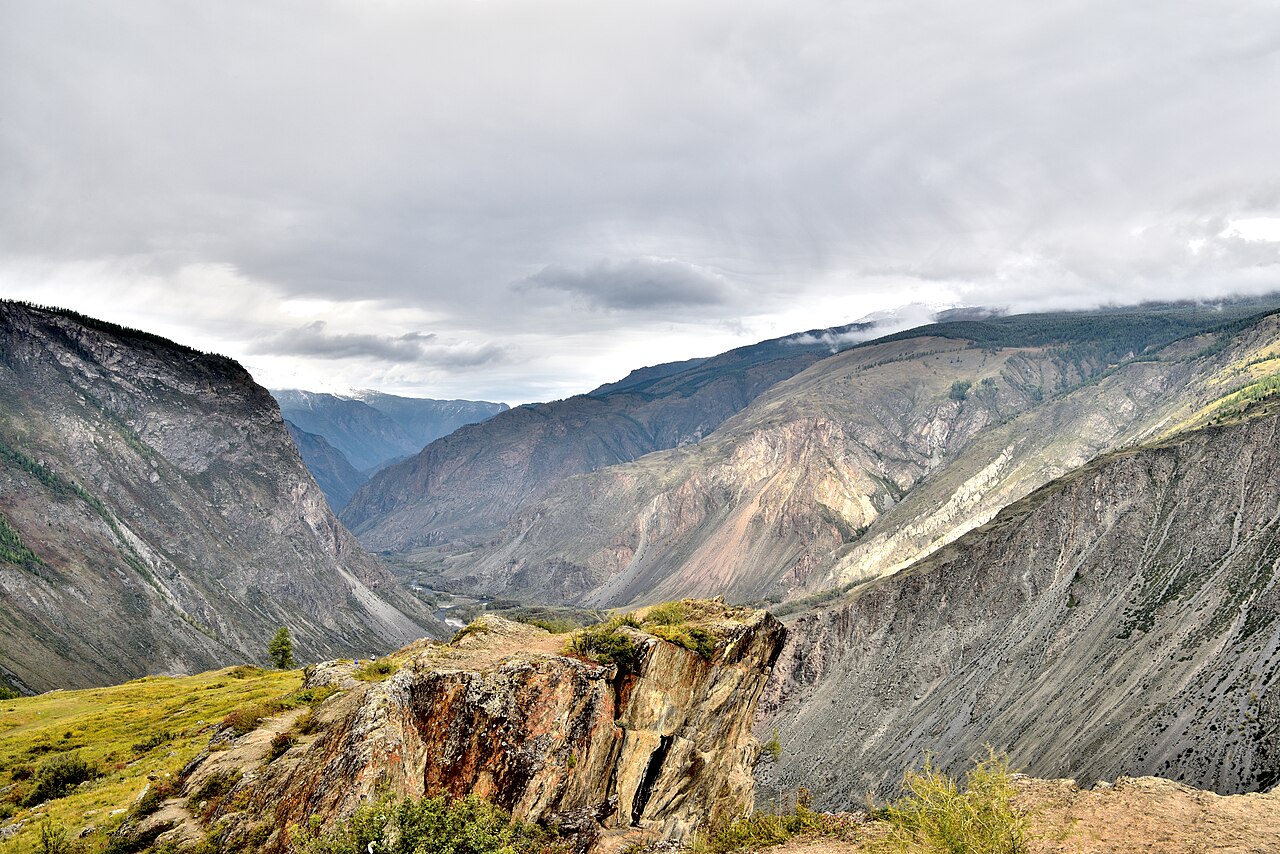
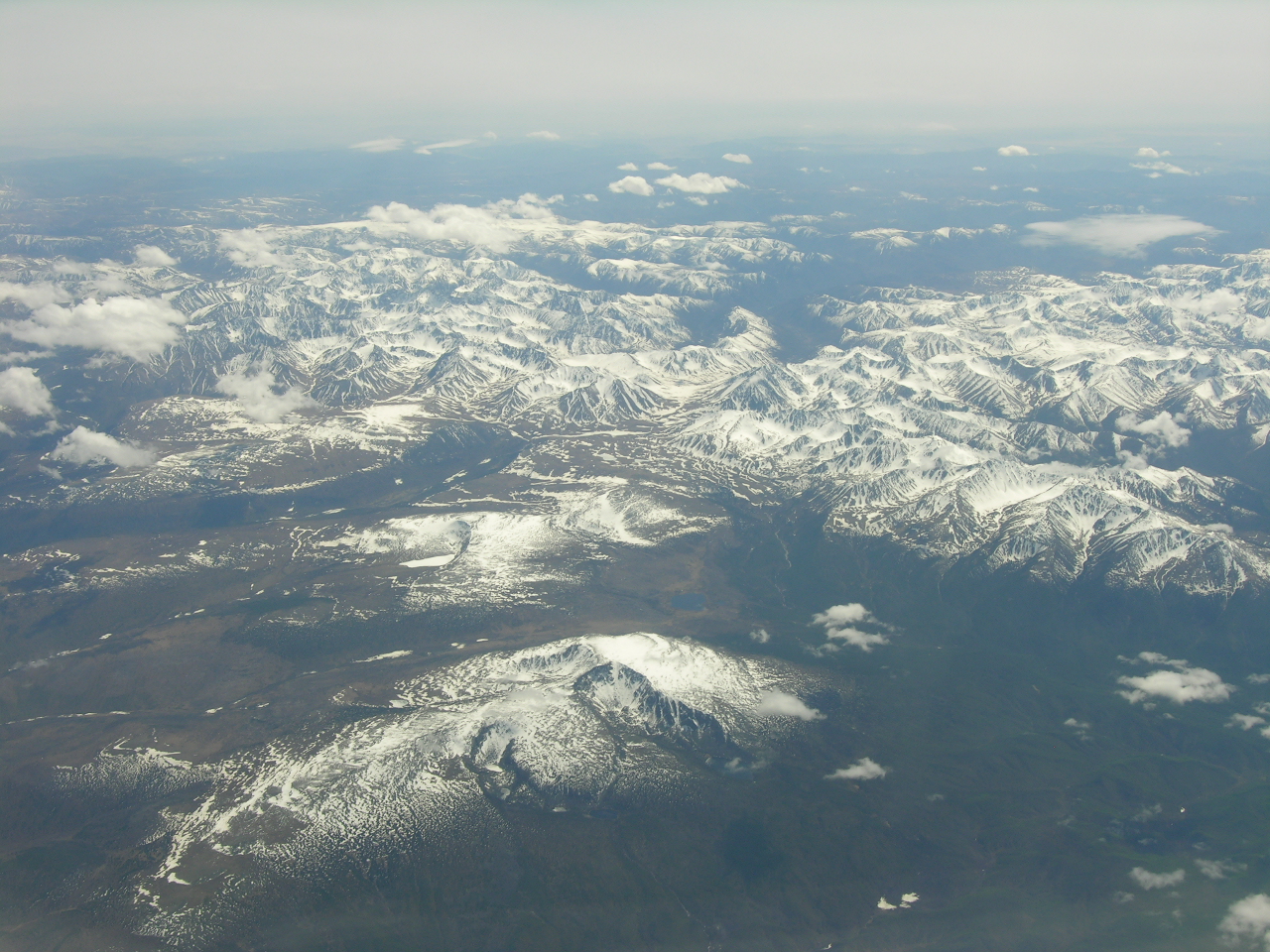
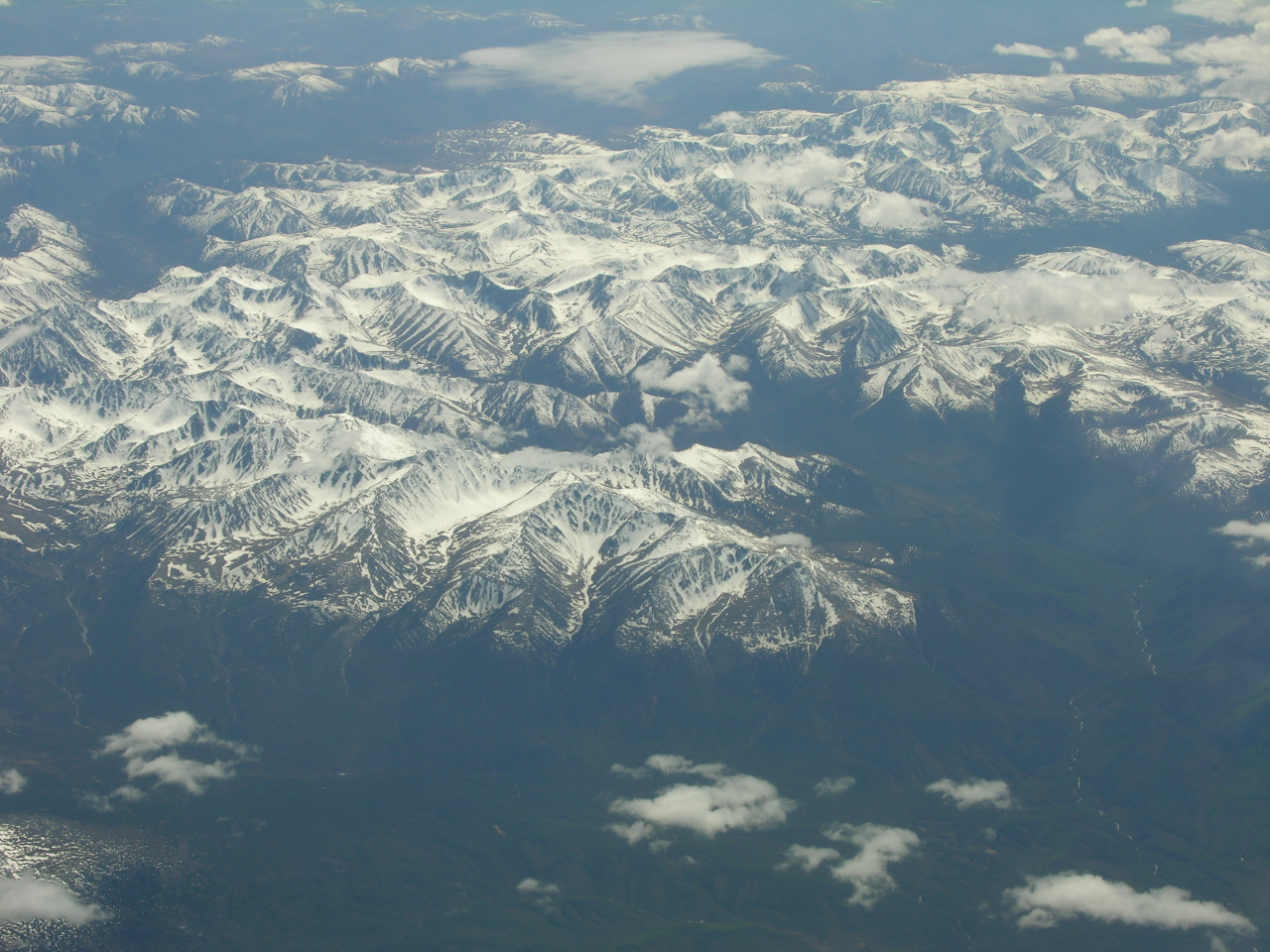
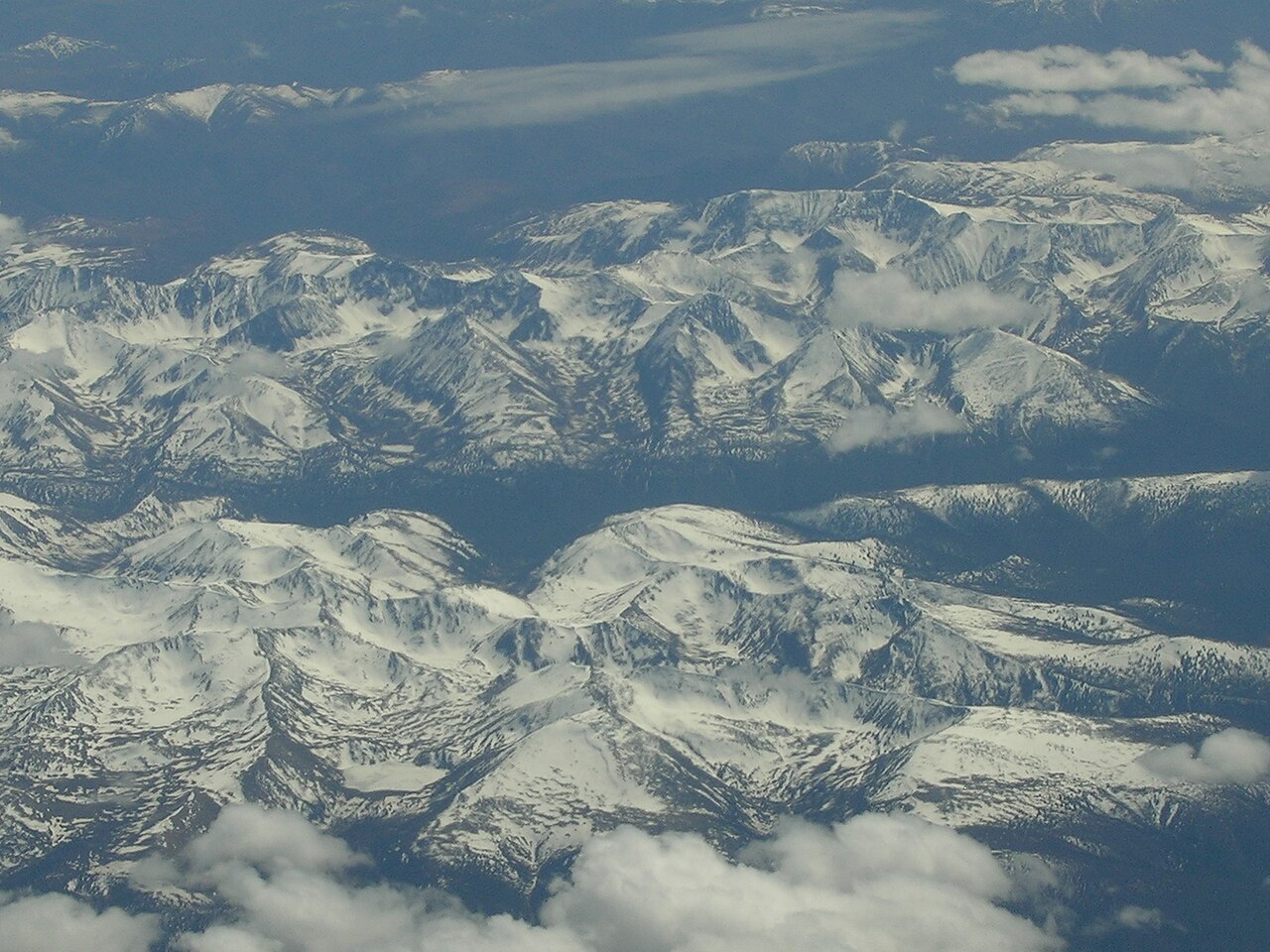
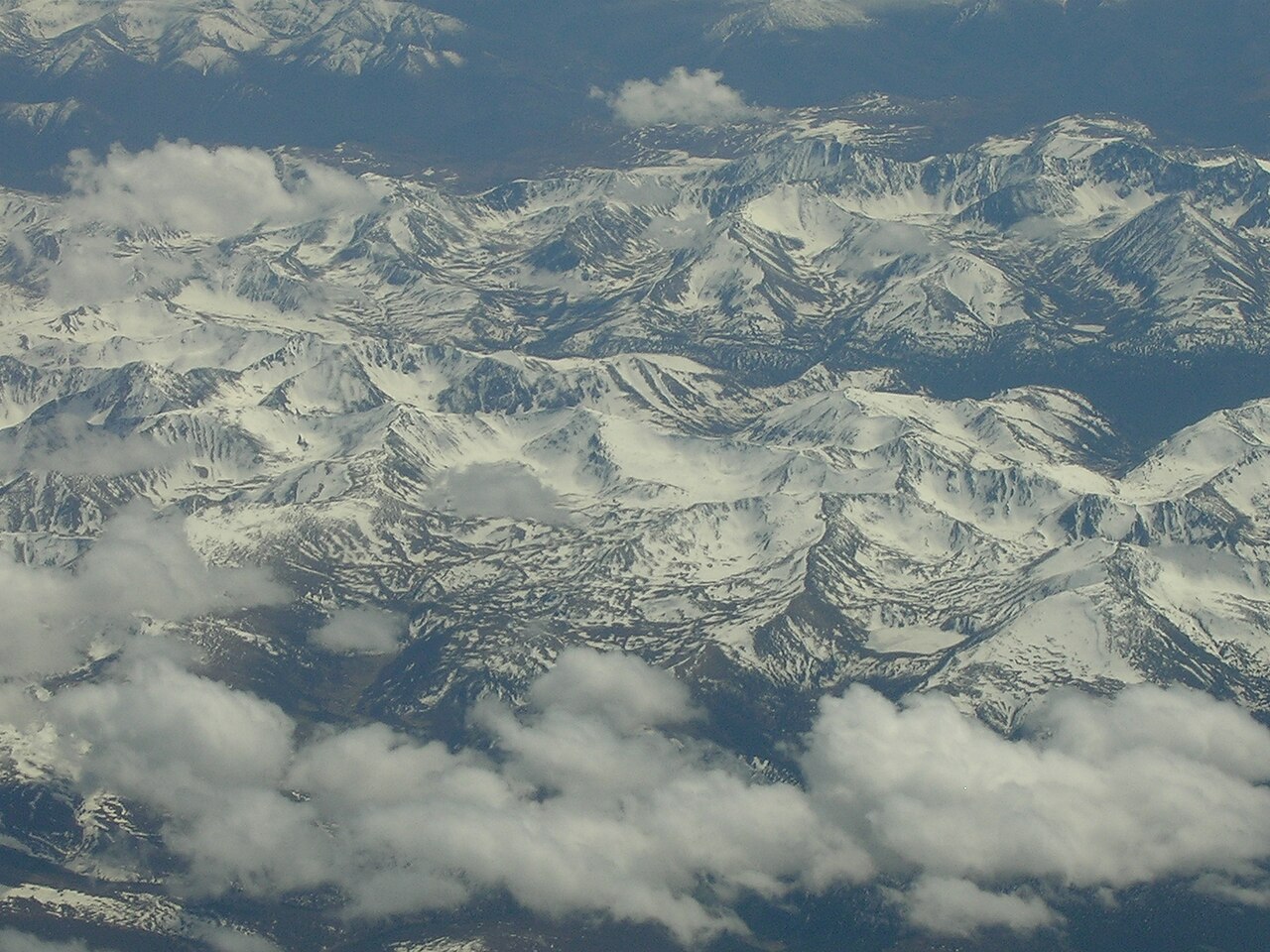
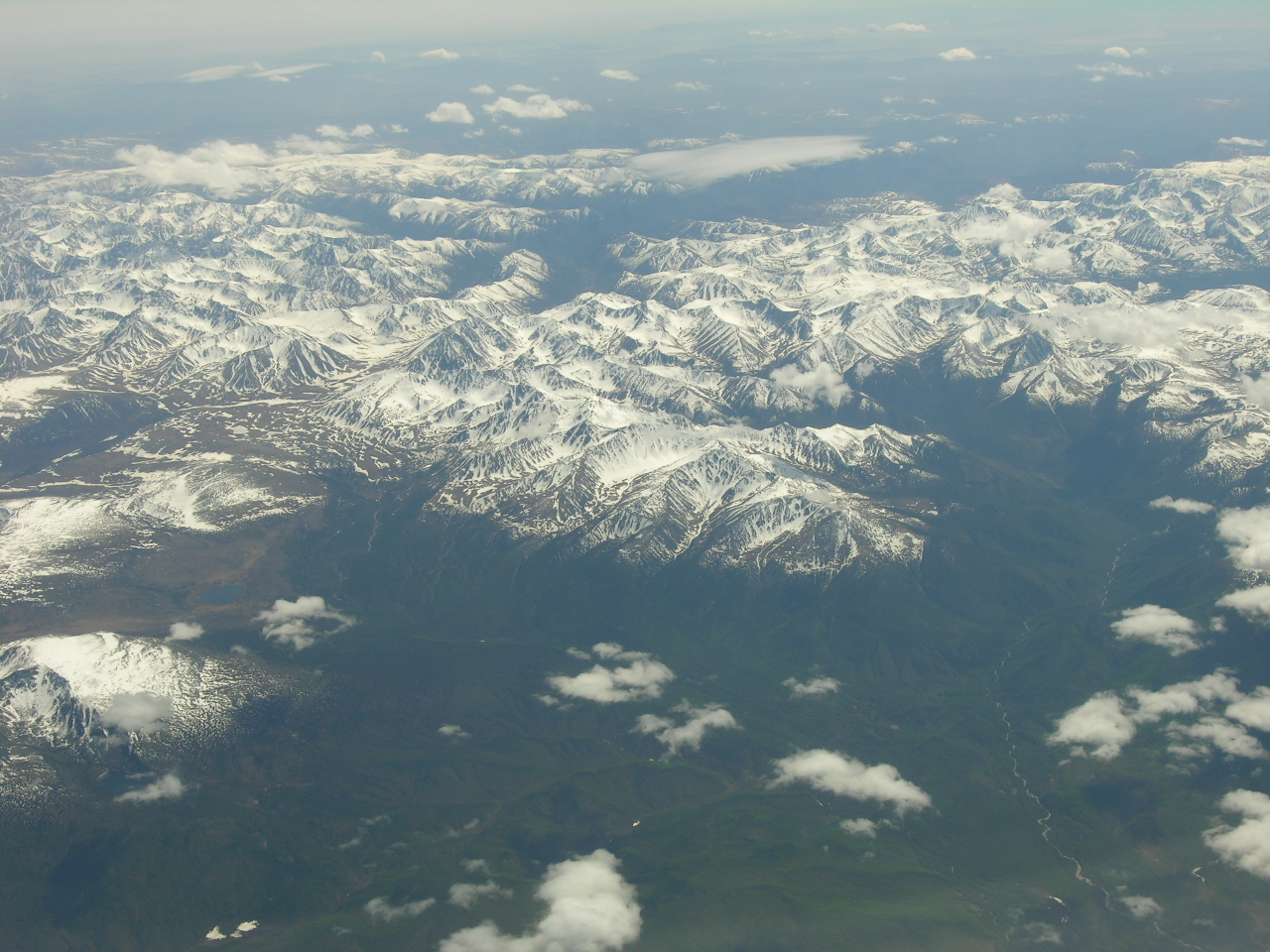
The Golden Mountains of Altai, a UNESCO World Heritage Site in Russia, includes the Altai and Katun Natural Reserves, Lake Teletskoye, Belukha Mountain, and the Ukok Plateau. Spanning 16,175 km², the site is valued for displaying the most complete sequence of altitudinal vegetation zones in Central Siberia—from steppe and forest-steppe to mixed forest, subalpine, and alpine zones. UNESCO also recognized the area for protecting endangered mammals like the snow leopard, Altai argali, and Siberian ibex.
Tourists commonly visit four locations: Mount Belukha, the Ukok Plateau, the Katun River, and the Karakol Valley. Belukha, sacred to Buddhists and Burkhanists, is linked to myths of Shangri-la (Shambala) and was first climbed in the early 1900s; it now attracts many climbers annually. The Ukok Plateau serves as an ancient burial site for early Siberian peoples, surrounded by local myths. The Katun River is a key feature of the site, known for its scenic and cultural significance. The Karakol Valley is known for its pristine lakes, situated between 1,820 and 2,097 meters above sea level.
Although listed under natural criteria, the site preserves evidence of nomadic Scythian culture. Permafrost has kept Scythian burial mounds (kurgans) intact, containing metal objects, gold, mummified and tattooed bodies, sacrificed horses, and items of wood, leather, cloth, and textiles. However, the Ukok Plateau is sacred to the Altai people, making archaeological excavation of human remains controversial. The British Museum in London hosted an exhibition titled "Scythian Warriors of Ancient Siberia" from September 2017 to January 2018, sponsored by BP.
Climate change threatens the site. Permafrost melting endangers the tombs, with a 1°C temperature rise across Asia over the last century and a 2°C increase in the Altai foothills, especially in winter and spring. Glacial outburst floods are a growing problem; the Sofiyskiy Glacier retreats 18 meters per year. Rising temperatures also endanger species like the snow leopard, Altai argali, steppe eagle, and black stork.
In 2005, the UNESCO World Heritage Centre launched the Preservation of the Frozen Tombs of the Altai Mountains Project, funded by the UNESCO/Flemish Funds-in-Trust, but the project ended by May 14, 2008.
Quick Facts
- Location
- Altai Republic, Russia
- Includes
- #Altaisky Zapovednik and Buffer zone of Teletskoye Lake / #Katunsky Zapovednik and Buffer zone around Belukha Mountain / #Ukok Quiet Zone on the Ukok Plateau
- Criteria
- (x)(x)
- Year
- 1998
- Area
- 1,611,457 ha
Facts from the source article.
Lore & Background
Tourists commonly visit Mount Belukha, the Ukok Plateau, the Katun River, and the Karakol Valley. Mount Belukha is sacred to Buddhists and Burkhanists, who associate it with Shangri-la (Shambala); it was first climbed in the early 1900s and now hosts many climbers annually. The Ukok Plateau is an ancient burial site of early Siberian people, with associated myths. The Katun River is a key feature of the site, known for its scenic and cultural significance. The Karakol Valley is known for its pristine lakes at elevations between 1,820 and 2,097 meters.
Reader's Guide
The Golden Mountains of Altai, listed under natural criteria, also preserve evidence of nomadic Scythian culture through frozen burial mounds (kurgans) containing metal objects, gold, mummified and tattooed bodies, sacrificed horses, and textiles. The Ukok Plateau is sacred to the Altai people, causing controversy over archaeological excavations. Climate change threatens the site: permafrost melting endangers the tombs, with a 1°C temperature increase across Asia and 2°C in the Altai foothills over the past century, more pronounced in winter and spring. Glacial outburst floods are a problem, with the Sofiyskiy Glacier retreating 18 meters per year. Rising temperatures also threaten species like the snow leopard, Altai argali, steppe eagle, and black stork. The UNESCO World Heritage Centre launched the Preservation of the Frozen Tombs of the Altai Mountains Project in 2005 with Flemish funds, but it ended by May 14, 2008.
A Complete Vertical Ecosystem
The Golden Mountains of Altai, recognized by UNESCO as a World Heritage Site, encompasses a staggering 16,178 square kilometers of Russian territory. This vast expanse brings together the Altai and Katun Natural Reserves, Lake Teletskoye, Belukha Mountain, and the Ukok Plateau into a single protected landscape. What makes this region truly extraordinary is its botanical completeness: it presents the most full sequence of altitudinal vegetation zones found anywhere in central Siberia, progressing from open steppe through forest-steppe and mixed forest, up through subalpine communities, and finally into alpine tundra. This vertical diversity creates habitat corridors for a remarkable assemblage of wildlife. UNESCO specifically highlighted the area's role in sheltering globally threatened mammals, including the snow leopard, the Altai argali, and the Siberian ibex. Additional species such as the steppe eagle and the black stork also depend on these mountain ecosystems, making the site a critical refuge for biodiversity in an increasingly fragmented landscape.
Sacred Peaks and Living Traditions
For the peoples of the Altai, this landscape is far more than a scenic backdrop; it is a living spiritual geography. Mount Belukha, the range's highest point, holds deep sacred significance for both Buddhists and Burkhanists, whose oral traditions once identified it as the earthly location of Shangri-la, or Shambala. Though the peak was first summited in the early twentieth century, it continues to draw climbers from around the world each year, many of whom arrive with a sense of reverence inherited from those older mythologies. The Katun River serves as another focal point of Altai religious life, where communities draw upon generations of ecological knowledge to perform rituals that restore and maintain the waterway during seasonal celebrations. The Karakol Valley, with its cluster of pristine lakes perched between 1,820 and 2,097 meters above sea level, offers a landscape of striking clarity. Meanwhile, the Ukok Plateau carries its own layer of myth and memory, connecting present-day Altai people to the ancient Siberian communities who once inhabited the highlands.
Frozen Tombs and the Scythian Past
Although UNESCO inscribed the Golden Mountains of Altai under natural heritage criteria, the site harbors an extraordinary archaeological record tied to the nomadic Scythian culture. The persistent permafrost in these high elevations has acted as a natural freezer, preserving burial mounds known as kurgans in remarkable condition. Within these frozen tombs, researchers have uncovered metalwork, fragments of gold, mummified human remains bearing intricate tattoos, sacrificed horses, wooden and leather artifacts, clothing, and textiles—objects that offer an unparalleled window into Scythian material life. The Ukok Plateau, where many of these kurgans are concentrated, remains a sacred ground for the Altai people, and any proposal by archaeologists to excavate human remains from the site generates significant ethical controversy. The cultural reach of these finds extended well beyond Russia: the British Museum in London mounted the exhibition "Scythian Warriors of Ancient Siberia" from September 2017 through January 2018, a display made possible through sponsorship by BP.
Warming Permafrost and the Race to Preserve
The very permafrost that has protected the Scythian kurgans for millennia is now the most vulnerable element in the Altai landscape. Across Asia, average temperatures have climbed by one degree Celsius over the past century, while the Altai foothills have warmed by two degrees, with the most dramatic shifts occurring in winter and spring. This warming is accelerating the retreat of glaciers; the Sofiyskiy Glacier, for instance, is receding at roughly eighteen meters per year, and glacial outburst floods have become an increasing hazard to surrounding communities. The same thermal shift threatens the region's endangered fauna—the snow leopard, Altai argali, steppe eagle, and black stork all face compounded pressure as their habitats shift. In response, UNESCO's World Heritage Centre launched the Preservation of the Frozen Tombs of the Altai Mountains Project in 2005, funded through the UNESCO/Flemish Funds-in-Trust. Yet by May 2008, that initiative had been wound down, leaving the tombs and the broader ecosystem exposed to an accelerating climate trajectory.
Gallery
Frequently Asked Questions
What exactly is the Golden Mountains of Altai?
It is a UNESCO World Heritage Site in southwestern Siberia that bundles together the Altai and Katun Natural Reserves, Lake Teletskoye, Mount Belukha, and the Ukok Plateau into one protected landscape.
How large is the Golden Mountains of Altai site?
The protected area covers roughly 16,175 square kilometres (about 6,245 square miles), making it one of the larger heritage designations in Russia.
Why did UNESCO pick this region over other Siberian landscapes?
The committee highlighted that it preserves the most uninterrupted altitudinal vegetation gradient in Central Siberia, running from lowland steppe all the way up through forest, subalpine, and alpine bands.
Which endangered species does the site protect?
The designation specifically calls out the snow leopard, the Altai argali, and the Siberian ibex as key mammals whose habitats are safeguarded within the reserves.
What are the must-see spots for a first-time visitor?
Most itineraries centre on four highlights: the snow-capped peak of Mount Belukha, the sweeping grassland expanse of the Ukok Plateau, the winding Katun River, and the deep blue waters of Lake Teletskoye.
More in World Heritage Sites in Russia 1-24
Spotted an error? Know more?
Reader corrections go straight into our review queue. Suggest an edit · How this site is sourced