
Astronomical Observatory of Kazan University
Russian observatory added to UNESCO World Heritage in 2023.

Vyacheslav Kirillin · CC BY-SA 4.0
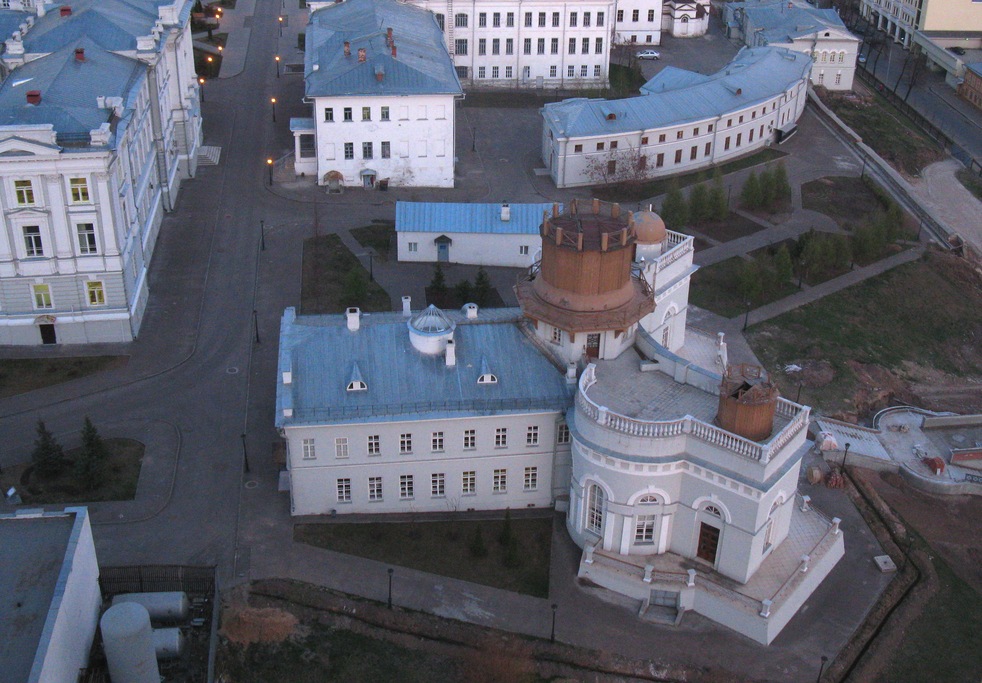
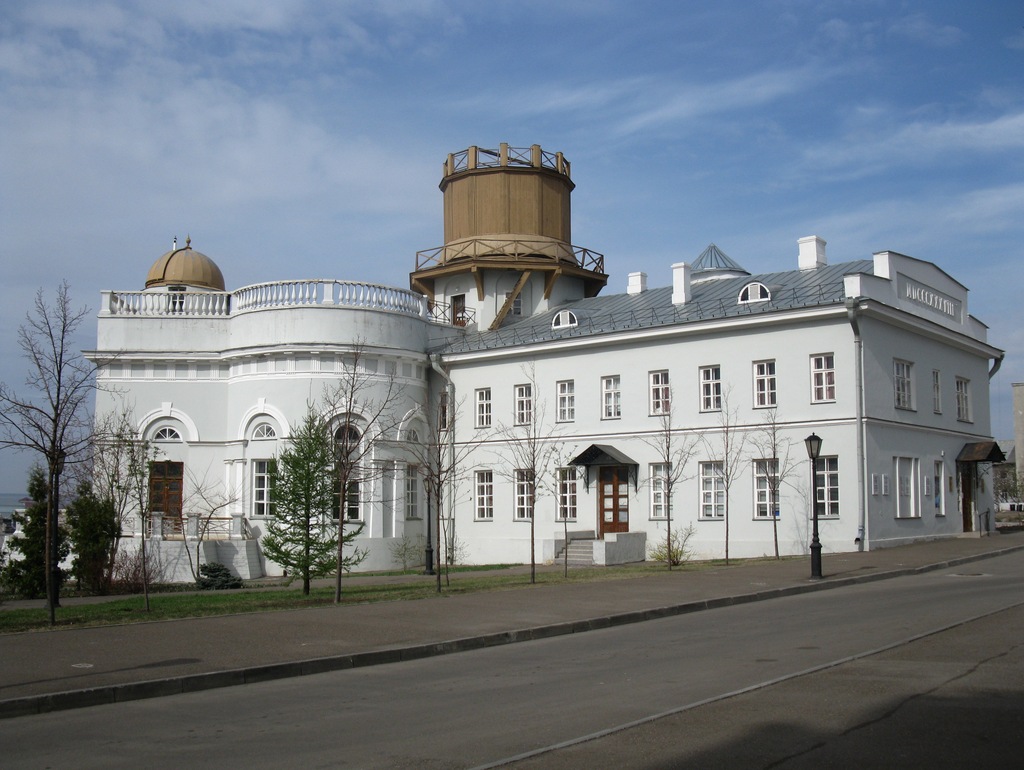
The Astronomical Observatory of Kazan University, a Russian facility, sits 75 meters above sea level in the city of Kazan. It operates under the Department of Astronomy of Kazan University, a department that traces its origins to 1810, with Joseph Johann von Littrow as its first director. In September 2023, UNESCO added this observatory and the Engelhardt Observatory to its World Heritage List, even though ICOMOS had advised against the designation.
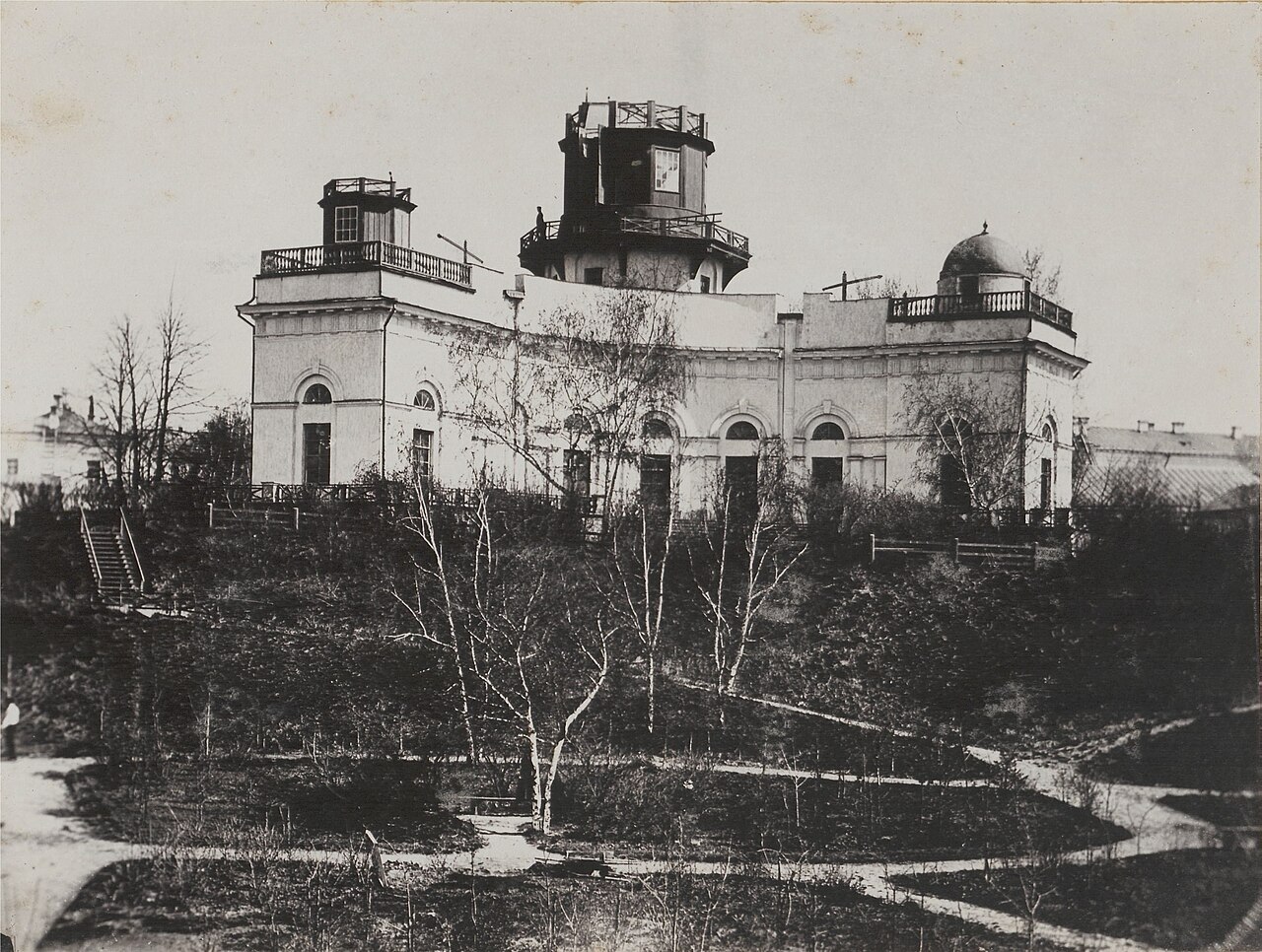
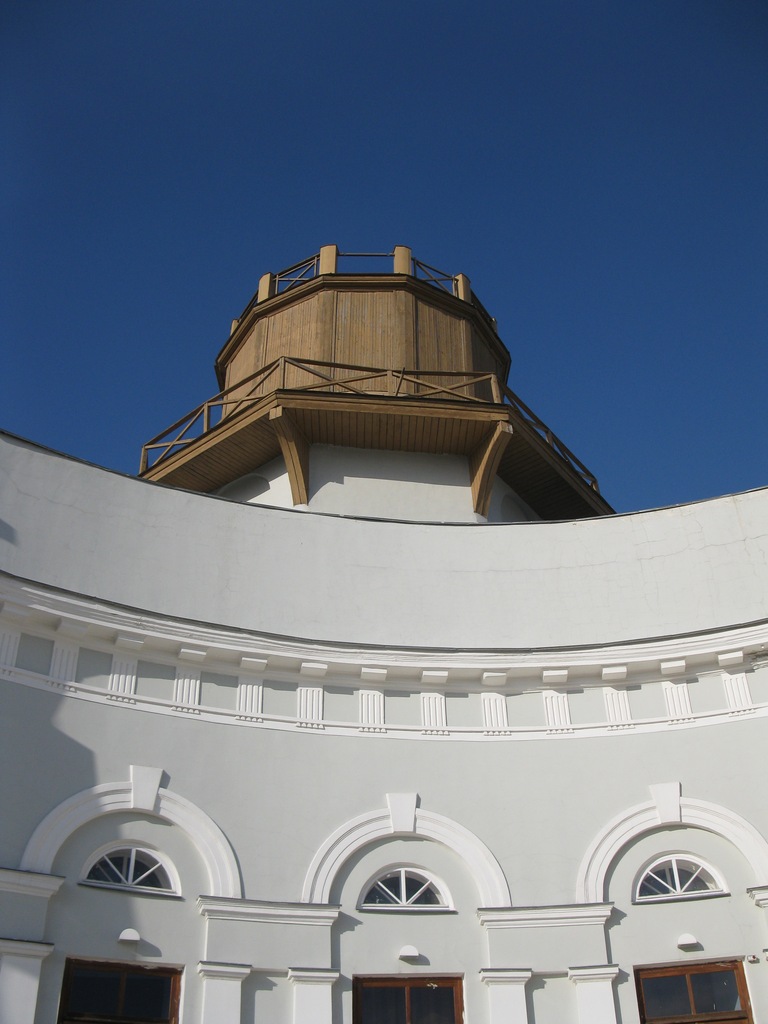
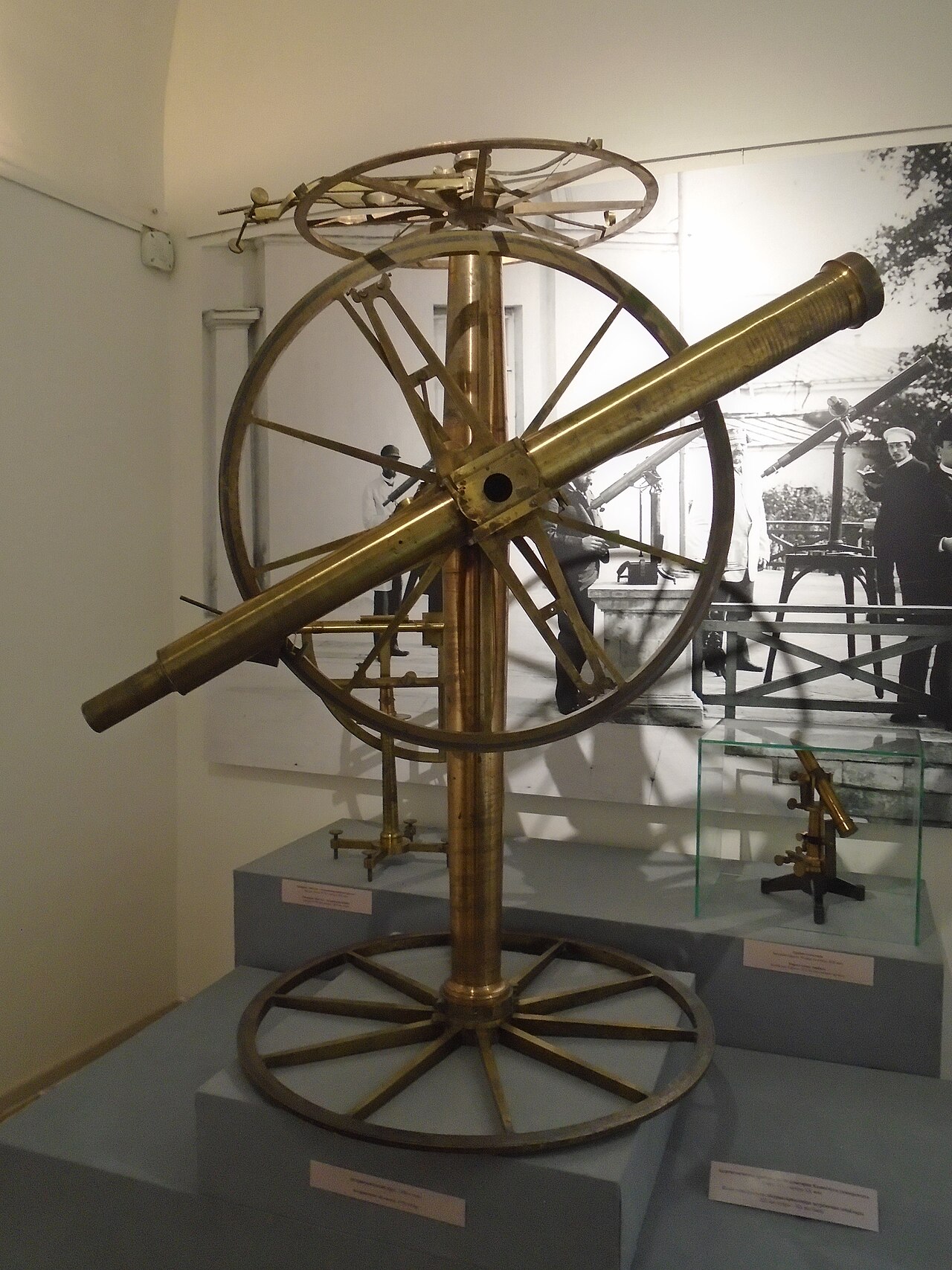
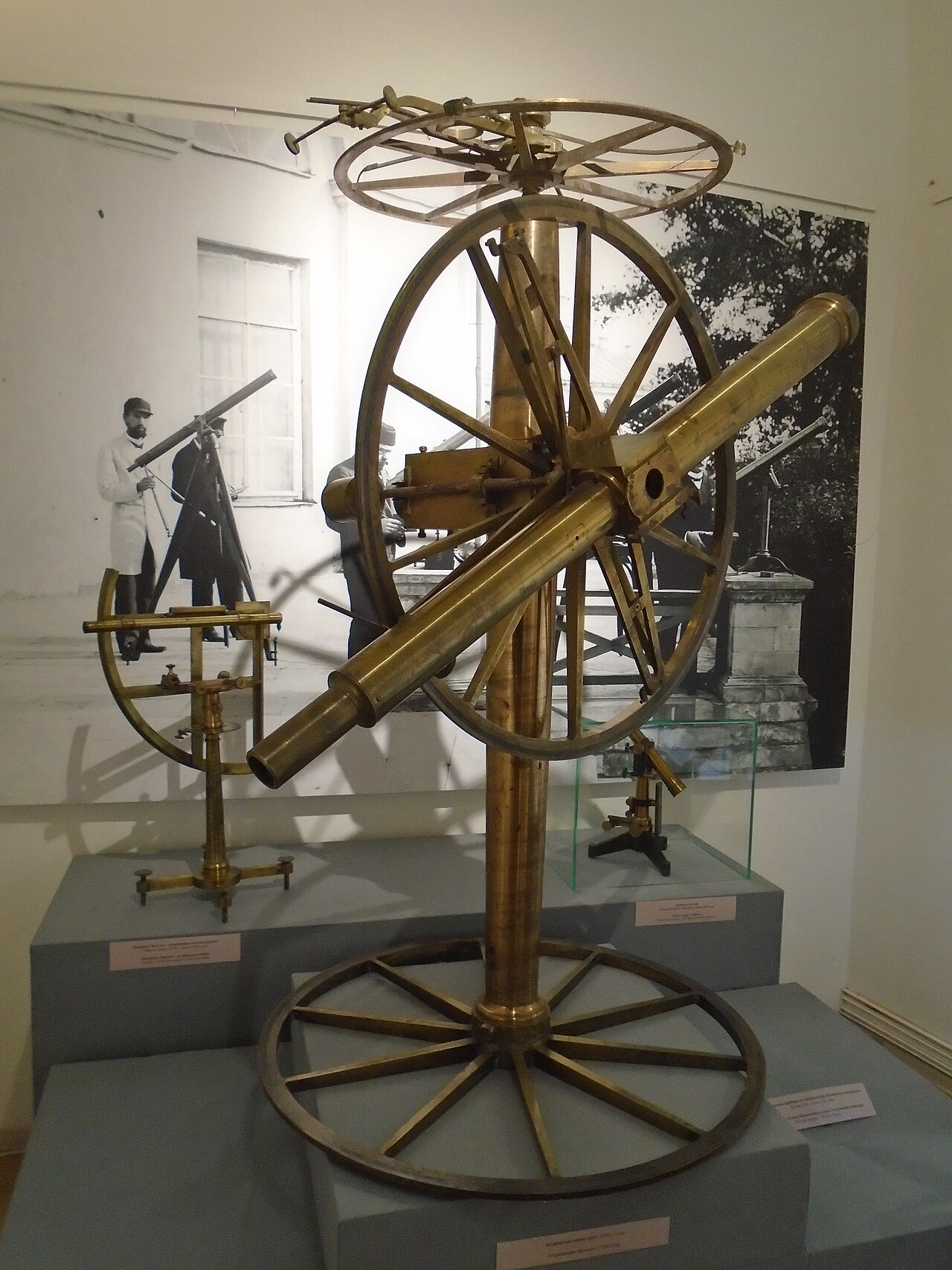
The Department of Astronomy at the Imperial Kazan University was established in 1810, with Joseph Johann Littrow appointed as its first director. Initial observations began on November 11, 1814, from a temporary structure built above a stone gatehouse in the university’s botanical garden. At that time, it held the title of Europe’s easternmost observatory. In 1822, the observatory moved temporarily into a wooden gallery that was part of I. M. Simonov’s apartment. A permanent site was chosen in the university yard in 1827, and construction of the observatory building started in 1833. A 23-centimeter (9-inch) refractor was ordered from Fraunhofer’s workshop in 1835. The permanent building was finished in 1837, with first observations of the transit instrument occurring that June. The following year, the 9-inch refractor was delivered and installed in the fully movable main tower. The official founding date of the University Astronomical Observatory is April 13, 1838, when permanent observations began in the new building using a meridian circle by Repsold. On February 23, 1885, a time service was established, displaying the precise Kazan mean time in a department window.
From 1925 to 1946, the Department of Geodesy operated alongside the Department of Astronomy, renamed the Department of Geodesy and Gravimetry in 1937. Its leaders included K. K. Dubrovsky (1925–1931), A. A. Yakovkin (1931–1937), I. A. Dyukov (1937–1941), and A. D. Dubyago (1941–1946). From the late 1930s, the Department of Astronomy was called the Department of Astrometry, headed by V. A. Baranov (1937–1941) and I. A. Dyukov (1941–1947). Additionally, the Department of Astrophysics existed from 1939 to 1947 and again from 1951 to 1954, led by D. Y. Martynov. The Department of Theoretical Astronomy, under A. D. Dubyago, began in 1945.
Quick Facts
- Official Name
- Astronomical Observatory of Kazan University
- Location
- Tatarstan, Russia
- Criteria
- (ii), (vi)(ii), (vi)
- Year
- 2023
Facts from the source article.
Lore & Background
The Department of Astronomy of the Imperial Kazan University was founded in 1810, with Joseph Johann von Littrow as its first director. Observations began on November 11, 1814, at a small temporary observatory above a stone gatehouse in the university botanical garden, then the easternmost observatory in Europe. After temporary locations, a permanent observatory building was completed in 1837, with first observations of the transit instrument in June of that year. The official date of birth is April 13, 1838, when permanent observations began on a meridian circle by Repsold in the new building.
Reader's Guide
The Astronomical Observatory of Kazan University holds significance as one of the oldest astronomical institutions in Russia, marking the eastern frontier of European astronomy in the early 19th century. Its inclusion on the UNESCO World Heritage List in 2023, despite ICOMOS opposition, underscores its historical value as a site of continuous astronomical observation and education. The observatory contributed to astrometry, geodesy, and astrophysics through its departments and instruments, including the notable Fraunhofer refractor. The 1983 observation of an asteroid occultation was a milestone for Russian astronomy. Its legacy is tied to the development of astronomy at Kazan University and its role in international heritage recognition.
Did You Know?
- The observatory was the easternmost observatory in Europe when observations began in 1814.
- On May 4, 1983, V. Kapkov made the first reliable observation of an asteroid occulting a star on Russian territory.
- A time service displaying exact Kazan mean time was established on February 23, 1885.
- The observatory was inscribed on the UNESCO World Heritage List in September 2023, though ICOMOS did not recommend it.
Gallery
Frequently Asked Questions
What is the Astronomical Observatory of Kazan University?
It is a Russian astronomical facility in Kazan, situated at 75 meters above sea level and operating under the university's Department of Astronomy. The site has been tied to astronomical research since the department was created in 1810.
When was the Astronomical Observatory of Kazan University founded?
The Department of Astronomy was established in 1810 with Joseph Johann Littrow serving as its first director. The permanent observatory building was completed in 1837, and the facility officially opened on April 13, 1838.
What notable telescope is housed at the Astronomical Observatory of Kazan University?
The observatory holds a 23-centimeter (9-inch) refracting telescope crafted in the workshop of the celebrated optician Fraunhofer. It was installed at the site in 1838, the same year the observatory officially opened.
Why is the Astronomical Observatory of Kazan University important?
It embodies more than two centuries of continuous astronomical activity in Russia, with institutional roots reaching back to 1810. UNESCO recognized that legacy by inscribing the site on the World Heritage List in September 2023, alongside the Engelhardt Observatory.
Did ICOMOS support the UNESCO listing of the Kazan Observatory?
No — ICOMOS actually recommended against granting the World Heritage designation. Despite that negative assessment, UNESCO proceeded with the inscription in September 2023.
More in World Heritage Sites in Russia 1-24
Spotted an error? Know more?
Reader corrections go straight into our review queue. Suggest an edit · How this site is sourced