Henry Deringer
American gunsmith who invented the small handgun known as the derringer.

Deringer, Henry, 1786-1868 · Public domain
Henry Deringer was an American gunsmith, inventor, and businessman, best known as the eponymous inventor of the derringer, a type of small handgun. Born in Easton, Pennsylvania, he apprenticed in Richmond, Virginia, before setting up his own shop in Philadelphia in 1806. His early work focused on military contracts, but he later gained fame for his large-caliber, short-barreled pistols.
- Born
- October 26, 1786, Easton, Pennsylvania
- Died
- February 28, 1868, Philadelphia
- Field
- Gunsmith, inventor, businessman
- Nationality
- American
- Known for
- Inventing the derringer pistol
Lore & Background
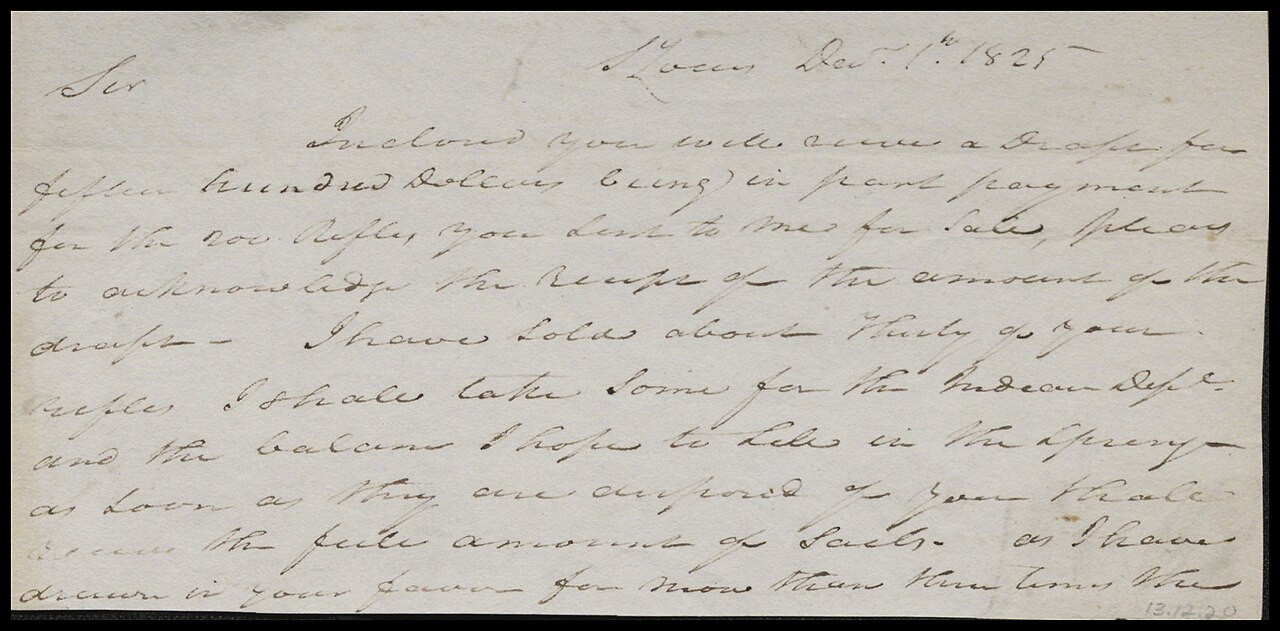
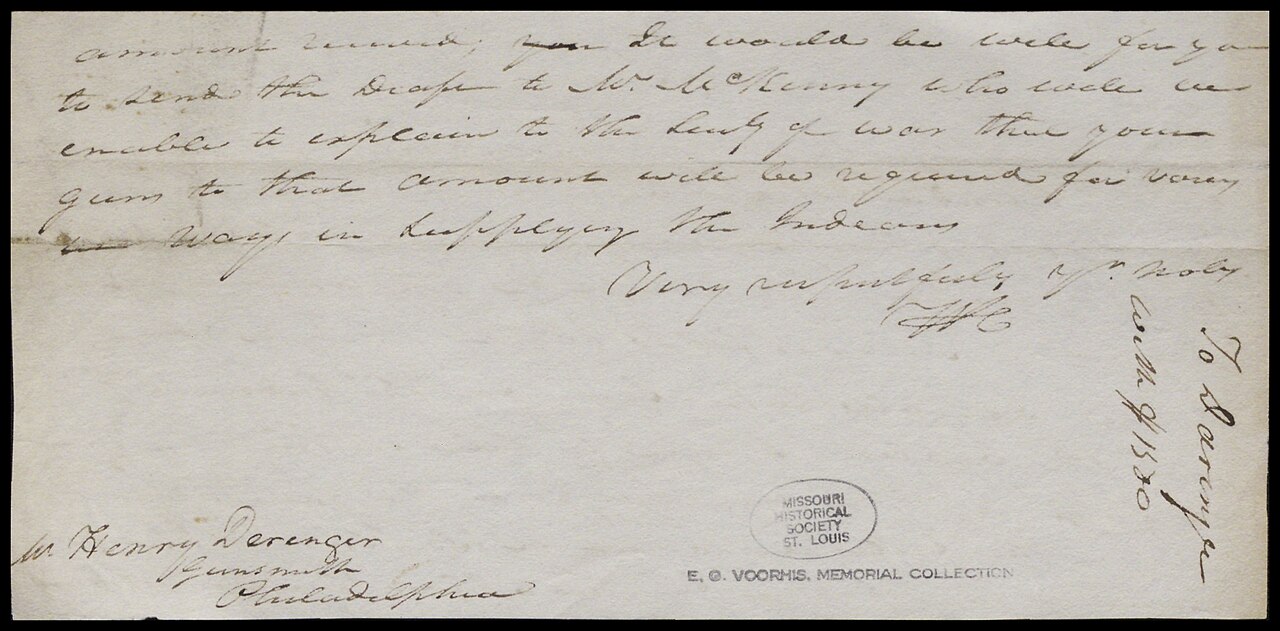
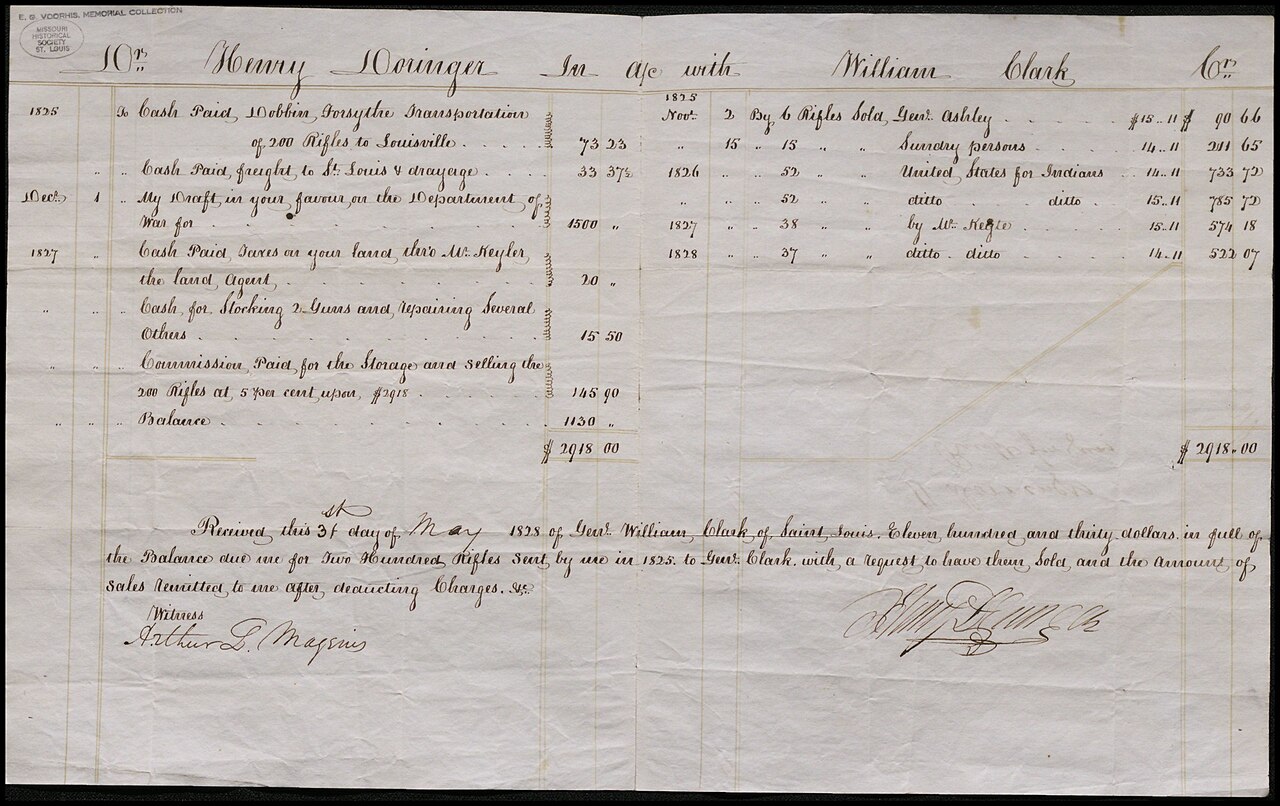
Henry Deringer was born on October 26, 1786, in Easton, Pennsylvania, to Henry Deringer Sr. and Catherine McQuety. The family moved to Philadelphia, where his father worked on the Kentucky rifle. Henry was sent to Richmond, Virginia, to apprentice with another gunsmith, then returned to Pennsylvania and set up his own shop in 1806. His early work included military contracts for pistols, muskets, and rifles, such as the Model 1814 and Model 1817 Common Rifles, as well as trade rifles for Native American tribes. By the mid-1840s, he stopped pursuing government contracts and focused on fine sporting rifles and dueling pistols.
Reader's Guide
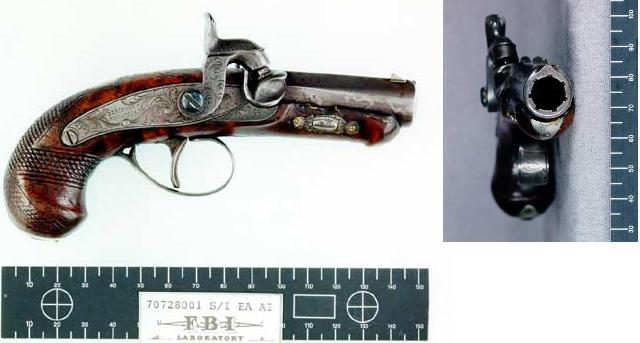
Henry Deringer's significance lies in his design of the large-caliber, short-barreled pistol that became known as the derringer. First created in 1825, these pistols used flintlock or percussion cap actions and were muzzle-loading single-shots or double-barreled over-under models. Deringer never patented his design, leading to widespread copying and counterfeiting, including the use of his name and proofmarks by other manufacturers. The legal case Deringer v. Plate became a landmark in trademark law. His pistols were highly popular and influential, though the generic term 'derringer' came to describe similar small handguns produced by many companies. Deringer's work placed him at the cutting edge of firearms technology, particularly with his adoption of the percussion cap.
Did You Know?
- Henry Deringer never claimed a patent for his pistols.
- The Deringer v. Plate ruling by the California Supreme Court became a landmark in trademark law.
- The percussion cap was invented by Alexander John Forsyth and developed by others, not by Deringer.
Career & Achievements
Henry Deringer's professional journey began in the early nineteenth century when he established his own workshop in Philadelphia in 1806, following an apprenticeship in Richmond, Virginia. His father, who had worked on the Kentucky rifle in both ornate sporting and basic military variants, had arranged that training. Deringer's early production focused heavily on government work: he fulfilled military contracts for pistols, muskets, and rifles, including the Model 1814 and Model 1817 Common Rifles. He also manufactured trade rifles intended for distribution to Native American tribes as part of United States treaty obligations. Over time, however, his interests shifted toward the more refined end of the trade. Fine sporting rifles and dueling pistols became his signature products, and by the mid-1840s he had largely stepped away from government contracts entirely. This pivot from utilitarian military hardware to precision-crafted personal firearms defined the latter arc of his career and set the stage for the invention that would make his name synonymous with a class of handgun.
The Deringer Pistol & Innovation
In 1825, Deringer introduced a design that would redefine the small handgun: a large-caliber, short-barreled pistol originally marketed as the Philadelphia Deringer. The earliest versions employed the flintlock mechanism standard in that era, functioning as muzzle-loading single-shots or, in some configurations, as double-barreled over-under pieces. The pistols generated enormous demand and brought Deringer both considerable wealth and widespread fame. As firearms technology evolved, he transitioned his own designs to the percussion cap system, keeping his products at the forefront of the industry. He had been perfecting the percussion cap mechanism by roughly 1820 and was marketing such arms by the 1830s, possibly as early as the mid-1820s. For a period, both flintlock and percussion models were manufactured and sold side by side. This willingness to adopt newer ignition technology while retaining the compact, powerful form factor made the Deringer pistol a cutting-edge weapon in its day and established the template for the generic derringer that other manufacturers would later produce widely.
Legacy & Trademark Battles
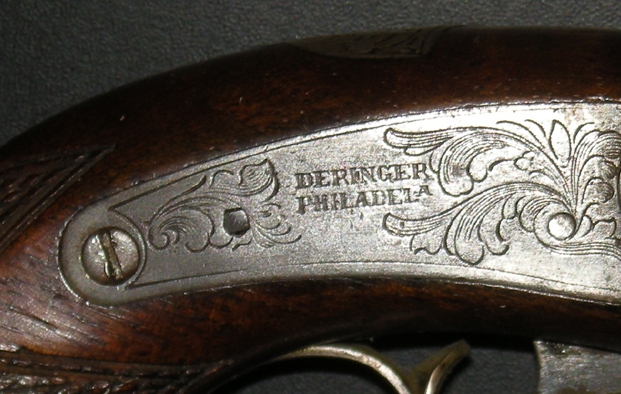
Deringer never filed a patent for his pistols, and the public purchased them as quickly as he could produce them. That very success bred a wave of imitation that plagued him for most of his business life. Competitors copied his designs outright, counterfeited his proofmarks, and even used his name and trademark on their own products. One company went so far as to hire a tailor named John Deringer solely so it could affix the Deringer name to its firearms. Some of his own workmen departed the shop to establish competing operations producing near-identical copies. The cumulative effect was that "derringer" became a generic term for a class of small handgun manufactured widely by numerous companies. The legal fight reached its climax in the Deringer v. Plate case, in which the California Supreme Court ruled in favor of Deringer's company. That decision became a landmark in trademark law, establishing important precedents for protecting a maker's name from unauthorized commercial use.
Personal Life & Family
Henry Deringer was born on October 26, 1786, in Easton, Pennsylvania, the son of Henry Deringer Sr. (1756–1833) and Catherine McQuety (1759–1829). The family relocated to Philadelphia, where his father continued his work on the Kentucky rifle, developing both an ornate sporting model and a basic version for the United States Army. Young Henry was sent to Richmond, Virginia, to serve an apprenticeship with another gunsmith before returning to Pennsylvania to open his own shop in 1806. On April 5, 1810, he married Elizabeth Hollobush at the First Reformed Church in Philadelphia. The couple had four children: three sons—Theophilus T. Deringer (1811–1874), Bronaugh McClain Deringer (1819–1868), and Calhoun Mason Deringer (1824–1907)—and a daughter, Eliza Deringer (1831–1907). Henry Deringer died in Philadelphia on February 28, 1868, at the age of eighty-one. He is buried in Laurel Hill Cemetery.
Gallery
Frequently Asked Questions
Who is Henry Deringer?
Henry Deringer was an American gunsmith, inventor, and businessman born in Easton, Pennsylvania in 1786. He is best remembered as the creator of the derringer, a compact short-barreled handgun that carries his name.
What is Henry Deringer most famous for inventing?
He is credited with designing the derringer, a small, large-caliber, short-barreled pistol that became an iconic American firearm. The weapon's very name is a direct reference to him, making him one of the few gunsmiths whose surname became an entire category of handgun.
Where did Henry Deringer train and begin his career?
After growing up in Easton, Pennsylvania, he apprenticed in Richmond, Virginia before opening his own workshop in Philadelphia in 1806. His early professional work centered on fulfilling military contracts for the government.
When and where did Henry Deringer die?
He passed away on February 28, 1868, in Philadelphia, the same city where he had run his gunsmithing shop for decades. He lived to be 81 years old.
Why is Henry Deringer considered important in firearms history?
His creation of the derringer established an entirely new class of compact personal-defense handguns that influenced weapon design for generations. As a businessman as well as a craftsman, he helped bring the design into wider commercial production beyond a single workshop.
More in Weapon designers 1-24
Spotted an error? Know more?
Reader corrections go straight into our review queue. Suggest an edit · How this site is sourced